Seattle pauses plate reader surveillance

Add Axios as your preferred source to
see more of our stories on Google.
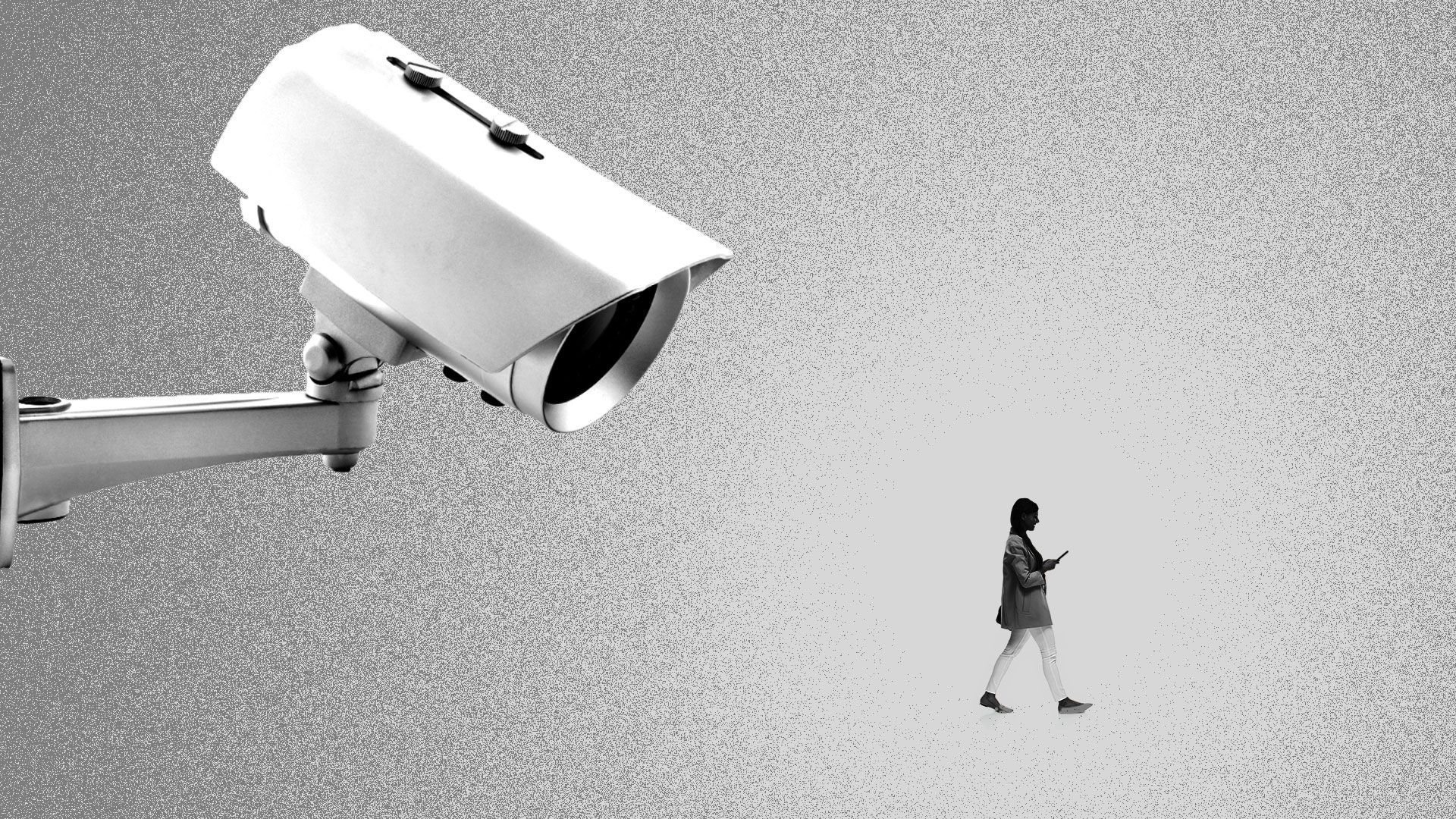
Illustration: Aïda Amer/Axios
Police departments across Washington are figuring out how to move forward after the state set new limits on license plate readers last month, with some hitting pause as they decide how — or whether — to turn them back on.
Why it matters: The cameras can track where vehicles go, raising concerns about privacy and government surveillance — while police say they're key tools for solving crimes.
- Advocates of the new law limiting the readers warned the technology allowed for widespread data sharing — including with federal agencies.
Driving the news: Washington lawmakers passed the state's first-ever restriction on automated license plate readers earlier this year, and Gov. Bob Ferguson signed the bill into law March 30.
- It limits how police can use the technology, caps how long data can be stored (21 days) and restricts how that data can be shared.
- It also bars agencies from collecting data near certain locations, including health care facilities, immigration-related sites, schools, places of worship and food banks.
Tee Sannon of the ACLU of Washington called the law "an important first step," but said it does not go far enough to protect Washingtonians from surveillance.
State of play: Seattle and Kent police are among those that have recently turned off some license plate reader systems while they review policies to comply with the new law.
- Others — including Redmond, Lynnwood and Sedro-Woolley — had already scaled back or shut down systems.
- A Skagit court ruling raised questions about public access to the data and two University of Washington Center for Human Rights reports found federal agencies were accessing sensitive information.
- The company behind many of the cameras says it is helping agencies comply by shortening data retention and limiting how data can be shared.
Zoom in: Mayor Katie Wilson halted use of license plate readers in mid-March before the new law took effect as part of a broader review of the city's surveillance tools and data practices.
- Residents and representatives from more than a dozen community groups are asking the city to use this moment as a reflection point and shut down surveillance cameras and license plate readers for good.
- Seattle police spokesperson Patrick Michaud tells Axios the program remains paused until the department "can guarantee the technology meets the new state requirements."
Bottom line: The debate over license plate readers is part of a much bigger question — how much surveillance people are willing to accept in the name of public safety.