Trash pandas are evolving to be more like pets

Add Axios as your preferred source to
see more of our stories on Google.
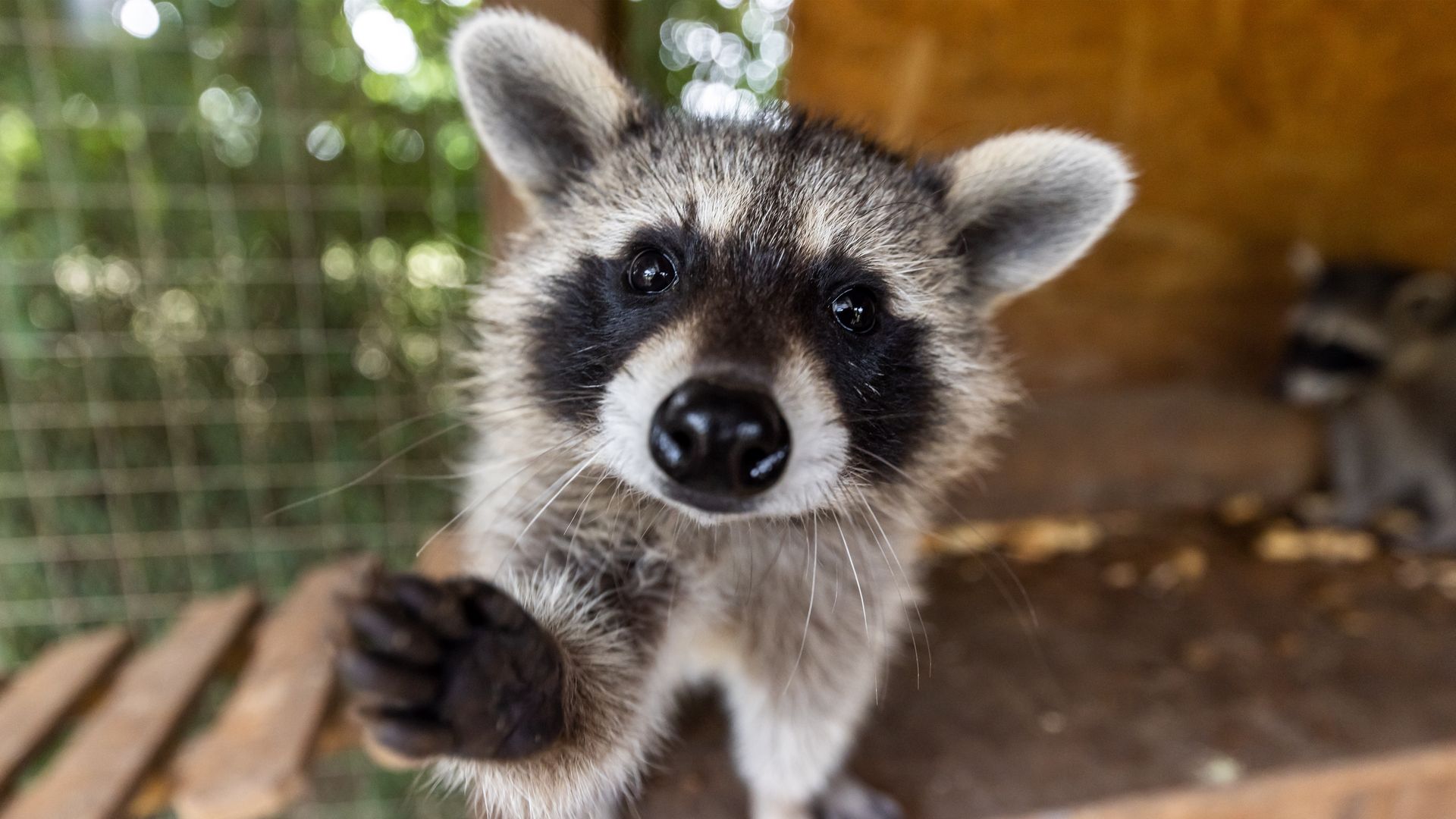
Got any snacks you want me to take off your hands? Photo: Christian Lademann/picture alliance via Getty Images
If Seattle's raccoons are starting to look a little cuter and less wary, it may not be your imagination.
The big picture: Scientists say city raccoons are evolving to live more comfortably around people — and local experts say Washington's trash pandas are Exhibit A.
Driving the news: The same evolutionary forces that turned wolves into domesticated dogs over thousands of years may now be reshaping urban raccoons, recent studies suggest.
- Researchers told Scientific American that raccoons living near people develop snouts about 3.5% shorter than their rural cousins, along with smaller heads, floppier ears, softer features and lighter fur or white patches — all hallmarks of domestication.
How it works: This urban domestication starts with trash, per the study's co-author, Raffaela Lesch of the University of Arkansas at Little Rock.
- "Trash is really the kickstarter," she said. "Wherever humans go, there's trash — and animals love our trash."
- Easy food rewards the bolder, calmer raccoons — the ones willing to hang around people in a less aggressive way so they don't become a nuisance.
- That tolerance for us bipeds may subtly reshape their bodies and temperaments over generations.
Between the lines: Proof of domestication won't surprise the countless people who've had pet-like encounters with Procyon lotor.
- A "major mammalian success story," raccoons have shown a remarkable knack for living alongside human civilization, per the National Wildlife Federation, which notes stories of people who bake cakes for raccoons, walk them to ponds and share backyard snacks.
- Their nimble, hand-like paws and compact 20- to 30-pound frames let them climb, squeeze and scavenge through nearly any urban environment.
What they're saying: "Raccoons have adapted incredibly well to our presence," said Marcie Logsdon, an associate professor at Washington State University's College of Veterinary Medicine who works closely with wildlife rehabbers.
- City raccoons have learned to be "bold enough to raid garbage cans but polite enough" to avoid altercations with people, Logsdon told Axios.
- That mix, she said, helps them live longer and raise more offspring, reinforcing the subtle physical changes scientists are now spotting.
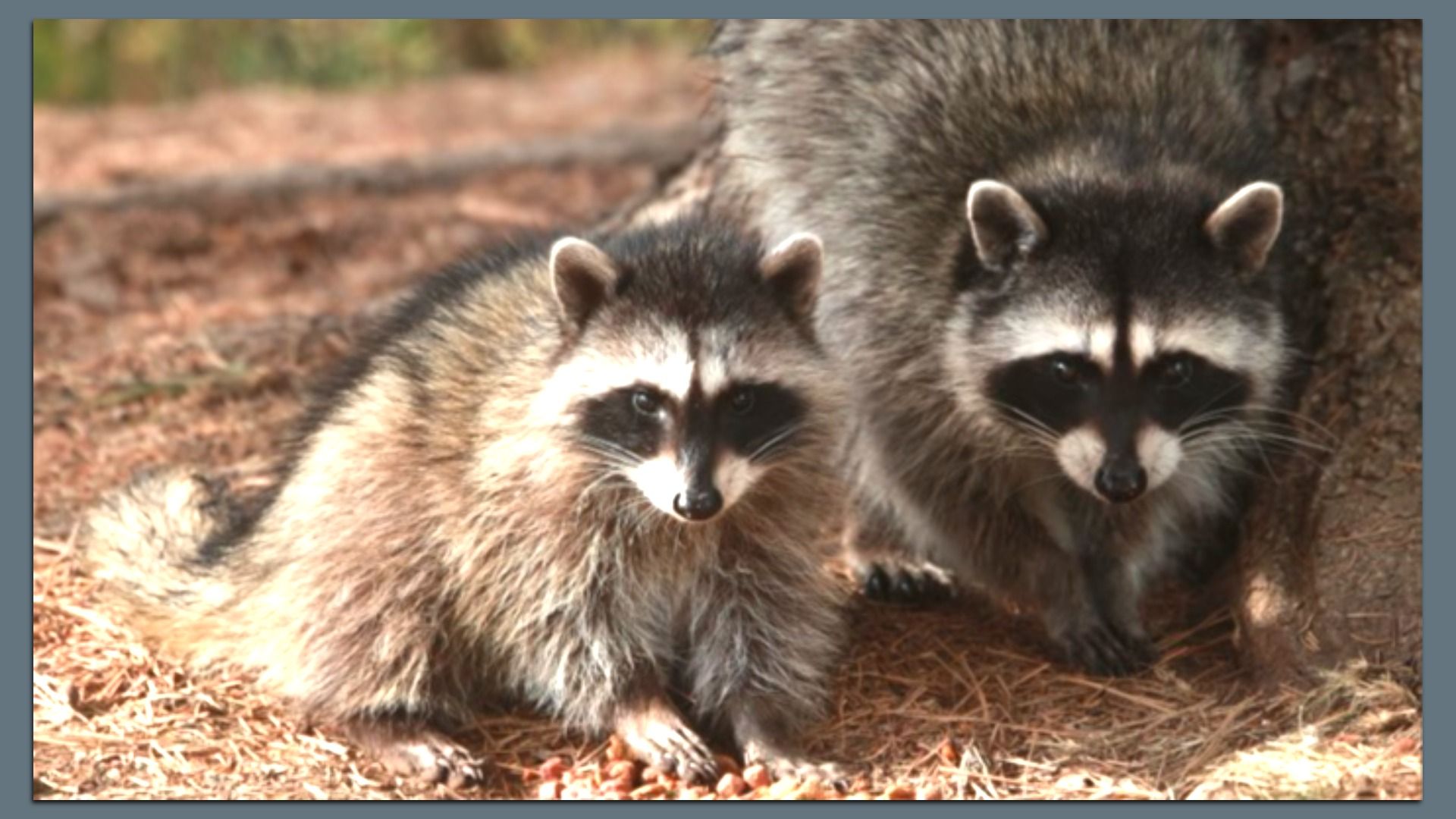
Go deeper: The recent raccoon study supports the neural crest cell hypothesis, the idea that small shifts in embryonic cell migration can soften faces, lighten fur and blunt stress responses, the same suite of changes seen in dogs, cats and other domesticated animals.
The bottom line: Logsdon says raccoons may be adapting to the "new wild" of city life, but no matter how darn cute those masked bandits get, they don't belong in the house.
- They can carry diseases including distemper and roundworm, and their behavior remains unpredictable, she said.
- Admire them from a distance — even if that distance is your own back porch — and don't feed them, unless you want to see what can happen when raccoons run amok.