Inside Oregon's record-breaking wildfire season

Add Axios as your preferred source to
see more of our stories on Google.
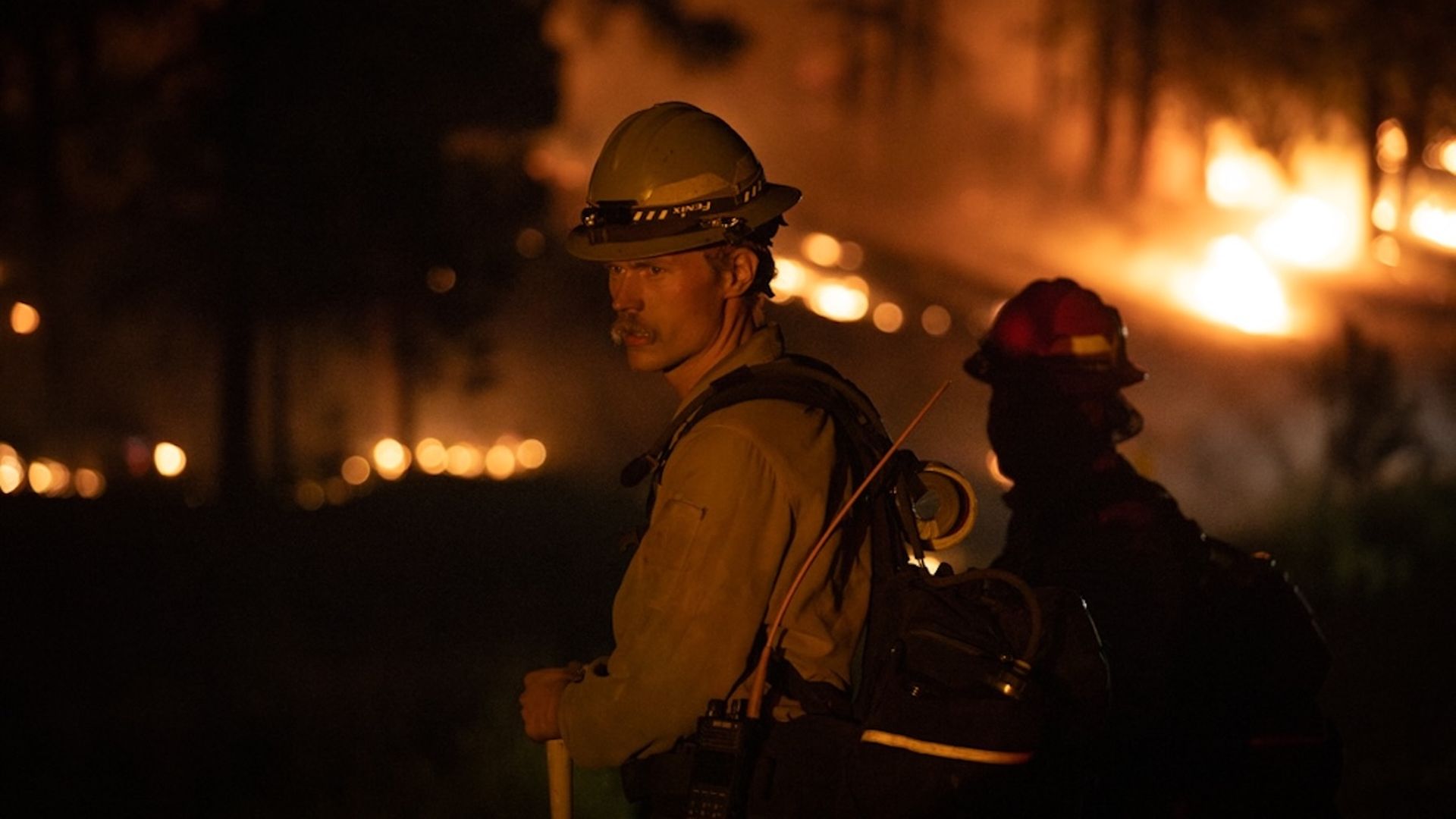
It was a busy year on the fire lines. Photo: Courtesy of the Oregon Department of Forestry
There were fewer wildfires in Oregon this year than last, but the fires that did burn scorched more acres and cost more to fight than any wildfire season in the state's history, OPB reported.
The big picture: Record-low snowpack, record-high temperatures and widespread drought helped fuel Oregon's historic wildfire season — conditions made more likely by climate change.
By the numbers: Just over 1,800 fires burned more than 2.6 million acres across Oregon in 2026. That's fewer fires than the state's annual average of 2,100 since 2022, per OPB.
- More than half the acres burned were caused by five large blazes — the Big Grass, Rowe Creek, Second Flat, Coleman Creek and Hay Creek fires.
- At least 56 homes were destroyed and two firefighters were killed, OPB reported.
- At one point in July, more than 32,000 people were under some level of evacuation orders.
Follow the money: The state spent around $235 million fighting wildfires, nearly 137% more than the 10-year average of roughly $100 million, per state data from August.
- That number could climb as high as $350 million once everything is accounted for, as two parts of the state — southwest and central Oregon — are still technically in fire season.
Catch up quick: Last winter brought long spells of warm and dry weather, often with rain at higher elevations that typically see snow.
- That left statewide snowpack nearly 30% lower than the previous record-low seen in 2015.
- "Fuels throughout the state — whether they be forest fuels, shrub vegetation or grasses, even roadside grasses — will be exceptionally dry and receptive to spark," Derek Gasperini, a spokesperson for the Oregon Department of Forestry, told Axios in May.
What's next: Forecasters remain uncertain what this winter will bring, with a potentially historic El Niño brewing in the Pacific.
- Under a typical cycle, that means a warmer, drier winter in Oregon.
- Yes, but: Some of the strongest El Niños on record — in 1982-83, 1997-98 and 2015-16 — brought Oregon wetter weather.