How Ohio is preparing for AI in K-12 education

Add Axios as your preferred source to
see more of our stories on Google.
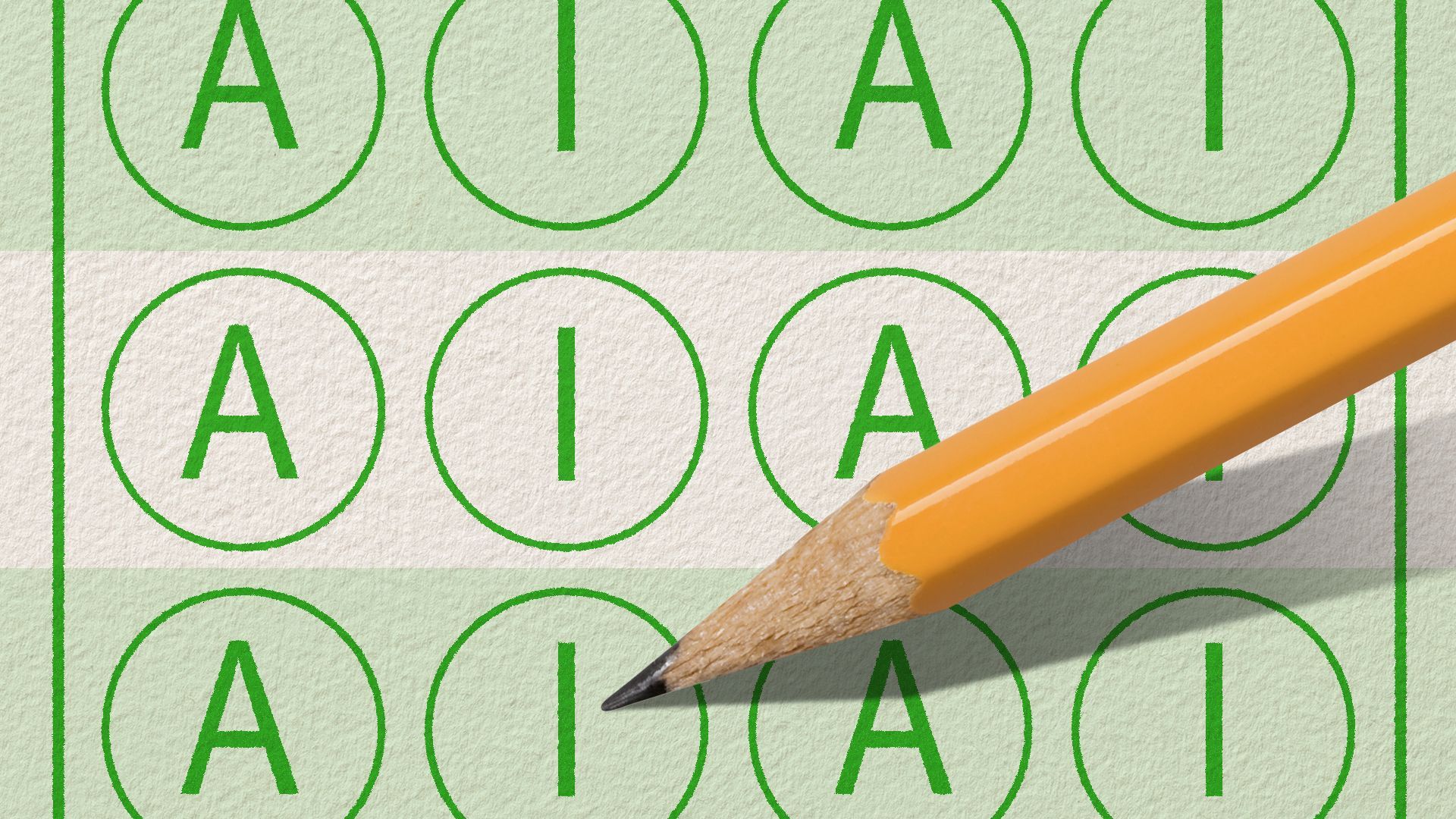
Illustration: Natalie Peeples/Axios
Ohio is one of 11 states preparing policy guidance for K-12 schools on artificial intelligence platforms like ChatGPT, per a new report.
Why it matters: Teachers and administrators are eager for guidelines on how to most effectively use AI and quash misuse, but the field is moving so rapidly that governments have been loath to issue pronouncements, Axios' Jennifer A. Kingson writes.
The big picture: The Center on Reinventing Public Education, a nonpartisan research center at Arizona State University, asked states for their approach at the start of the school year.
- Just two, California and Oregon, had issued official recommendations and 17 states did not respond to CPRE's request.
- Despite little guidance, one-third of 498 teachers surveyed recently told Education Week that they've already used AI-powered tools in their classrooms.
Zoom in: An Ohio Department of Education & Workforce spokesperson tells Axios there is "no set date" for when its guidance will be released, and even when it exists, "decisions regarding AI would be made by local districts."
- The spokesperson didn't have further details regarding who is involved or what the recommendations might cover.
Between the lines: AI in education is such a sprawling topic, it's hard for educators and regulators to know what to tackle first.
- Guidelines could encompass everything from teaching about AI in classrooms to using it to enhance school operations to cracking down on students who use it to do their homework.
- The issue has surfaced alongside others also demanding schools' attention, such as ongoing staffing shortages, pandemic learning loss and a youth mental health crisis.
What's more: If guidance is too specific, it may become obsolete as technology advances.
The bottom line: "We really are looking at something that's revolutionary, and I never use those words in my profession," Joseph South, chief innovation officer for the International Society for Technology in Education, tells Axios.
His tips:
🧑🏫 Offer opportunities for educators to learn and explore, which will help dispel misconceptions.
🔒 Be sure to follow existing privacy and security laws.
😵💫 Have a "light touch" — things are changing rapidly.
🧑🎓 Focus on helping students achieve their educational goals and helping teachers do their jobs more efficiently.
🤖 Include AI literacy lessons, to teach students about the technology's growing role in society.
✅ Don't turn over tasks solely to AI — ensure a human is always involved in decision-making.