Chicago pols clash over shot detection report

Add Axios as your preferred source to
see more of our stories on Google.

Illustration: Lindsey Bailey/Axios
A University of Chicago report showing reduced police response times after the city turned off its shot detection system in 2024 is facing criticism from some alders and support from Mayor Brandon Johnson, who chose to nix the detection program.
Why it matters: The fight highlights different approaches to gun violence between the mayor and some council members, along with growing frustration with Johnson's failure to replace the system after two years.
State of play: Public Safety Committee Chair Brian Hopkins planned to discuss the report at a Wednesday morning meeting, but the committee lost its quorum when Ald. Leni Manaa-Hoppenworth left, Hopkins said.
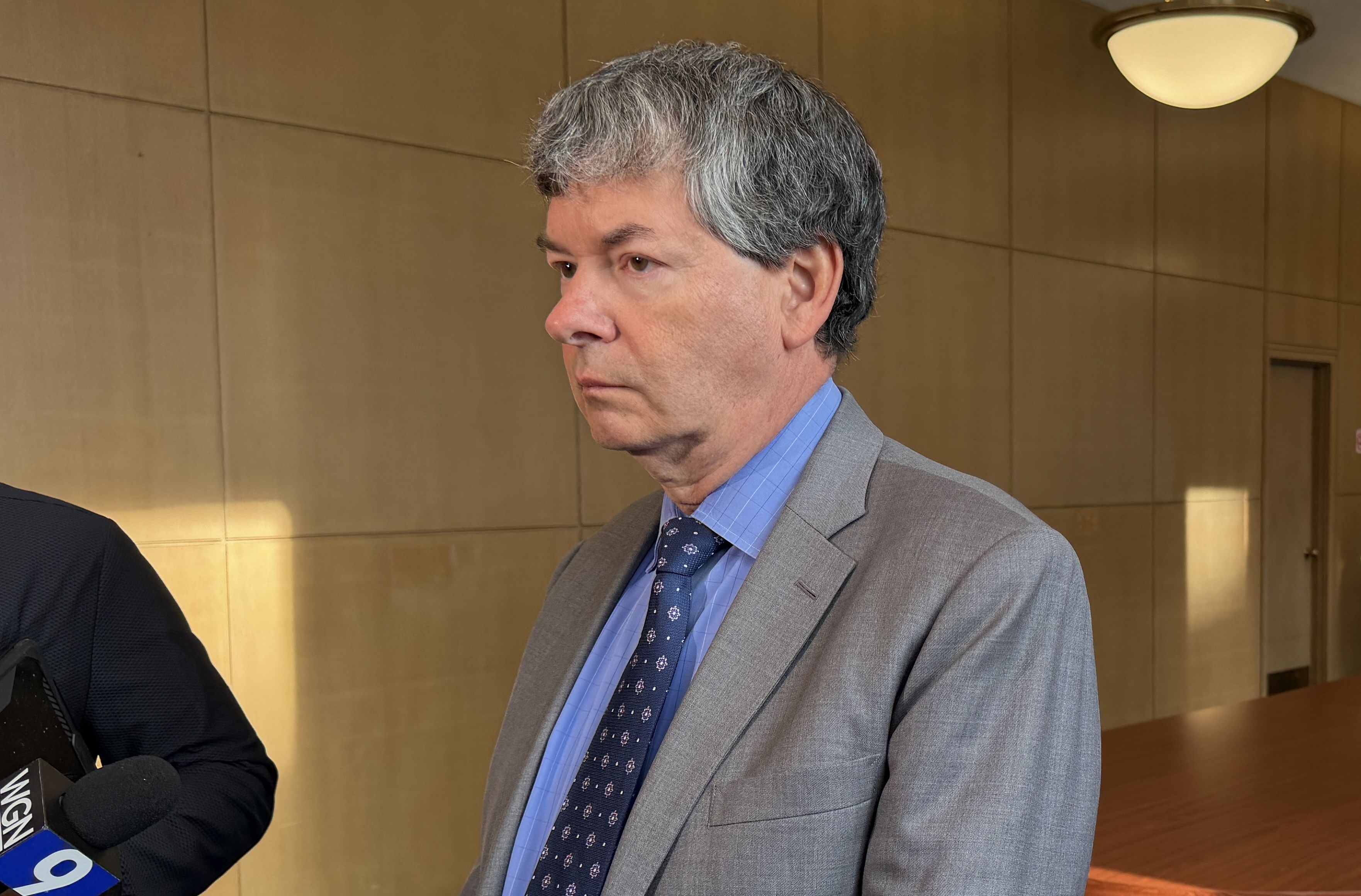
What they're saying: We'd planned to "challenge the methodology of the report that suggested the removal of ShotSpotter somehow resulted in improved response times to 911 calls," Hopkins told Axios Wednesday after the meeting ended prematurely.
- "There was absolutely no proof that there was a connection and there was no causation established between the two things, so what are we even talking about?"
The other side: Johnson hailed the report on X as proof that "we're doing what works: investing in communities, improving response times, and giving police officers tools that are effective. Not wasting taxpayer dollars for walkie talkies on poles that overpolice communities without improving safety."
Between the lines: Report author Robert Vargas acknowledged in a letter to the committee this week that his study was not meant to "establish definitive causation."
- Still, he defended his methodology from criticism by SoundThinking (ShotSpotter's new name) suggesting that Vargas should have zeroed in on response times for shots-fired calls, not all emergency calls.
- Vargas says he measured the broader data because the technology was sold to the city as a way to "reduce crime." He called the critiques "not serious" and "attempts to move the goal posts" again.
- The researcher, a UChicago sociology professor and director of the university's Justice Project, was invited to attend the Wednesday committee meeting but said he was unable to do so with 24 hours' notice.
The bottom line: "Chicagoans deserved answers today and they didn't get them," Ald. Peter Chico said in a statement. "Residents have every right to know why these systems are not in place and when they can expect them to be operational."
What's next: The issue of causation may become clearer in August when Vargas says he will release a "causal analysis with data and code."
- In the meantime, Hopkins says he has been assured by the mayor's office that "they are still committed to finding a new gunshot detection system for the city. I take them at their word even though their actions don't match their words."