Chicago-born cardinal gains papal buzz as conclave meets at Vatican

Add Axios as your preferred source to
see more of our stories on Google.
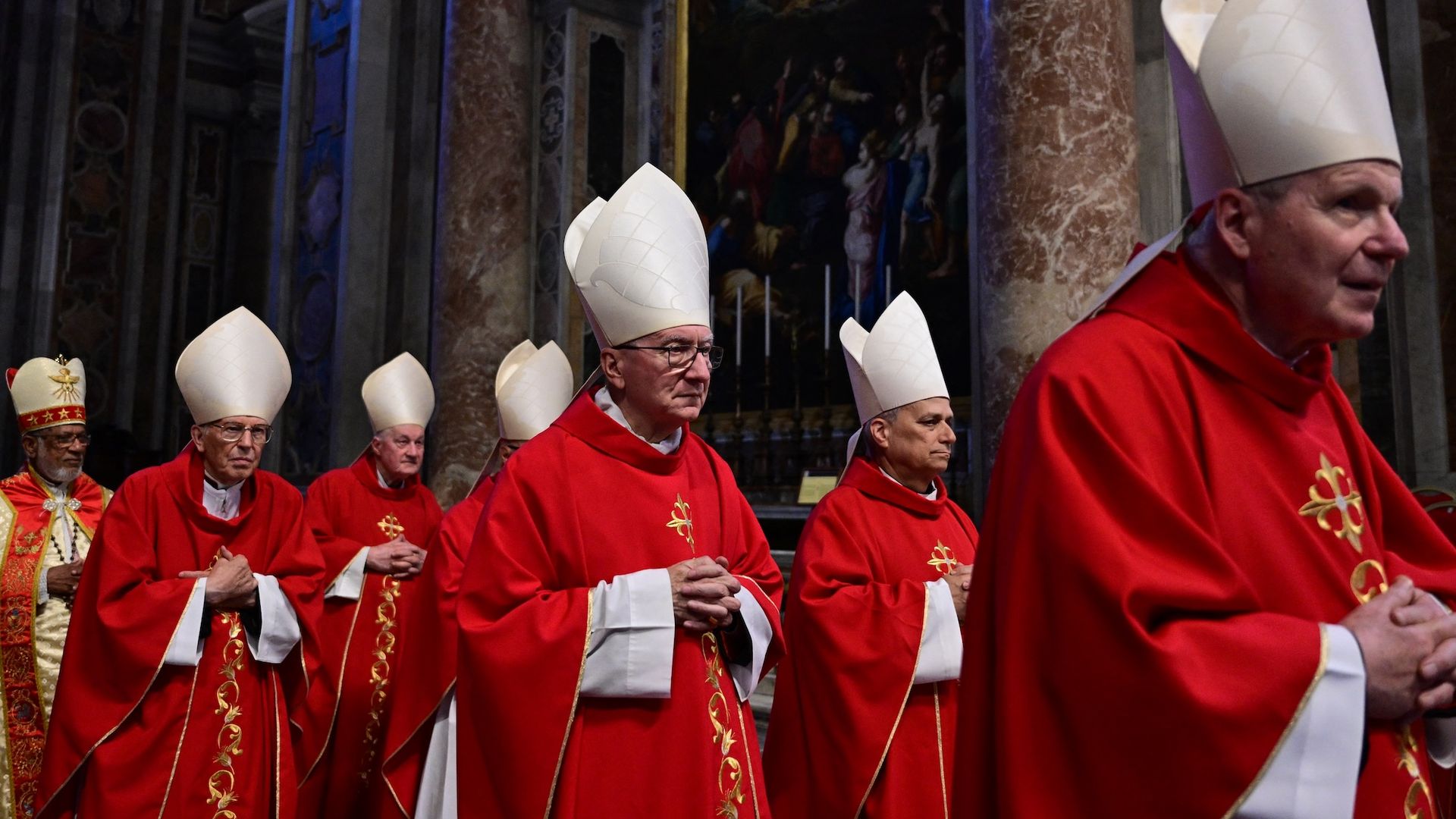
The Vatican's Cardinal Secretary of State Pietro Parolin, center, and Cardinal Robert Prevost, second from right, attend the Seventh Novemdiale mass last week at St Peter's basilica. Photo: Tiziana Fabi/AFP via Getty Images
Editor's note: Cardinal Robert Francis Prevost was elected as the 267th leader of the Catholic Church on May 8, 2025. This story was originally published on May 5, 2025.
A Chicago-born Cardinal is getting attention as a possible contender to be the new pope, but scholars say an American in the role is unlikely.
Why it matters: For Catholics, the big question is whether the next pope's views will be aligned with the late Pope Francis' more progressive beliefs or the new leader will adhere to a more traditionalist doctrine.
- Leading a church with more than 1.4 billion global members extends beyond the faithful, and the pope is a critical player in the secular power balance.
Driving the news: The conclave that will select the next pope convenes Wednesday at the Vatican, more than two weeks after Pope Francis died at the age of 88.
How it works: The new pope will be determined by 135 cardinals from across the globe, including Chicago's Archbishop, Cardinal Blase Cupich.
- One round of voting will be Wednesday, followed by four rounds daily until a successor is chosen.
- A two-thirds majority of electors present is required to elect a new pope. Voting has not exceeded five days in the past century.
Zoom in: Cardinal Robert Prevost has received attention in the last week as a possible successor to Francis.
- Prevost was born in Chicago and was a priest at parishes in the city before serving in Peru and then working alongside Francis in Rome.
- Like Francis, Prevost has emphasized the importance of inclusivity in the church, the National Catholic Reporter notes.
- Prevost joins one other American on a list of 12 potential candidates.
Yes, but: A pope from the United States is unlikely for several reasons, including that an American pope would give the U.S. even more influence than it already has, Loyola University scholar Michael Canaris tells Axios.
Between the lines: The cardinals pay attention to President Trump.
- "Trump's cuts on the USAID work drastically impacted the Bishops Conference, because they were engaged in so much work for people of all different backgrounds, all different faiths … resettling refugees, many of whom were Muslim, for instance," Canaris says.
The latest: The White House posting an AI-generated image of the president as "His Holiness" last weekend does not favor the argument for an American in the role after world leaders called him "ridiculous" and a "clown."
Zoom out: Francis was known to welcome people on the margins of the traditional Catholic Church —LGBTQ+ people, those living in poverty and migrants — but also believed in synodality, which gives lay people a more powerful voice in the church and puts the people, not the pope, at the center of the church as a community.
State of play: The question facing this conclave will be whether to continue Francis' embrace of synodality or abandon that.
- "There's certainly voices in the church who see that as muddying the waters of doctrinal clarity when you provide the sort of gray areas," Canaris says.
- Cupich, however, is most likely not one of them as he has been aligned with Francis' view of welcoming the stranger and has been very critical of Trump's deportations, for example.
The bottom line: All eyes are on the Vatican but don't hold your breath on the new pope being from Chicago or even the U.S.