Trade war escalation: Midwest farmers face uncertain future


Add Axios as your preferred source to
see more of our stories on Google.
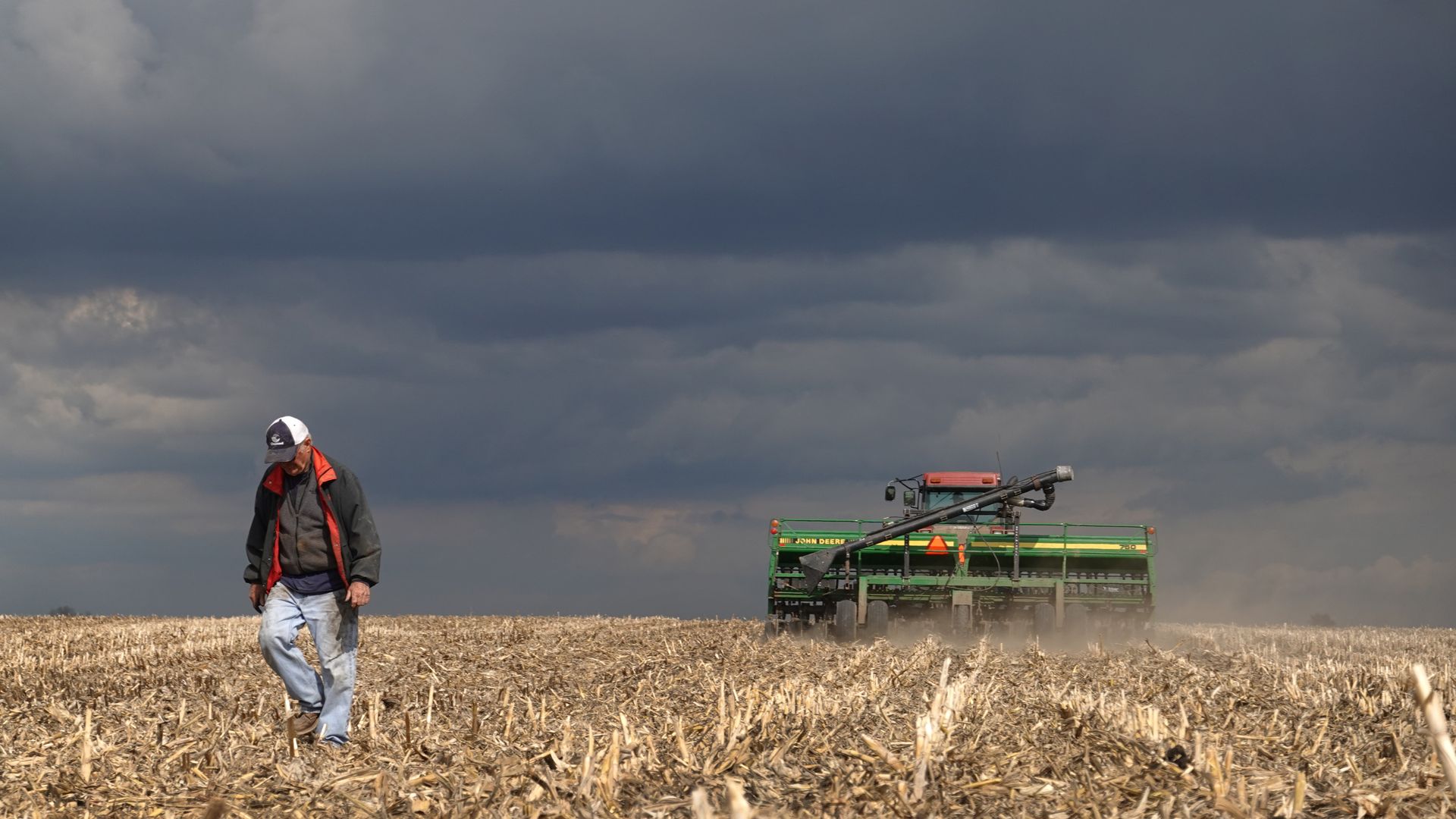
A farmer walks across a field he is planting soybeans in near Dwight, Illinois, in 2020. Photo: Scott Olson/Getty Images
The Midwest, known as the nation's "breadbasket," is feeling the pressure as President Trump's new tariffs on Mexico, Canada and China trigger retaliation, leaving farmers worried about their livelihoods.
Why it matters: States like Illinois, Ohio and Iowa rely on agriculture — especially soy, corn, pork, dairy and wheat — and escalating trade tensions could have serious economic consequences for farmers and rural communities.
What they're saying: "There's no winners in this, as far as I can see," said Stan Lundell, a farmer from Southern Minnesota. "I don't see how you can hurt every sector of the economy, because it's not just going to be agriculture, every sector of the economy is going to be affected by this. It inflicts pain on everybody, for what?"
Zoom in: Our Axios Local reporters spoke with farmers, farm bureaus, and policymakers across the Midwest to gauge how the looming trade war is affecting those cultivating the nation's food supply.
Illinois
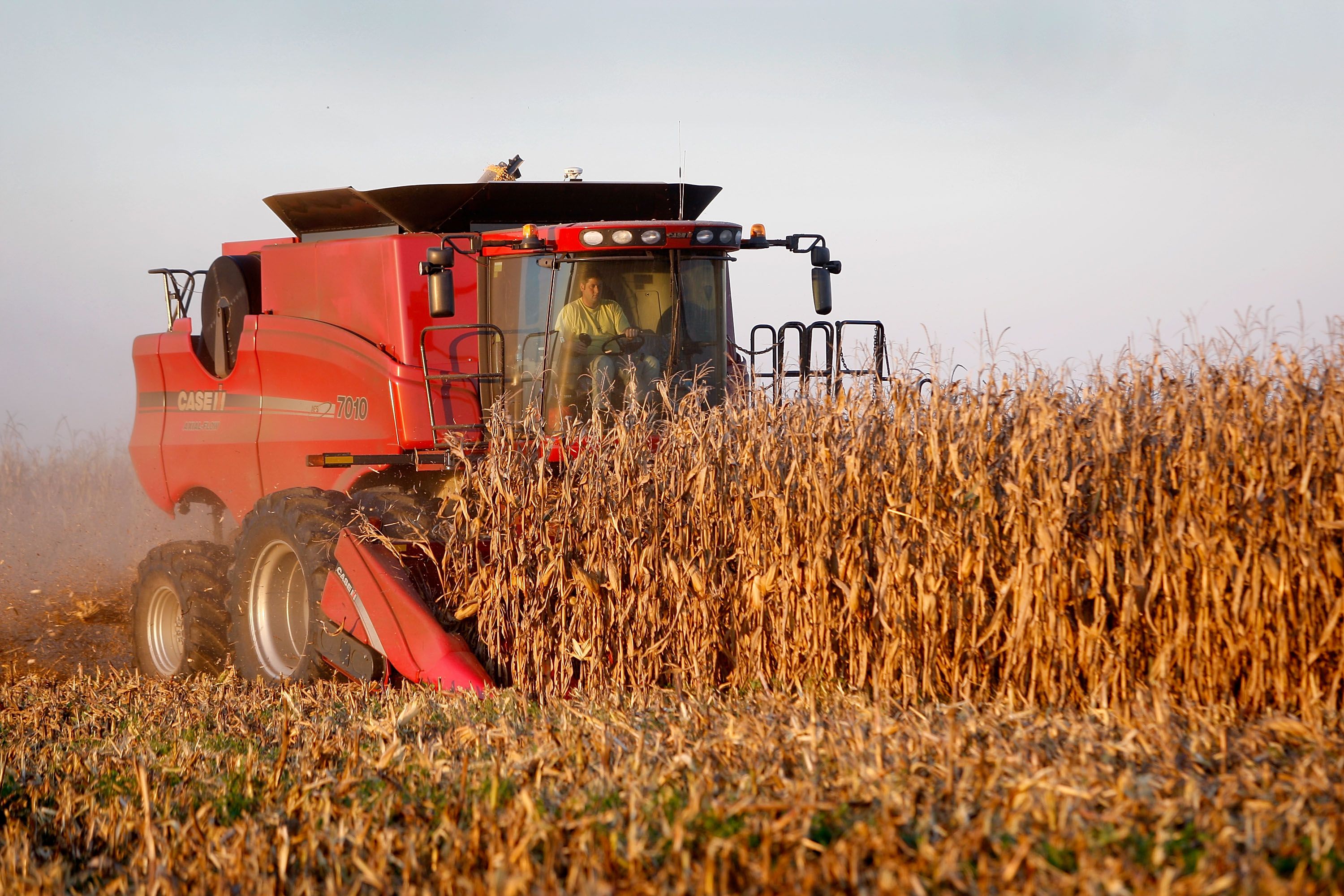
Illinois, the nation's third-largest agricultural exporter, registered $13.7 billion in agricultural trade in 2023, led by sales of corn, soy and pork to Mexico, Canada and China, Axios Chicago's Monica Eng reports.
The latest: Illinois Farm Bureau officials told Axios on Tuesday they are "deeply concerned" about the tariffs.
What they're saying: "The broad farm economy was already in a tough spot with low to negative margins," Collin Watters, director of exports and logistics for Illinois Corn Growers Association, tells Axios.
Flashback: China's share of U.S. soybeans fell from 62% in 2016 to 18% during Trump's 2018 trade war with China, which increasingly turned to Brazil for its soybeans. Last year, China's share of U.S. soybeans had rebounded to 52%, but Midwest farmers fear that could change again.
- "We had a big war in 2019, and that was just with one buyer," Augusta, Illinois, farmer Brady Holst, the market development committee chair of the Illinois Soybean Association, tells Axios.
- "Now we have a trade war with two huge buyers and another one on the input side. That's really hitting farmers from inputs and price that we sell it for now."
Reality check: Even though Illinois exports most of its soybeans to China, Holst says farmers in his community are willing to be patient to try to work out a deal with them to even the trade deficit.
- "But with Mexico and Canada, we don't really see a whole lot of upside to the negotiations. None would benefit farmers who are already getting a free trade deal and we've really developed those markets. So I don't think there's a lot of patience for waiting around for Canada and Mexico."
Indiana
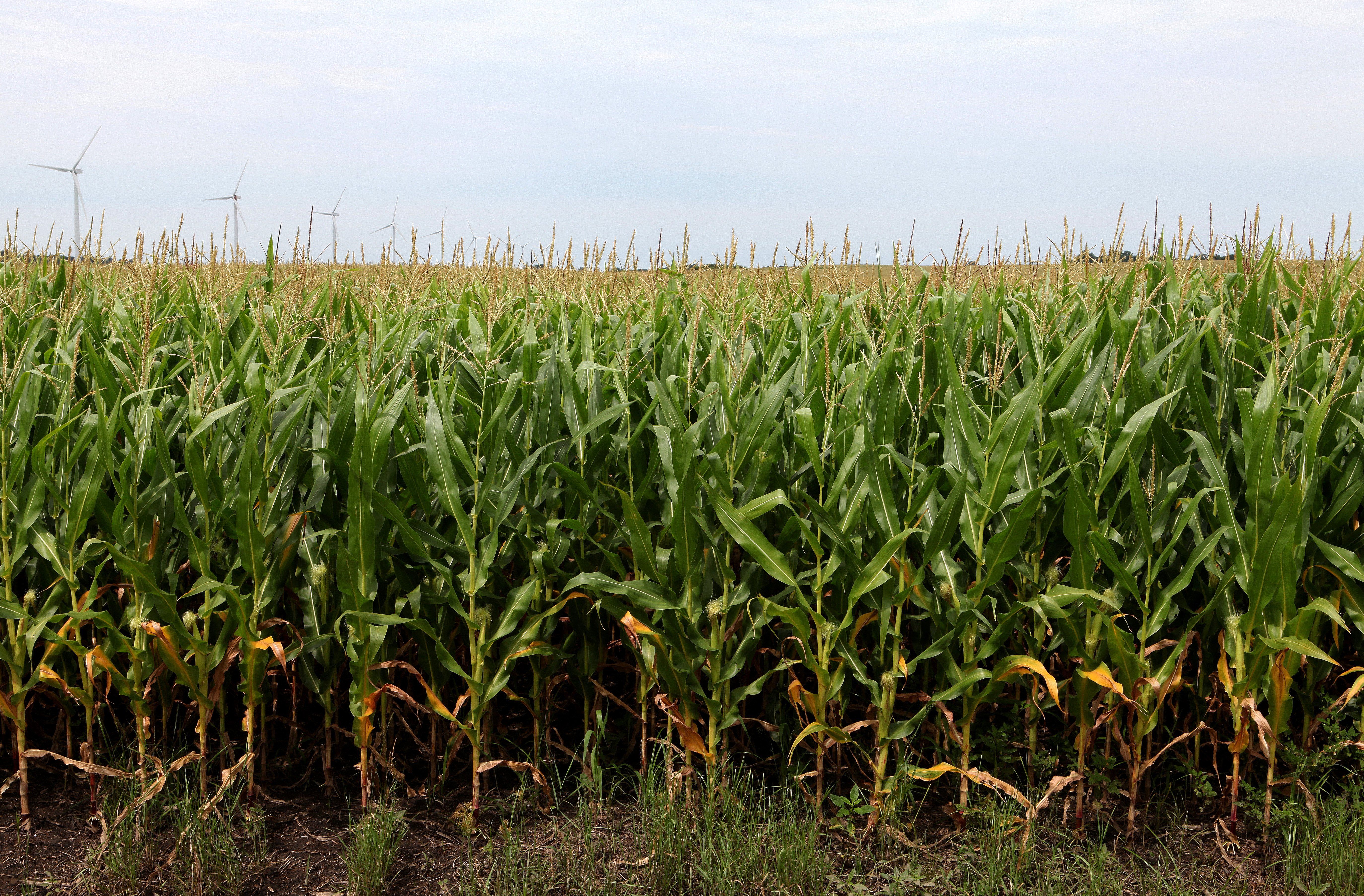
Indiana, the nation's seventh largest agricultural exporter, is fourth in the nation for soybean production and fifth for corn, Axios Indianapolis' Arika Herron reports.
- A spokesperson for the Indiana Soybean Alliance and Indiana Corn Growers Association said their members were still trying to understand what it will mean for their operations.
By the numbers: Agriculture contributes an estimated $35.1 billion to Indiana's economy.
- Soybeans are the state's top agricultural export, followed by corn, other feed grains, soybean meal and pork.
- There are nearly 100,000 Hoosiers farmers.
Threat level: "It's nothing but bad news for farmers," said Phil Powell, executive director of the Indiana Business Research Center at the IU Kelley School of Business.
What they're saying: "Hoosier farmers are concerned about the decision to increase tariffs on imports from Canada, Mexico and China — our top trading partners," Andy Tauer, executive director of public policy for Indiana Farm Bureau, told Axios. "Indiana Farm Bureau supports the goals of security and ensuring fair trade, however, we do worry how tariffs will drive up the cost of important supplies like fertilizer."
- "This uncertainty hits just as operating loans are being secured and spring planting approaches, leaving farmers in a really tough spot."
The other side: Powell said there could be an upside, if the tariffs are short-lived and encourage other markets to open to American agricultural products.
- Anything more than two months, he said, will start to hurt. And because Indiana is a top 10 exporter, the state is more vulnerable to the negative impacts of tariffs than average.
- "That's a big risk that the White House is taking," he said. "And the longer tariffs stay, the longer they have a real bite."
Sen. Todd Young told Axios he's "hopeful tariffs will be a short-term step to encourage negotiations rather than a long-term measure that could lead to retaliatory actions impacting Indiana's ag sector."
Iowa
Republican U.S. Sen. Chuck Grassley told an Iowa Farmers Union (IFU) virtual town Hall on Monday that he is "very disconcerted" because he is now in a minority of those who continue to advocate for free and fair trade, Axios Des Moines' Jason Clayworth reports.
- "I'm taking exception to the president. I'm speaking publicly about being a free trader and how important free trade is," Grassley said.
Zoom in: Grassley highlighted the necessity of export markets for American agriculture, noting that the U.S. produces about a third more than it consumes domestically, making exports crucial for profitability.
IFU president Aaron Lehman thanked Grassley for "a conversation about the damage being done to family farms and our rural communities."
What's next: The town hall concluded with a call for unified advocacy among various farm organizations to amplify their collective voice.
Minnesota
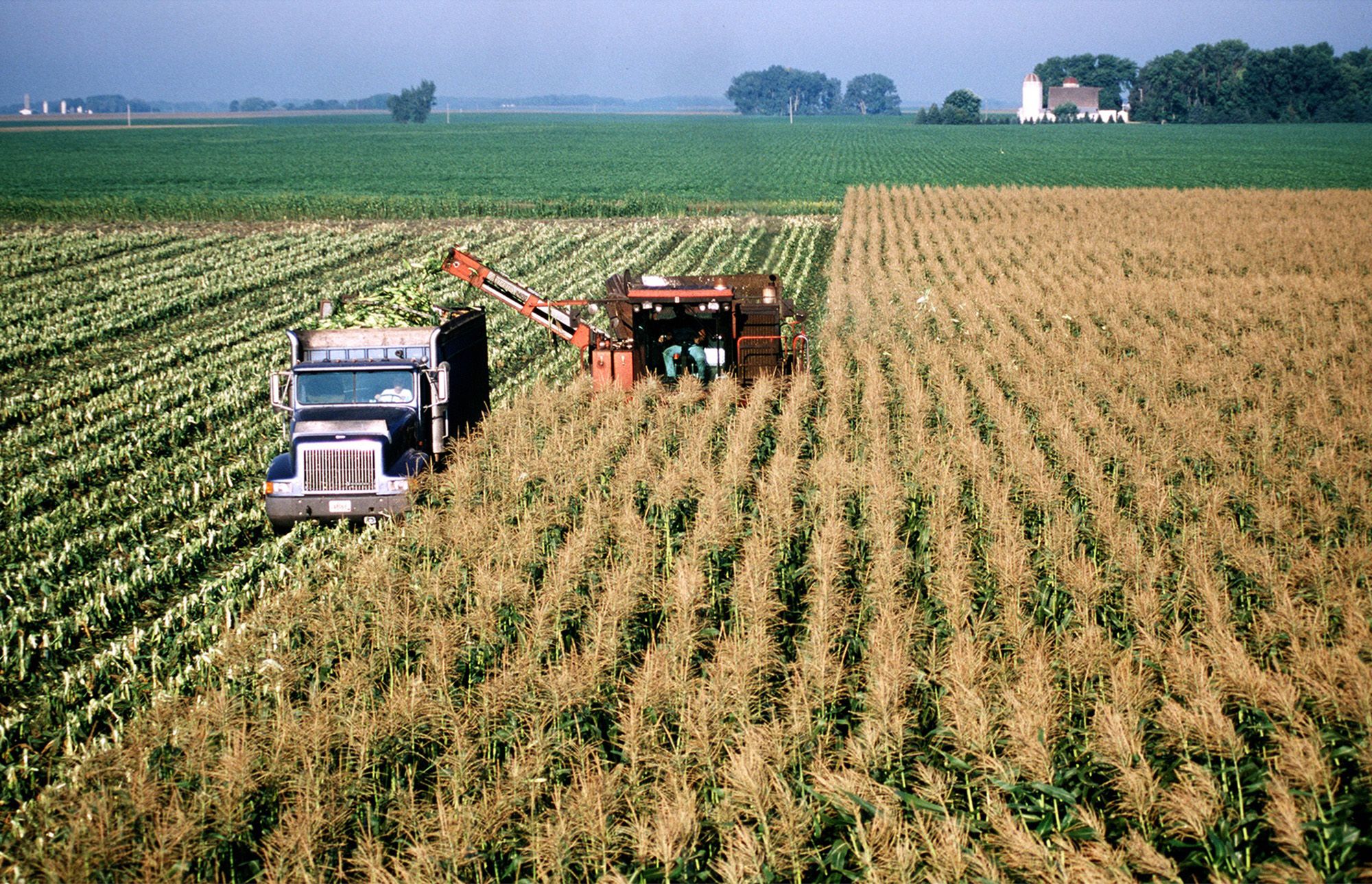
Minnesota Gov. Tim Walz told reporters he's worried that the trade war could have a lasting impact on the state's agriculture industry, Axios Twin Cities' Torey Van Oot reports.
What he's saying: "I'm nervous about this, especially about our small producers, because we know when these things go bad and people have to sell, we get consolidations," the Democratic governor told reporters Tuesday while visiting a farm in Southern Minnesota.
State of play: Minnesota and Canada are major trading partners, with roughly $1 billion in agricultural products exported and imported across the border in 2023.
Case in point: The state, which is the No. 2 pork producer in the country, imports almost 750,000 piglets a year from Canada.
- Some of Minnesota's meat products then flow back into the neighboring nation.
Threat level: State agricultural commissioner Thom Petersen said some producers exporting products could see their costs rise by $4 to $8 an acre per year.
Between the lines: Mary Lundell, a sixth-generation farmer growing soybeans in Southern Minnesota, dismissed Trump's suggestion that producers focus on ramping up domestic sales as "not realistic."
- "We're a global economy," she said. "You can't just focus on interior and the U.S. only. That's just not realistic in today's world."
The bottom line: "These tariffs are going to add a lot of stress and a lot of uncertainty to our farmers," Petersen said.
Northwest Arkansas

About 43% of Arkansas' exports went to Canada and Mexico in 2022, Axios NW Arkansas' Worth Sparkman reports.
By the numbers: Combined, rice and meat made up 10% of the state's exports to Canada that year.
- Dairy, meat and wood pulp made up 34% of the state's trade to Mexico.
- All agricultural products — rice, chicken meat, soybeans and meal, and cotton — shipped abroad in 2024 were valued at $4.3 billion.
What they're saying: Peter Bachmann, president and CEO of USA Rice, told Arkansas growers last week that the trade organization backed President Trump's tariff plan.
- "We want to see U.S. rice on our shelves and not all of that imported rice, and the only way we're going to be able to turn that around is through kind of embracing the reciprocal tariffs that the president has talked about putting in place," Bachmann said, according to the Arkansas Democrat-Gazette.
The intrigue: In February, the CEO of the largest U.S. meat and poultry producer, Tyson Foods, said in a call with investors the company considered possible tariffs when it lifted its forecast guidance by $100 million for the year.
Ohio
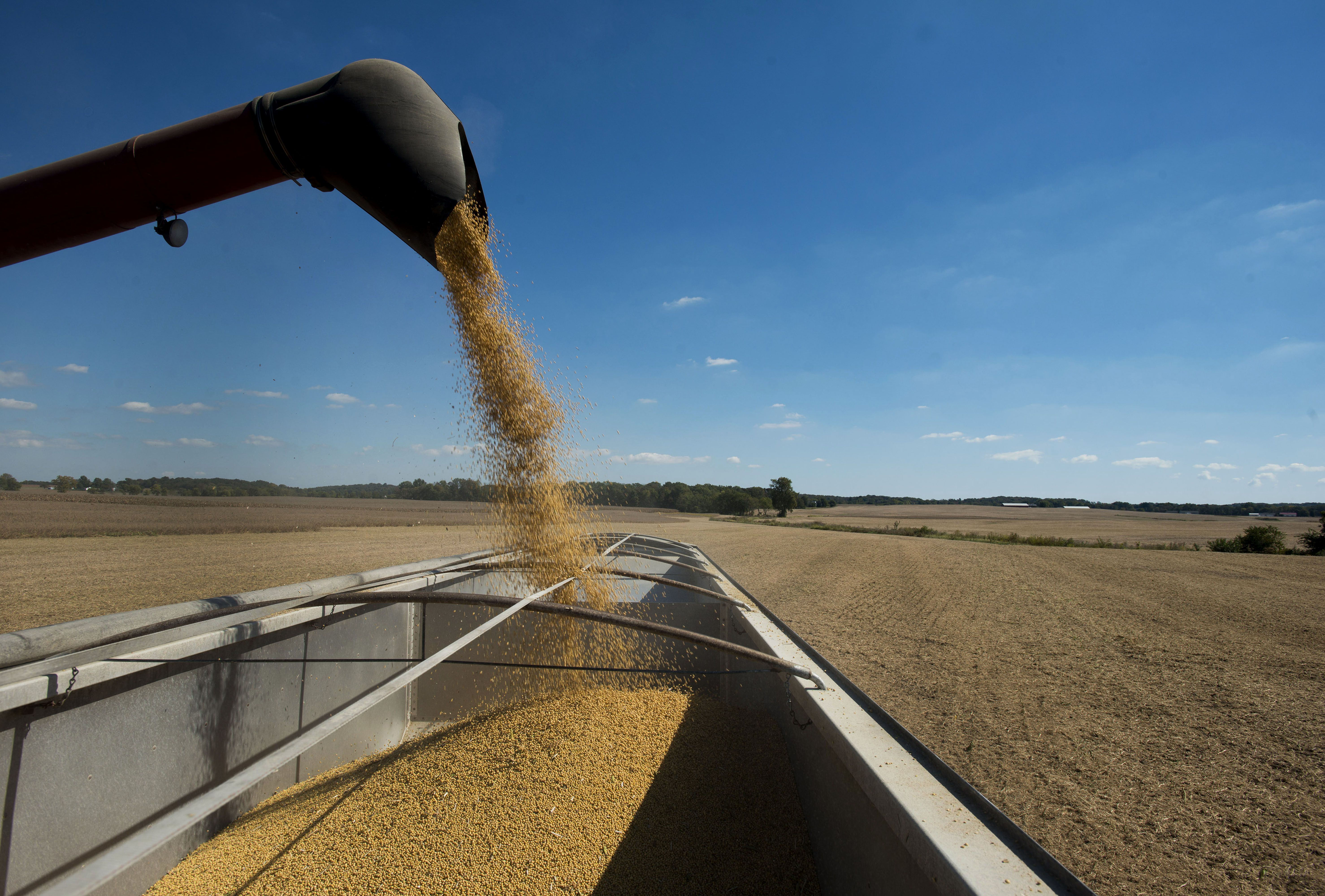
Buckeye state ag leaders are gearing up for what they hope isn't a repeat of how tariffs affected farmers in 2018, Axios Columbus' Alissa Widman Neese reports.
What they're saying: "Canada and Mexico are Ohio's two largest markets for agricultural commodities like corn, soybeans, wheat, dairy, pork and beef," Ohio Farm Bureau spokesperson tells Ty Higgins tells Axios.
The big picture: Soybeans are Ohio's top-produced crop. When Trump imposed tariffs on China in 2018, it launched a trade war and retaliatory tariffs and soybeans were the "prime casualty," per the American Soybean Association.
Reality check: While trade is a concern, "there is greater concern for the agriculture sector about what we ship out, should retaliation to possible tariffs occur," Higgins says.
- "We are concerned that tariffs can lead to retaliation against U.S. agricultural exports. This can result in restricted markets and lower prices for farmers."
The bottom line: Higgins says 20% of farm income comes from export markets.
- "After a nearly 30% drop in farm income over the past three years, more uncertainty is not helpful to Ohio farmers."
Pennsylvania
Pennsylvania is the nation's 23rd largest agricultural exporter, according to the USDA, with all agricultural products shipped abroad in 2022 valued at $2.6 billion.
What they're saying: Pennsylvania's Farm Bureau deferred to a statement from American Farm Bureau president Zippy Duvall.
- "For the third straight year, farmers are losing money on almost every major crop planted. Adding even more costs and reducing markets for American agricultural goods could create an economic burden some farmers may not be able to bear."
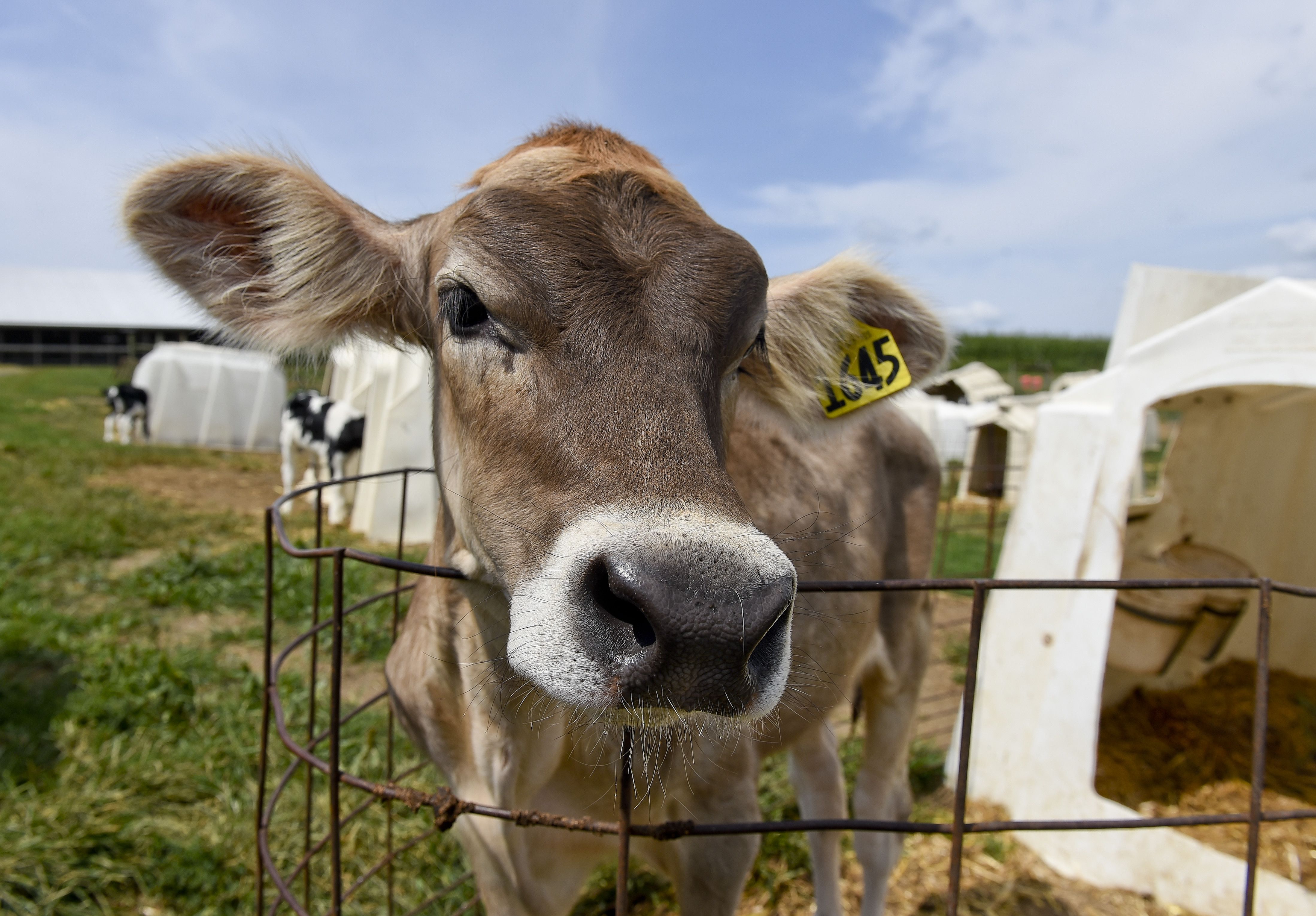
By the numbers: 5,000 dairy farms are in Pennsylvania, which is the second-most of any state. The dairy industry contributes almost $12 billion to the state's economy annually, Axios Pittsburgh's Chrissy Suttles reports.
- Pennsylvania agriculture contributes nearly $133 billion to the state's economy annually and supports more than 593,000 jobs.
- The state's top exports include dairy, corn, soybeans, feeds, grain and other plant products like sweeteners, horticulture products, planting seeds, cocoa and coffee.