Grow what you eat: Chicago homesteader shares garden tips


Add Axios as your preferred source to
see more of our stories on Google.
Illustration: Allie Carl/Axios
You don't need acres — or even a private yard or deck — to become a bit more self-sufficient, according to South Side homesteader Kristin Burke.
Why it matters: Some people are leaning into lifestyles such as homesteading in attempts to improve their health and make environmentally friendly choices.
How it works: Generally, homesteading is when someone intentionally produces something (like food) for their own consumption.
- The fine print: The term homesteading comes from troubled roots, during a time when settlers displaced Native Americans from their land.
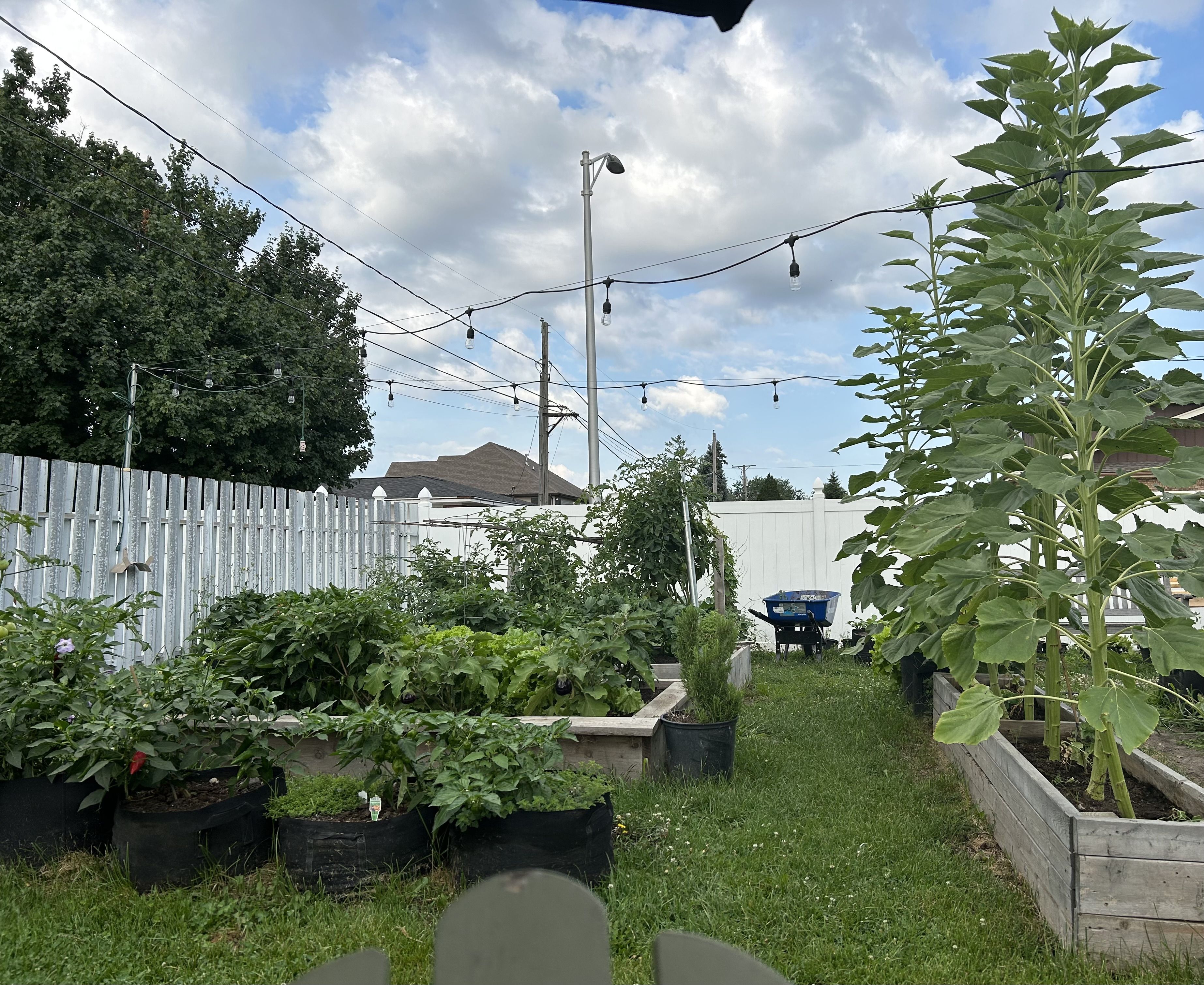
What they're saying: Over the years since 2009, Burke's grown peppers, tomatoes, basil and more veggies and herbs in homes with and without a personal backyard to feed her children "clean" food.
City dwellers like Burke can also garden on patios and rooftops using grow bags and vertical trellises, or in their window sills with grow lights, she tells Axios.
- If you don't have space to grow produce, try a nearby community garden.
The big picture: In a 2022 Homesteaders of America survey, roughly 40% of homesteaders reported adopting the lifestyle within the last three years.
- History suggests people turn back to the land during times of crisis or economic turbulence, says Jason Strange, author of "Shelter From the Machine: Homesteaders in the Age of Capitalism."
- During the pandemic, people feared grocery stores might run out of food, and they were worried about their health.
- Yes, but: It's not all doom and gloom. The joy of learning something new and working with your hands appeals to many, Strange tells Axios.
Reality check: While modern-day homesteading might seem like a romantic lifestyle, it can take a lot of work.
Here are the top lessons Burke learned along the way, and some tips for getting started:
🍽️ Grow what you eat. If you hate cucumbers, don't waste space on them.
🌱 These home features can help: An outdoor hose or drip system, shade and an area to store your supplies.
🍅 Soil quality matters. Check out local landscaping companies for deals, and mix the soil with mushroom compost, plant starter food, and bone meal before planting any seeds or seedlings.
👩🌾 Consider working with a garden consultant (Burke has offered the service in the past) to maximize your space or dial in on your goals.
- "For some, it's feeding their family and offsetting the rising cost of groceries. For others, it may just be to grow fresh summer tomatoes," Burke says.