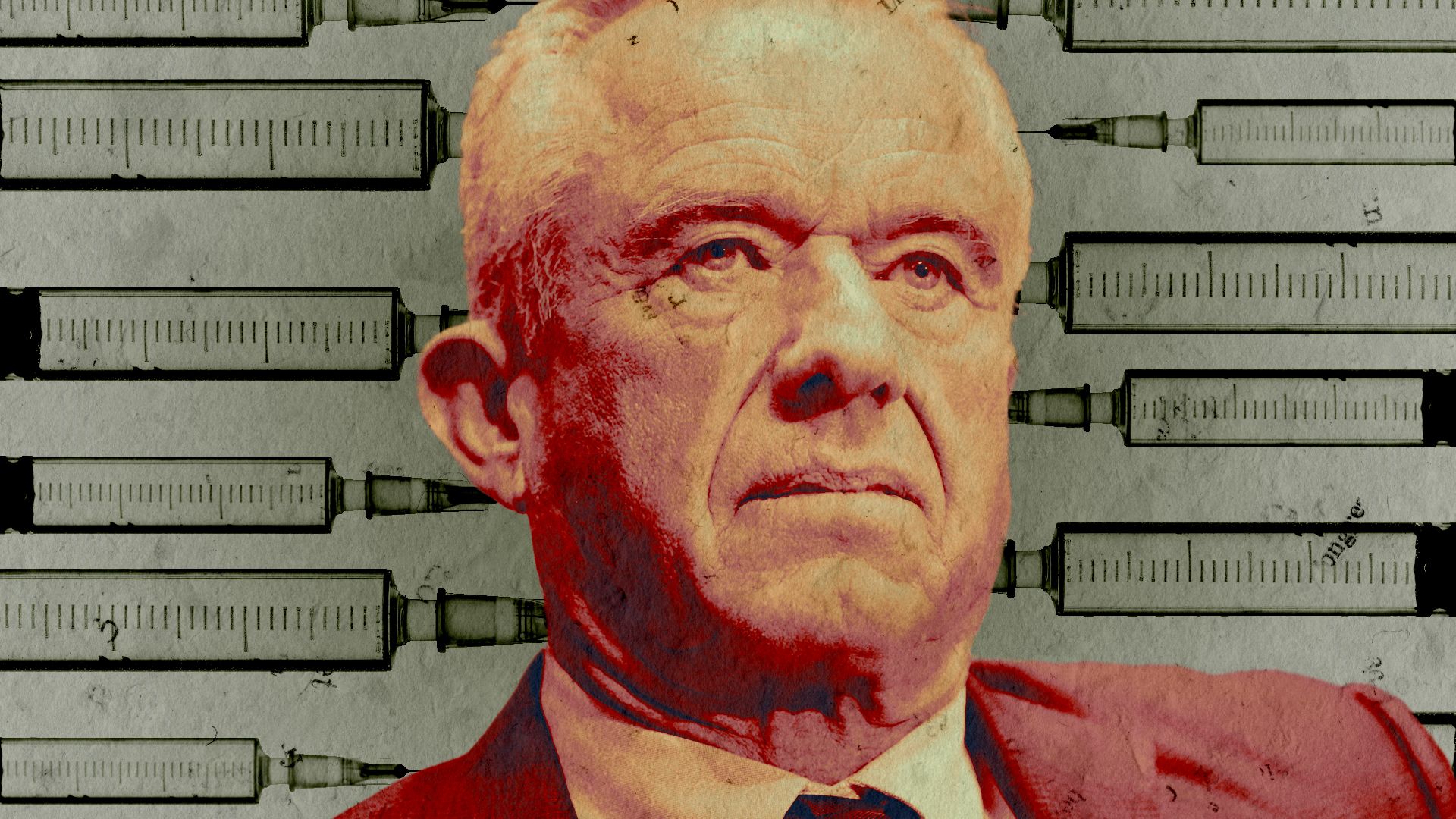
Health Secretary Robert F. Kennedy Jr. on Thursday returned to the the anti-vaccine group he founded, using a keynote address to signal the Trump administration isn't done questioning the safety of routine shots and expanding carveouts to federal mandates.
Why it matters: Though Kennedy avoided some of his most politically incendiary rhetoric, the speech made clear that the Department of Health and Human Services is working hard behind the scenes to continue reshaping federal vaccine policy.
The explosive growth in payment disputes between insurers and providers that go to arbitration — and the associated costs — are prompting a chorus of calls to overhaul the No Surprises Act.
Why it matters: Though there's mounting evidence the process for resolving contested claims is driving up health care costs, it's hard to see a resolution anytime soon.
About 25% of Americans don't think measles vaccines for children are safe, according to new polling.
Why it matters: The U.S. is experiencing its highest number of measles cases in decades as childhood vaccination rates decline and Trump administration officials continue to cast doubt on vaccine safety.
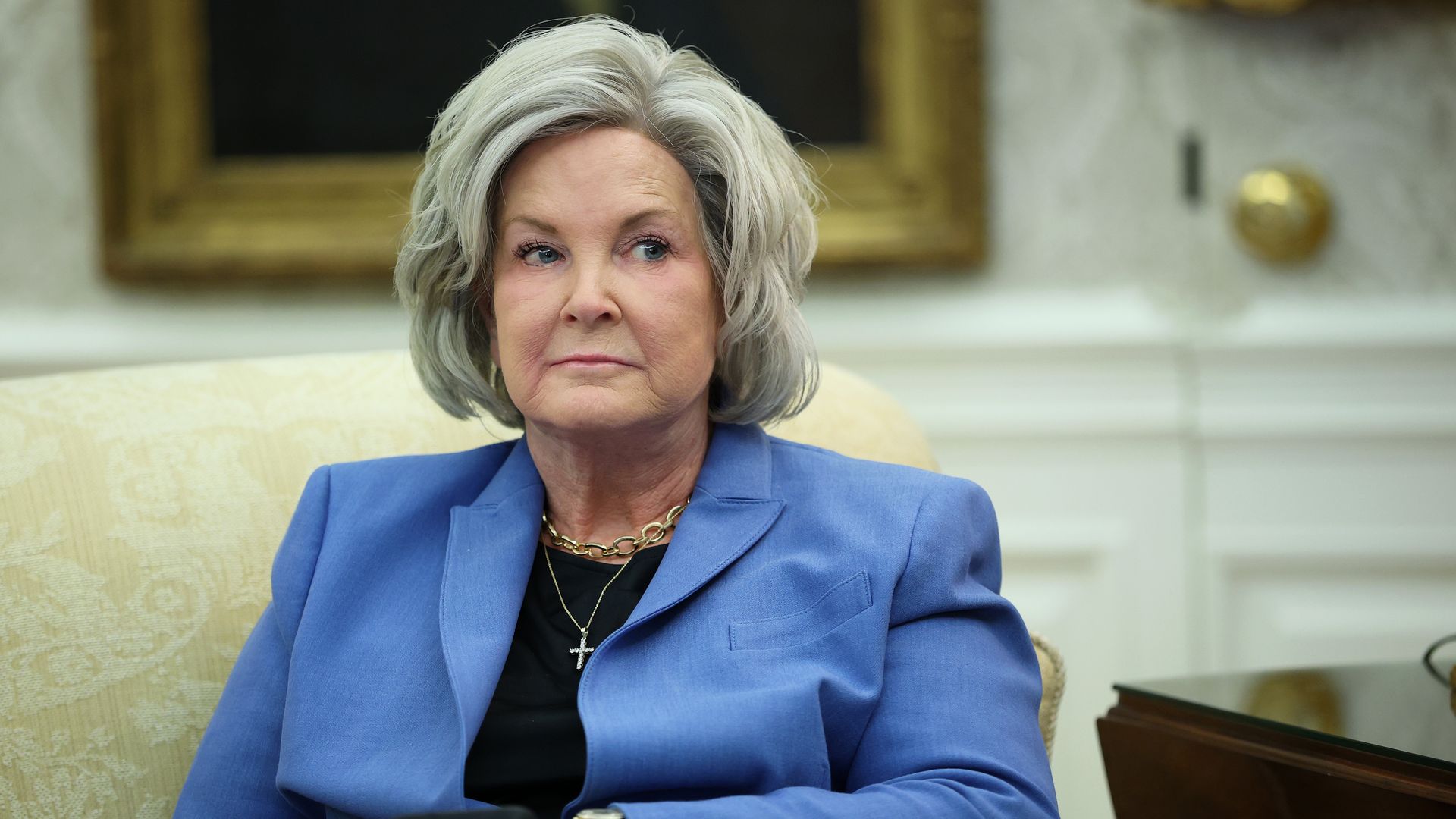
White House Chief of Staff Susie Wiles announced Wednesday she is cancer free.
The big picture: Wiles, President Trump's most trusted adviser, announced in March that she had early stage breast cancer, but planned to stay on the job as she sought treatment.
Curing disease is one of AI's most tantalizing use cases, fetching billions of VC dollars, but thus far it's generated more excitement than evidence.
That's the thrust of a peer-reviewed paper published in Nature Reviews Drug Discovery, which calls the clinical impact of AI "disappointingly limited."
The big picture: The researchers find that while AI has gotten good at identifying drug candidates, it hasn't done much to prove those predictions will survive the complexity of human biology.
Microsoft AI chief Mustafa Suleyman warns in a new essay shared first with Axios that Anthropic's training of Claude to imitate consciousness is a mistake that could make advanced AI harder to control.
Why it matters: The essay arrives amid a pitched debate over how best to make AI safer.
The Food and Drug Administrationis launching a pilot program intended to speed up the process of bringing new drug candidates from discovery into human clinical trials.
Why it matters: Early-stage drug development in China is cheaper and faster than in the U.S., and that's one reason China has quickly become such a formidable competitor within the biotech sector.
There's widespread agreement among experts that for the U.S. to maintain its competitive edge, it needs to streamline its drug development process.
The pilot is part of Operation TrialBlazer, the Trump administration's initiative to restore American leadership in clinical trials.
Driving the news: The pilot envisions partnering drug companies with qualified research institutions that will help them submit new drug applications to the agency.
The FDA would review components of the application on a rolling basis, rather than waiting for a full submission to begin a review.
This rolling review will "creat[e] certainty and reduc[e] unnecessary delays," Karim Mikhail, director of the FDA Center for Biologics Evaluation and Research, told reporters.
The agency will select up to 10 pairings of drug sponsors and research institutions for the pilot.
What we're watching: The agency said the pilot could potentially inform efforts to establish a formal accreditation model in the future, which would recognize research institutions capable of supporting drug development.
Our thought bubble: A pilot program is, at the end of the day, limited and experimental. But lessons learned will drive future policy, and early-stage development has emerged as a clear area in need of improvement if the U.S. wants to keep up with China.
The odds of a child or teen being uninsured can vary a lot depending on where they live and their ethnicity, according to new census data.
Why it matters: The rate of uninsured children has been generally ticking upward since the end of the pandemic, and advocates and policy experts expect the trend to continue due to Medicaid policy changes from last year's congressional budget law.
U.S. household income hit a record in 2025, but the lowest earners barely shared in the gains, new Census data show.
Why it matters: On paper, Americans look richer than ever. But broader measures of financial security show millions still getting squeezed by medical costs, uneven income gains and a thinning public safety net.