All 50 states are in line to get "most favored nation" prices for certain Medicaid drugs under an arrangement projected to save state governments $27.6 billion, President Trump announced on Friday.
Why it matters: It's the latest extension of Trump's drug pricing deals with major manufacturers, which the president is touting as one of his signature health care accomplishments ahead of the midterm elections.
The U.S. Postal Service has slowed down mail deliveries so much it's failing to meet even its lowered performance targets, a new report from the Government Accountability Office found.
Why it matters: The Postal Service is part of the connective tissue of American life: delivering prescription drugs and ballots, carrying government notices and bills, helping businesses reach customers across the country.
Now its attempts to shore up its finances are disproportionately affecting rural communities.
The Department of Health and Human Servicesis releasing a forecast of its demand for personal protective equipment, giving American manufacturers predictability and strengthening supply chains, the department first told Axios.
Why it matters: The COVID pandemic exposed America's dependence on other countries for manufactured goods like PPE and prescription drugs, and there's sustained interest in changing that.
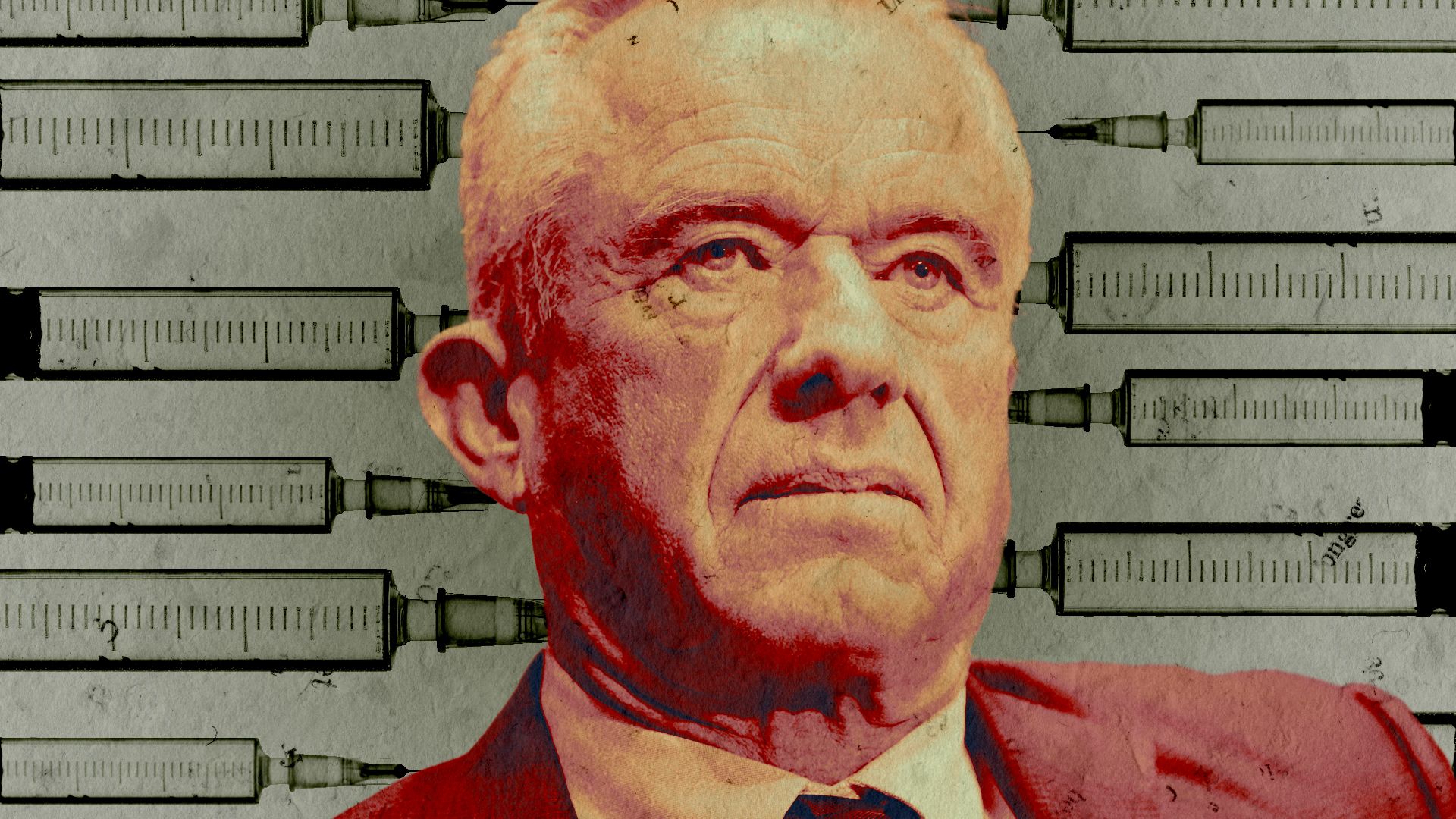
Health Secretary Robert F. Kennedy Jr. on Thursday returned to the the anti-vaccine group he founded, using a keynote address to signal the Trump administration isn't done questioning the safety of routine shots and expanding carveouts to federal mandates.
Why it matters: Though Kennedy avoided some of his most politically incendiary rhetoric, the speech made clear that the Department of Health and Human Services is working hard behind the scenes to continue reshaping federal vaccine policy.
The explosive growth in payment disputes between insurers and providers that go to arbitration — and the associated costs — are prompting a chorus of calls to overhaul the No Surprises Act.
Why it matters: Though there's mounting evidence the process for resolving contested claims is driving up health care costs, it's hard to see a resolution anytime soon.