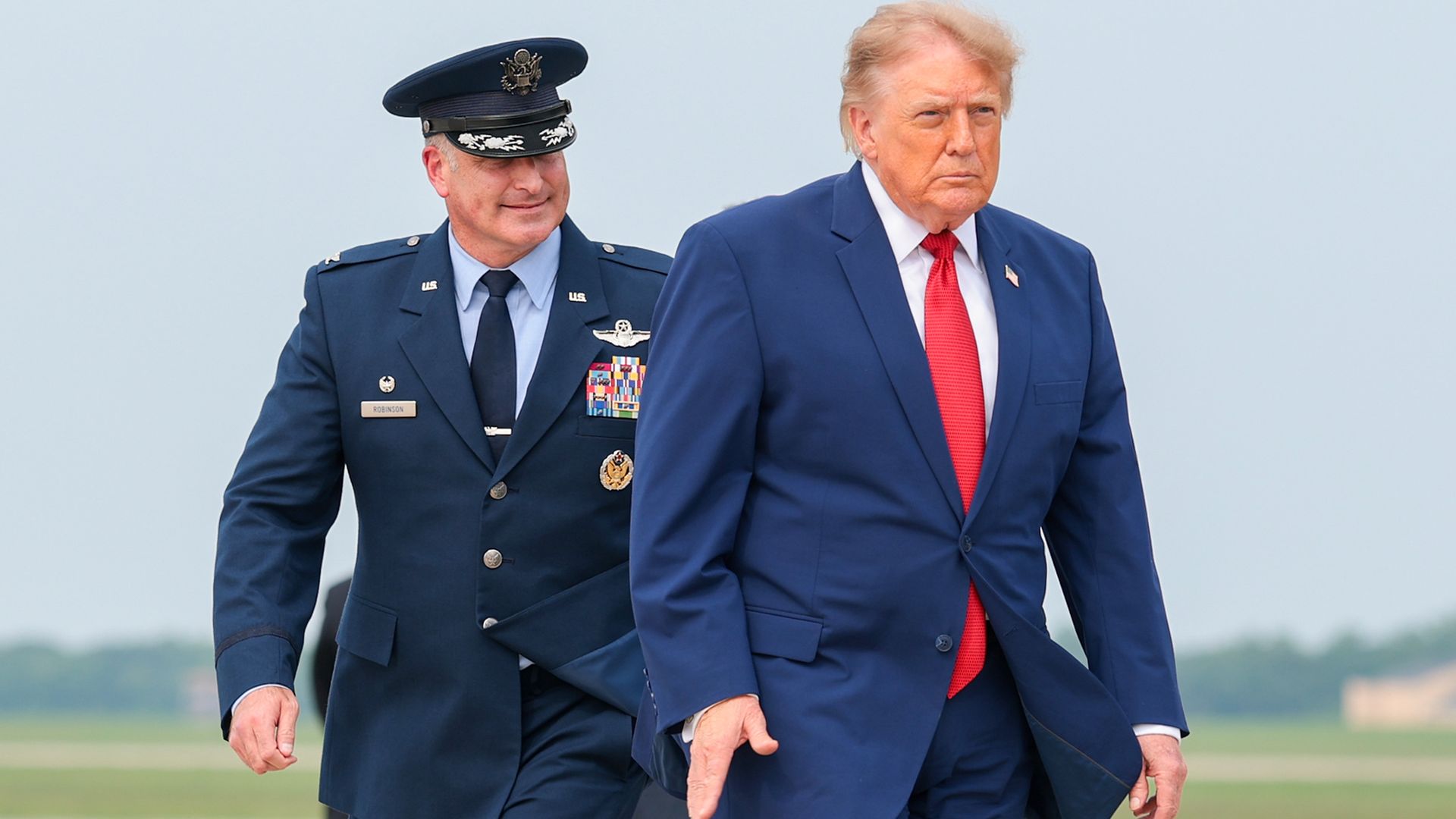
President Trump said Friday that he isn't concerned about the state of the USS Abraham Lincoln, despite calls from lawmakers to investigate reports of mental health issues for those onboard.
Why it matters: The San Diego-based aircraft carrier has been deployed for nine months, and numerousreports have indicated that crew members' families are concerned about a lack of food and other basic supplies.
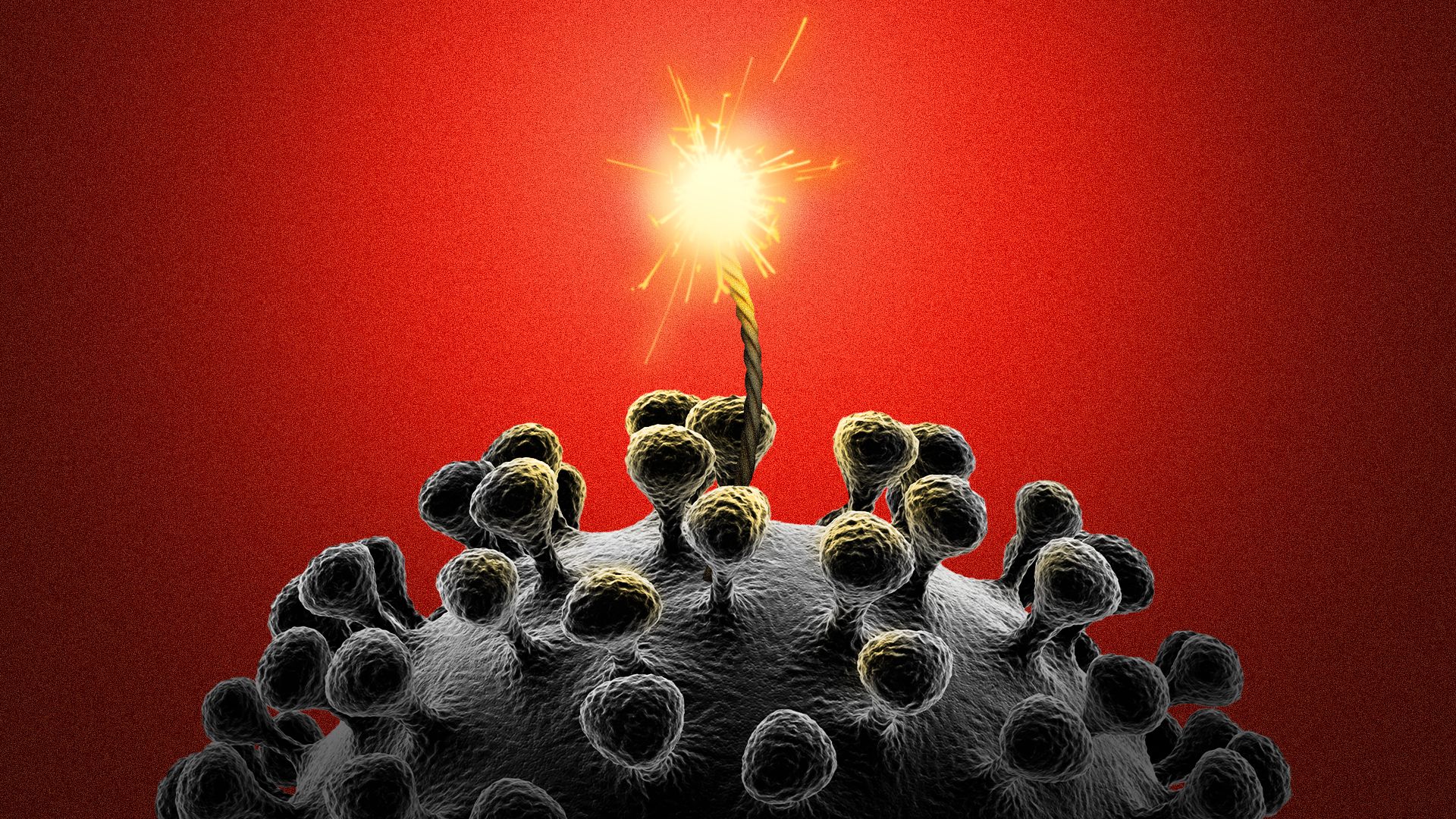
What's the commonthread connecting AI advances, biological breakthroughs, a preponderance of high-risk-high-reward research, escalating geopolitical tensions and a hollowed-out U.S. public health sector?
They all heighten the risk that one day a lethal human-made pathogen will emerge, either accidentally or intentionally, and we won't be ready for it.
Why it matters: The same advances that make this a pivotal moment for medical innovation are intensifying the risk of catastrophic lab mishaps, though how significant a risk is hotly debated by experts.
"It is a very small tweak from trying to target a disease, and making gene therapies to try to target a disease, to turning a virus into something that can be much more detrimental," said Ashish Jha, the Biden administration's COVID response coordinator.
He has since founded a company that aims to detect emerging biological threats.
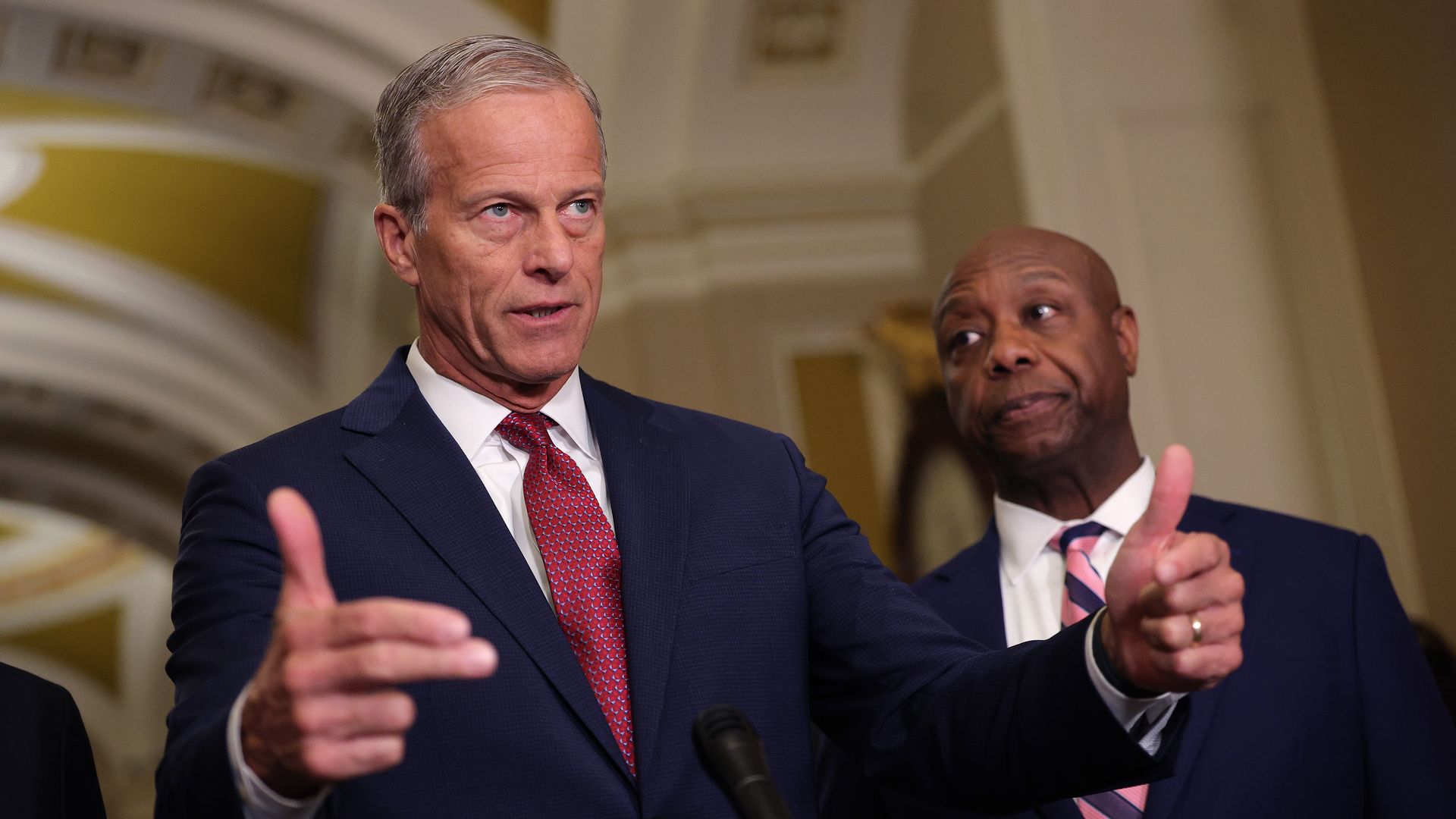
President Trump's top political hands had some surprising advice for Senate Republicans last week: Talk more about health care.
Why it matters: Trump and the MAGA base are fixated on the voter-ID and proof-of-citizenship SAVE Act. But Republican message testing from Trump's own pollster suggests candidates are better off focusing elsewhere.
OpenAI's nonprofit arm is committing $100 million toward a public health effort built around using advanced artificial intelligence to help expand treatment rates for Hepatitis C, HIV, and other conditions.
Why it matters: Hepatitis C is curable in more than 95% of patients, but about two-thirds of Americans living with the liver disease remain untreated and about 40 die each day, officials behind the effort said.
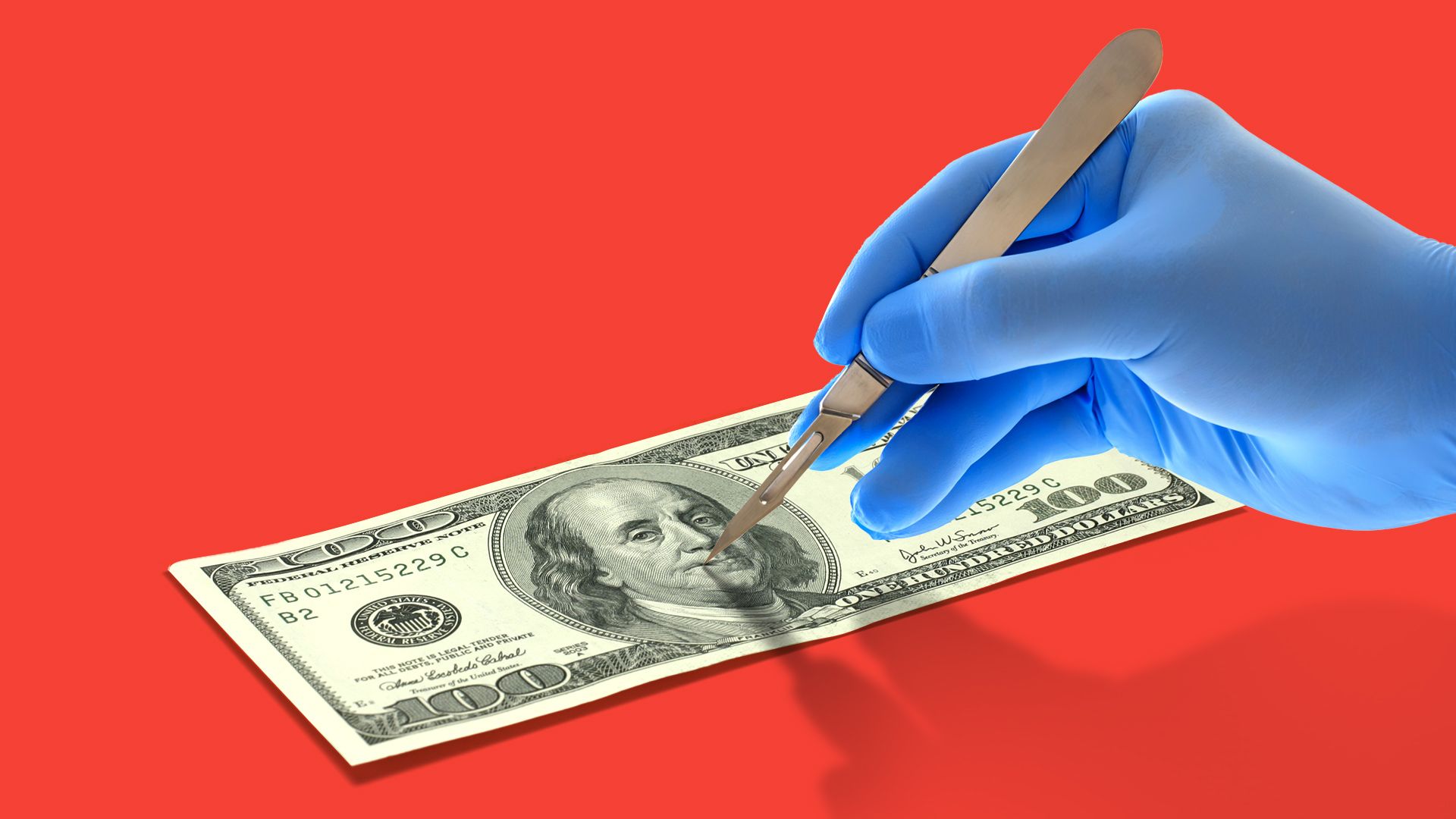
An overhaul of how Medicare pays hospitals for joint replacements could pare hundreds of millions of dollars in program spending while getting facilities to pay closer attention tothe cost and quality of care.
Why it matters: It's an under-the-radar example of how hospitals are the health sector that's being most rocked by the policy changes of President Trump's second term.