Medicare is launching a pilot program that tests whether health tech companies — including those that heavily rely on AI — can lower medical costs while improving care.
Why it matters: We've discussed why many experts think AI will actually increase health care costs in the near term in part by generating more health care and making spending levels even more unsustainable.
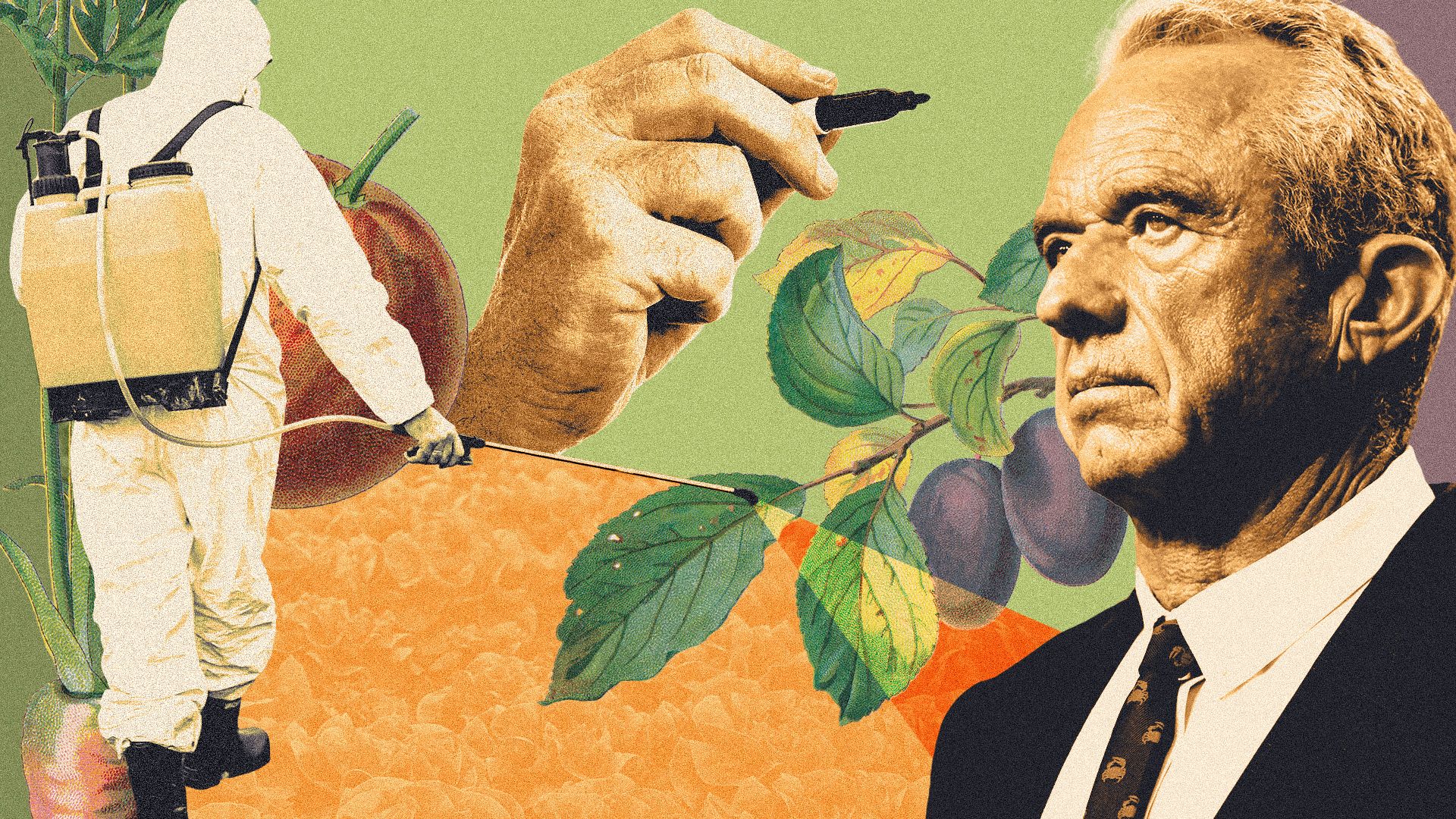
Tensions over pesticide use erupted in an Oval Office meeting last week, as a top agriculture lobbyist warned President Trump that an executive order calling for pest-killing alternatives would cost Trump support from farming interests.
Why it matters: The confrontation, which one attendee called "shocking," exposed a sharp fault line in Trump's coalition — the push by Robert F. Kennedy Jr.'s MAHA movement to reduce conventional pesticides vs. farming interests determined to preserve them.
Doctors are reporting new shortages of widely used generic cancer drugs, prompting fears that some treatments will need to be delayed or rationed.
Why it matters: The shortage is reminiscent of a cancer drug crisis three years ago that affected oncology patients' ability to get timely access to chemotherapies.
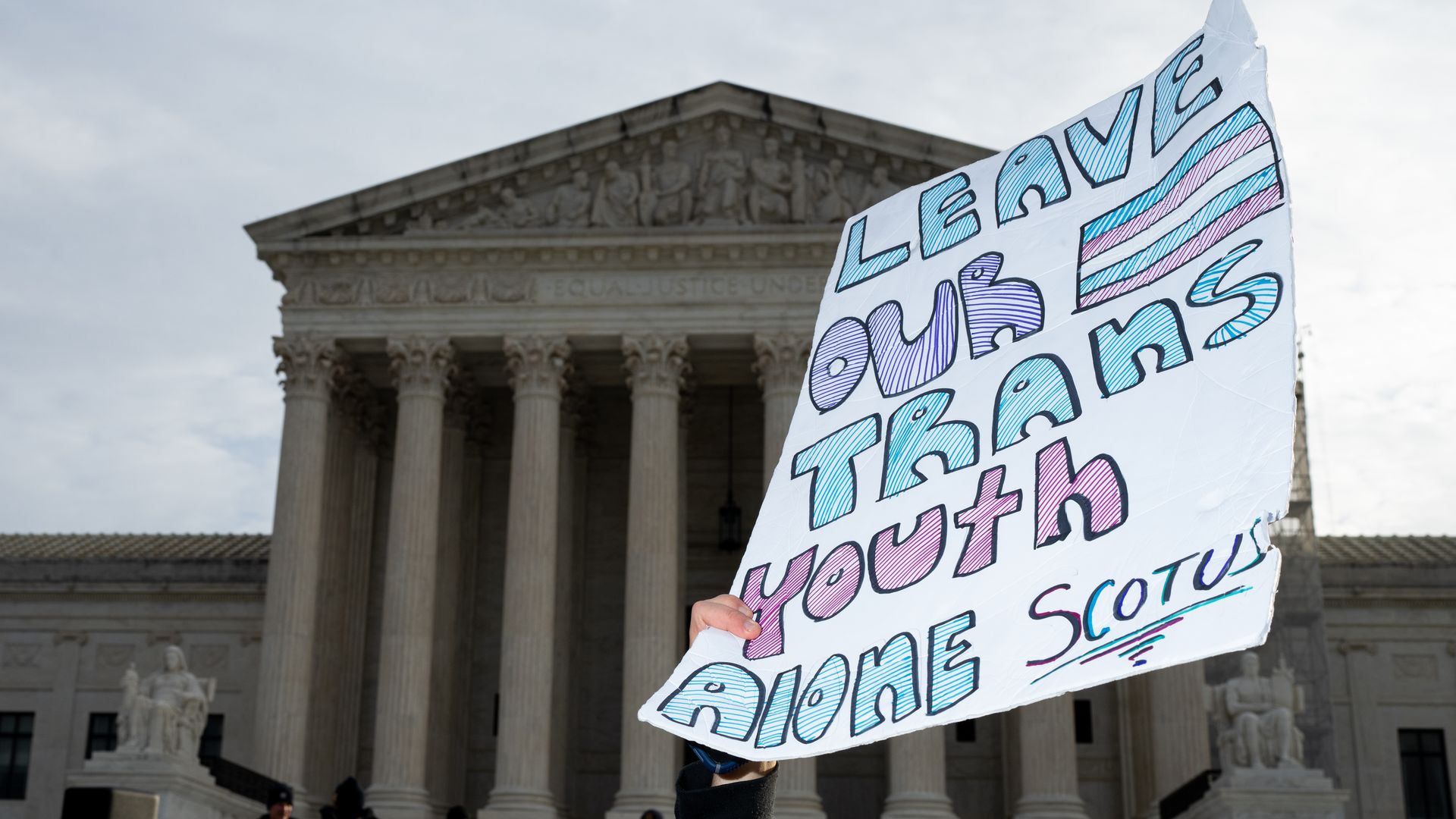
The Supreme Court on Tuesday declined to impose a nationwide ban on transgender athletes while upholding state laws barring transgender girls from girls' sports teams, setting up the next legal fight over trans-inclusive policies.
Why it matters: The ruling leaves transgender-inclusive policies in some states intact for now, shifting the next legal battle to states and schools defending those policies against legal challenges and pressure from the Trump administration.
An influential conservative think tank is issuing a new call for policy changes that would lower the federal government's health care spending, including several that would be guaranteed to generate political blowback.
Why it matters: Paragon Health Institute has considerable sway with congressional Republicans and the Trump administration, both in terms of proposing policies and serving as a springboard for key staffers.
Why it matters: What was once a private gesture between partners or parents is becoming a paid service — a sign of how many Americans are seeking human touch and connection amid growing loneliness and isolation.