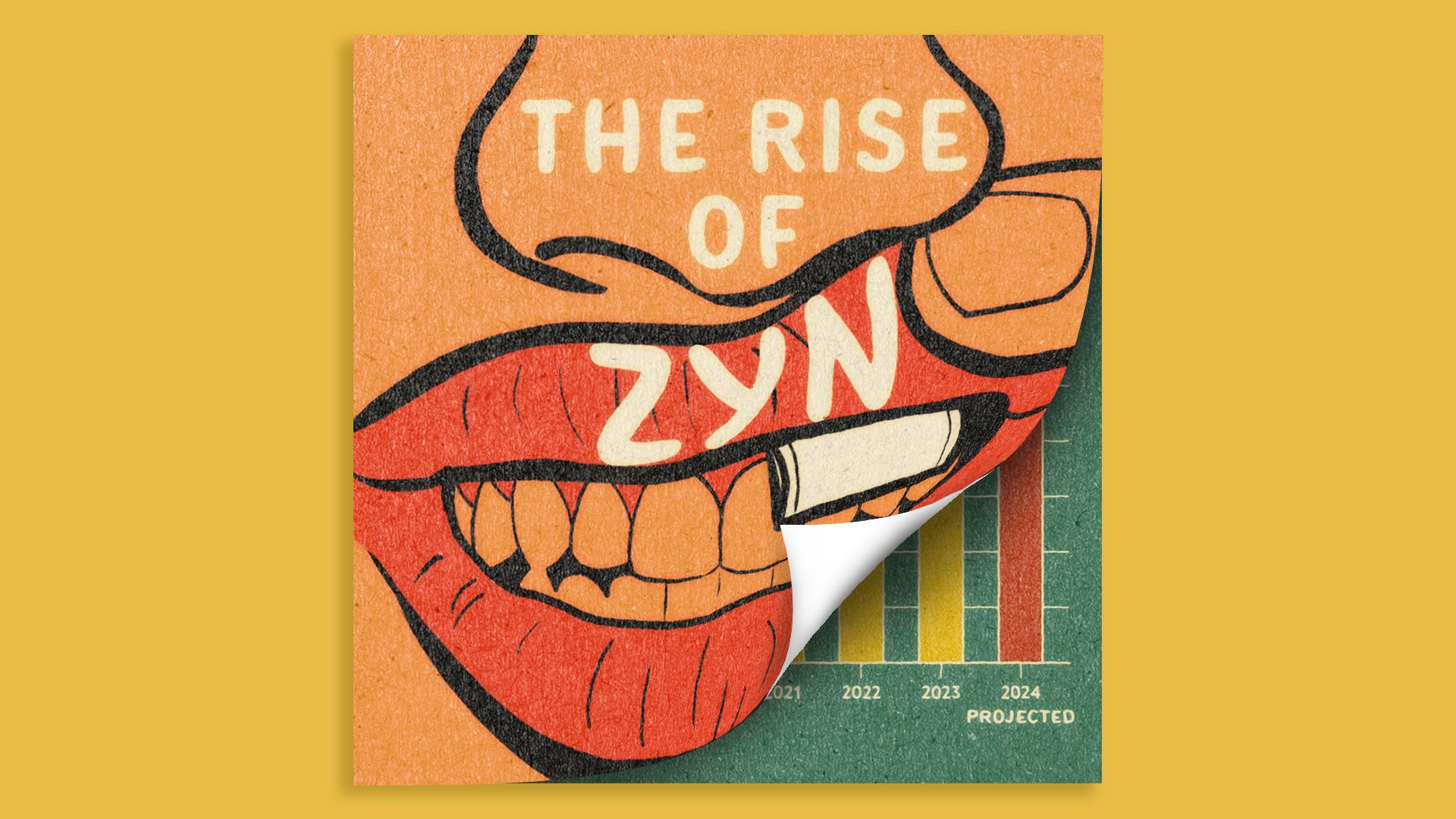
The Food and Drug Administration will announce today that it will allow Zyn nicotine pouches to be marketed as less harmful to human health than cigarettes.
Why it matters: Though scientists generally agree that the language is accurate and the pouches — which contain nicotine but not tobacco — are a safer option for smokers, critics worry about the appeal to young people.
A slew of Trump health nominees are awaiting Senate confirmation hearings — and most have to go through a committee chaired by a senator who recently clashed with President Trump.
Why it matters: While the administration tries to staff up some health agencies after last year's DOGE cuts, top leadership roles remain unfilled.
Half of the states are suing the Trump administration over its directives for implementing Medicaid work requirements, arguing that exemptions for sick people are too narrow and violate administrative law.
Why it matters: Democrats contend the administration's rules will jeopardize care for some of the frailest Americans and cause more upheaval in states that already are rushing to implement the requirements by Jan. 1.
Nursing homes and other providers of senior care are predicting upheaval and cutbacks in the wake of last week's Supreme Court decision to terminate temporary protected status for Haitian and Syrian immigrants.
Why it matters: Individuals who in some communities represent 8% or more of the staff and caregiving workforce could quickly lose their jobs, with no replacements at the ready, provider groups say.
The Trump administration wants to formalize the process for recording whether Medicare patients want to be kept alive if they become incapacitated.
Why it matters: Health providers have been required to ask about living wills and other "advance directives" since the early 1990s. But the questions are often skipped — or become a box-check in the admissions process.
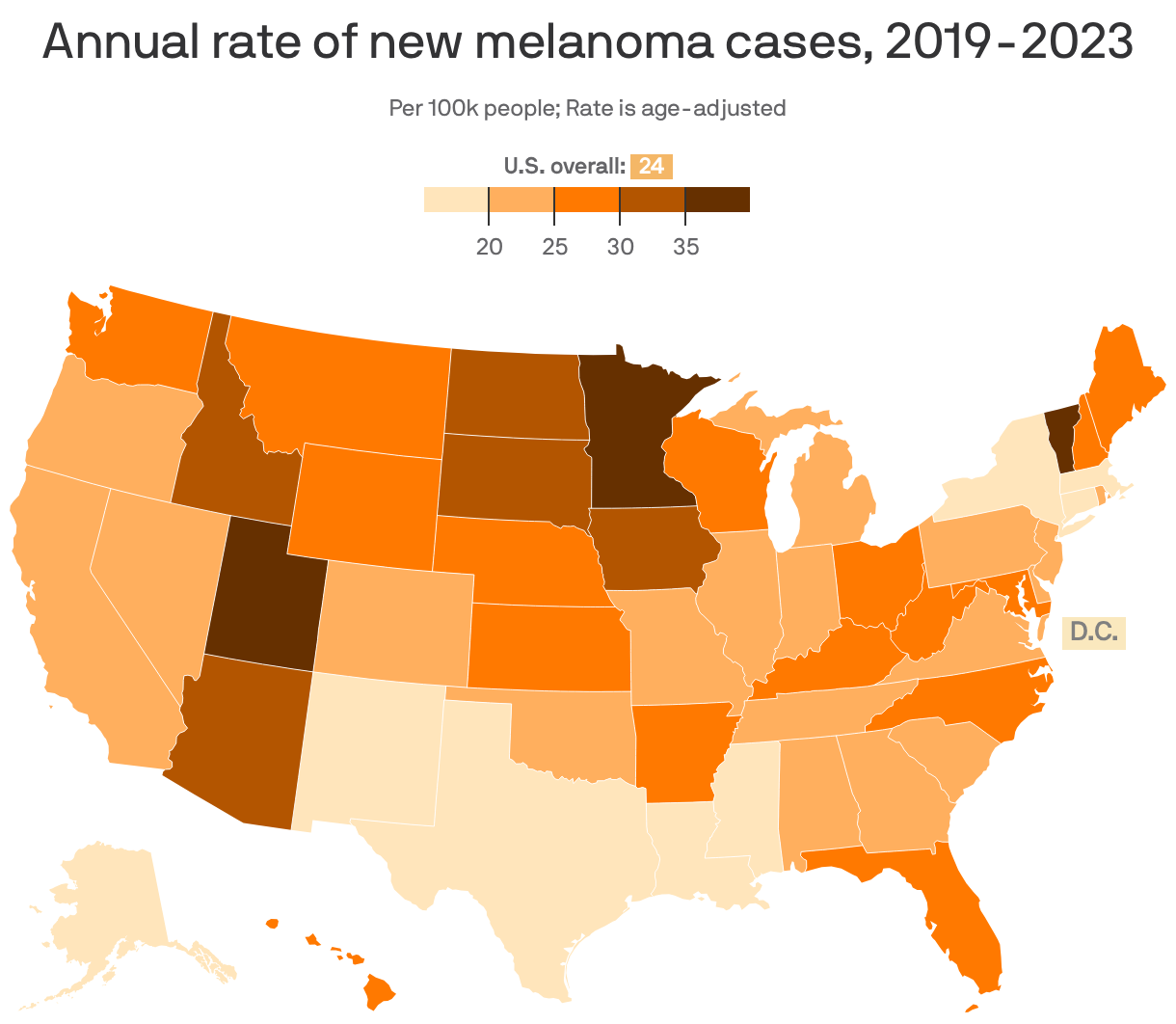
State of play: The states with the highest numbers aren't necessarily the sunniest. Differences in screening, demographics and behaviors like indoor tanning all help explain the rates.
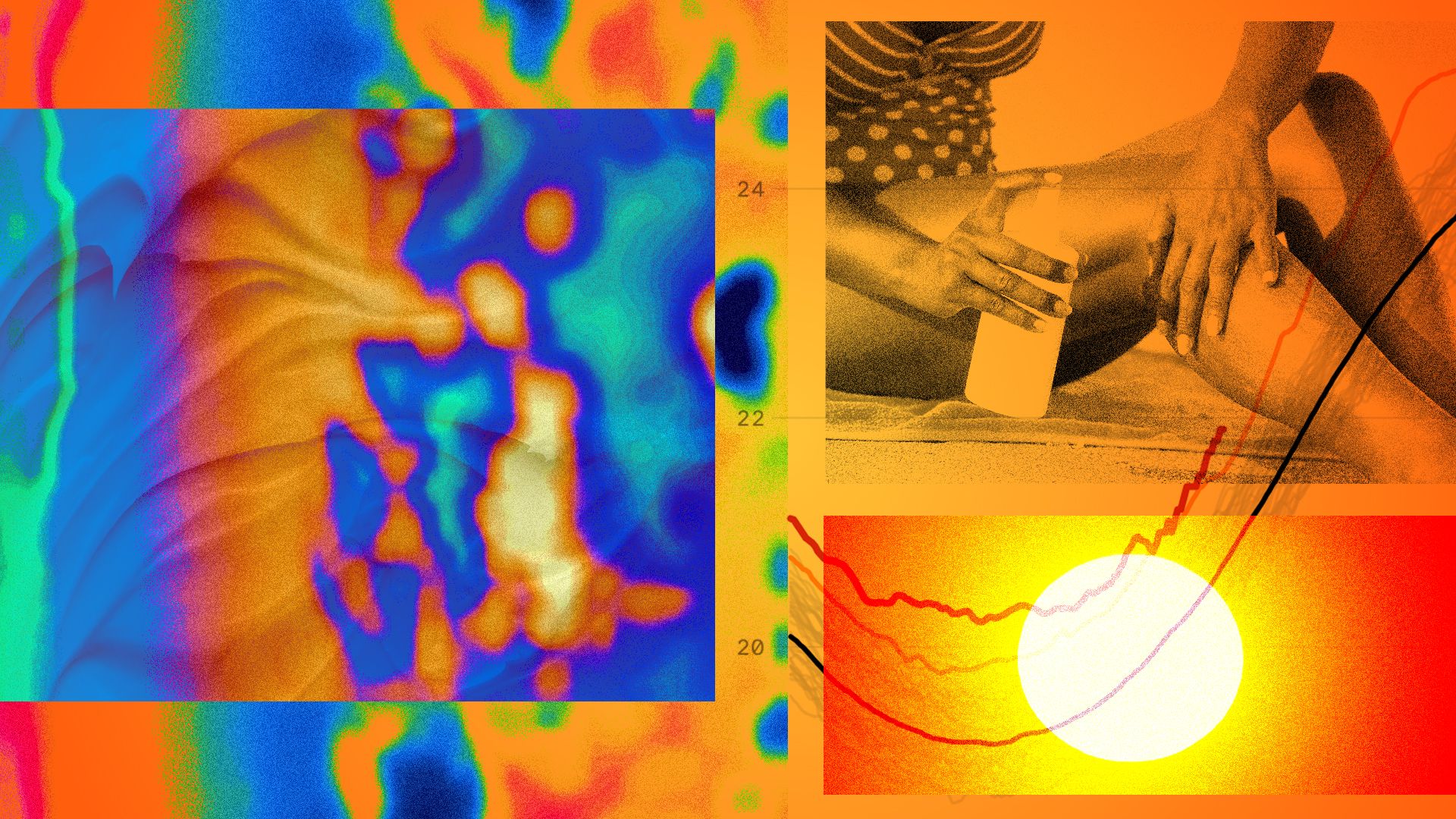
A dangerous peptide marketed online as a sunless tanning shortcut is resurfacing.
The big picture: Melanotan II — nicknamed the "Barbie drug" because it can also suppress appetite — mimics a hormone that tells the body to make more melanin.
Why it matters: Even as SPF products now promise better coverage than ever, people are deliberately chasing tans. That's not only unsafe but also at odds with the culture's anti-aging skin care obsession.