Sunday's health stories

Empathy is the new Christian battleground
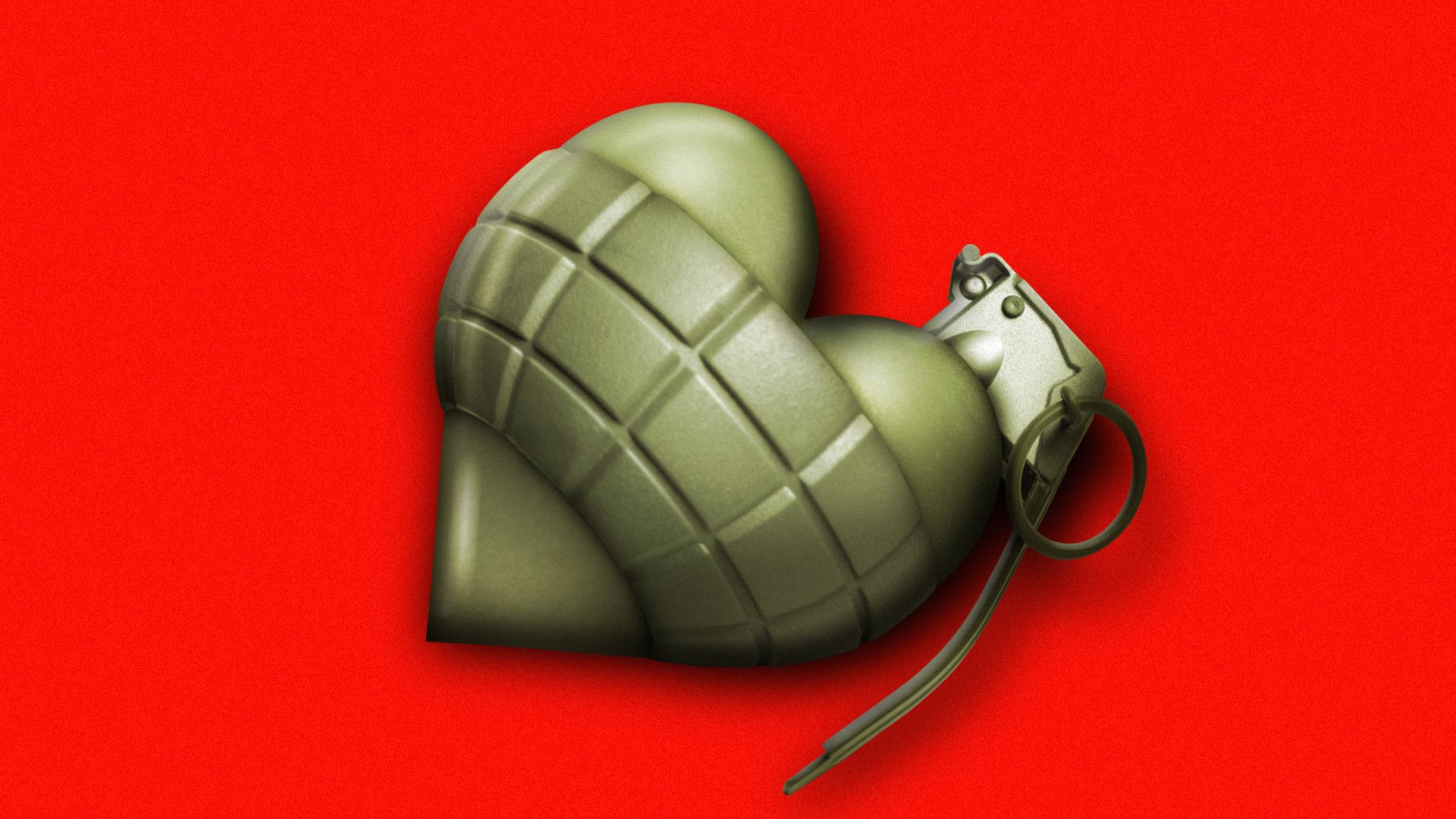
As the U.S. grows more diverse, a quiet civil war is unfolding within American Christianity over who deserves empathy.
Why it matters: Conservatives ranging from evangelical pastors to Elon Musk have started framing empathy not as a virtue but as a vulnerability on immigration, racial justice and LGBTQ+ rights.

How to save (for) your retirement
Retirement seems scariest before you take the leap, experts say. But there are things workers can do now to prepare and feel less anxious — no matter your age:
The big picture: Take a look at the numbers.
- Make a budget, and figure out what you need. Take everything into account — not just your retirement account, but housing wealth too, if you have it.
- "It's important to step back," says Kerry Hannon, co-author of the recently published book, "Retirement Bites: A Gen X Guide to Securing Your Financial Future."
Save money. It's obvious but worth repeating. Take advantage of those 401(k)s and any kind of employer match. If you're older and need to catch up, increase your contributions if you can.
- "It's really when people get into their 30s that ramping up their retirement contributions makes sense," Andrew Biggs, an economist at the American Enterprise Institute, tells Axios. "Their incomes have risen, so they've got more to save, plus their taxes are higher, so the tax break may be worth more."
- If you don't have a workplace plan, you can set up a plan for yourself. There are options like a SEP-IRA or solo 401(k), says Diane Harris, deputy editor of Kiplinger Personal Finance magazine.
- A key thing to do is automate your contributions, with the money going directly from your paycheck to the account. "Harness the power of inertia," says Harris, who runs the magazine's retirement coverage.
Prioritize paying down high-interest debt. This is especially important for young workers, Biggs says.
- "Lots of research shows debt is the biggest buzzkill for retirees, the big obstacle to happiness," Harris says. "The stress will really get you."
Take care of yourself. Medical expenses are one of the biggest expenses in retirement — get regular checkups, think about nutrition and exercise. "Health is wealth," says Hannon.
Delay. Most experts say to keep working, if you can.
- "For someone who's later in life and hasn't saved enough, delaying retirement is a more powerful tool than saving more," says Biggs, who was principal deputy commissioner of the Social Security Administration in the early 2000s.
- When you continue your job past full retirement age, your Social Security benefit increases by about 7% annually when you do retire. The annual increase stops at age 70. Plus you get a similar increase to your retirement savings courtesy of more contributions and interest, and you reduce the amount you'll need to save.
It's not all about money. Non-financial things matter more for your happiness as you age — health and relationships in particular, says Harris.
- "People make do, and the vast majority of retirees report being pretty happy. People are more resilient than they give themselves credit for."
The retirement crisis is here
A silver tsunami is washing across our shores, as record numbers of Americans start hitting retirement age. The U.S. isn't ready.
Why it matters: Older Americans are living longer than any previous generation and stepping into an unfamiliar, less secure version of retirement.


FDA official threatens tougher standards for vaccines
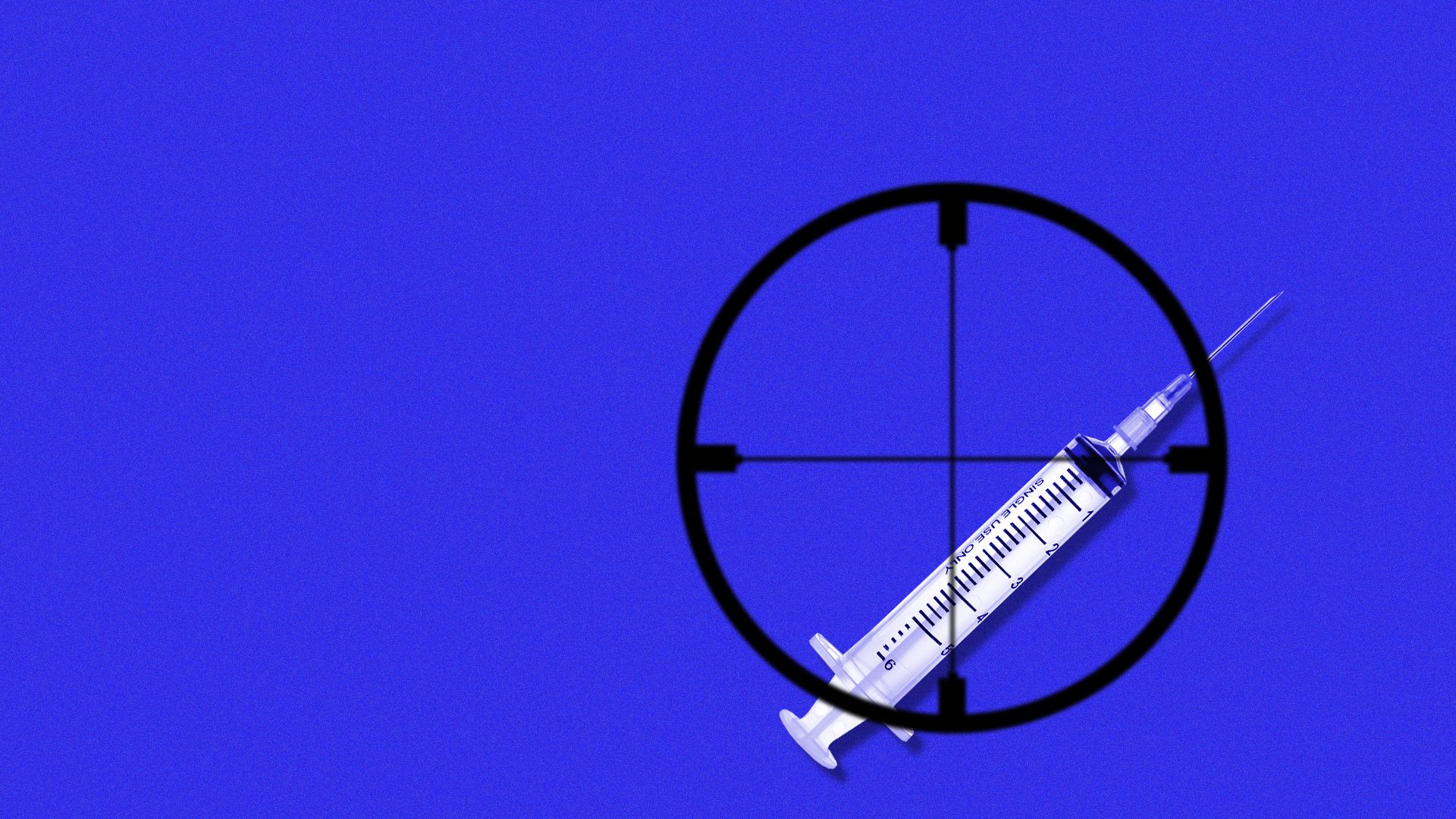
A top Food and Drug Administration regulator called for tighter government vaccine oversight, including stricter guidelines for the annual flu shot and new vaccines, after an internal agency review linked COVID-19 vaccines to the deaths of 10 children.
Why it matters: The findings, which were announced in an internal FDA memo and haven't been published in a medical journal, signal another likely shake-up in vaccine policy.
- This one would extend beyond COVID shots and require more rigorous evidence to approve flu immunizations, inoculations for pregnant women and the practice of administering multiple vaccines.
The big picture: The memo from top vaccine regulator Vinay Prasad comes ahead of a key meeting of Health Secretary Robert F. Kennedy Jr.'s handpicked vaccine advisors next week that will take up a prospective overhaul of the childhood vaccine schedule.
- Kennedy's department has already dropped a broad recommendation that Americans get COVID shots, signaling an official lack of confidence in the safety and efficacy of the vaccines.
Driving the news: Prasad's emailed memo, a copy of which was reviewed by Axios, said no fewer than 10 children's deaths were linked to the vaccines, based on an intial review of 96 deaths between 2021 and 2024 reported to the federal Vaccine Adverse Event Reporting System.
- Prasad called the findings a "profound revelation" and called for swift action, including "pre-market randomized trials assessing clinical endpoints for most new products."
What's inside: The FDA will impose tougher standards for authorizing vaccines for pregnant women, and pneumonia vaccine makers will have to show their products reduce pneumonia (at least in the post-market setting) and don't merely generate antibodies, Prasad wrote.
- "For the first time, the U.S. F.D.A. will acknowledge that COVID-19 vaccines have killed American children," his memo stated.
- The email didn't cite the type of COVID vaccines involved or other key details, including how the agency established the link.
- The vaccine reporting system is a repository of reports of adverse reactions from a wide variety of sources. It isn't designed to assign a cause.
Prasad has long been critical of the vaccines and the federal pandemic response.
- Earlier this year, he abruptly left the agency amid rumored tensions with the White House but was reinstated less than two weeks later with the backing of Kennedy and FDA commissioner Marty Makary.
- In the memo, Prasad states he's "open to vigorous discussions and debate on vaccine policies ... until they are ready to be made public." He instructed staff members within the FDA's Center for Biologics Evaluation and Research who don't agree with these core principles to submit their resignations.
- The Department of Health and Human Services didn't immediately respond to a request for comment.
Between the lines: The memo's findings, first reported by the New York Times, suggests the children's deaths were connected to myocarditis, or inflammation of the heart muscle — a known, but rare, side effect linked to the vaccines since early in the pandemic.
- In 2021, the Centers for Disease Control and Prevention concluded there was a "likely association," especially in adolescents and young adults, but that there still was a benefit for the group to get the shot.
- Earlier this year, the FDA ordered Pfizer and Moderna to expand warnings on the labels of their COVID-19 vaccines for the risk of heart inflammation in adolescents and young men.
- The agency cited updated estimates of cases and a post-approval study showing the persistence of heart problems months after getting the mRNA shots.
Yes, but: Infectious disease doctors and health researchers insist that COVID vaccines remain safe and effective and have saved many lives, pointing to scores of peer-reviewed scientific articles and controlled trials.
- They've argued there is no scientific evidence to justify Kennedy's decisions to drop recommendations for the shots, and some accuse the administration of cherry-picking data to arrive at a pre-determined conclusion.
- Paul Offit, director of the Vaccine Education Center at the Children's Hospital of Philadelphia, told the New York Times the memo was an example of science "by press release."

Cigarettes are all over pop culture again

Cigarettes were once unavoidable in the U.S., in restaurants, airplanes, your mom's living room — until health warnings and cultural pressure put out the hype.
The big picture: Something's shifted. Young people are talking up smoking again, and celebrities are casually lighting up on screen. Experts worry that they're not paying attention to the dangers of addiction.
GLP-1s go from niche to mainstream

New pricing deals and aggressive marketing are transforming expensive GLP-1 weight-loss drugs into mainstream treatments and creating the next mega-market for the pharmaceutical industry.
Why it matters: Americans have shown they're willing to pay thousands of dollars out of pocket for the treatments — making them more popular than ever even as insurers try to pump the brakes by restricting coverage.