Tuesday's health stories

Trump says "we can reform" SNAP
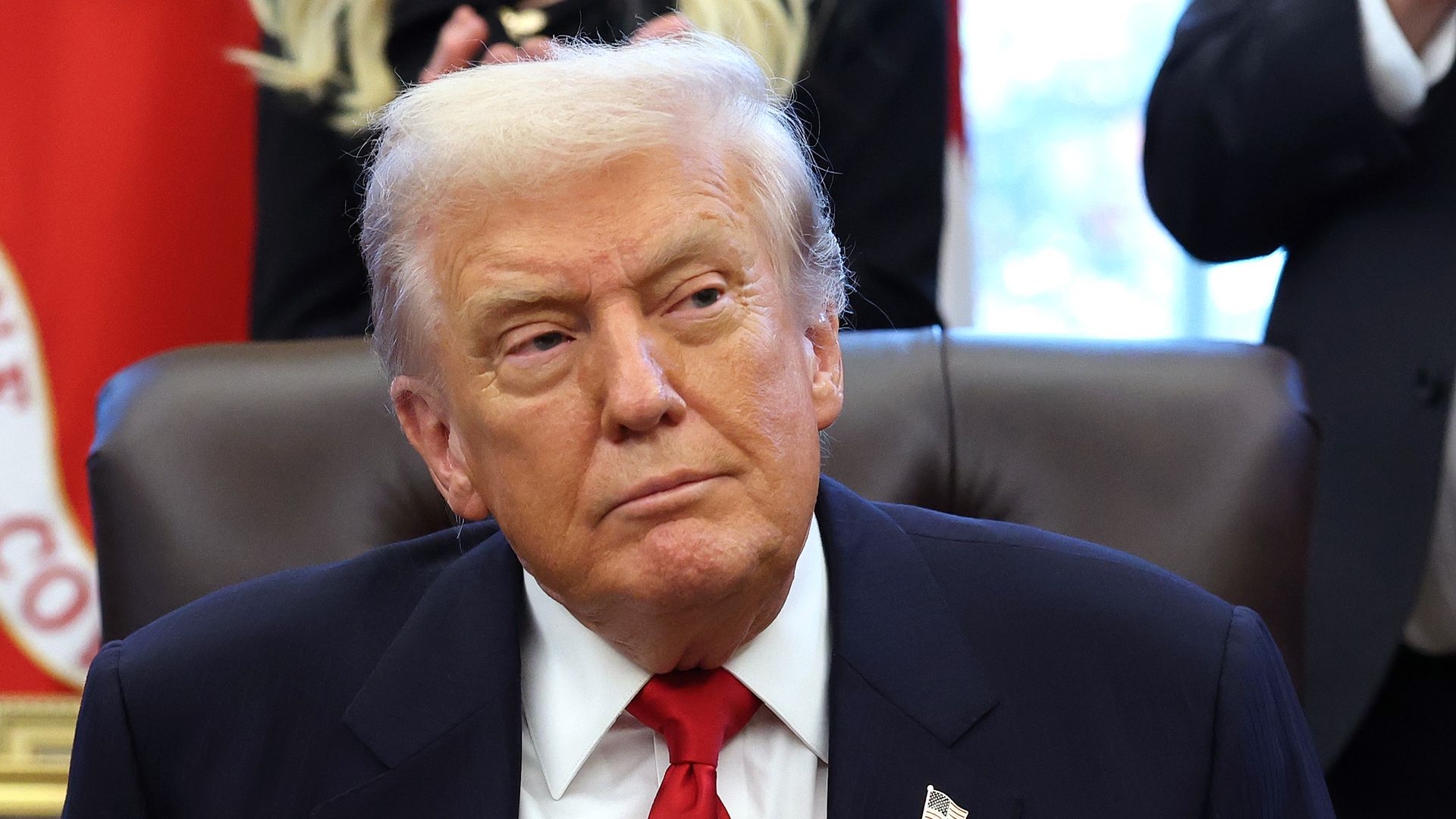
President Trump criticized the Supplemental Nutrition Assistance Program known as SNAP in an interview with Fox News' Laura Ingraham Monday night.
Why it matters: SNAP, a decades old anti-poverty program, is in the spotlight as the White House fights in court to avoid paying full benefits during the government shutdown.


Shaheen open to addressing "fraud" in ACA subsidies
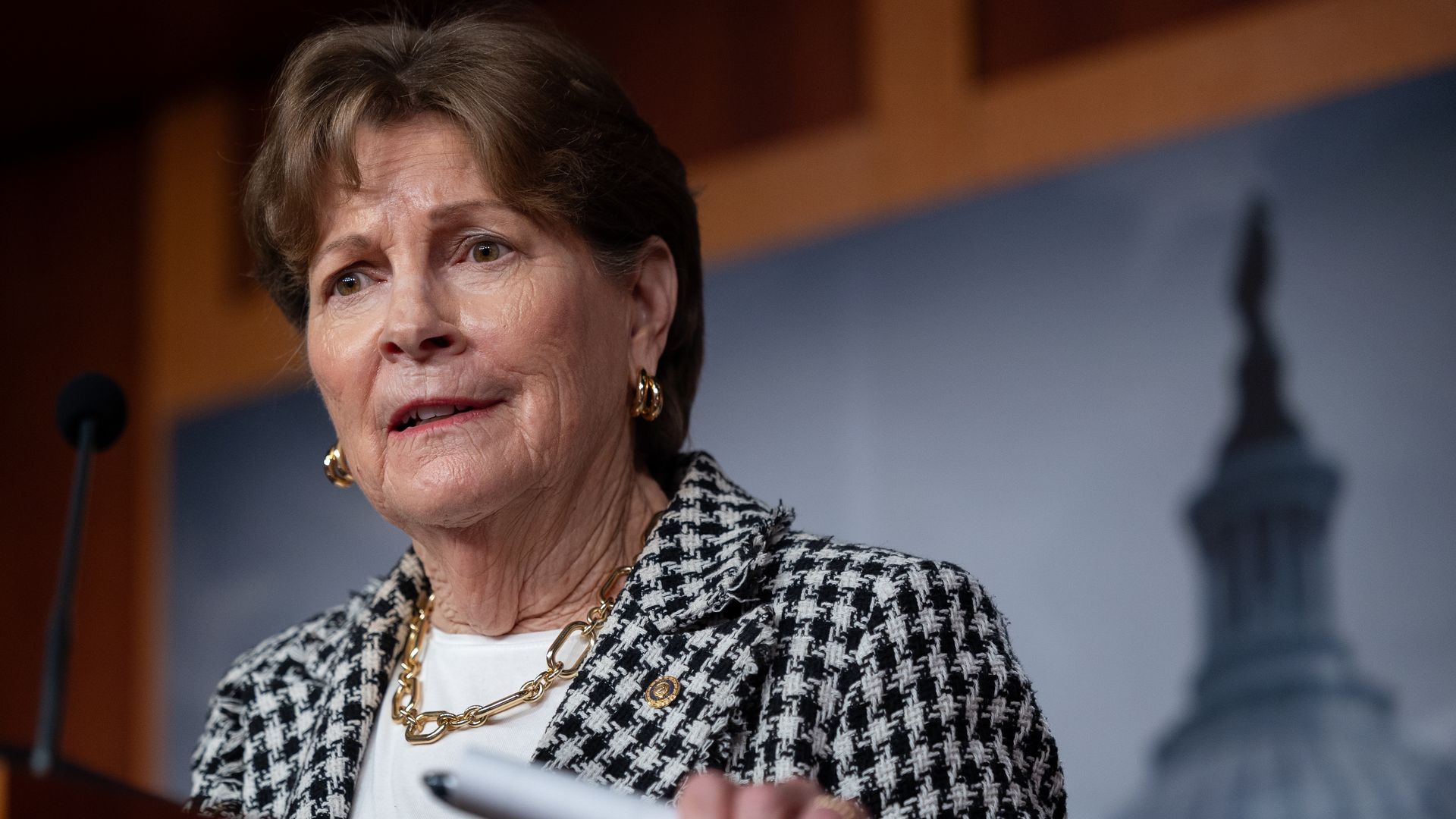
Sen. Jeanne Shaheen (D-N.H.) is open to income caps on Affordable Care Act premium tax credits and looking into potential "fraud" in the program that's set to expire at the end of the year, she told reporters on Monday.
Why it matters: Senate Majority Leader John Thune (R-S.D.) promised Democrats a vote on health care by mid-December as part of a deal to start the process of reopening the government.

Scoop: Schumer privately fought to extend government shutdown
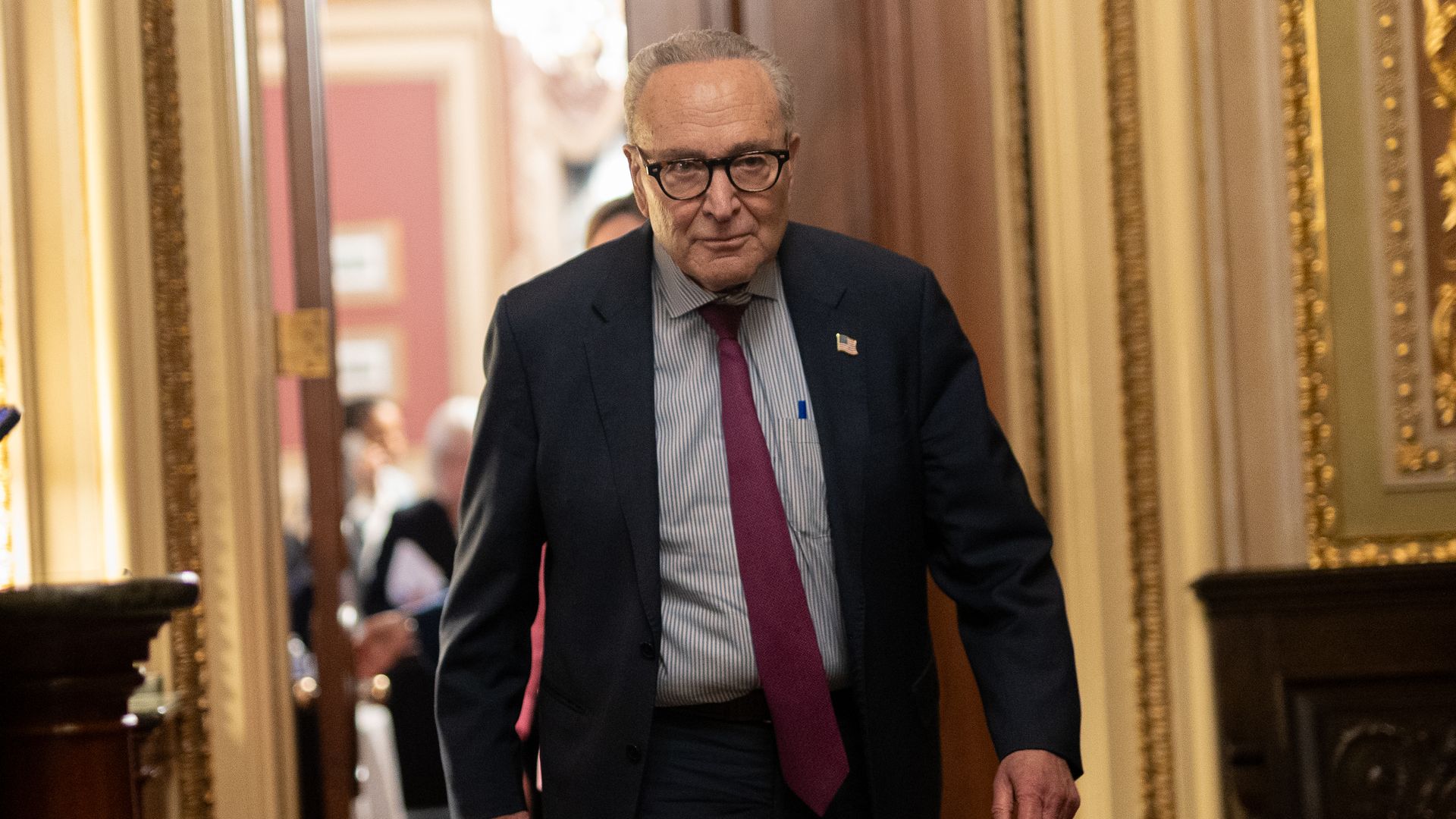
As Senate Minority Leader Chuck Schumer publicly battled Republicans over the government shutdown, he was privately cajoling a group of moderates not to fold before November.
Why it matters: Democrats are blaming Schumer (D-N.Y.) for not prolonging the shutdown. In reality, it could have been much shorter.

FDA scraps "black box" warning from menopause hormone therapy
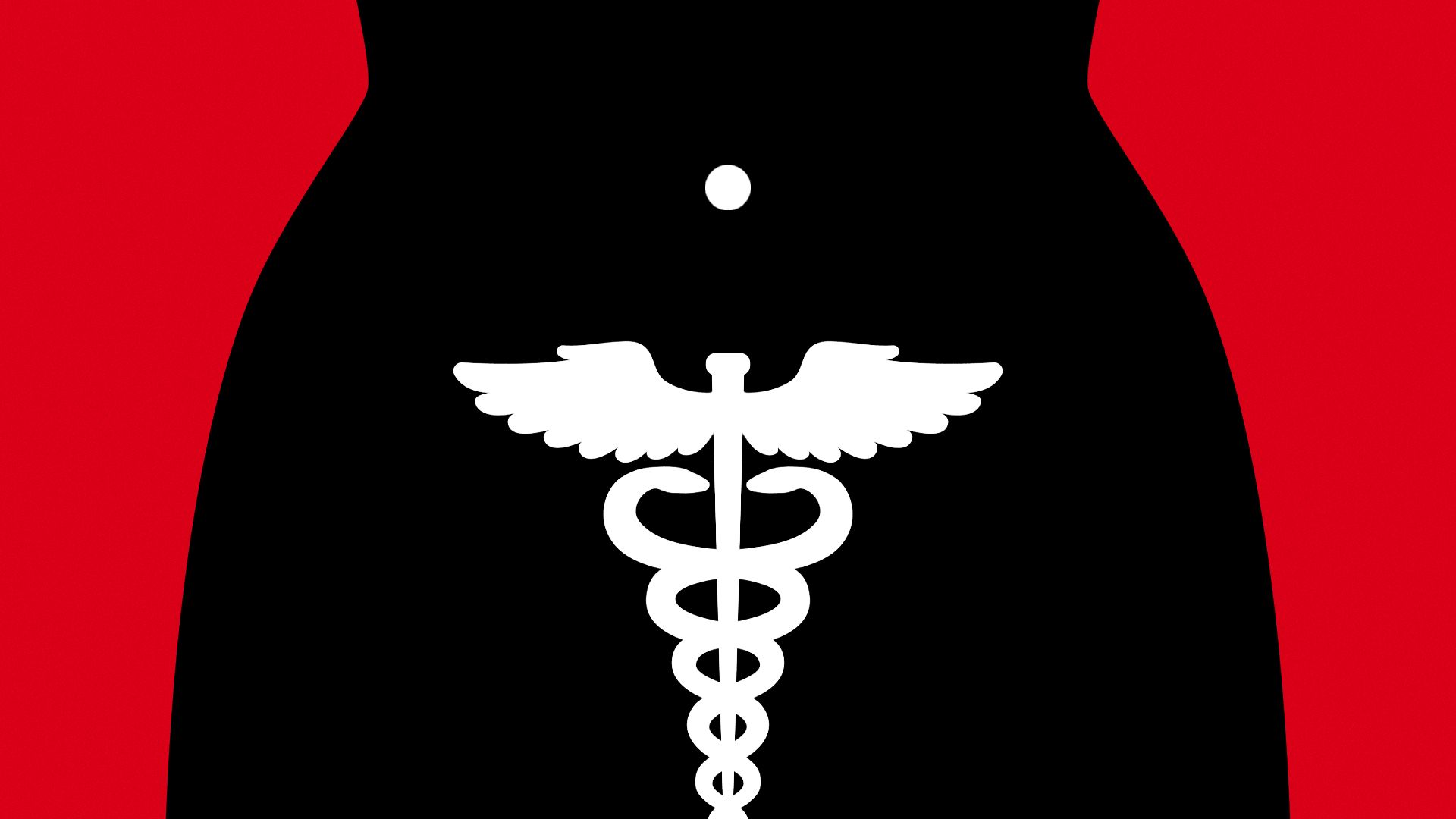
The Food and Drug Administration on Monday said that it's removing the "black box" warning on hormone replacement therapy for menopause.
Why it matters: The change could make women more willing to take — and doctors more willing to prescribe — hormone treatments that ease the many symptoms of menopause.
Driving the news: FDA said it is removing references to risks of cardiovascular disease, breast cancer and probable dementia on product labels.
- FDA will keep the warning of endometrial cancer risk on the packaging of systemic estrogen.
- The products currently have the highest-level safety risk warning on their label, the so-called black box, which alerts patients to the potential of serious side effects.
- The agency also said it approved two new drugs for menopausal symptoms: a generic version of the hormone therapy Premarin, and a non-hormonal treatment for moderate to severe vasomotor symptoms, such as hot flashes, associated with menopause.
Context: Hormone treatments for menopause have been required to include a warning of potential life-threatening side effects on packaging since 2003, after a federally-funded study suggested the treatments increased the risk of breast cancer, stroke and heart disease.
- The study led many providers to stop prescribing the treatments.
- More recently, doctors and women's health advocates have argued that the study results have been taken out of context, and the benefits of these therapies outweigh the risks for many.
- "We now know, after having reevaluated that data and doing additional research, that menopause hormone therapy is safe for a much broader range of people than we had previously understood," said Nora Lansen, chief medical officer at Elektra Health, a menopause care telehealth company.
Monday's decision follows a July endorsement to remove the warning, issued by an expert panel of doctors handpicked by FDA.
- FDA Commissioner Marty Makary has made it clear that he thinks the black box warning requirement is a "screw up."
What they're saying: "With the exception of antibiotics and vaccines, there may be no medication in the modern world that can improve the health outcomes of older women on a population level more than hormone therapy," Makary and other senior agency officials wrote in an editorial published Monday in JAMA.
The other side: Some physicians continue to interpret the research as showing more harm than good from these therapies, and argue against medicalizing menopause.
Zoom out: Conversations about menopause and women's health during midlife have gone from taboo to mainstream in recent years.
- A January report from Women's Health Access Matters and KPMG found that the menopause market — including drugs, holistic treatments and apps — is forecasted to reach $27 billion by 2030.
Go deeper: Menopause makes it on the policy map
Dems accept shutdown deal without ACA guarantee
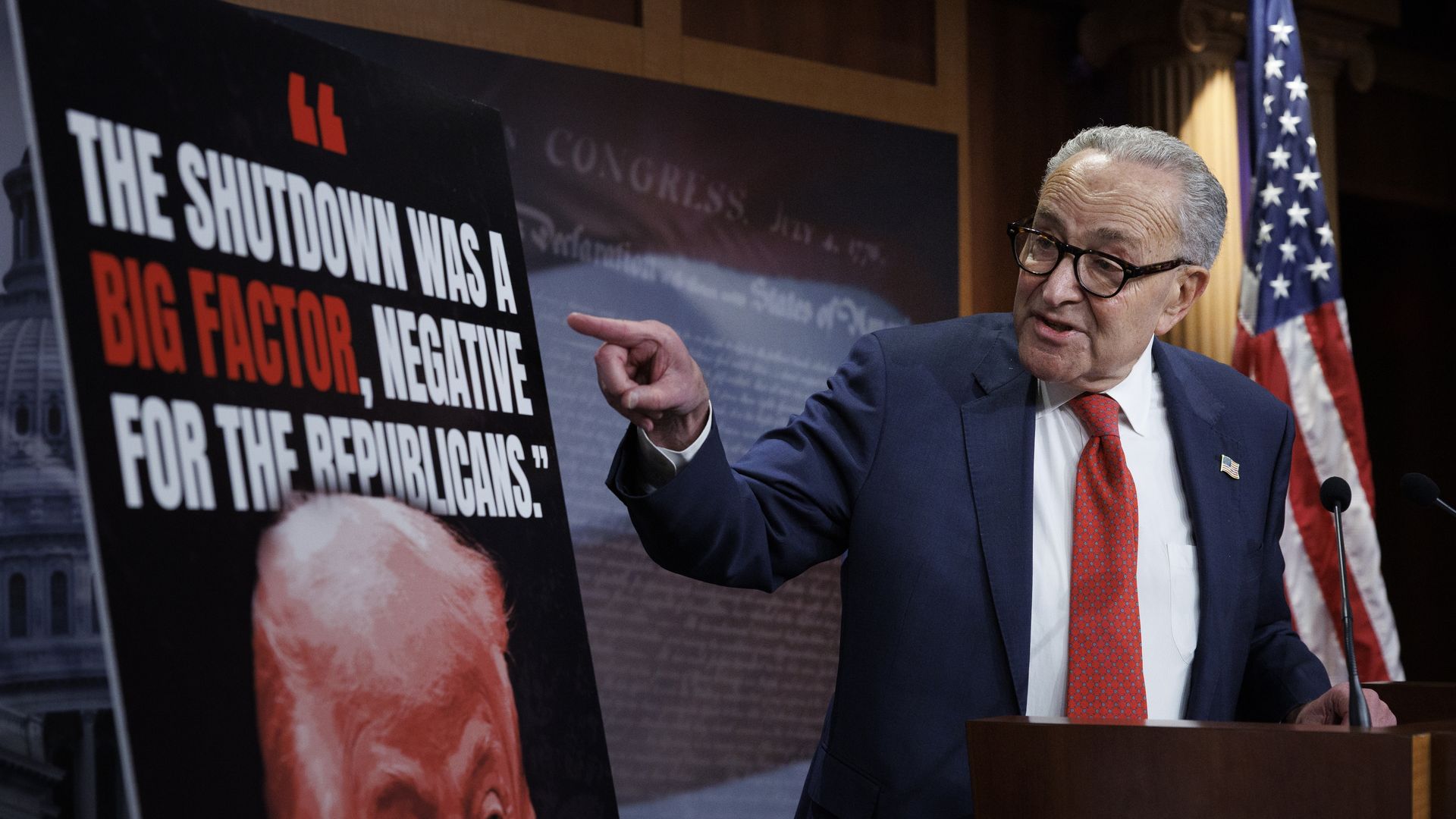
Enough Senate Democrats are poised to accept a deal to reopen the government without a concrete agreement to extend Affordable Care Act subsidies — but with the promise of a showdown vote on the assistance next month.
Why it matters: If a bill to temporarily fund the government passes this week, it would be a relief for much of the country but a major letdown for many Democrats who made ACA financial assistance a centerpiece of the shutdown fight.
Democrats fold on biggest government shutdown demand
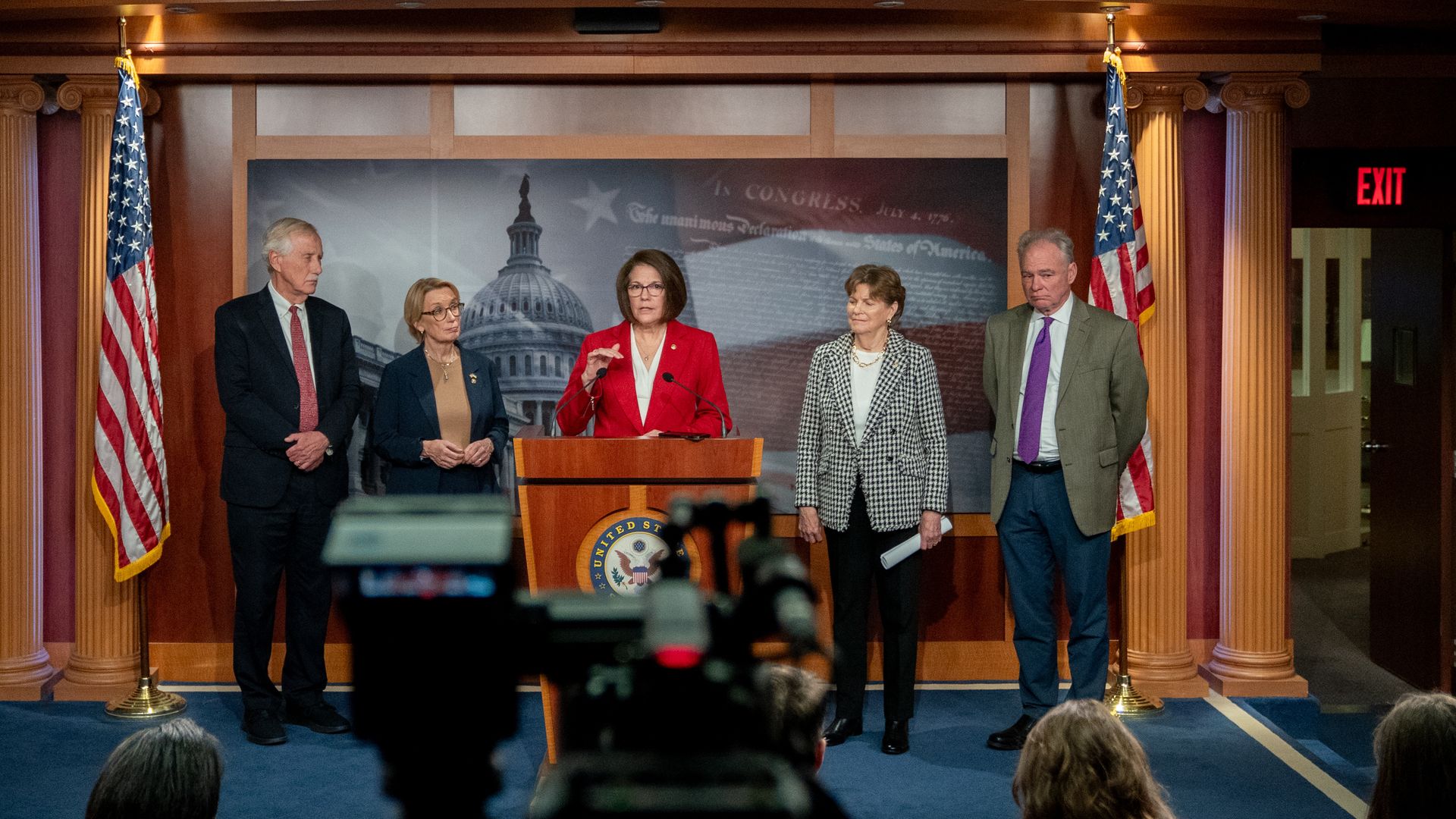
Moderate Senate Democrats moved to end the government shutdown on Sunday night, abandoning the party's 40-day standoff without much to show for it.
- Eight Senate Democrats broke ranks to advance a deal that reverses shutdown RIFs, funds the government until late January, promises a vote on Affordable Care Act tax credits and funds several agencies.
Why it matters: Democratic negotiators acknowledged that negotiations were going nowhere. In the end, fatigue and frustration triumphed over anger and anxiety at President Trump.