Friday's health stories

Exclusive: VA rescinds weeks of parental leave — even for some giving birth this week
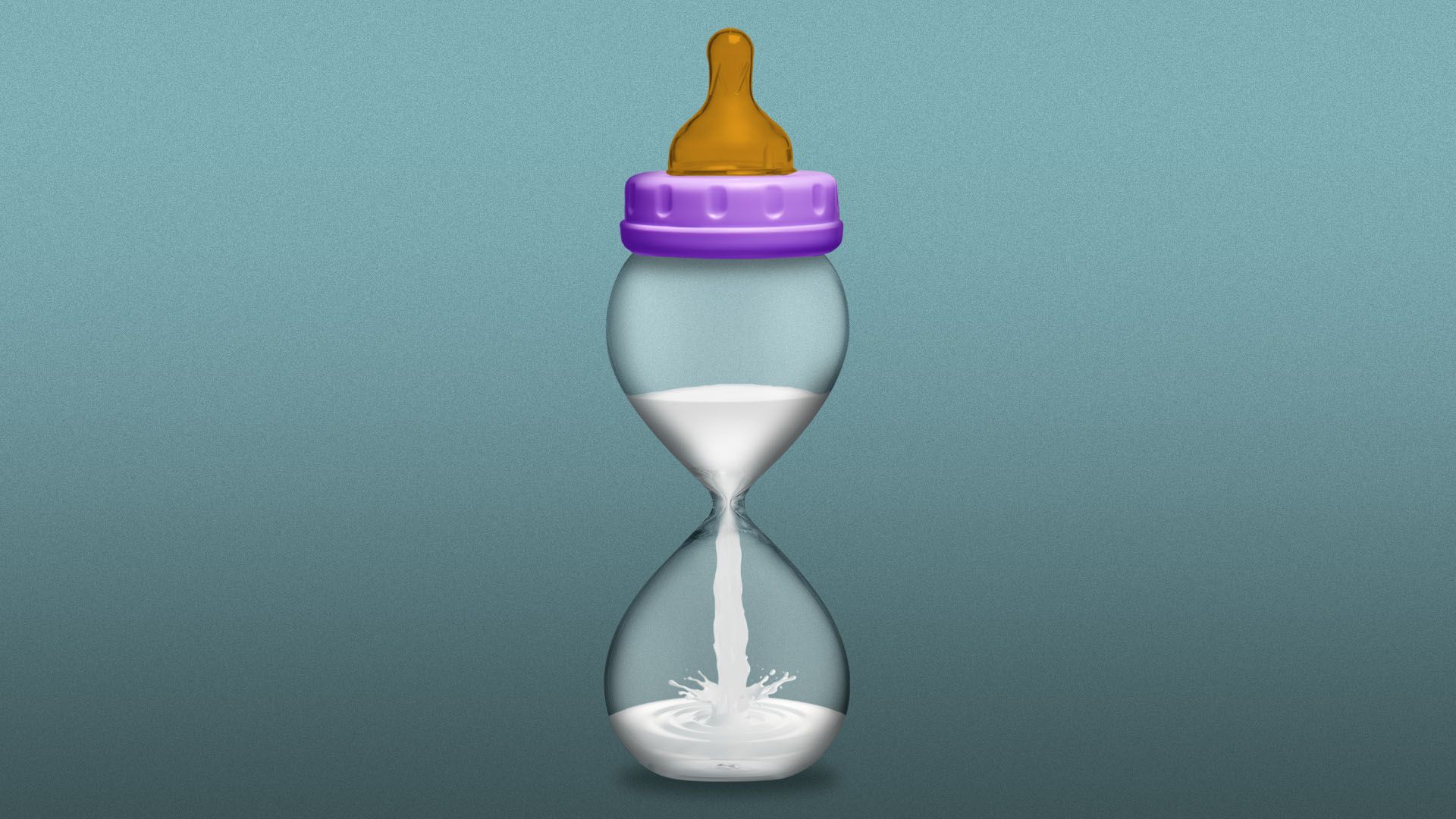
New and expecting parents who work at Veterans Affairs are getting approved maternity and paternity leave canceled after their union contract was terminated by the White House, according to two internal memos viewed by Axios.
Why it matters: It's usually a scramble to stand up childcare options for new babies or figure out alternative arrangements on short notice.

RFK Jr.'s anti-vaccine revolution
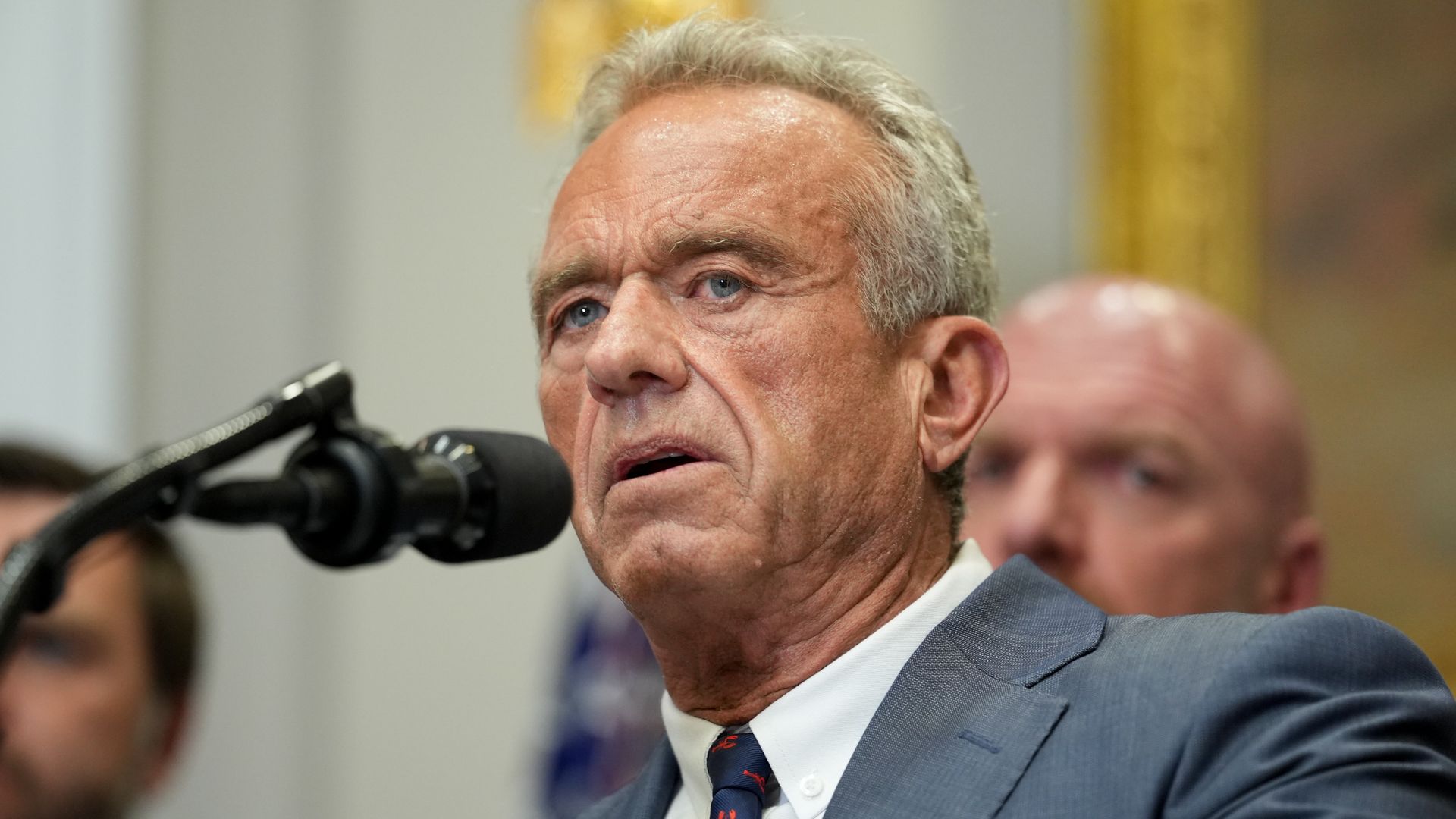
Robert F. Kennedy Jr. has made a dizzying amount of changes to federal health agencies in his first six months as HHS secretary, with yesterday's decision to revive a childhood vaccine safety panel that anti-vax groups sought being the latest in a long list.
Why it matters: Kennedy has upended years of vaccine policy and cut biomedical research funding, and experts worry his revisions could result in a less vaccinated population and more disease outbreaks and deaths.
- "I see a potential here for the dramatic reduction in vaccine access for this country," said Michael Osterholm, director of the Center for Infectious Disease Research and Policy at the University of Minnesota.
With all the rapid changes, it can be hard to track what Kennedy has done so far. Here are the actions that stand out for their impact.
1) Kennedy removed all 17 members of the CDC's Advisory Committee for Immunization Practices in June, saying a "clean sweep" was necessary to "reestablish public confidence in vaccine science."
- Two days later, Kennedy named new members to ACIP, including some who have expressed anti-vaccine views or who signed the Great Barrington Declaration, which proposed letting COVID-19 spread among young, healthy people to reach herd immunity faster.
- Public health experts are concerned that the new ACIP could alter the routine infant and childhood vaccination schedule or restrict vaccines even further.
2) Kennedy straddled the line between recommending vaccinations and endorsing ineffective treatments during the Texas measles outbreak.
- He wrote in a Fox News op-ed that "vaccines not only protect individual children from measles, but also contribute to community immunity."
- But he included an important qualifier: "The decision to vaccinate is a personal one."
- Kennedy has also cited aerosolized budesonide, clarithromycin and vitamin A as "very effective" treatments for measles. There's no scientific evidence that aerosolized budesonide and clarithromycin treatments are beneficial, or that vitamin A can prevent or treat measles.
3) Kennedy announced in May that the CDC was changing its recommended immunization schedule and no longer recommending COVID shots for healthy children or pregnant women, citing a "lack of any clinical data to support the repeat booster strategy in children."
4. This month, Kennedy canceled $500 million in federal research contracts to develop new mRNA vaccines, in order to shift funding toward "safer, broader vaccine platforms."
- Scientific consensus is that mRNA vaccines are safe and effective. Scientists worry that halting research could result in fewer medical breakthroughs and less preparation for future pandemics.
5) In July, Kennedy proposed overhauling the Vaccine Injury Compensation Program, a federal court system that helps protect vaccine makers from liability and allows patients to receive compensation from vaccine injury claims.
- He could choose to change the official vaccine injury table, which could lead to more lawsuits.
- Or he could eliminate the court altogether, which could mean more lawsuits in the civil system and result in vaccine makers becomingliable for damages.
6) Kennedy pledged at an April Trump administration Cabinet meeting to investigate and find the root causes of autism by September, and later announced he's establishing an autism disease registry system.
- This is despite studies showing that increased levels of autism are likely due to improved screenings and earlier detection.
- Public health experts are concerned that Kennedy may still try to say there's a link between vaccines and autism, despite research showing no link.
7) HHS adopted a recommendation from the new ACIP panel to remove mercury-containing compound thimerosal from flu shots.
- Anti-vaccine groups have claimed thimerosal is linked to autism, though that claim has been widely discredited.
The other side: "In just six months, Secretary Kennedy has taken bold, thoughtful steps to restore trust in public health and put families at the center of our decision-making," HHS spokesperson Andrew Nixon said in a statement.
- "From strengthening vaccine oversight to expanding transparency and rethinking how we respond to chronic disease, his focus has been on delivering real outcomes for the American people — guided by evidence, transparency and the public interest."
What we're watching: Some public health experts are concerned that Kennedy's actions are laying the groundwork for further restrictions on vaccines, which could result in more disease outbreaks in the U.S.
- "I fear we are going to be right back to where we were in the 1980s, when the making of these vaccines became more and more onerous for the companies who make them," said Paul Offit, director of the Vaccine Education Center at the Children's Hospital of Philadelphia.
- "Vaccines are going to be less available, less affordable, and there is going to be more fear," Offit said.
The economic party rolls on for the rich. For everyone else, not so much

Rich Americans are spending at a higher rate this year — everyone else is basically slowing their roll.
Why it matters: New data makes clear that while the good times continue for higher-income earners — strong wage growth, less debt — lower-income Americans are under increasing financial stress.

HHS revives childhood vaccine safety panel RFK-backed antivax group sought
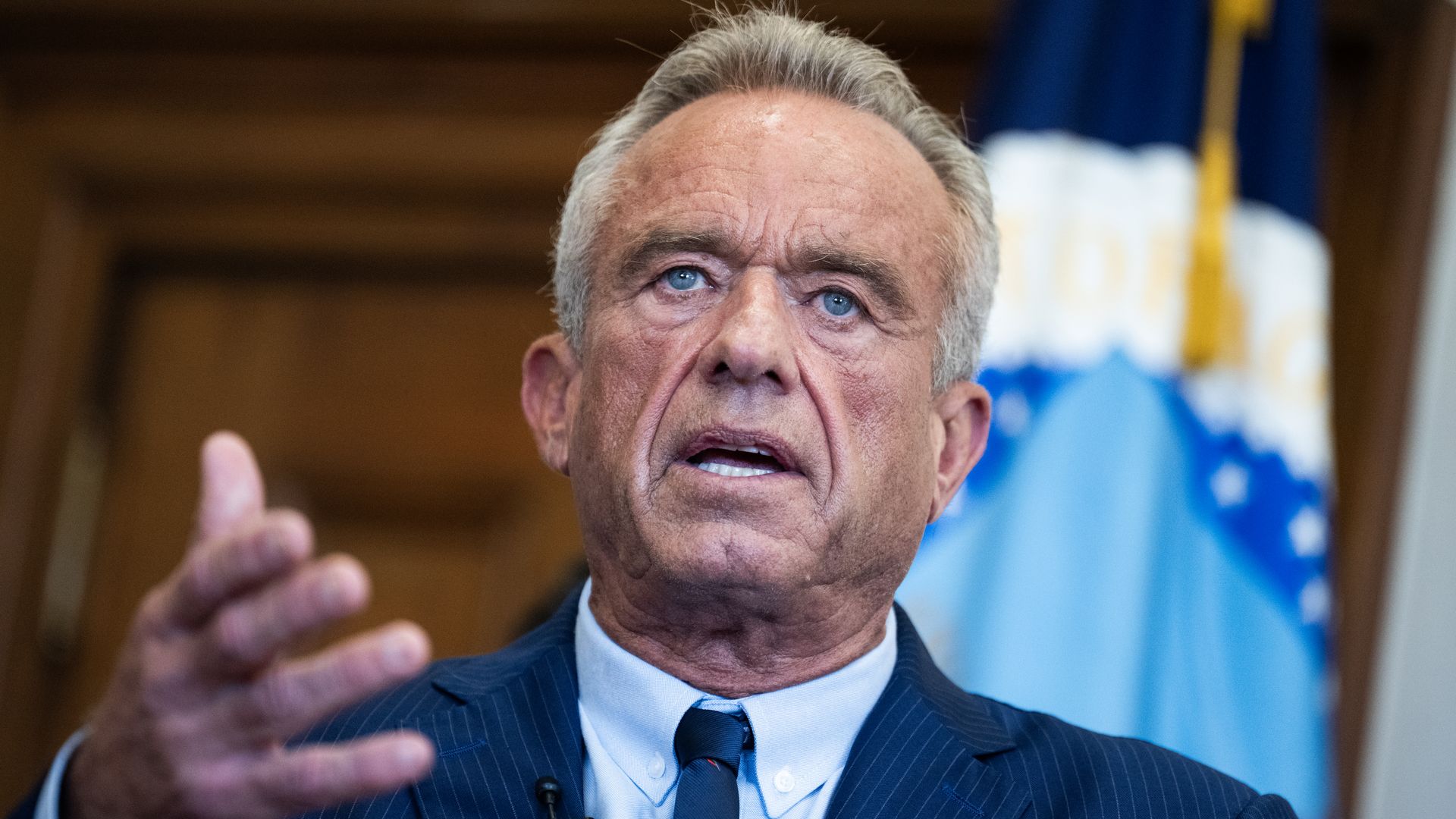
The Health and Human Services Department said Thursday it is reviving a federal task force created to improve the safety of childhood vaccines, saying it's needed to reaffirm its commitment to vaccine oversight.
Why it matters: The move could be a prelude to changes to the federal childhood vaccination schedule and comes just months after the anti-vaccine group Health Secretary Robert F. Kennedy Jr. founded backed a lawsuit against him that sought to re-establish the task force.
Trump says Social Security is stronger, but signs of trouble at the agency mount
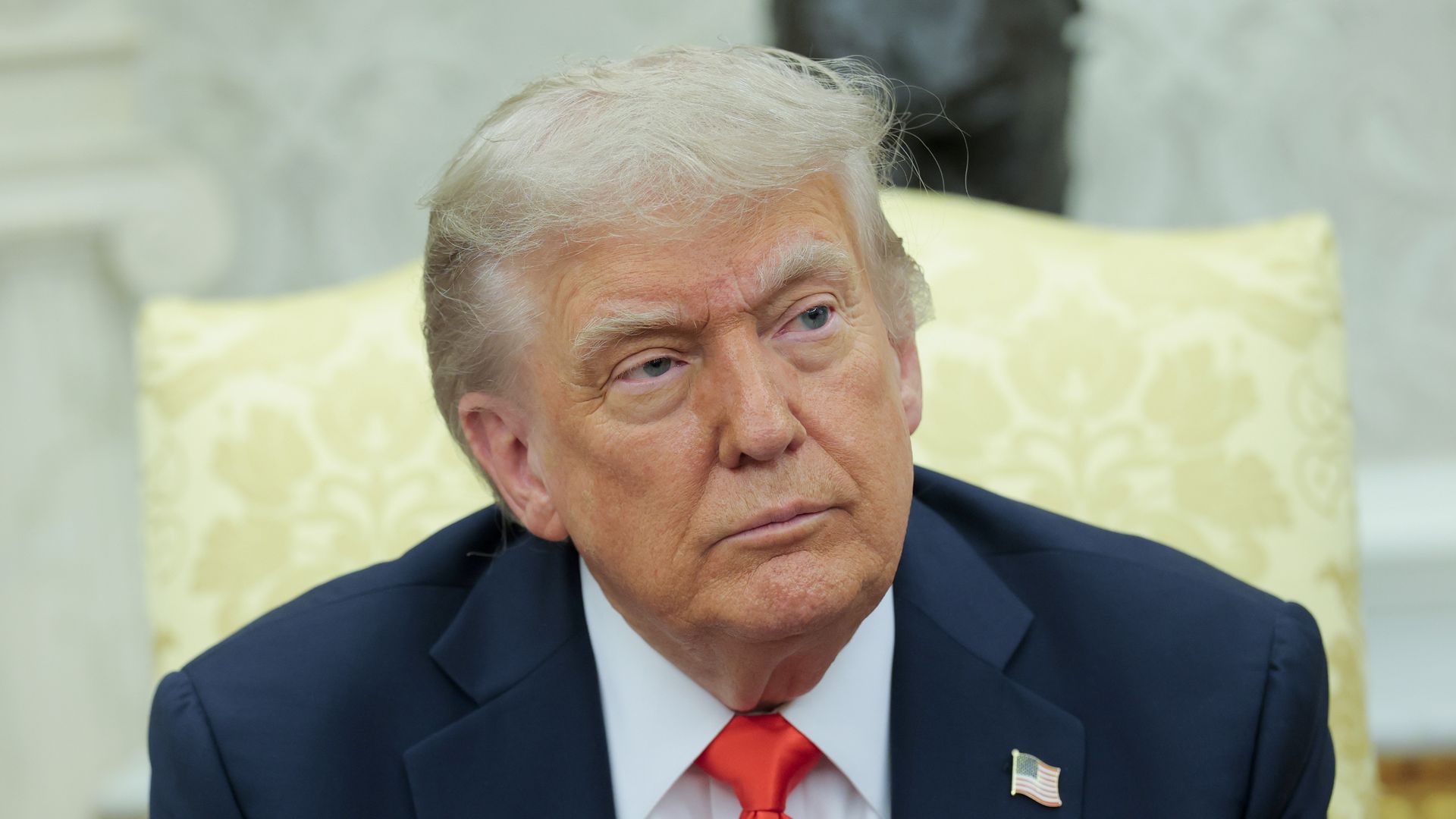
President Trump signed a proclamation Thursday celebrating the 90th anniversary of Social Security and promoting the program's improvements under his leadership.
Why it matters: Reports from inside the agency tell a different story. Social Security advocates are questioning whether the administration may be weighing changes to the popular program that would be harmful to its long-term success.

Inflation warning: Wholesale prices surge in July

Prices for wholesalers rose at the fastest pace in three years in July, the Bureau of Labor Statistics said on Thursday.
Why it matters: It is the latest warning that inflation might be reigniting across the U.S. economy as businesses grapple with higher tariff-related costs.

Trump orders stockpiling of advanced drug ingredients

President Trump on Wednesday ordered his health officials to secure a six-month supply of advanced pharmaceutical ingredients for drugs the administration determines are critical for national health and security.
Why it matters: The move continues efforts started during the Biden administration to reshore the medical supply chain and reduce the reliance on overseas manufacturers, especially China.
Off-the-shelf vaccine shows success against deadly cancers

An experimental vaccine targeting one of the most common genetic drivers of hard-to-treat pancreatic and colorectal cancers prevented their recurrence, raising hopes for an "off the shelf" treatment that can train the immune system to attack malignancies.
Why it matters: If shown effective in further trials, the vaccine could become a particularly important tool in staving off the return of pancreatic cancer, which sees roughly 80% of surgically removed tumors recur within five years.

Home insurance with a low credit score? That'll cost you
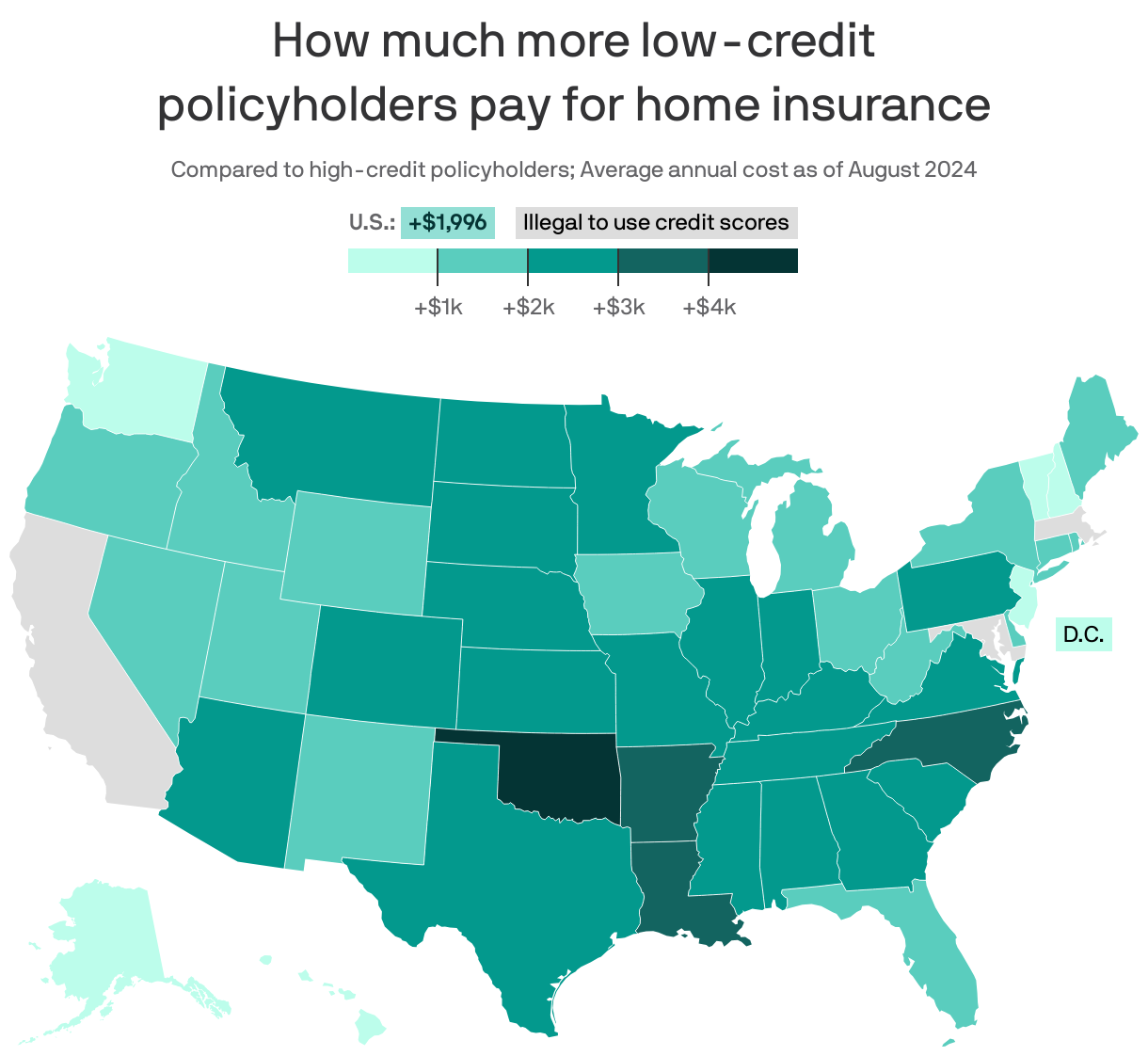
People with low credit scores can expect to pay nearly $2,000 more annually on average for home insurance compared to those with high scores, a new analysis finds.
Why it matters: Credit scores aren't necessarily indicative of somebody's ability to pay their bills — and tying them to insurance prices can disadvantage low-income and minority homeowners, among others.