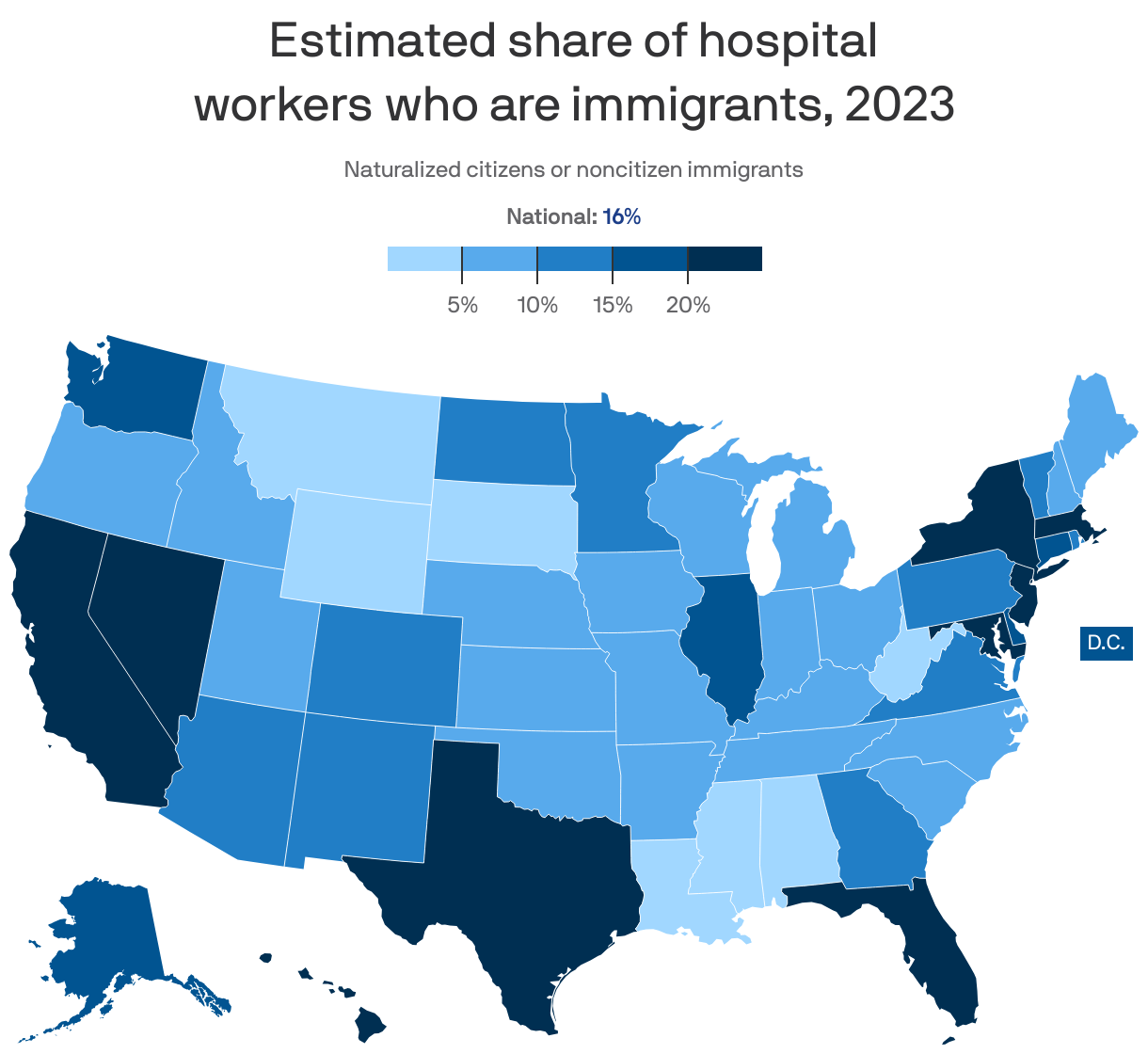
The nation's hospitals rely heavily on an immigrant workforce — in some states, more than a quarter of hospital workers are either naturalized citizens or noncitizen immigrants, per census data analyzed by KFF.
Why it matters: It's a pivotal moment for the nation's hospitals.
Virginia hospitals and Richmond-area free clinics are warning that the Medicaid cuts in President Trump's tax and spending bill could reduce access to care and potentially force closures.
Why it matters: The changes threaten to trigger a domino effect across Virginia's health care system, local operators tell Axios — increasing costs, wait times and the risk of staff layoffs as hundreds of thousands lose coverage.
Children's physical and mental health declined across multiple measures over the 17 years ending in 2023, according to new research led by the Children's Hospital of Philadelphia.
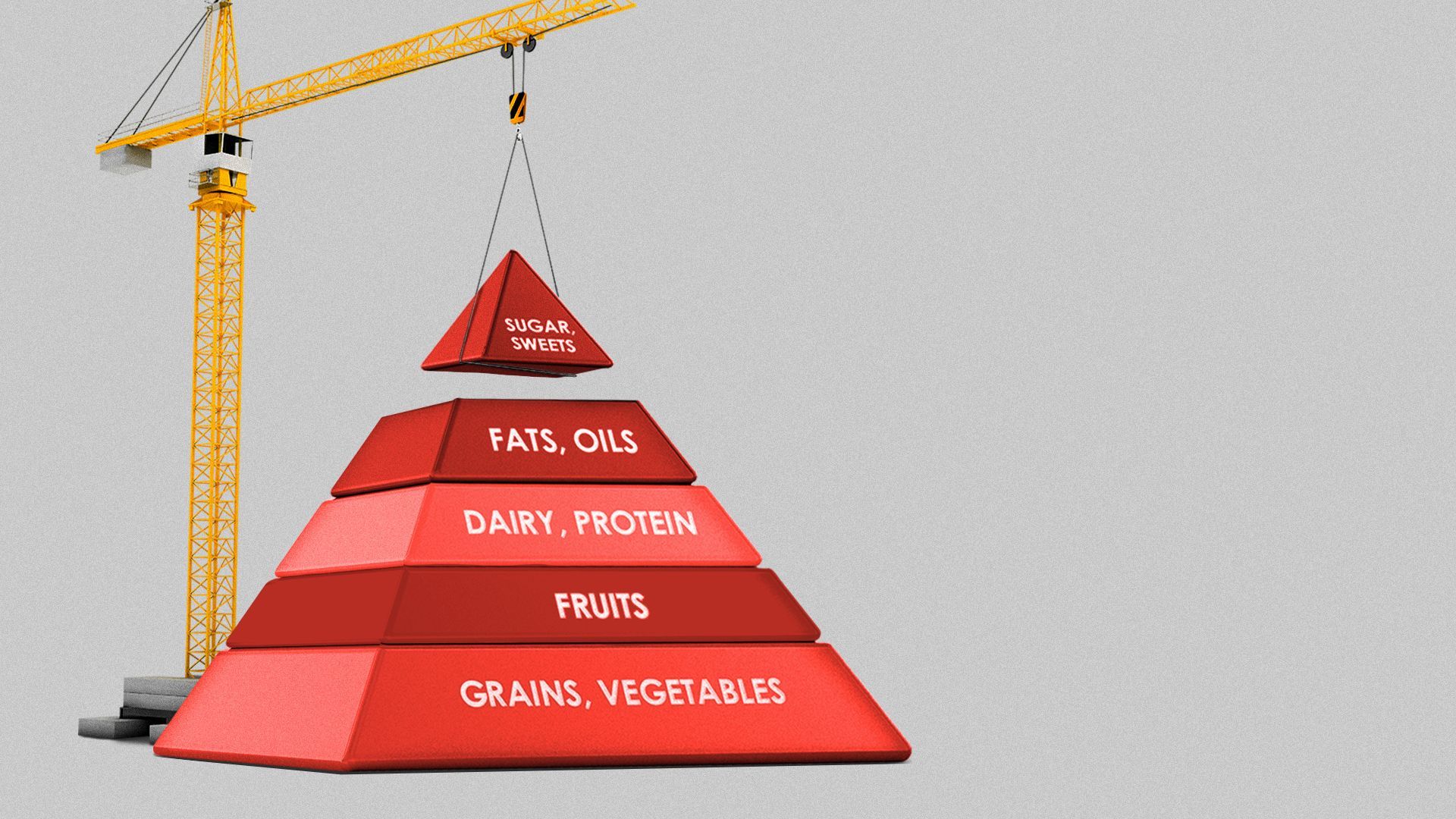
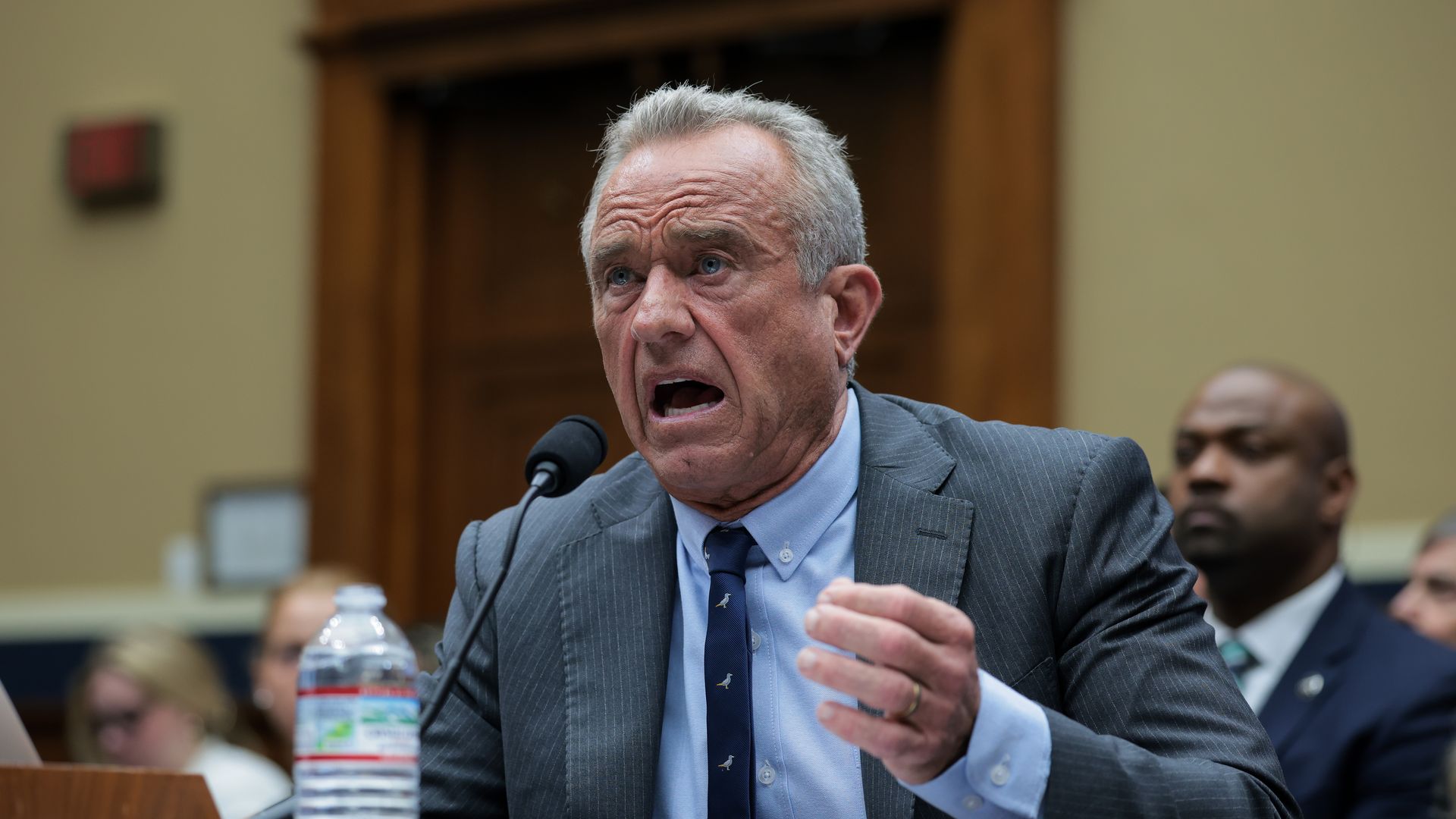
The high-stakes effort to set nutrition standards for the food industry and government programs like Head Start is about to get a makeover from Health Secretary Robert F. Kennedy Jr.
Why it matters: It's an opportunity for Kennedy to exert more leverage over food and beverage companies and the products they make after narrower actions like pressing them to voluntarily eliminate synthetic food dyes.
President Trump's signature tax and spending legislation, the "big beautiful bill," is now law, and that means cuts to Medicaid spending.
The big picture: The law sets in motion almost $1 trillion in slashes to Medicaid and other health policy changes, likely forcing states to make corresponding reductions to their programs or to pick up a greater share of obligations.
The Centers for Disease Control and Prevention has ended its emergency response to the H5N1 bird flu and said Monday it will streamline future updates on the virus with routine reports on seasonal influenza.
The big picture: A spokesperson for the Department of Health and Human Services said the response was "deactivated to transition back to regular program activity" last Wednesday due to animal infections with the H5N1 strain declining and no human cases being reported since February.
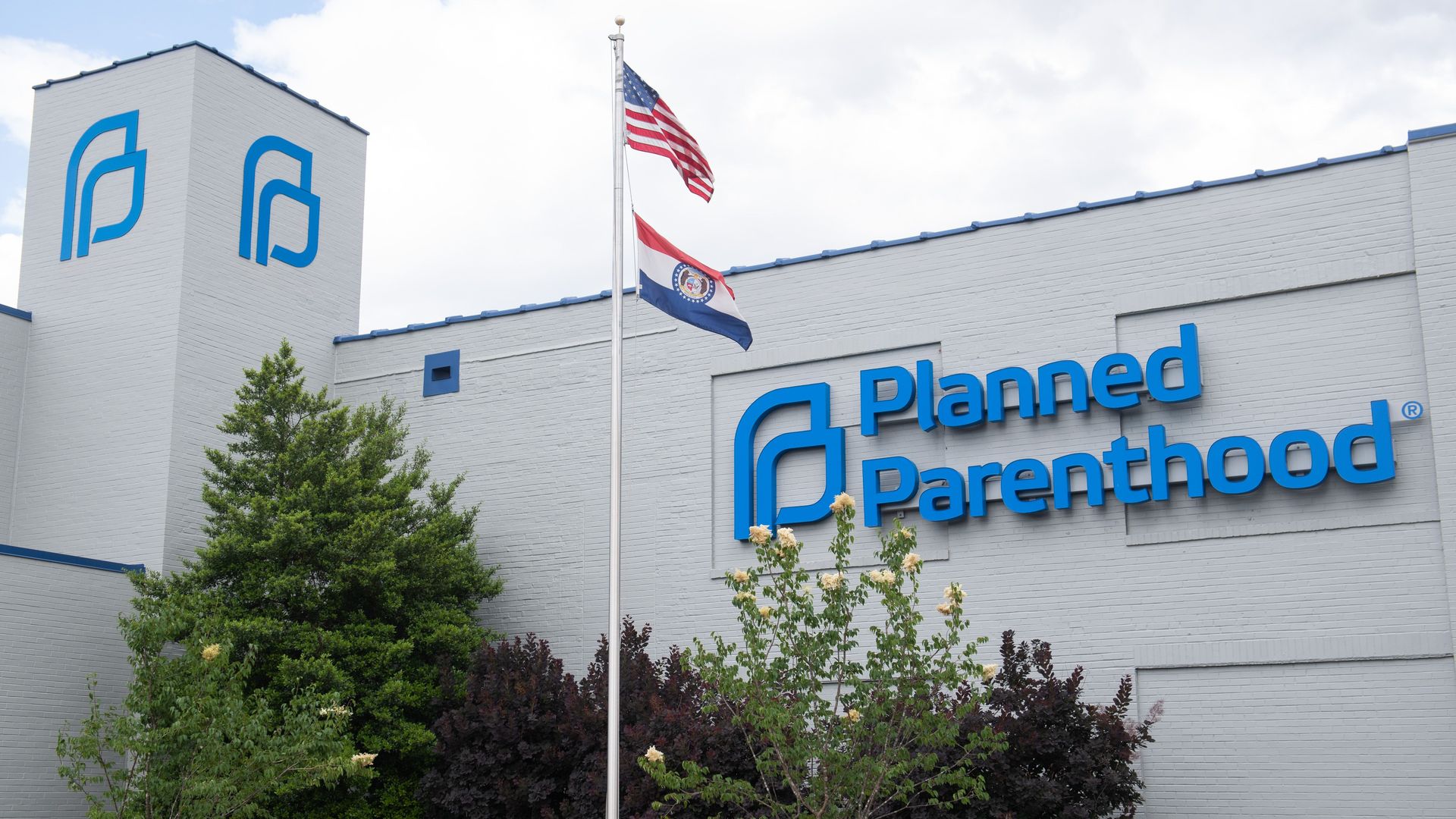
A federal judge on Monday froze the one-year Medicaid funding ban on Planned Parenthood in President Trump's tax and spending package, in response to a lawsuit from the group that alleged the cutoff was unconstitutional.
Why it matters: Planned Parenthood has called the provision a "backdoor abortion ban" and said it could lead to the closure of some 200 affiliated clinics nationwide.
The American Academy of Pediatrics and other physician groups on Monday sued HHS Secretary Robert F. Kennedy Jr. for unilaterally changing federal COVID vaccine recommendations, saying the move undercut some patients' right to get the shots.
The big picture: The lawsuit in U.S. District Court in Massachusetts charges that Kennedy's revised vaccine policies have already caused confusion, and seeks a freeze of Kennedy's May directive to remove COVID vaccine from immunization schedules for healthy kids and pregnant women.
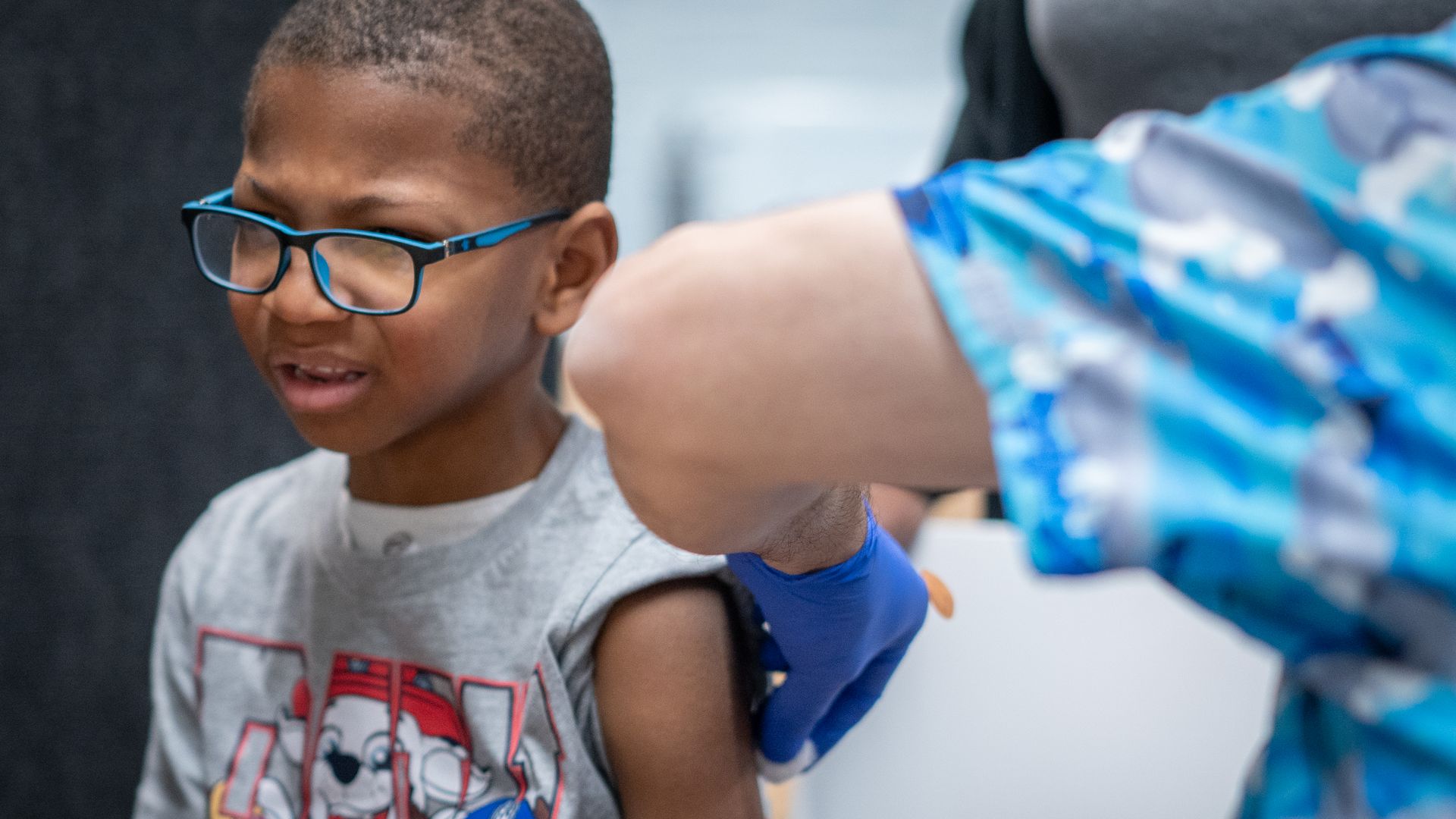
There have been 1,267 confirmed cases of measles in the U.S. this year, almost 4.5 times the total for all of last year and on track to pass the highest annual count since the disease was declared eliminated in 2000, according to the Centers for Disease Control and Prevention.
Why it matters: While the disease isn't consistently spreading due to immunization campaigns, there have been outbreaks well beyond West Texas, where low immunization rates and high school exemptions stoked spread of the highly contagious virus early this year.
President Trump's tax and spending bill sets in motion nearly $1 trillion in cuts to Medicaid and other health policy changes that could loom over the midterm elections.
But the real effects likely won't be felt until well after the ballots are cast.
Sen. Bill Cassidy (R-L.A.) unveiled a bill on Monday that would make it easier for companies to offer benefits to gig workers without making them full-fledged employees.
Why it matters: As more Americans turn to gig work and self-employment, there's a growing push to get them access to things like paid sick leave, health insurance and retirement benefits.
The overly agreeable nature of most artificial intelligence chatbots can be irritating — but it poses more serious problems, too, experts warn.
Why it matters: Sycophancy, the tendency of AI models to adjust their responses to align with users' views, can make ChatGPT and its ilk prioritize flattery over accuracy.