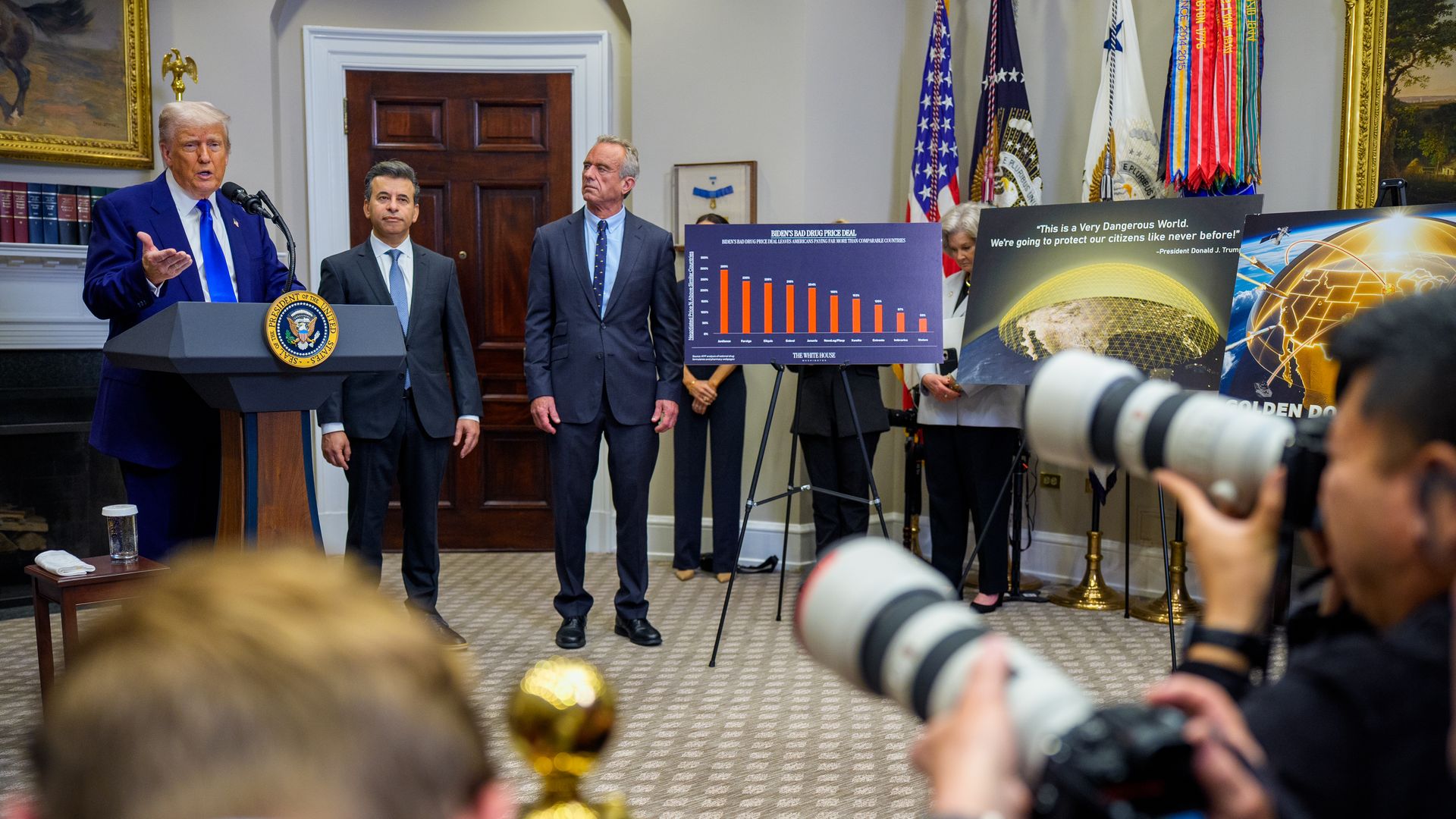
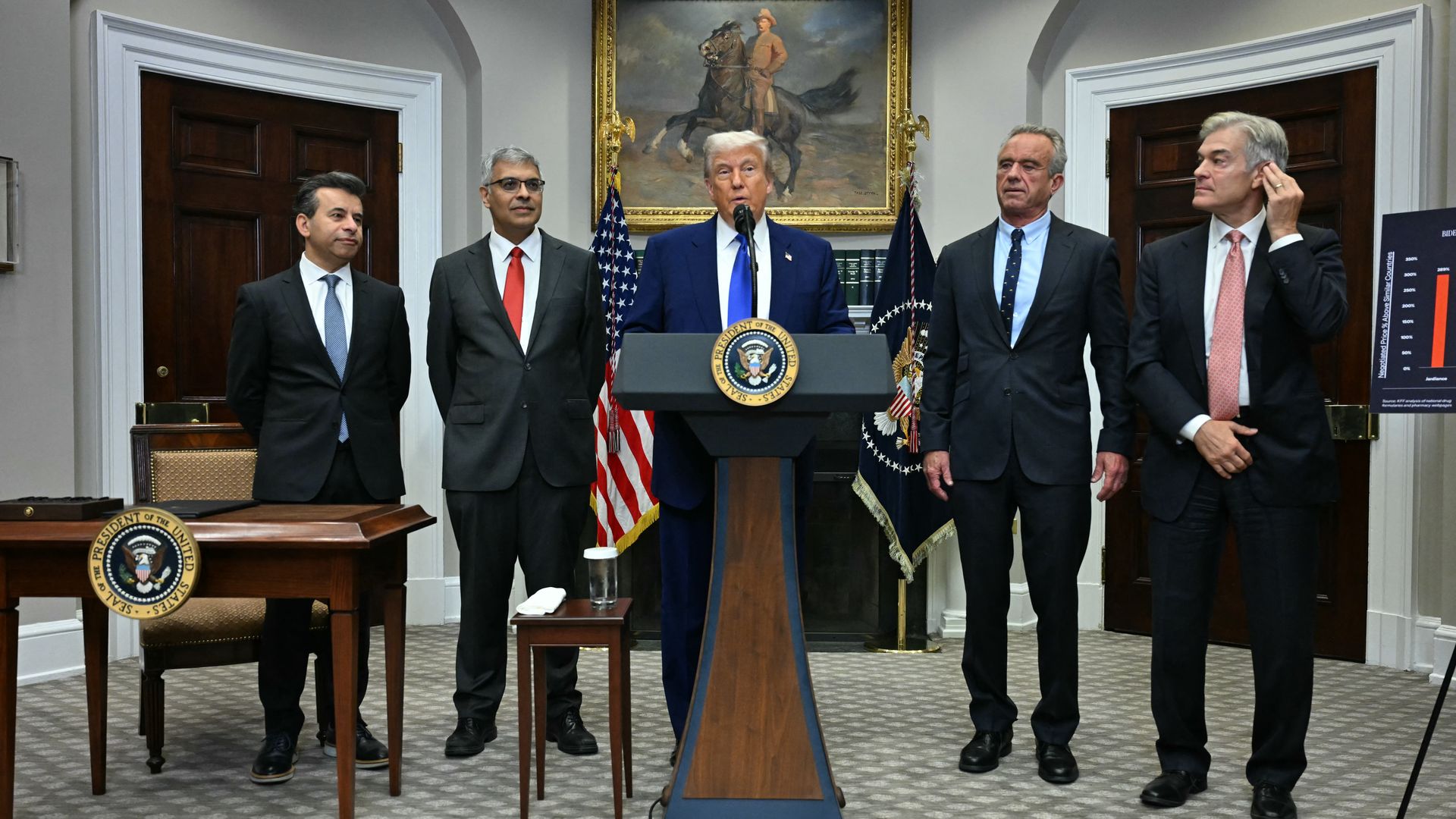
The White House's executive order to lower drug prices is largely an exercise in applying leverage, rather than actual policymaking — and it may not amount to much, experts said.
The big picture: President Trump says his directive will dramatically reduce drug costs for U.S. consumers, and quickly. But there are few details as to how he plans to accomplish that.
Data: KFF; Note: Also includes coverage from Medical Assistance, government-assistance for low income or disability and those with dual coverage; Map: Jacque Schrag/Axios
House Republicans are weighing a bill that would reduce Medicaid spending by hundreds of billions of dollars.
The big picture: The safety net program serves nearly 73 million Americans, who could face coverage and benefit losses.
President Trump signed an executive order Monday morningthat he said Sunday would cutprescription drug and pharmaceutical prices "almost immediately, by 30% to 80%."
President Trump said the "European Union is, in many ways, nastier than China," during a news conference on Monday.
Why it matters: The stakes of a prolonged U.S.-EU standoff over Trump's tariffs are high. With nearly a trillion dollars worth of trade last year, U.S. companies exported more than twice to the EU what they sent to China.
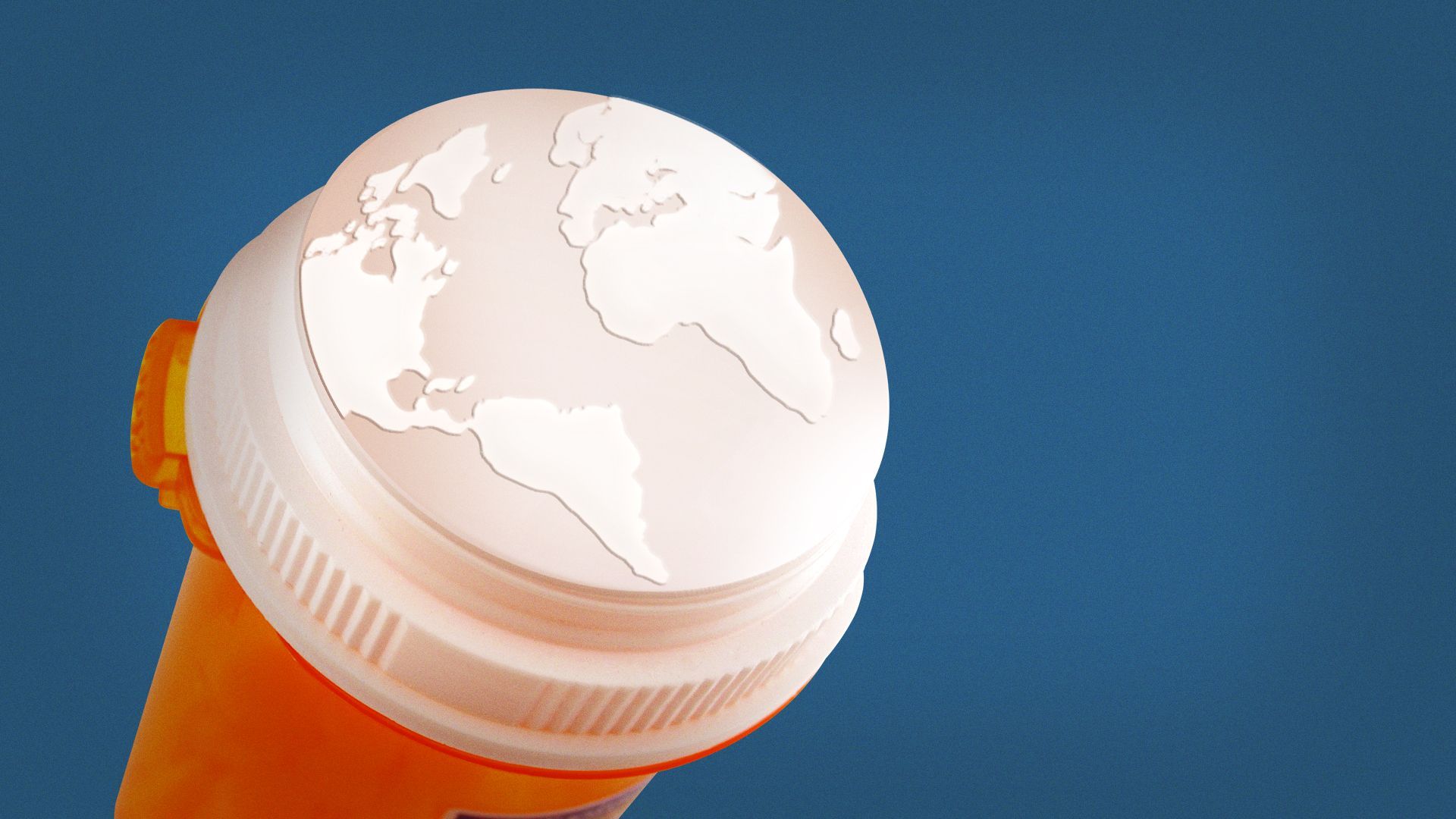
The Trump administration is looking to negotiate lower U.S. drug prices while allowing pharmaceutical companies to charge more for their products abroad, under a sweeping executive order President Trump signed on Monday.
Why it matters: The order hangs a big sword over the drug industry, which thought it was making inroads with the administration.
The Food and Drug Administration is rolling out an aggressive plan to make generative AI a linchpin in its decision-making, part of a bid to get faster and leaner in evaluating drugs, foods, medical devices and diagnostic tests.
Why it matters: The plan raises urgent questions about what's being done to secure the vast amount of proprietary company data that's part of the process and whether sufficient guardrails are in place.
Robert F. Kennedy Jr.'s short time leading America's health agencies has already destabilized the uneasy alliance that vaulted him into President Trump's Cabinet.
Why it matters: The"Make America Healthy Again" movement — a loose umbrella of vaccine skeptics, wellness influencers, and anti-pharma crusaders — was envisioned as a revolution against the medical establishment.
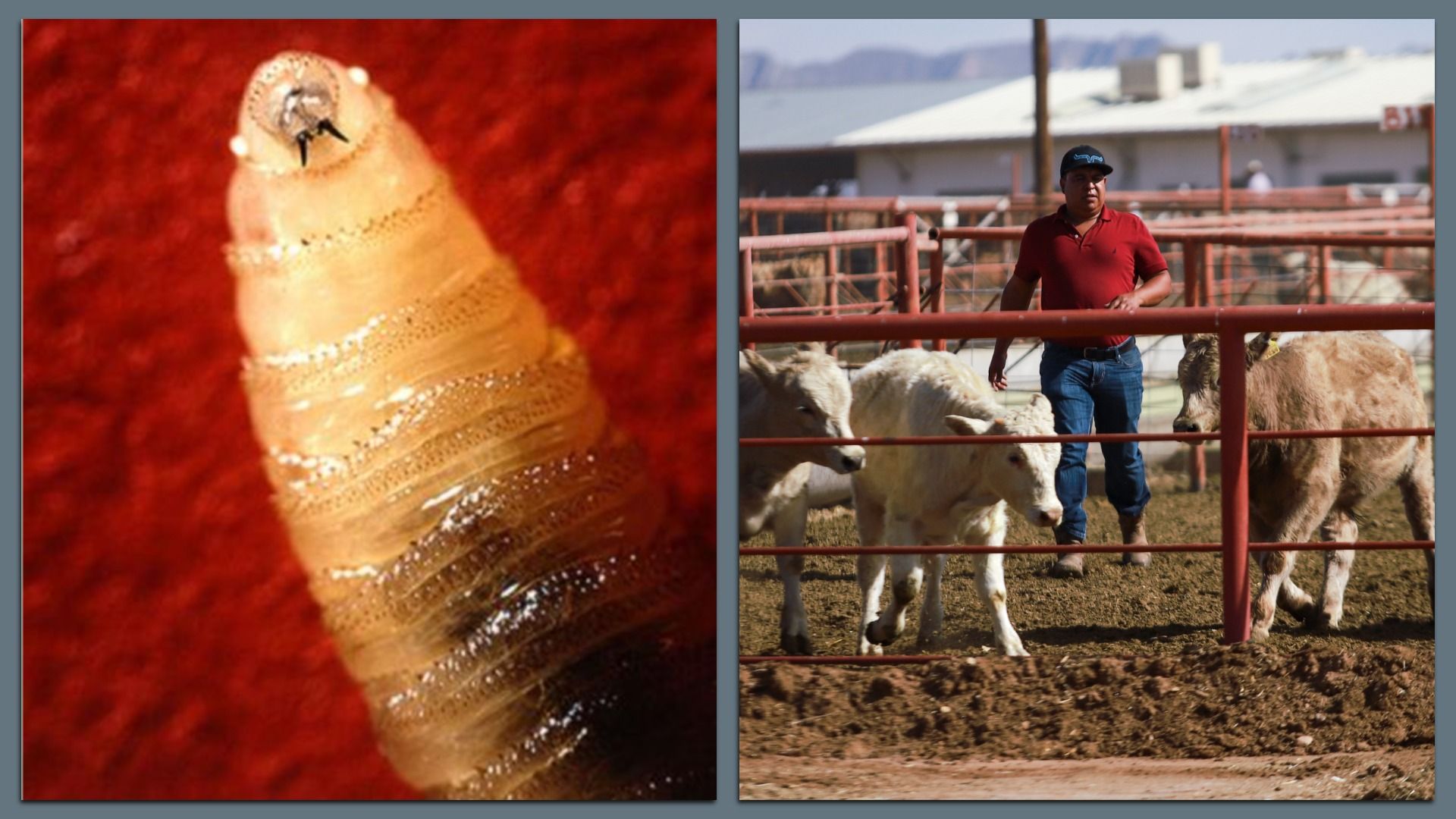
Agriculture Secretary Brooke Rollins announced the suspension of live cattle, horse and bison imports via the southern border "due to the continued and rapid northward spread" of New World Screwworm (NWS) in Mexico, effective immediately.
Why it matters: This parasitic worm species' infestation "occurs when NWS fly larvae ... infest the tissue or flesh of warm-blooded animals; on rare occasions this includes people," per a Centers for Disease Control and Prevention (CDC) online article.