Friday's health stories

Trump administration fires thousands of federal workers as purge deepens
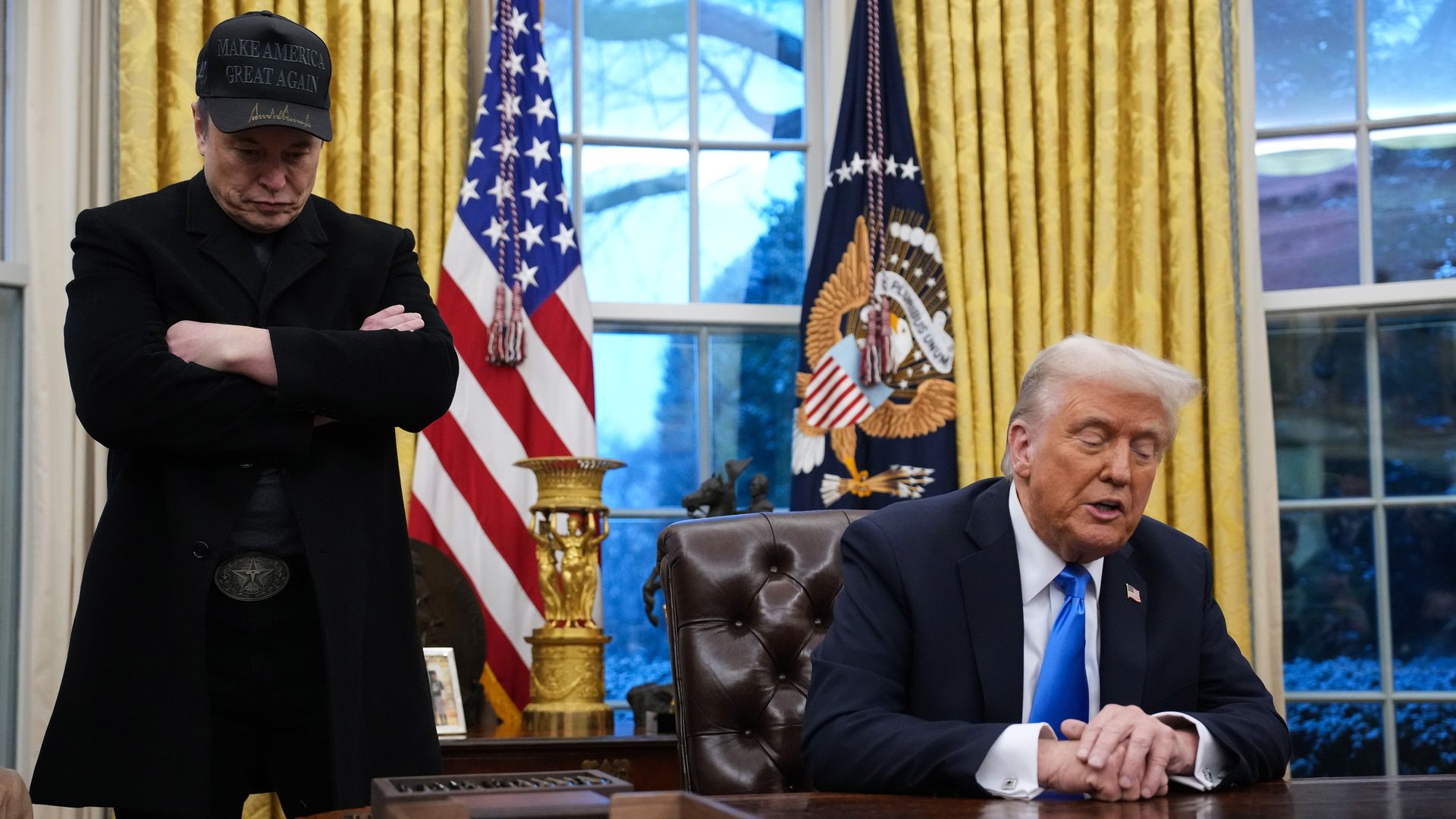
The Trump administration over the past two days has fired thousands of federal workers with jobs reportedly ranging from wildfire prevention to medical research.
Why it matters: A mass firing on this scale is unprecedented — and will likely vastly reshape the way the federal government works, or doesn't, for many years to come.

Trump moves to defund schools with COVID vaccine mandates
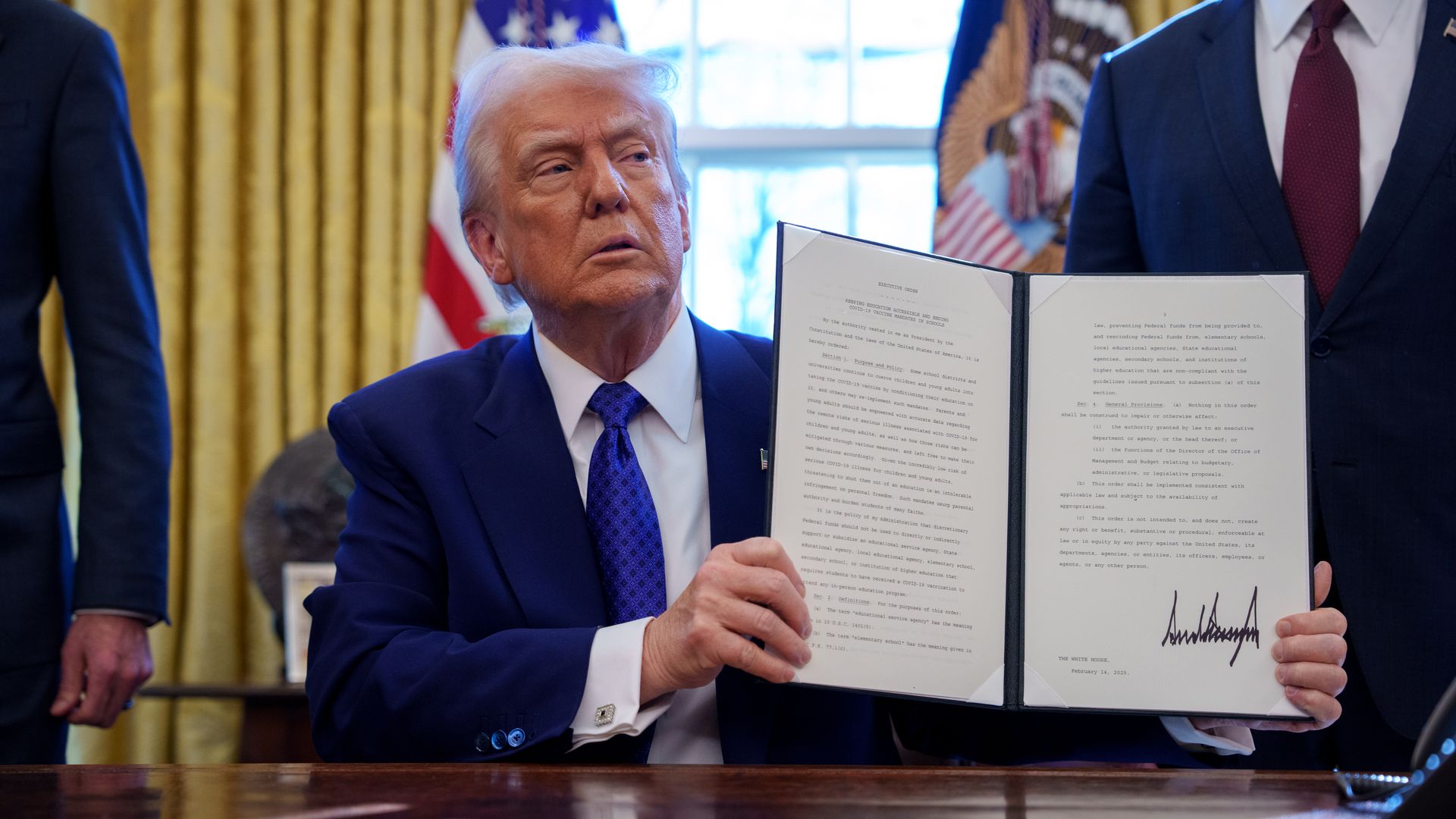
President Trump on Friday issued an executive order blocking federal funds for schools and universities that impose COVID vaccine mandates on students.
The big picture: There are few such requirements left, but the move echoes a campaign pledge to defund schools with vaccine mandates and comes a day after noted vaccine critic Robert F. Kennedy Jr. was sworn in as HHS secretary.

Trump administration slashes ACA navigator funding
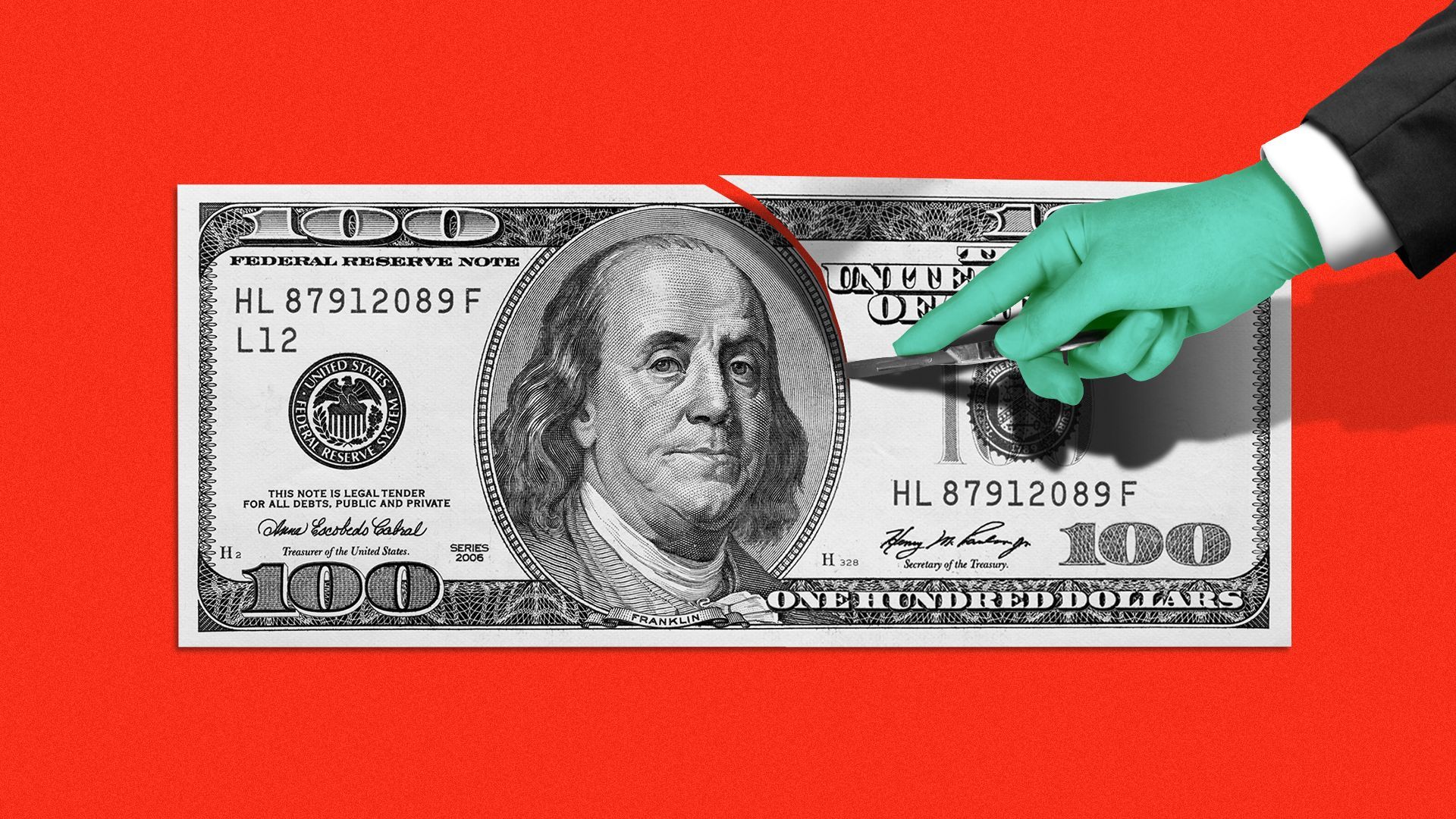
The Trump administration is cutting funding for navigators, who help people sign up for Affordable Care Act coverage, by almost 90%, the Centers for Medicare and Medicaid Services announced Friday.
Why it matters: CMS says the savings will help it focus on more effective strategies on the federal marketplace exchanges and reduce premiums for people who do not qualify for ACA premium subsidies.
State of play: Insurance navigators will now receive $10 million per year over the next five years, CMS said.
- Navigators received $98 million in federal funding during the 2024 plan year.
- Unlike insurance agents and brokers, navigators cannot be paid by insurance companies and don't recommend specific plans or policies to consumers. They provide overviews of plans and financial assistance available to consumers.
Flash back: The first Trump administration also cut navigator funding to $10 million per year.
- The Biden administration put money back into navigator grants, and last year announced a plan to devote $500 million for the effort over five years.
Zoom in: Navigators enrolled 92,000 consumers, or 0.6% of plan selections, in the federal health insurance exchange for the 2024 plan year. That's a similar percentage to 2019 when they received far less funding, CMS said.
Yes, but: Federal data shows that navigators also enrolled more than 290,000 people in Medicaid and the Children's Health Insurance Program last year.
The other side: "Insurance brokers have become an important source of ACA signups, but navigators are particularly effective in low-income communities, helping people enroll in Medicaid as well," Larry Levitt, executive vice president for health policy at KFF, told Axios.
What we're watching: A proposal on ACA plan program integrity this week became the first CMS regulation to make it to the White House for review during the second Trump administration.
- There are no details yet on what the proposal includes, but a recent report from by Peter Nelson, new director of CMS's Center for Consumer Information and Insurance Oversight, could offer clues.
- It takes issue with Biden-era ACA changes expected to increase federal expenditures, including a permanent special enrollment period for lower-income consumers.

Thousands of federal health workers targeted in job cuts

The Trump administration is cutting thousands of jobs at the Department of Health and Human Services, with a focus on probationary employees with two years or less experience.
Why it matters: The cuts, part of a deepening purge throughout the executive branch, included the National Institutes of Health and the Centers for Disease Control and Prevention, potentially affecting disease surveillance and biomedical research.
Driving the news: Senior officials were told Friday morning that about 5,200 people on probationary employment, or recent hires, would be targeted, STAT reported.
- At least 1,300 jobs were targeted at the CDC's Atlanta headquarters, representing roughly one-tenth of the agency's workforce, WSB-TV reported.
- The cuts included members of the CDC's Epidemic Intelligence Service officers — a group known as the "disease detectives" that's on the front lines of public health responses, per CBS News.
"HHS is following the administration's guidance and taking action to support the president's broader efforts to restructure and streamline the federal government," Andrew Nixon, an HHS spokesperson, told Axios in a statement. "This is to ensure that HHS better serves the American people at the highest and most efficient standard."
- HHS wouldn't confirm specifics around any cuts.
- An Office of Personnel Management spokesperson said the probationary period is a continuation of the job application process and "not an entitlement for permanent employment."
Agencies have been given until 8pm on Tuesday to fire probationary workers, according to a source familiar with the process, though they can make case-by-case exceptions.
- The firings are already being challenged in court, with more suits likely to follow.
What they're saying: The reported cuts to CDC epidemiology staff are particularly alarming in light of the bird flu, said Richard Besser, former acting director of the agency and now CEO of the Robert Wood Johnson Foundation.
- "These are the people who go out and investigate each case and work with state and local health departments to identify the risks for infection and to keep track as to whether this could become the start of the next pandemic," Besser said. "By eliminating half of that crew, it puts us all at risk."
- "What we're seeing now is a tearing down of one of our institutions that is so incredibly important for protecting and promoting the health of people across our country," Besser said.
Emily Peck contributed

How the GOP's Medicaid cuts could hit big hospital revenues
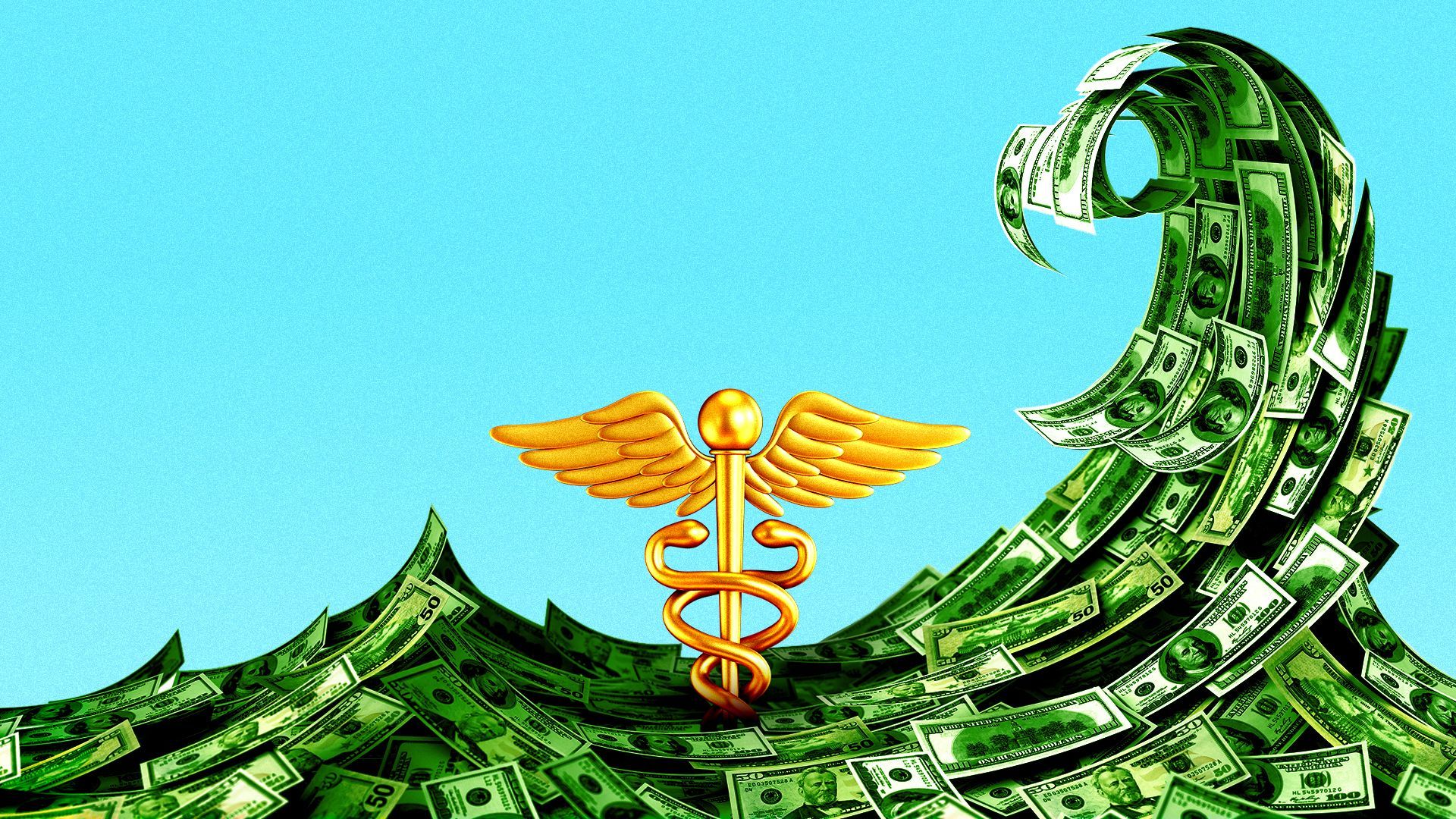
A little-known fact outside of the health nerds circle is that some providers actually get pretty high payment rates now for seeing Medicaid enrollees.
Between the lines: What's been a brewing think-tank fight over Medicaid payments to hospitals and doctors could soon spill onto the main political stage should Republicans decide this is the most politically palatable way to cut the program's spending by hundreds of billions of dollars.
Republicans' search for Medicaid money sparks fight with providers

House Republicans signaled this week that they're looking for hundreds of billions of dollars in Medicaid spending cuts, and most — if not all — roads to getting there go through hospitals' and other providers' wallets.
Why it matters: Health care reform always creates winners and losers. To reduce federal spending and taxpayer obligations, lawmakers will have to choose pain for some combination of Medicaid beneficiaries, states or hospitals and other providers.
Trump creates MAHA commission on childhood chronic illness
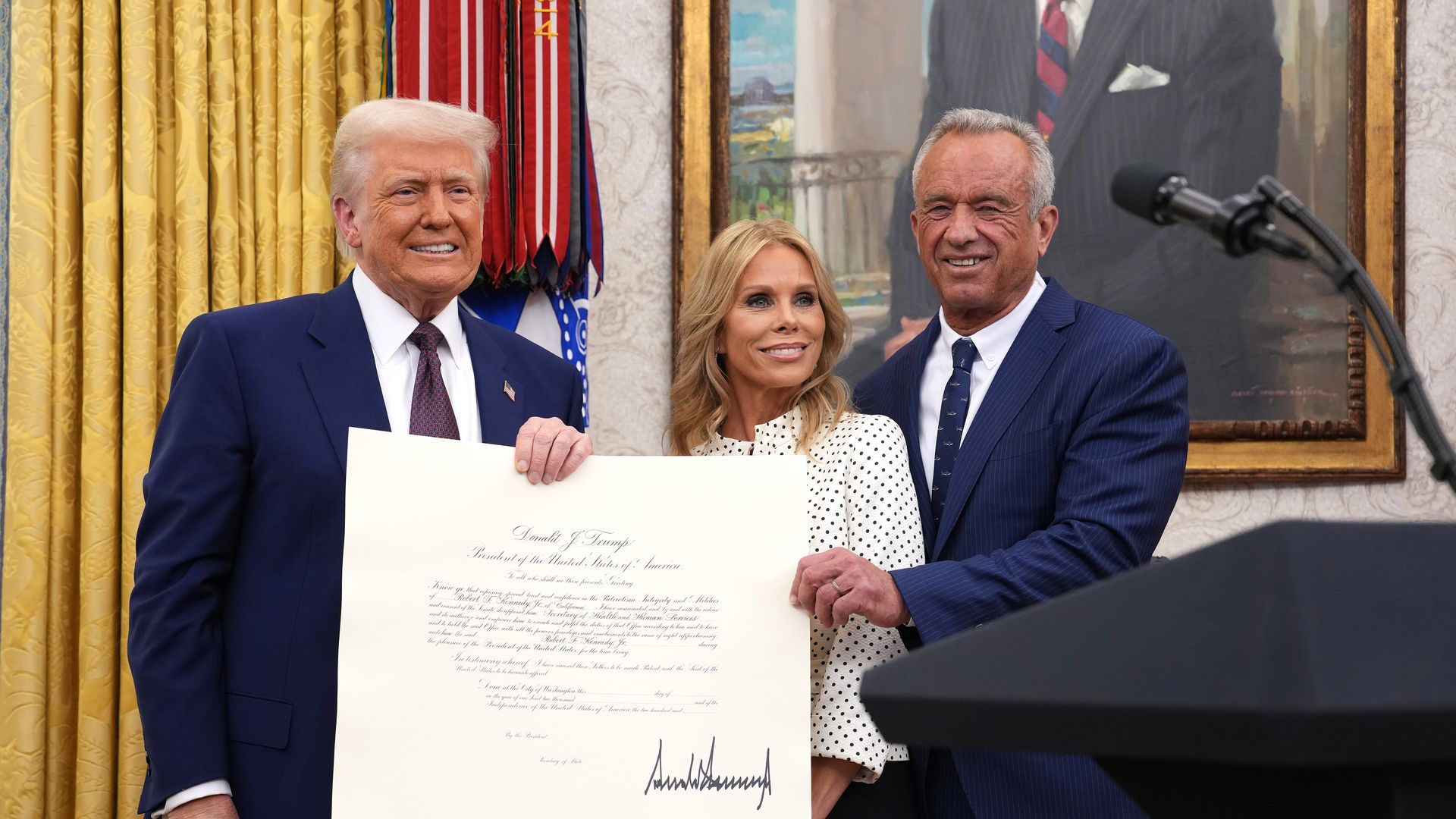
President Trump on Thursday launched a commission to be headed by new HHS Secretary Robert F. Kennedy Jr. that will study childhood chronic illnesses, including asthma, autoimmune illnesses and autism.
The big picture: The Make America Health Again Commission, announced shortly after Trump swore in Kennedy in the Oval Office, is charged with creating a strategy on improving childhood health, with explicit directions to scrutinize the use of common medications like stimulants.
Zoom in: Trump's order calls for a report within 100 days that assesses the "threat that potential over-utilization of medication," along with certain food ingredients and chemicals pose to children.
- The order specifically directs the commission to assess widely-used mental health interventions like selective serotonin reuptake inhibitors, antipsychotics, mood stabilizers and stimulants, as well as weight-loss drugs.
- The commission will also examine the effectiveness of federal data on childhood health and evaluate current child health education and funding programs.
The group is directed to create a strategy for a response to childhood chronic illness within 180 days.
Kennedy will chair the commission, which will also include secretaries of the departments of veterans affairs, education, agriculture, environmental protection and other agencies, as well as White House leaders including the director of the Office of Management and Budget.
- The leaders of the FDA, CDC and NIH are also included. The order does not mention how administrators of Medicare and Medicaid.
The order also directs NIH to prioritize research on the "root causes" of illness.
- Agencies should work with farmers to ensure the health and affordability of U.S. food, and all federally funded health research should be transparent and "avoid or eliminate conflicts of interest that skew outcomes and perpetuate distrust," the order adds.
- It also indicates that changes could extend into what health insurance plans cover: The order directs agencies to make "expanded treatment options" available and to allow health insurance plans can cover benefits that support lifestyle changes and disease prevention.
Context: Before being nominated to head HHS, Kennedy built the MAHA movement around concerns about the food supply and drug industry profiteering.
- It taps into public frustration with corporate medicine and what supporters claim it is an overriding public health focus on infectious diseases.
- But along the way, it became a forum for some conspiracy-tinged ideas about corruption within the FDA, fluoride in drinking water and vaccines.

McMahon grilled on DOGE and DEI as Education Department upheaval looms
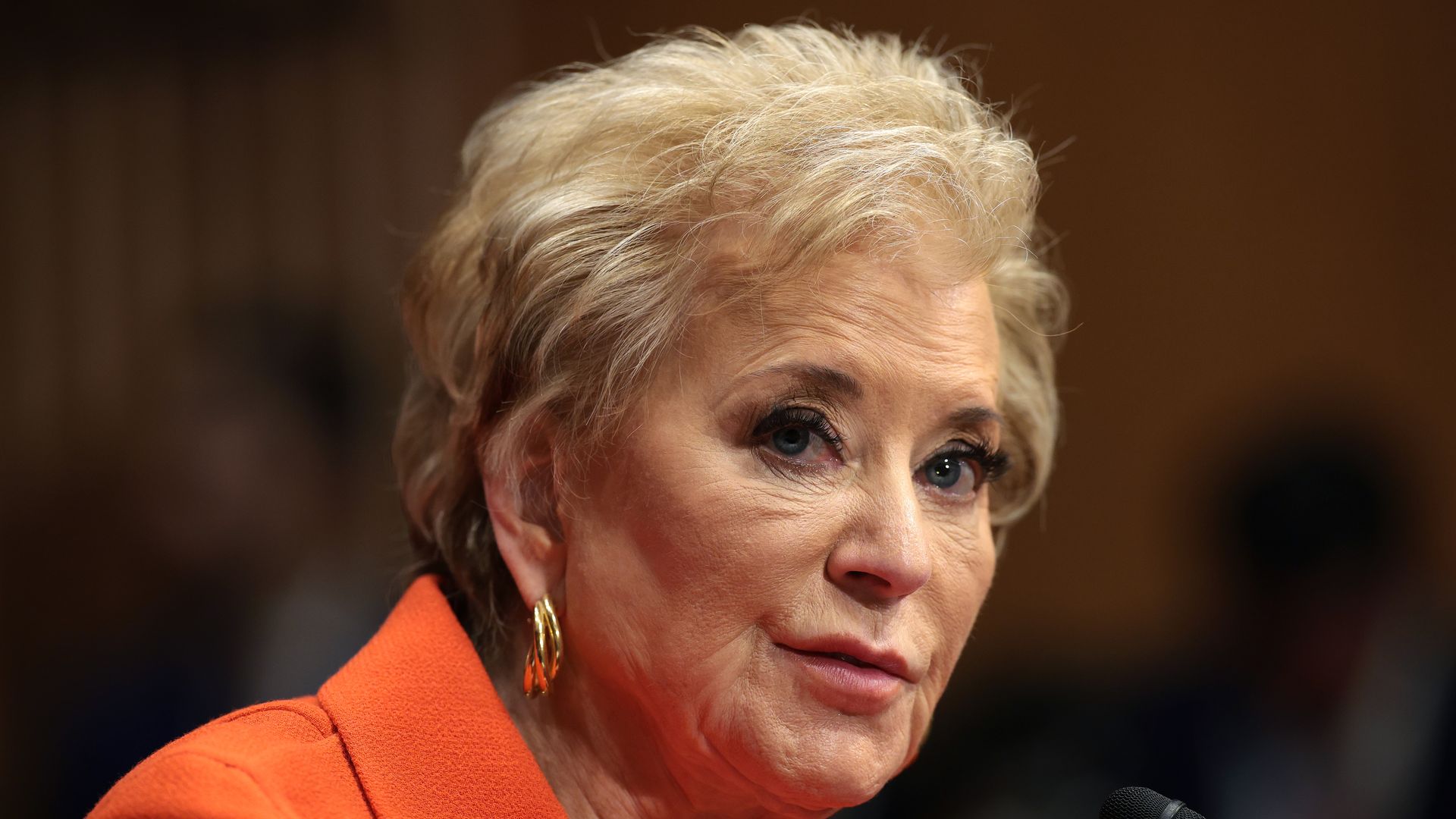
Linda McMahon, President Trump's pick to head the Department of Education, floated lofty goals for the administration's mission to "return education to the states" Thursday at her confirmation hearing.
The big picture: But she gave few details on how she would balance Trump's vow to abolish the agency with preserving — and reorganizing — federal education programs.

RFK Jr. survives Senate confirmation battle for HHS chief spot
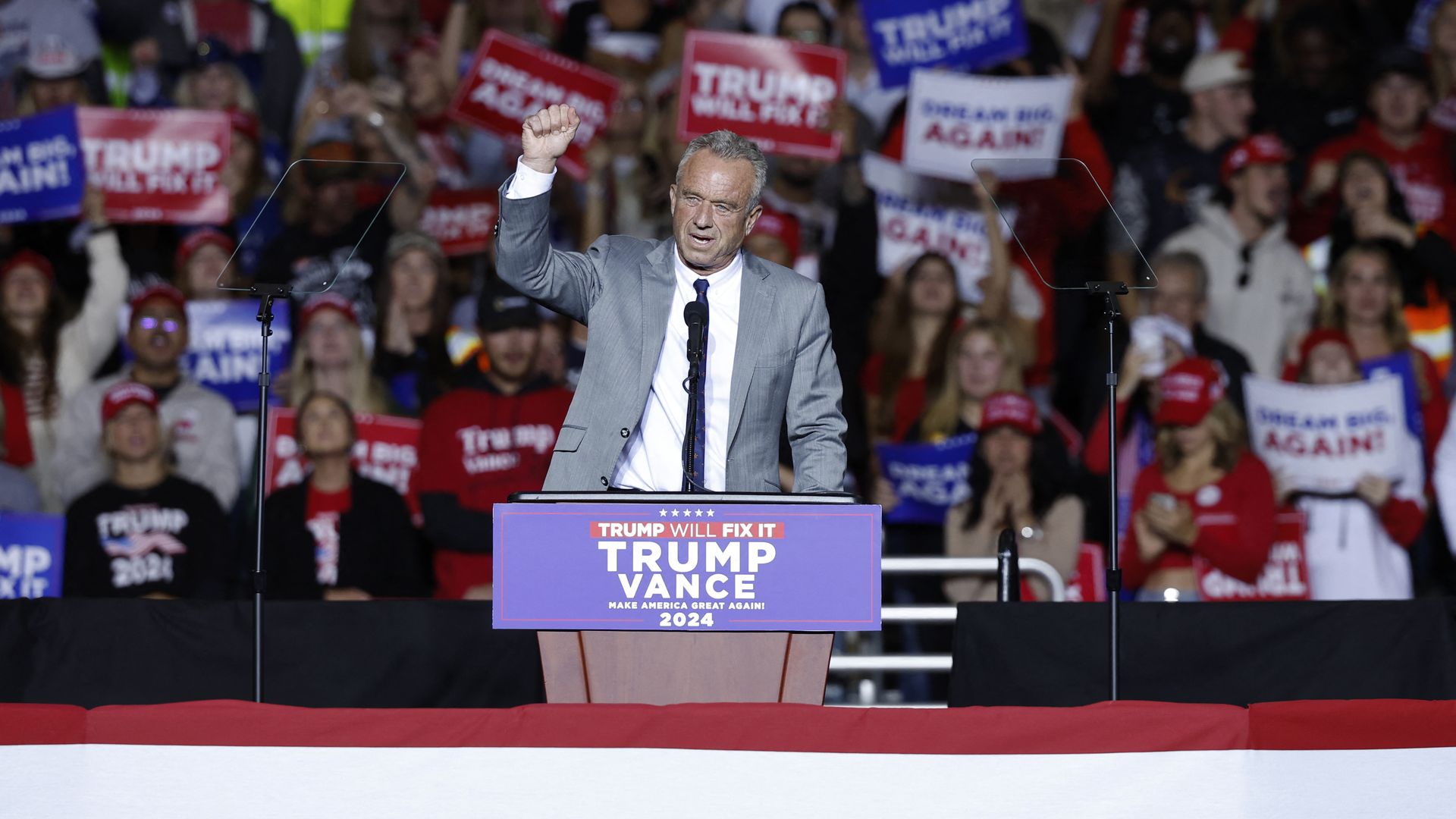
The Senate confirmed Robert F. Kennedy Jr. to lead the Department of Health and Human Services on Thursday, voting largely along party lines.
Why it matters: The success of Kennedy's nomination — despite bipartisan concerns about his record opposing vaccines and other questions about past stances — demonstrates the degree to which Senate Republicans are willing to fall in line behind President Trump.
Texas measles outbreak fans fears of wider rebound
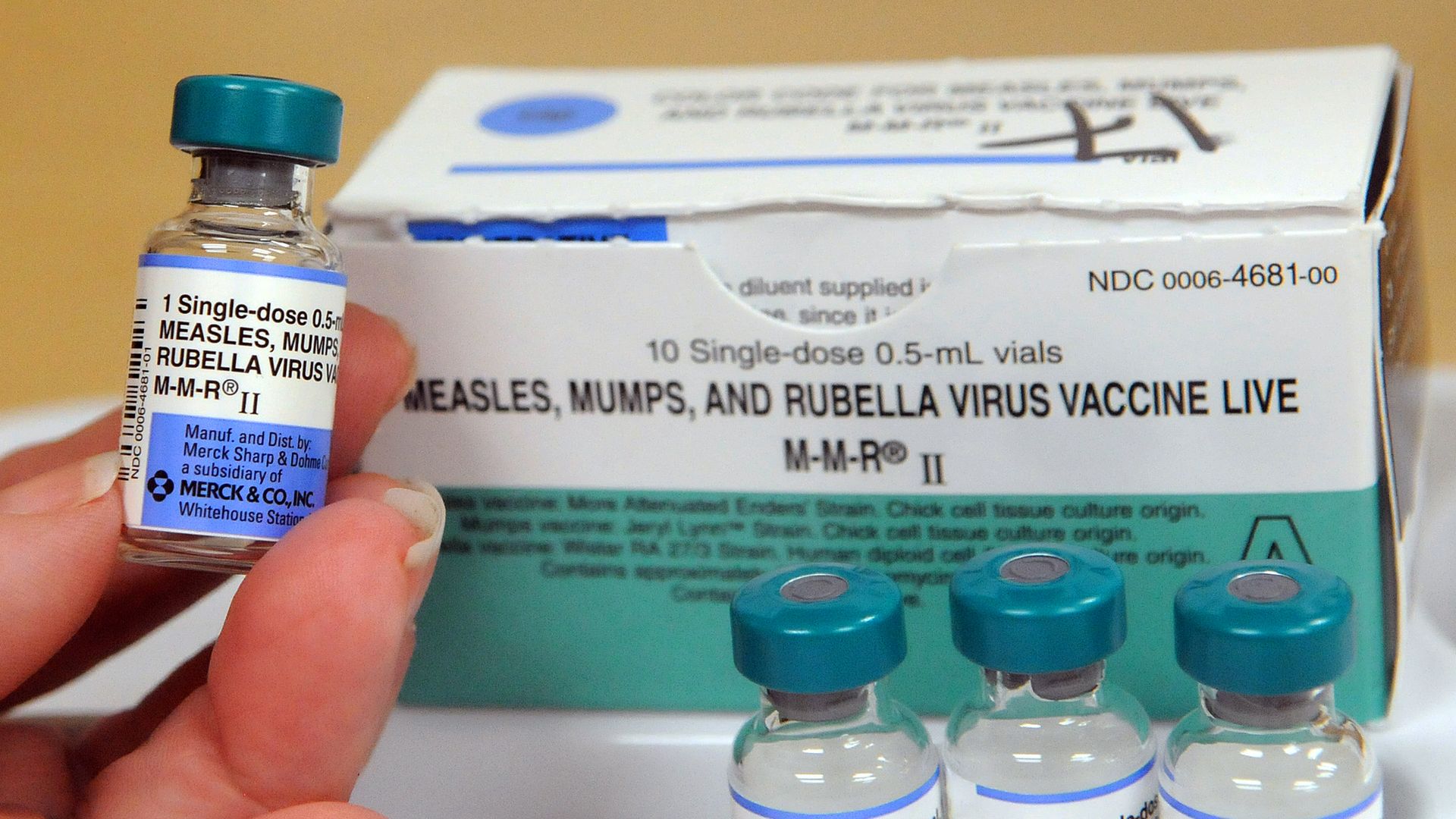
At least two dozen cases of measles have been reported in a single county in Texas over the past two weeks, in the latest sign the disease is rebounding amid falling vaccination rates.
Why it matters: Public health experts say the spread of the highly contagious and potentially life-threatening disease is preventable, noting cases have surged in areas with high vaccination exemption rates.
Black maternal health efforts face unclear future under Trump

Trump administration attempts to dismantle DEI initiatives are alarming public health researchers, who fear they could thwart efforts to reduce the outsized mortality rate for Black mothers in the U.S.
Why it matters: The pandemic put a spotlight on long-standing inequities in health care, including a pregnancy-related death rate for Black women that is more than three times the rate for white mothers. About 80% of these deaths are preventable.