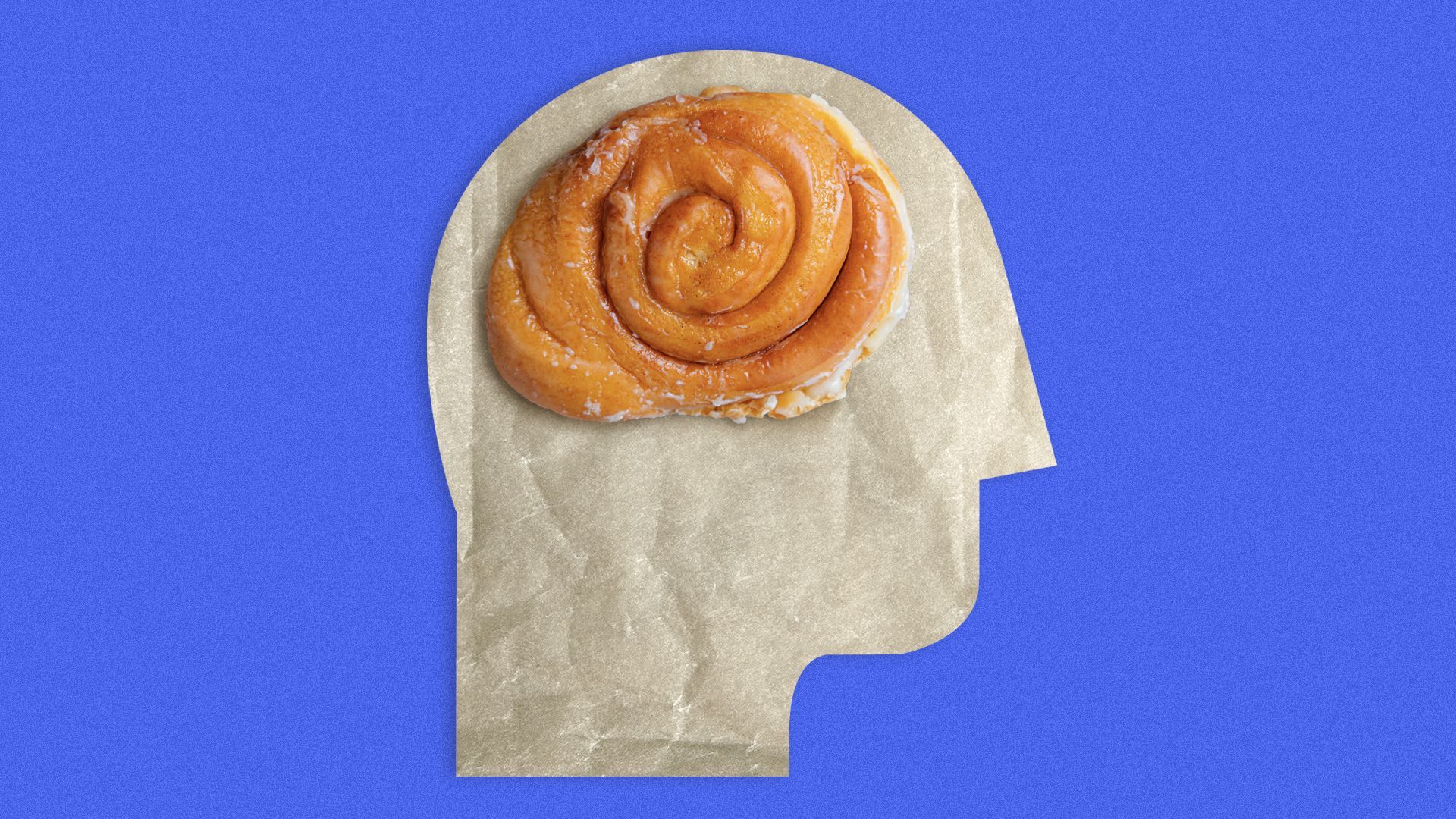
We know how ultra-processed foods like chips and sugary cereals affect our bodies. New research is digging into how junk food hits our brains.
Why it matters: Beyond elevating risk of obesity, diabetes and heart disease, heavily processed foods can harm mental health, mess with sleep — and even be addictive like alcohol or nicotine.
Most health providers get very little training on how to care for the millions of Americans with intellectual and developmental disabilities, but a new coalition is trying to change that.
Why it matters: Americans with intellectual or developmental disabilities including autism, Down syndrome and ADHD have more unmet health needs than their peers.
Pharmaceutical interests lost a closely watched battle over the federal drug discount program on Tuesday when a federal appeals court ruled that Arkansas can block manufacturers from limiting the availability of discounted drugs at certain pharmacies.
Why it matters: The decision from the 8th U.S. Circuit Court of Appeals could encourage look-alike state laws that take aim at restrictions on when providers can use discounts from the 340B program.
Why it matters: Hospitals, doctors' offices and pharmacies are still struggling with the fallout of the outage of Change Healthcare's payment system, as they worry emergency measures won't be enough if the disruption drags on.
President Biden's election-year budget lays out a possible second-term health care agenda focused on advancing policies that were scaled back or dropped fromthe defining legislative fights of his first term.
Why it matters: Presidential budgets are largely political messaging tools, and the fiscal year 2025 blueprint released Monday highlights Biden's preference to build on populist health reforms rather than push sweeping overhauls that tend to be divisive.
Some of America's bluest cities and states are abandoning progressive approaches to drug use and homelessness, instead embracing harder-line measures amid political backlash.
Why it matters: The worsening drug overdose, mental health and housing crises that are often intertwined and increasingly spill into U.S. streets are fueling the shift away from more compassionate approaches.
The big picture: The pharmacy giant neither admitted nor denied wrongdoing in the settlement, which included payment of $50,000 to cover costs including civil penalties, in news first reported by Reuters. But it did agree to not overcharge on such items.






/2024/03/12/1710270188553.gif?w=3840)