Eli Lilly is poised to sell medicine directly to consumers — with an emphasis on newly popular weight-loss drugs — in a move toward cutting out the controversial middle players in drug distribution.
Why it matters: Pharmaceutical companies typically aren't in the business of selling their drugs to individuals — but the weight-loss drug boom is sufficiently lucrative to shake up the status quo.
The Food and Drug Administration is examining reports of suicidal thoughts and other possible side effects linked to a class of blockbuster obesity drugs and whether it needs to take regulatory action.
Driving the news: An update to the agency's adverse event reporting system cited the risk of suicidal ideation; alopecia, or hair loss; andinhalation of stomach contents is connected to drugs treating diabetes and weight loss that include Wegovy, Ozempic, Mounjaro and Zepbound.
Vivek Ramaswamy sold $33 million worth of shares in the biotech company he founded, as he fights to stay competitive in the GOP presidential primary race.
Why it matters: Ramaswamy will use some of the proceeds to make a "significant investment" in his campaign, a spokesperson confirmed to Axios.
Hospital patients are more likely to fall or acquire infectionsinside of private equity-owned facilities than in peer facilities, according to a study by Harvard Medical School and University of Chicago researchers.
Why it matters: Private equity is coming under more scrutiny as it buys more health care providers, and that could lead to new regulations.
A startup that created a voice-based AI app to manage insulin and other prescriptions is launching Thursday with backing from powerhouses including Mayo Clinic and Eli Lilly.
Driving the news: Palo Alto, California-based UpDoc is among a growing list of companies jumping into the AI-enabled device space. Company officials told Axios first they plan to launch the "remote patient intervention" tool later this year at UCSF Health and Stanford.
Amid growing cybersecurity threats to health care facilities, federal officials and health systems are turning their attention to potential vulnerabilities hiding in plain sight in hospital rooms, imaging centers and even patients' homes: medical devices.
Why it matters: Hackers have especially targeted health systems for their valuable troves of patient data and in some cases have temporarily knocked systems offline, disrupting patient care.
More patients on insulin will pay less for the drug this year after a leading manufacturer joined rivals in curbing monthly costs or lowering prices.
Why it matters: Amid a broader debate over high drug prices, rising insulin costs sparked outrage given that it's an old drug that millions of Americans with diabetes depend on.
Health insurance behemoth Cigna is reportedly in advanced talks to sell its Medicare Advantage business to Health Care Service Corp. for as much as $4 billion.
Why it matters: The move marks a reversal of the company's expansion into the senior government health insurance sector and follows a failed December 2023 attempt to negotiate an acquisition of rival Humana.
Researchers found ChatGPT incorrectly diagnosed over 8 in 10 selected pediatric case studies, raising questions about some bots' suitability for helping doctors size up complex conditions.
The big picture: Large language models like OpenAI's ChatGPT are trained on massive amounts of internet data and can't discriminate between reliable and unreliable information, researchers at Cohen Children's Medical Center wrote.
A number of states require places like gyms and sports arenas to keep automated external defibrillators (AEDs) on hand, but those laws have made little difference in how often the life-saving devices are deployed in emergencies, a new JAMA Internal Medicine study finds.
Why it matters: AEDs, which provide an electric shock that can restore normal heart rhythm, can greatly improve the chances of survival from cardiac arrest if bystanders act quickly to use them.
The discontinuation of a popular asthma inhaler this week has raised alarms among doctors who worry about patients, particularly kids, experiencing delays in accessing alternatives.
Why it matters: The potential gaps in access come at a peak time in respiratory virus season, when breathing conditions like asthma, commonly treated with the inhalers, are more likely to be exacerbated.
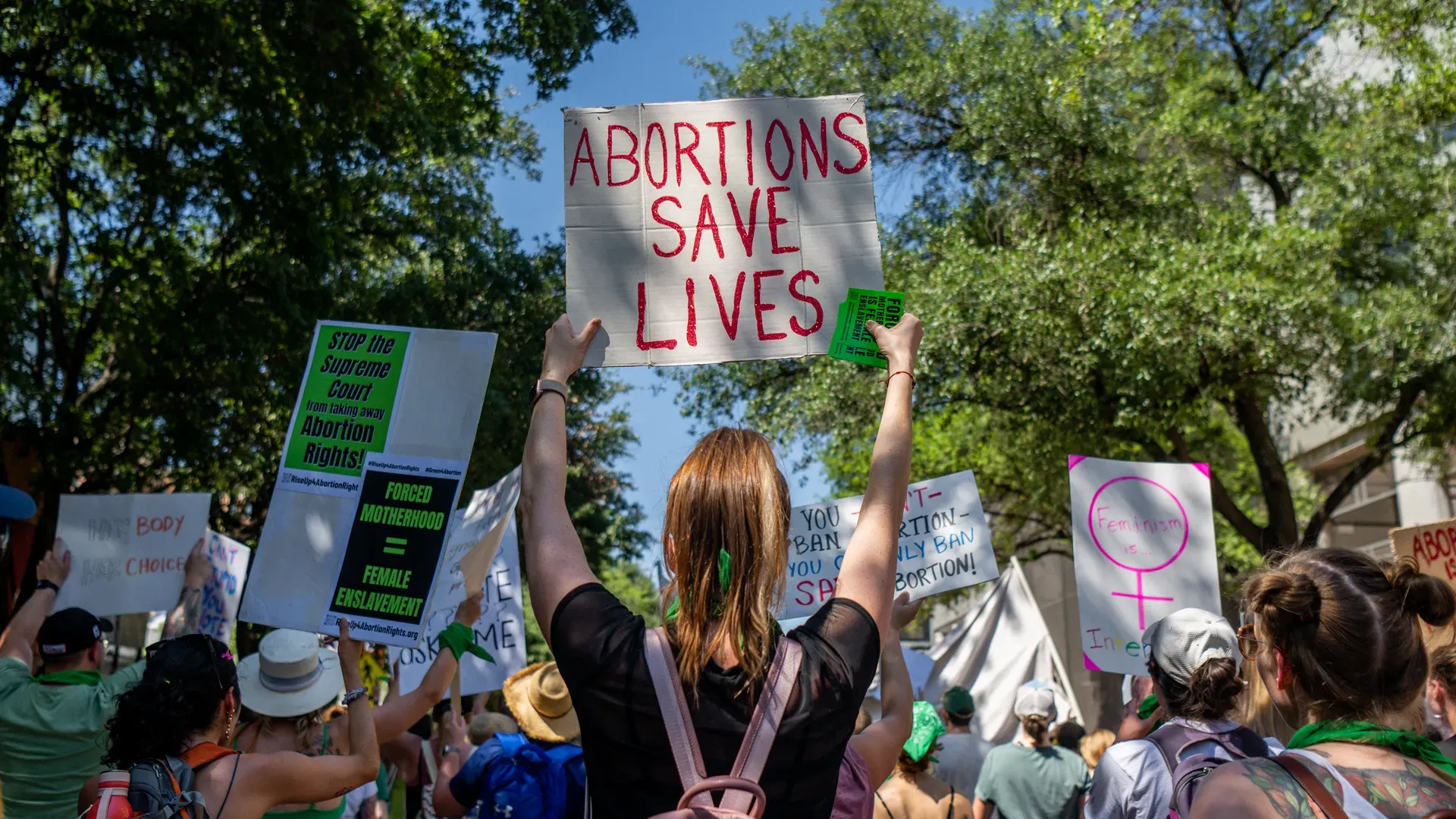
A federal appeals court on Tuesday ruled that Texas can prohibit emergency abortions despite the Biden administration arguing that federal guidance trumps state laws.
The big picture: The state had sued the Department of Health and Human Services over its guidance on the federal Emergency Medical Treatment and Labor Act (EMTALA), which requires that health providers perform abortions in emergency situations.







/2024/01/04/1704384144326.gif?w=3840)

/2024/01/03/1704324860868.gif?w=3840)