"Pro-life" and "pro-choice" — decades-old labels around abortion in the U.S. — are rapidly losing favor among lawmakers and advocates.
Why it matters: Abortion rights are set to remain a major issue in the 2024 election and helped Democrats avoid sizeable losses in last year's midterms.
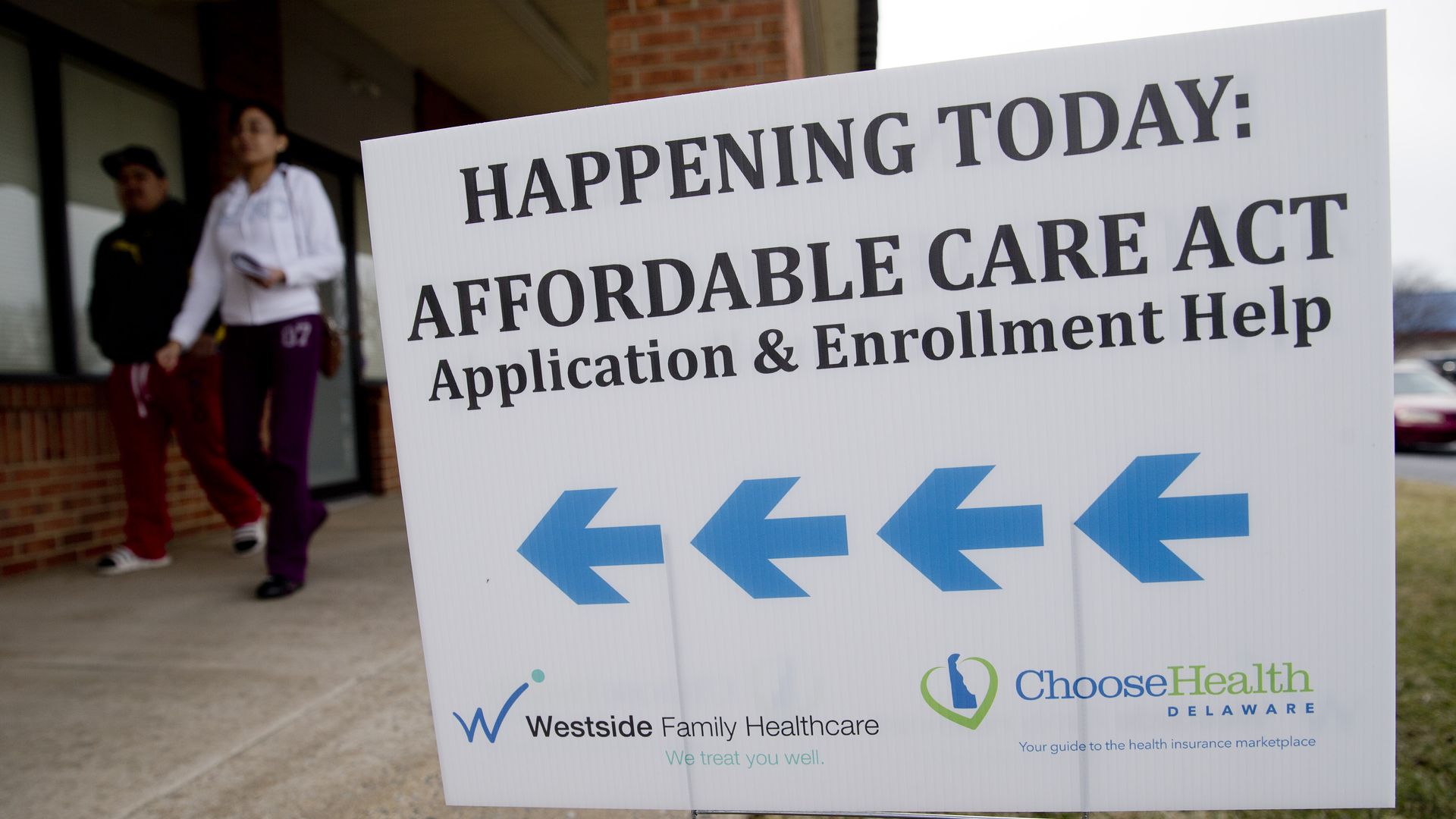
People buying their own health insurance may see fewer plan choices when HealthCare.gov enrollment in 2024 coverage opens on Nov. 1 — but that's by design.
Driving the news: Federal officials overseeing the Affordable Care Act marketplaces say they limited the number of plans health insurerscan offer to reduce "choice overload."
Haunted houses are high-reactivity zones where jump scares are encouraged and yelling is allowed — a social equalizer for all who dare enter.
The big picture: Some enthusiasts with ADHD or autism may feel scary-good about haunted houses, says Greg Siegle, who is researching autism and threat reactivity systems at the University of Pittsburgh.
Democratic lawmakers on Thursday introduced legislation that would require employers to provide at least seven days of paid time off following a pregnancy loss.
Why it matters: Miscarriages are common, occurring in an estimated 10% to 20% of known pregnancies. While more employers are offering paid leave following a pregnancy loss, there's no national paid leave program.
The Biden administration is ramping up efforts to harden defenses around the U.S. health care infrastructure, releasing an updated cyber "toolkit" to help the sector better defend against hackers.
Why it matters: Health care is a high-value, target-rich industry facing increasing attacks, and the problem is increasingly being recognized as a threat to patient safety when providers are forced to divert or shut down care.
As health care costs continue to rise, more than half of working-age Americans said they've struggled to afford care this year, according to a new Commonwealth Fund survey.
Why it matters: The survey is the latest evidence of how people with insurance are struggling to pay medical bills, forcing them to forgo or delay needed care.
Staffing shortages, more dangerous workplaces, aging physicians and the increasing politicization of medicine: The warning signs for America's burned-out health care workforce are all there.
Why it matters: A strained health care system may be heading in a dangerous direction in the pandemic's aftermath, according to new data points and a blunt warning from the head of the nation's leading medical association.
As pharmacists attempt to pivot from pill-dispensing and administrative tasks to patient care, robots and AI software are starting to shoulder more of the back-end work — albeit slowly.
Why it matters: Recent pharmacist walkouts — which could go nationwide next week — point to the profession's high level of burnout and overwork, which automation and "smarter" computer systems could help offset.


/2023/10/16/1697474417199.gif?w=3840)





/2023/10/25/1698270855114.gif?w=3840)