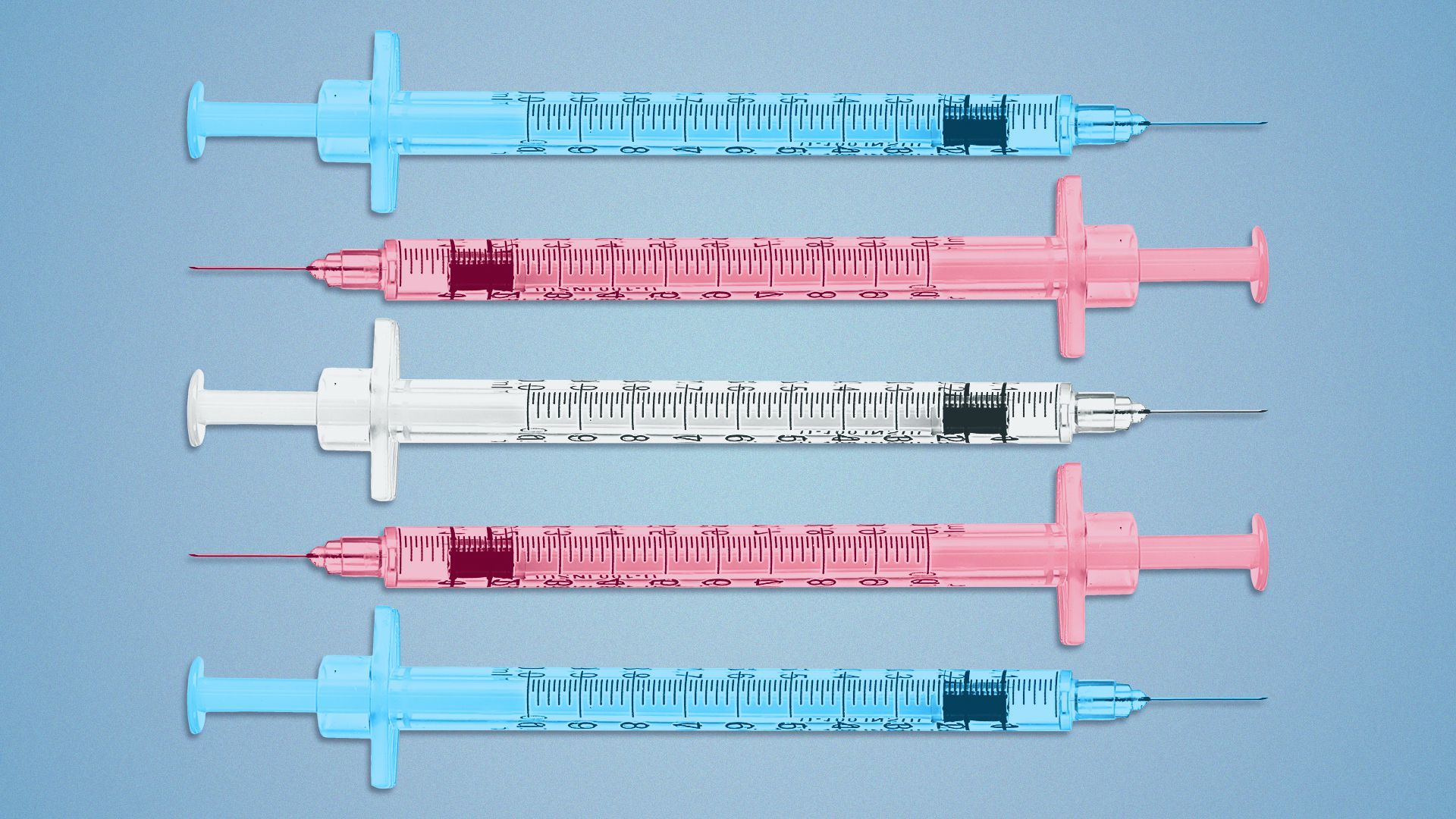
Anti-transgender campaigns resulted in the online harassment of 24 different hospitals and health care providers in 21 states over a recent four-month period, according to a report from Human Rights Campaign shared first with Axios.
The big picture: Despite being uniformly recommended by major medical organizations including the American Medical Association and the American Academy of Pediatrics, gender-affirming care has been under fire from a variety of directions, including via legislative attacks and online threats.
The Biden administration faces a host of high-stakes decisions on prescription drug costs over the next several months, accompanied by pressure from congressional Democrats eager for a sequel to pricing components in the Inflation Reduction Act (IRA).
The big picture: Democrats just delivered on their decades-long promise to allow Medicare to negotiate drug prices. But that legislative victory kicked off a series of difficult decisions the administration will have to make as it decides how much further to go addressing costs.
Amgen on Monday said that it's agreed to buy rare disease drugmaker Horizon Therapeutics for $27.8 billion in cash.
Why it matters: This is the year's largest pharma merger. It's also the richest acquisition ever for Amgen, which gets access to blockbuster thyroid eye disease drug Tepezza.
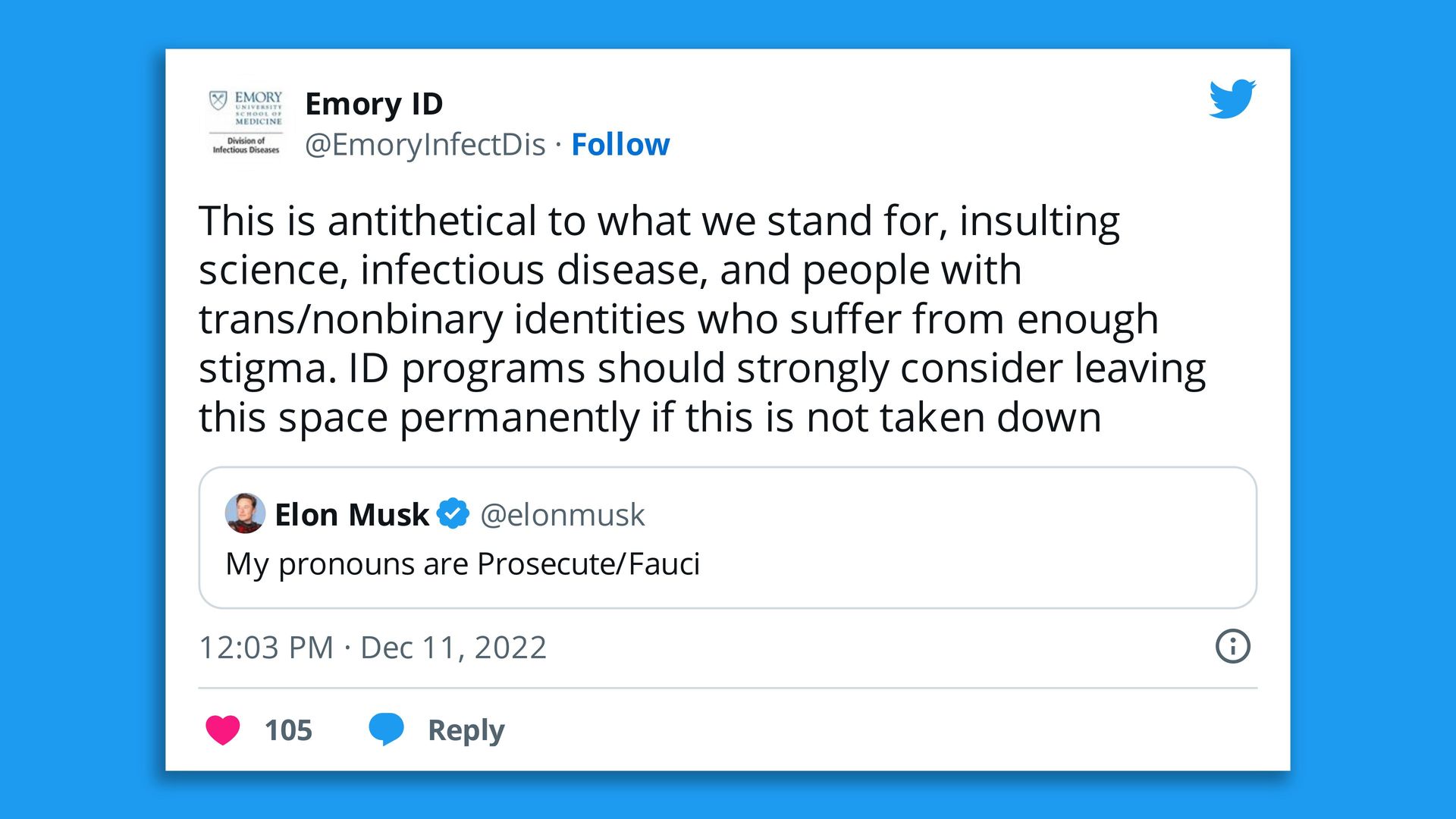
Members of the medical community lashed out at Elon Musk on Sunday after Musk tweeted, without apparent context, "My pronouns are Prosecute/Fauci" in reference to the outgoing NIAID director.
Why it matters: Some medical experts have already left the social media platform since Musk took over and stopped enforcing COVID disinformation policies. However, many health care users have largely continued using Twitter.
A new generation of FDA-approved diabetes drugs that can also help patients lose weight is prompting demand so strong that it's led to shortages.
Why it matters: At least 1 in 3 American adults meets the definition of obese, which can bring an increased risk of heart disease, diabetes, and certain cancers, per the CDC. The condition is estimated to cost the U.S. health care system nearly $173 billion a year.
MedPAC wants Congress to increase hospitals and clinicians' 2o24 Medicare payment rates.
Why it matters: If Congress opts not to follow the recommendations, CMS has to make payment updates according to current law — setting up another year of providers running to lawmakers for relief from Medicare cuts after the fact.