A district court on Friday night temporarily blocked Texas officials from investigating two families for child abuse if they seek gender-affirming care for their trans children.
Driving the news: The court granted a temporary injunction to block Texas' Department of Family and Protective Services (DFPS) from investigating some families that are part of PFLAG National, an LGBTQ advocacy group that filed a lawsuit in June challenging a directive issued by Gov. Greg Abbott in February.
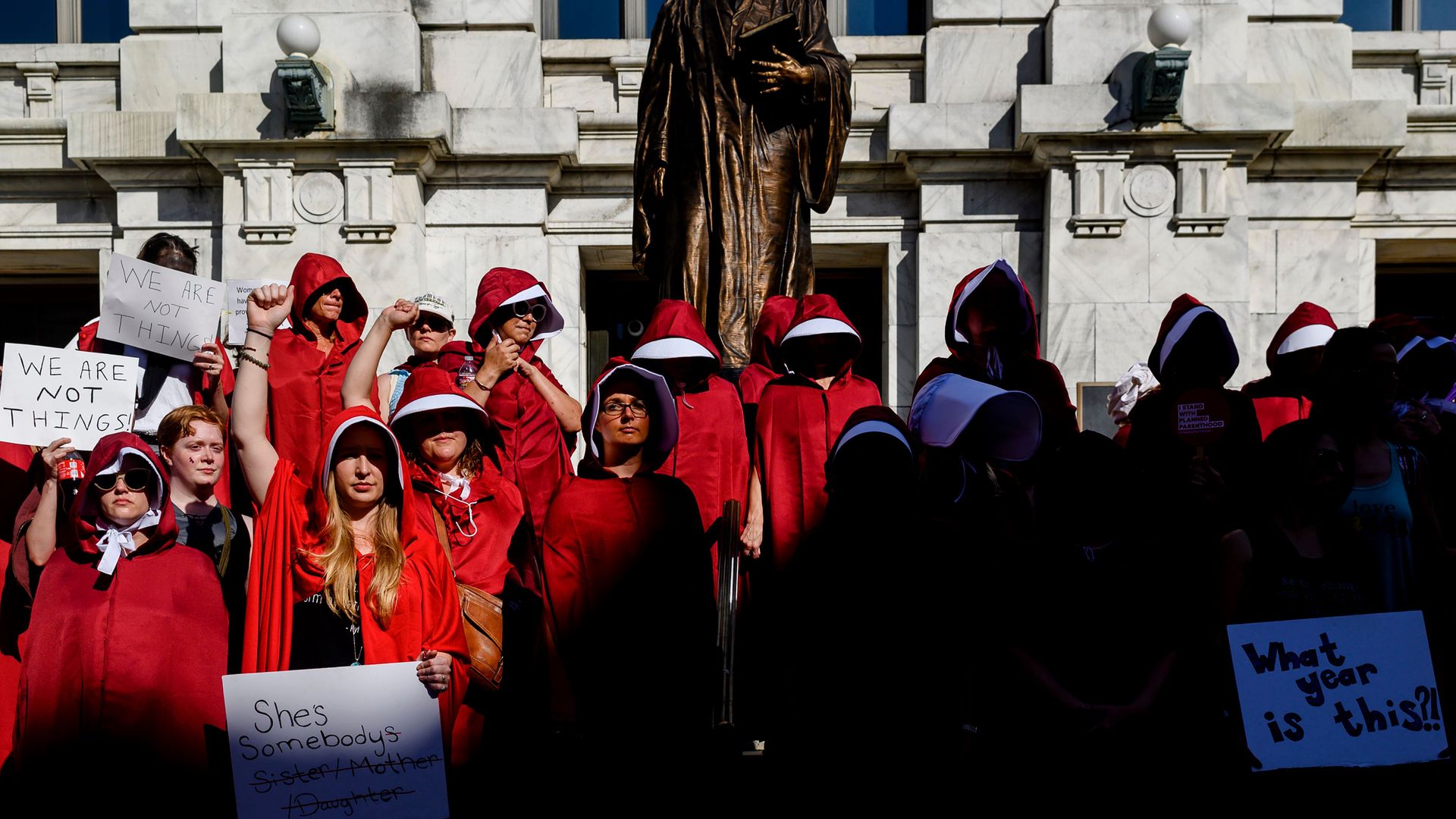
A state judge on Friday lifted an order temporarily blocking Louisiana's abortion trigger bans from being in effect — nearly all abortions are now illegal in the state.
Driving the news: Louisiana's trigger laws had been blocked since June 27, after abortion providers sued the state over the bans, which they had said violated the state's constitution.
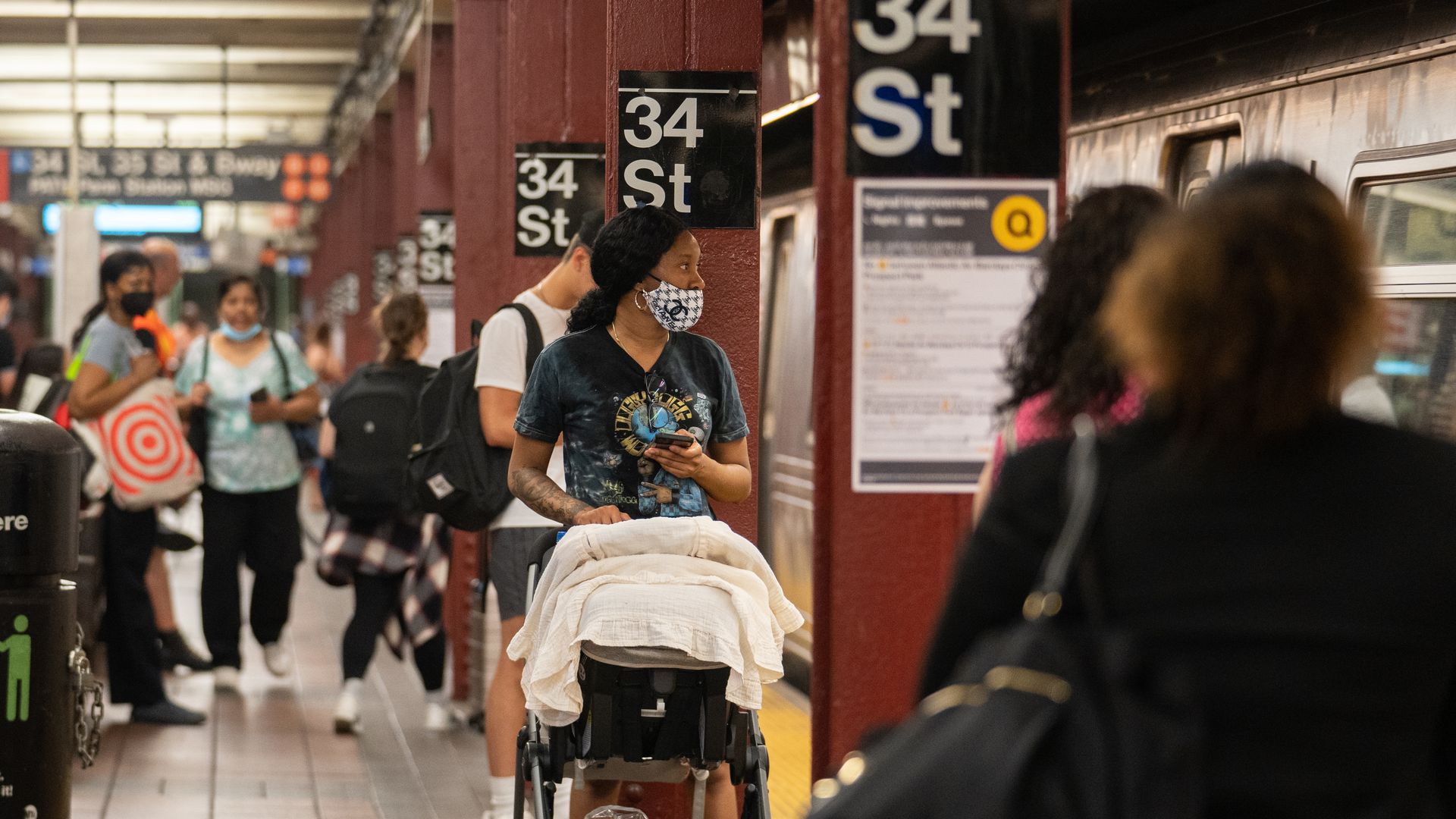
New York City health officials said Friday all New Yorkers should wear high-quality face masks indoors and near crowds due to a rise in COVID-19 cases.
Driving the news: "We're currently seeing high levels of COVID-19 in NYC," the city's Department of Health said in a tweet recommending N95, KN95 or KF94 masks for the public.
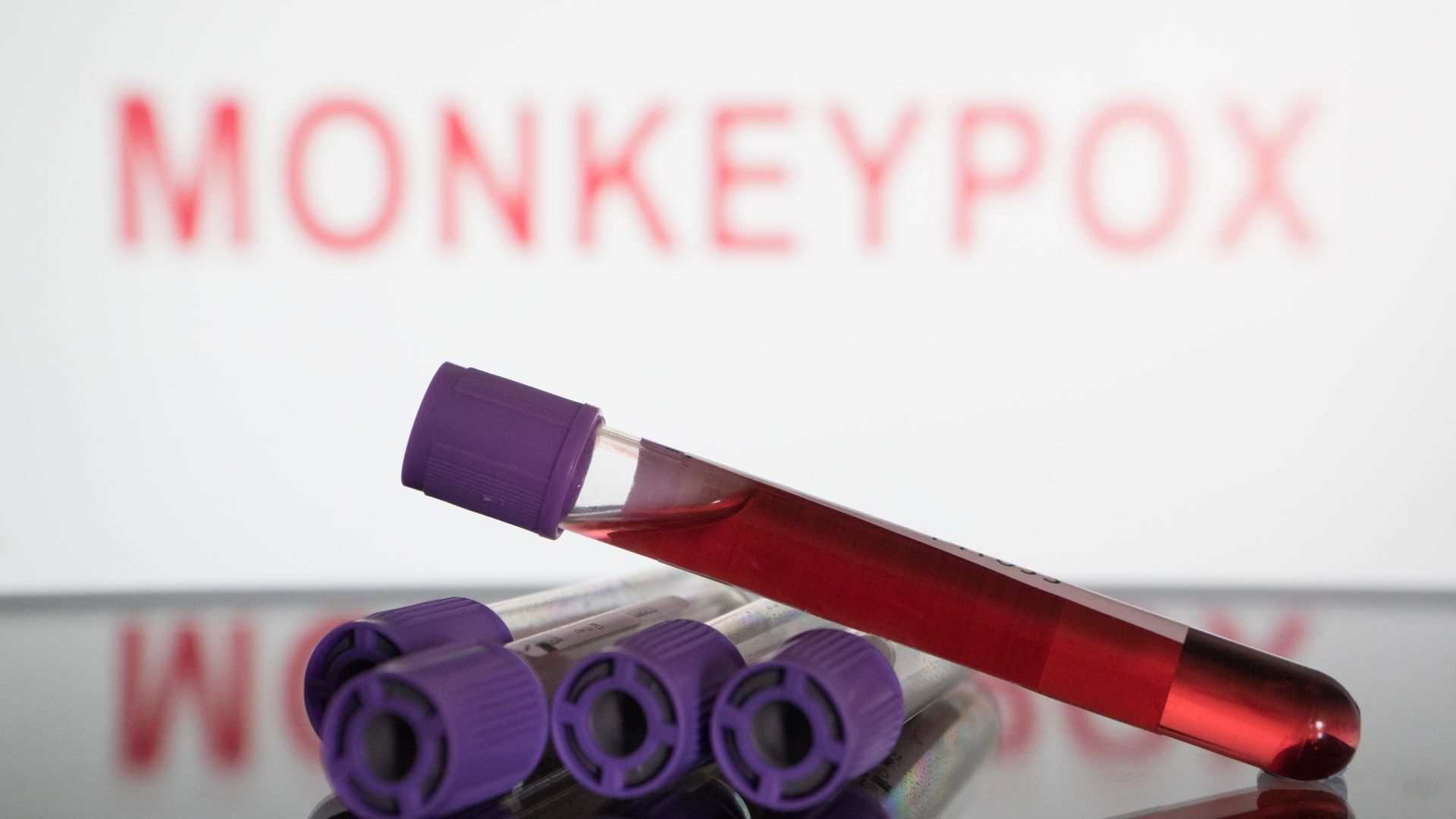
Why it matters: A lack of testing has kept public health officials in the dark about how widespread monkeypox is in the United States and posed new uncertainties for the medical system, Axios’ Arielle Dreher reports.
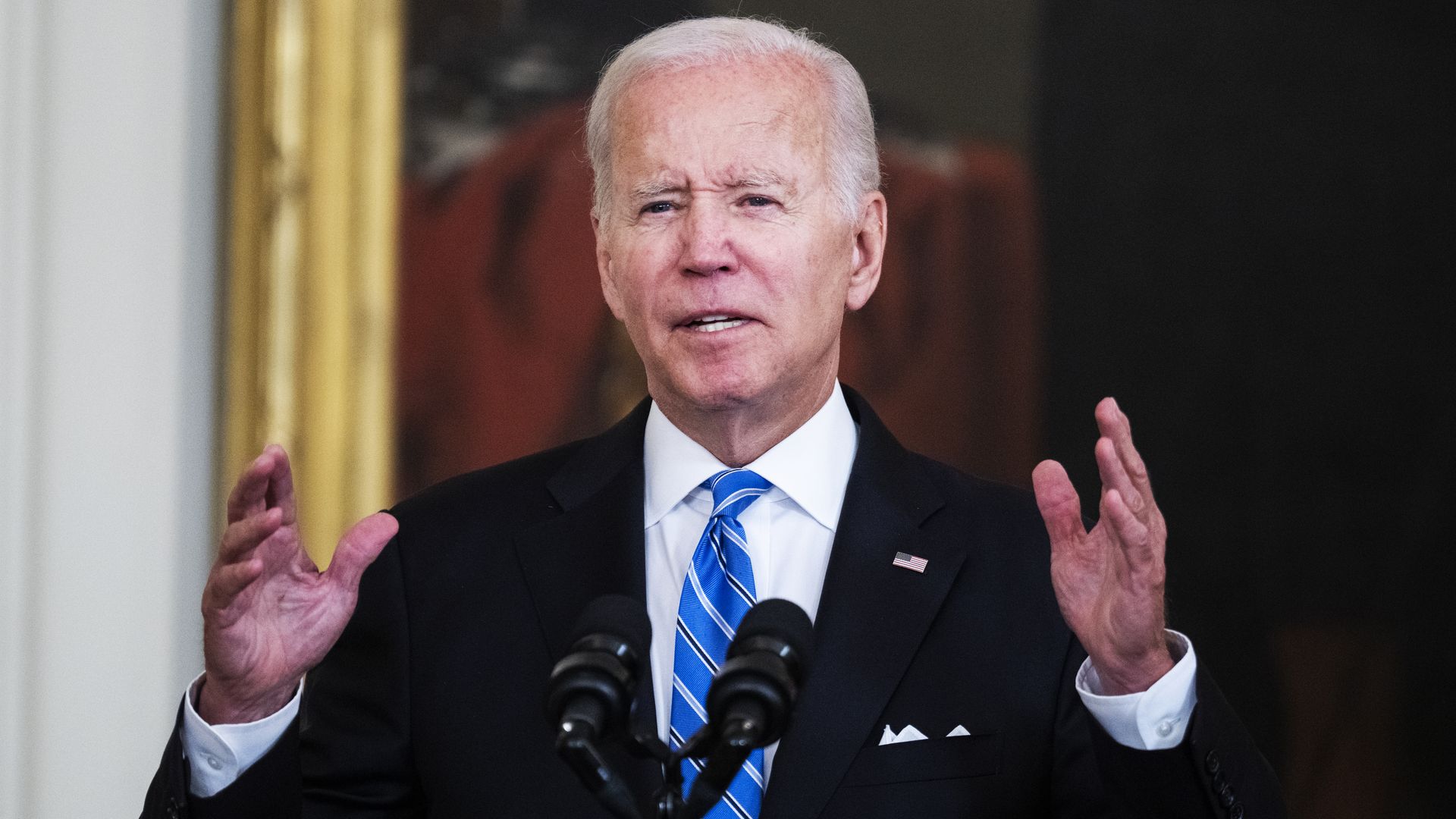
President Biden on Friday signed an executive order aimed at protecting abortion access after the Supreme Court overturned Roe v. Wade.
Why it matters: Biden has faced intense pressure from his own party to act more aggressively on abortion. Many conservative states had "trigger laws" in place that banned or severely limited abortions in the days following the ruling and more bans are expected.
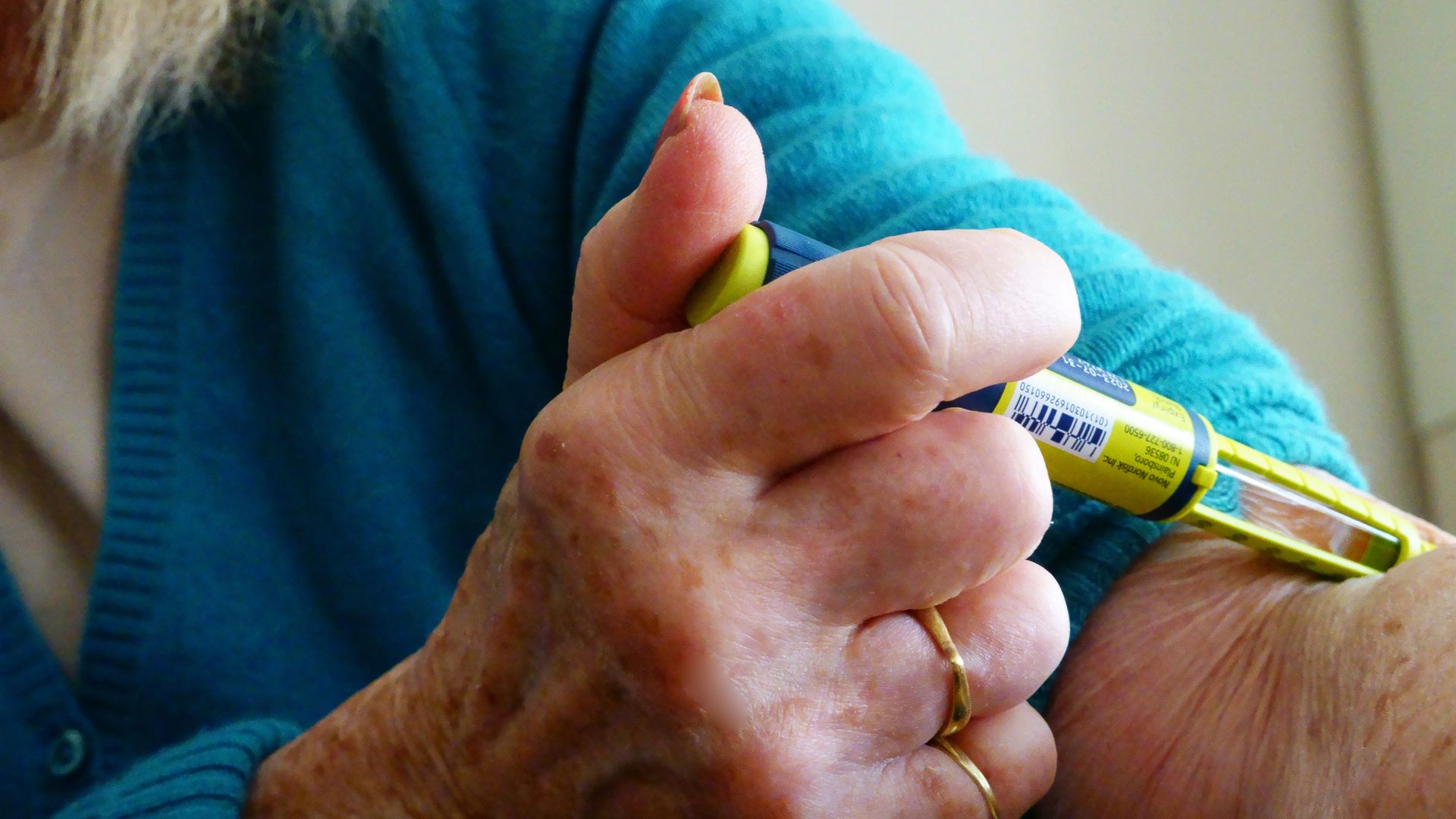
Five Republican senators are warning against fast-tracking a bill to cap insulin costs, saying its “far-ranging implications” merit congressional hearings and a more extensive discussion.
Why it matters: It could be a serious hurdle to bipartisan efforts to limit out-of-pocket costs for more than 37 million Americans with diabetes.
Flashback: Senate Majority Leader Chuck Schumer last month indicated he wanted to schedule a floor vote on the bill from Sens. Jeanne Shaheen (D-N.H.) and Susan Collins (R-Maine) “very soon.”
That’s not sitting well with Republicans on the Senate Finance Committee, who say they want a chance to hear from experts, debate the legislation and potentially amend it in the committee.
“As with most proposals regarding drug pricing, their proposed changes involve trade-offs and far-ranging implications, which both deserve frank discussion,” the senators wrote to top lawmakers on the Finance panel.
The letter was signed by Sens. Pat Toomey, John Barrasso, Steve Daines, Rob Portman and Ben Sasse, who could be instrumental in getting the bill through the chamber.
Zoom out: The bill would cap the cost of insulin at $35 a month for individuals with private insurance and Medicare.
It doesn't guarantee lower list prices for insulin and could instead shift more of the cost to health insurers, resulting in higher premiums. America’s Health Insurance Plans has said the bill raises serious concerns.
Yes, but: More than a dozen patient advocacy groups are pushing for a vote, saying many diabetes patients are rationing insulin and struggling to afford a drug needed to keep them alive.
As this summer heats up, so has the spread of the hot new version of COVID-19.
Why it matters: This subvariant of Omicron called BA.5 — the most transmissible subvariant yet — quickly overtook previous strains to become the dominant version circulating the U.S. and much of the world.
A 4-foot-tall droid named Pepper — preprogrammed with hundreds of jokes — is one of two robots now working at a nursing home in Roseville, Minnesota, entertaining residents and helping monitor their health.
A sample from its sometimes-salty repertoire: "I went on a date with a Roomba last week — it totally sucked."
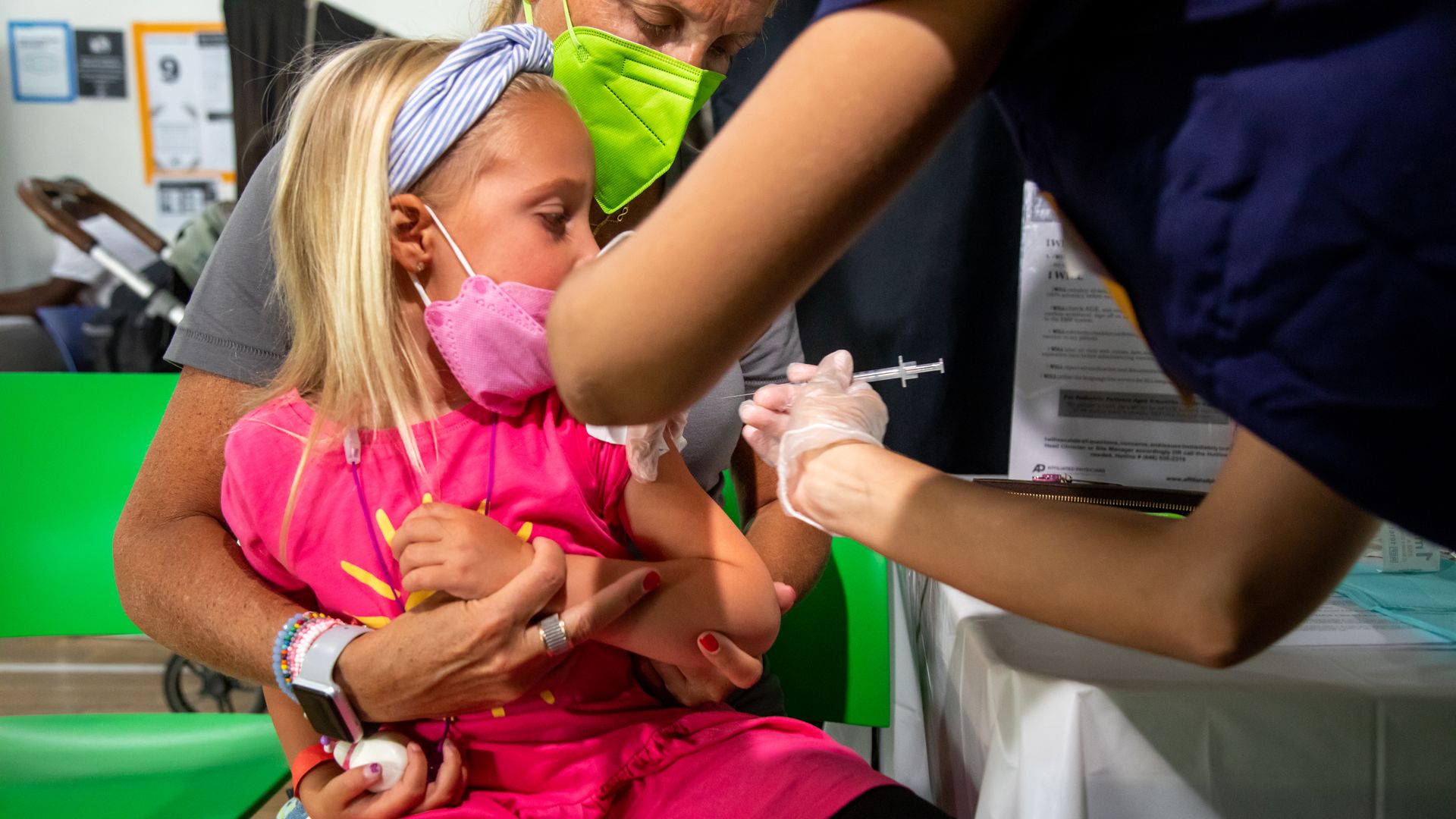
Children under the age of 5 are getting vaccinated against COVID-19 at a slower rate than other age groups, according to the AP.
Driving the news: About 300,000 children between 6 months and 5 years of age, or about 2% of the age group, have received the COVID-19 vaccine since it became available, CNN reported.