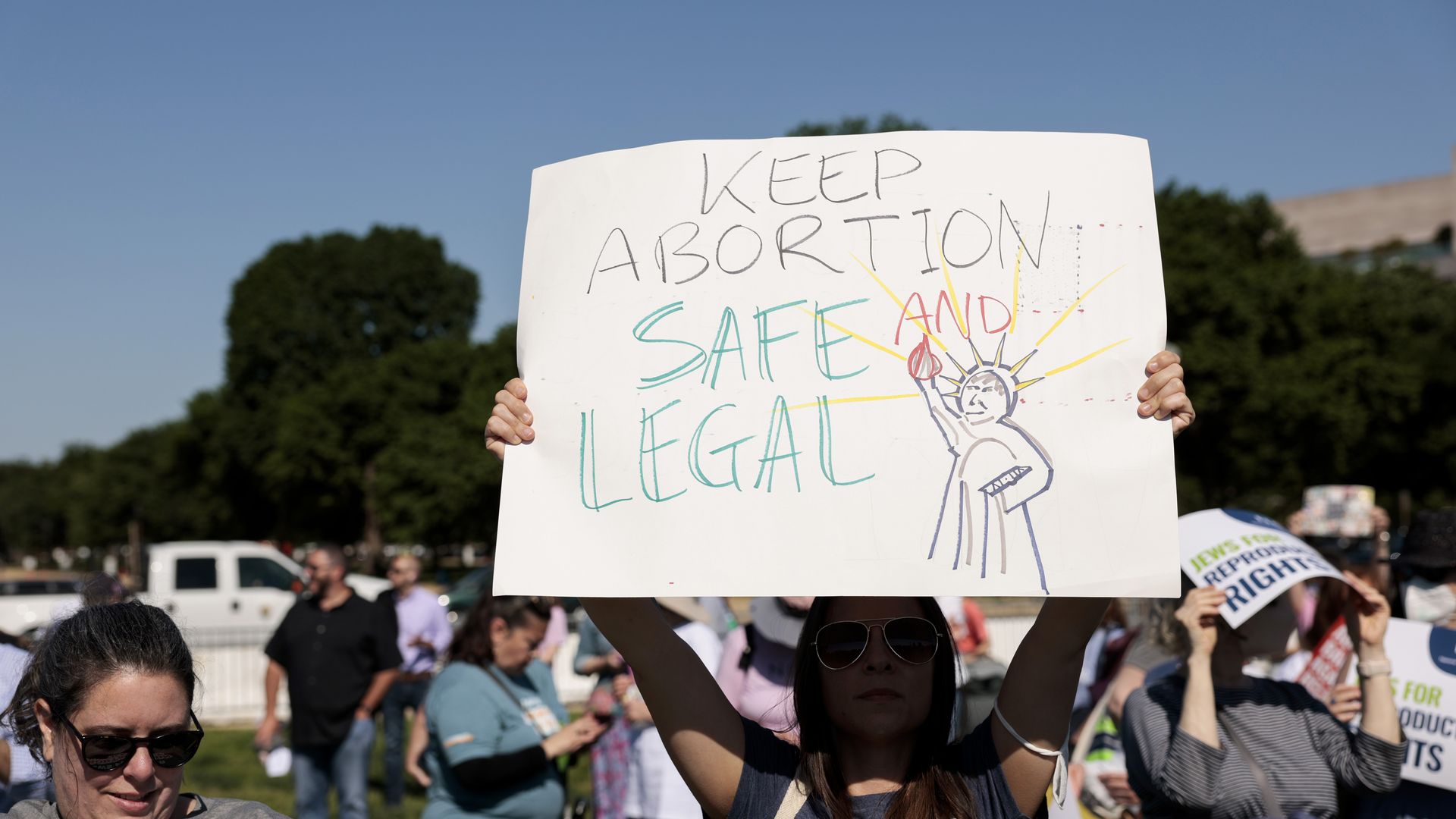
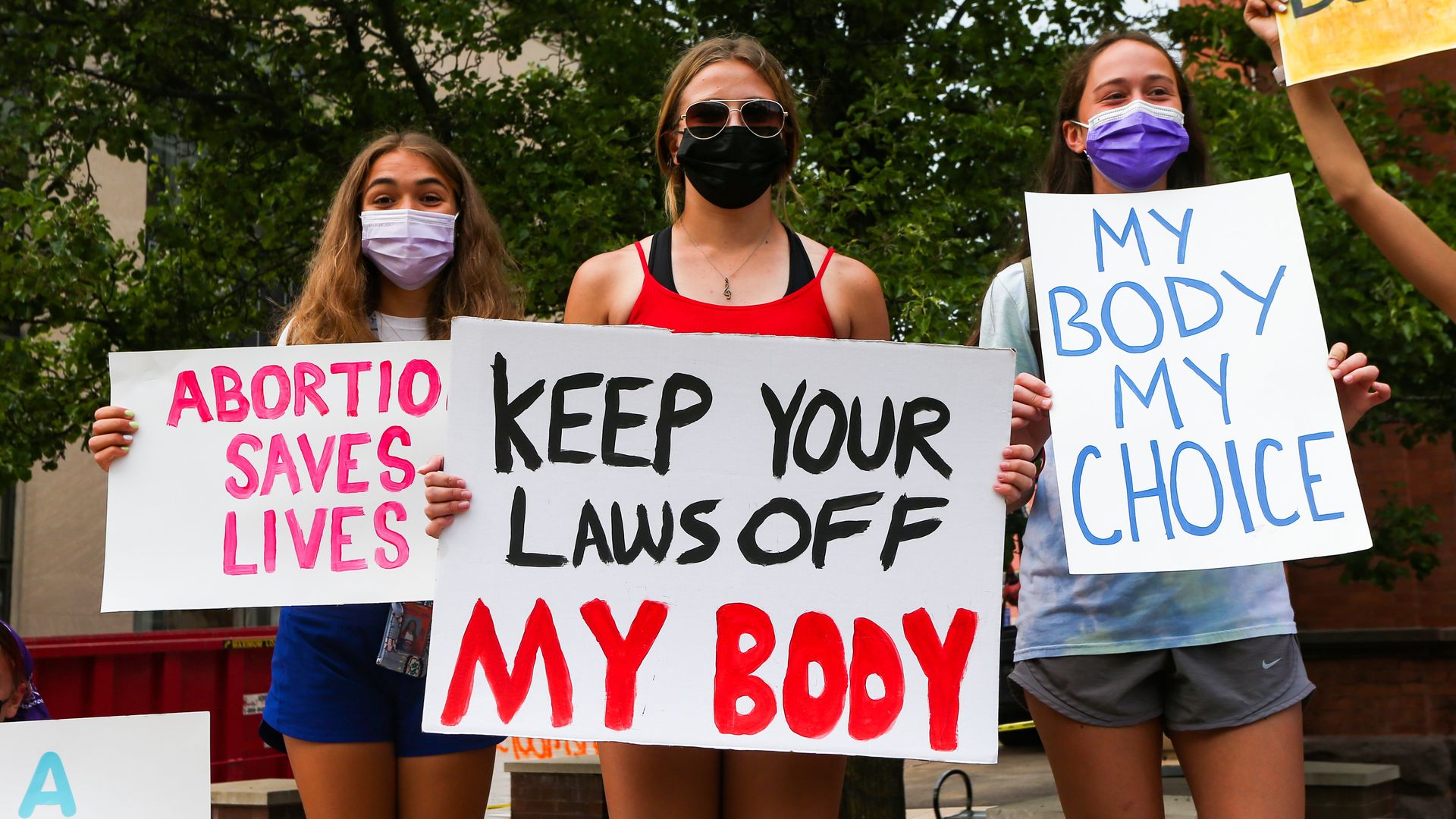
Louisiana Gov. John Bel Edwards (D) on Tuesday signed into law a bill that will prohibit pregnant people from getting abortion pills via mail.
Driving the news: The bill makes "delivering, dispensing, distributing, or providing" an "abortion-inducing drug" to a pregnant person a crime, and requires patients to take the medication in person, despite federal guidance that says that it is safe to access the pills via telemedicine.
Louisiana Gov. John Bel Edwards (D) signed a bill into law Tuesday that would ban nearly all abortions in the state and criminalize providers if the Supreme Court overturns Roe v. Wade.
The big picture: Louisiana is one of the 13 states with "trigger" laws, which are near-total abortion bans that would take effect shortly after a Roe overturn. The bill that was just enacted makes the state's post-Roe ban much more severe.
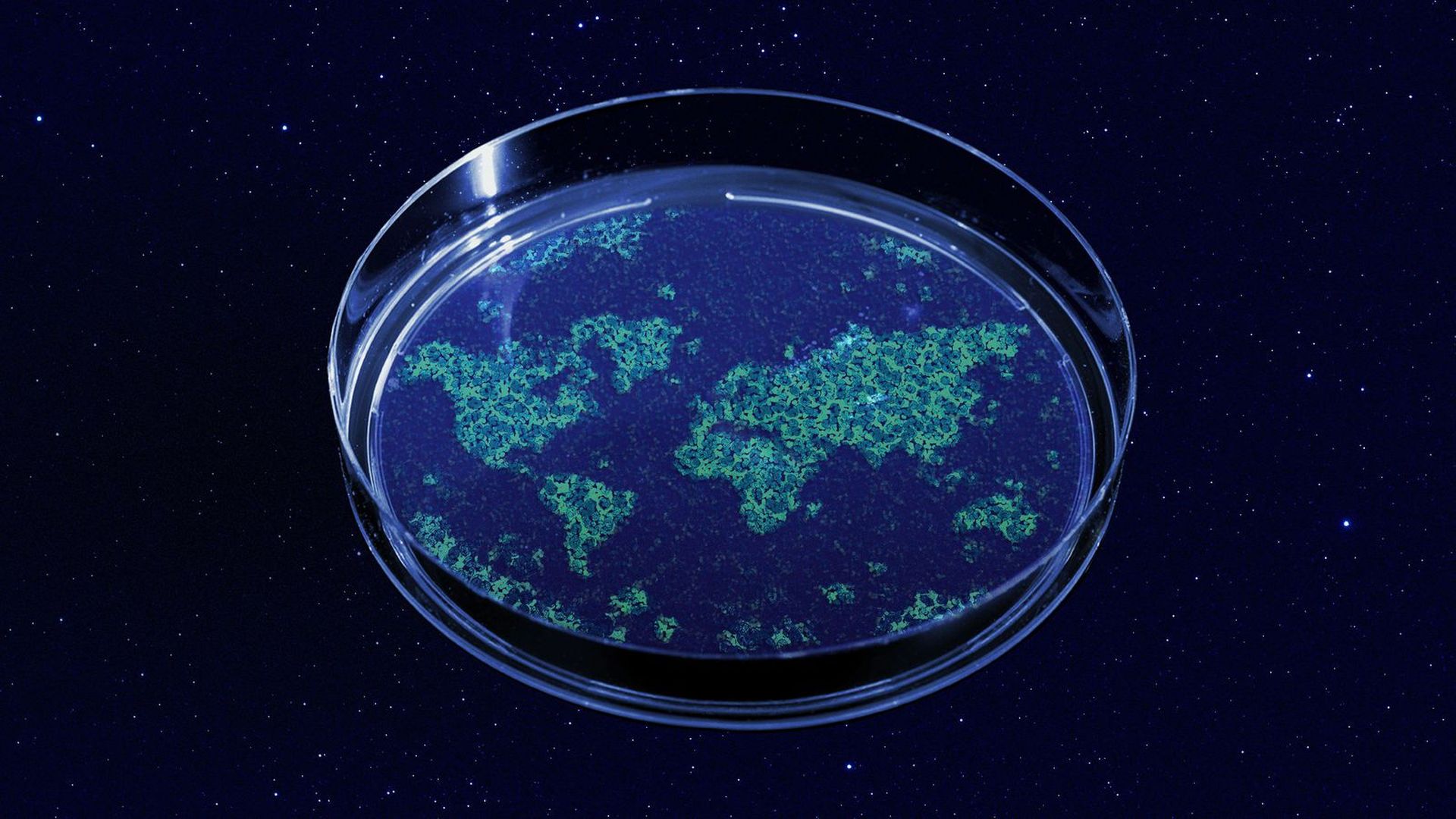
Scientists are tracking diseases from space and getting a new view of human health.
Why it matters: The proliferation of easy-to-use, relatively cheap and more comprehensive satellite data is allowing researchers to get a holistic view of what's happening on Earth during disease outbreaks and possibly learn how to predict the next one.
Medicare could have saved up to $3.6 billion in a single year if it were purchasing generic drugs as billionaire businessman Mark Cuban's online pharmacy does, says a research report published in the Annals of Internal Medicine.
Why it matters: Medicare is overpaying for some generics, the authors said.
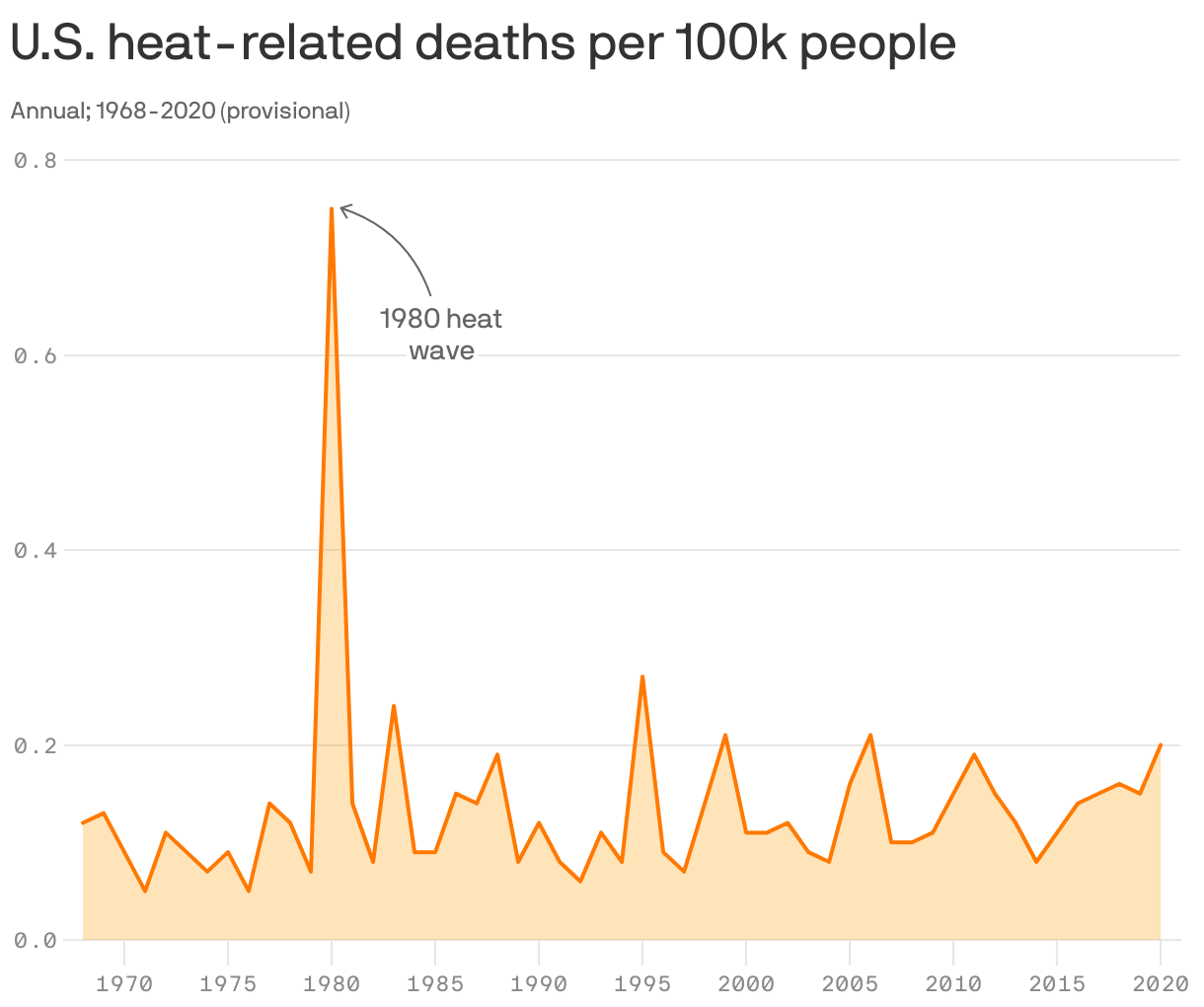
Why it matters: While the finding may seem obvious, it's just one example of the implications extreme heat has on health and wellness — and why experts say cities will need to adapt.
A tool used to analyze cancerous tumors based on algorithms built to map distant galaxies is getting a major influx of funding.
Why it matters: The imaging platform — called AstroPath — is able to pinpoint how certain tumor cells interact with the body's tissues, allowing doctors to potentially learn more about who might respond well to various treatments.
Data: CDC National Center for Health Statistics; Chart: Kavya Beheraj/Axios
Extreme heat is increasingly taking a toll on children, pregnant people and other vulnerable populations, forcing authorities to roll out new strategies against an environmental threat that dwarfs floods, earthquakes and other natural disasters.
Why it matters: Summers are becoming deadlier as climate change blankets millions in heat waves whose public health consequences were until recently not fully understood.
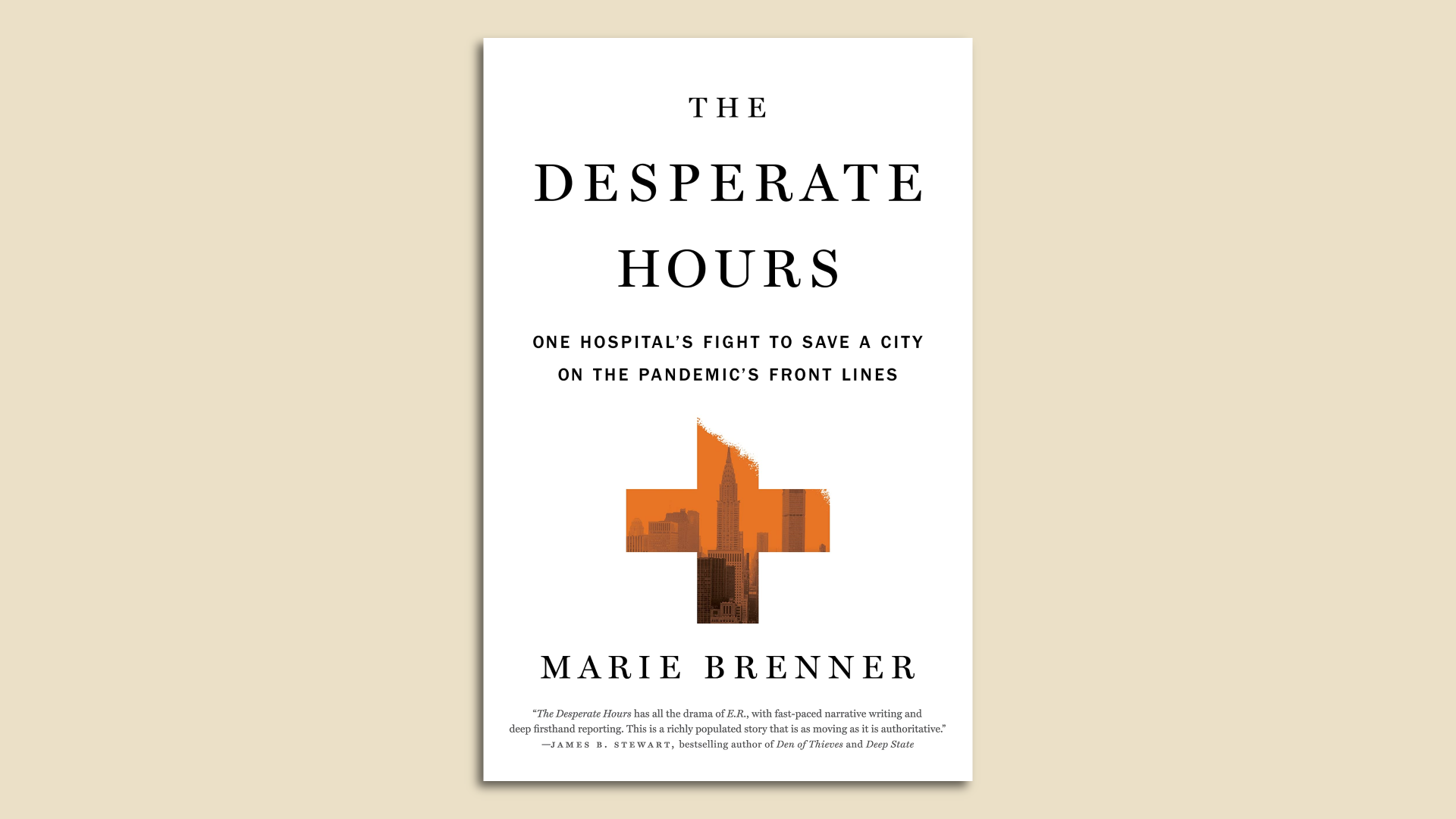
The legendary Marie Brenner tells me it's "a tonic at this frightening moment in our history":
In "The Desperate Hours: One Hospital's Fight to Save a City on the Pandemic's Front Lines" (out tomorrow), Brenner draws on 200+ interviews for a gripping account of NewYork-Presbyterian's heroics — with too little federal help — as COVID smothered the city.
Why it matters: "COVID would reveal everything — the pressure that made some crumble but also the valor that meant confronting the fragility of the big-business hospital system, with its marble halls and gleaming towers paid for by New York titans," Brenner writes. Brenner writes that Dr. Steven Corwin, the hospital system's president and CEO, had said somberly as he addressed thousands of NewYork-Presbyterian employees at an all-hospital briefing in March 2020:
"We are in this together — the cavalry isn’t coming."




/2022/06/21/1655822378252.gif?w=3840)