As the U.S. fertility rate falls to a 35-year-low, new technologies promise to radically change how we have babies.
Why it matters: The demand for assisted reproductive technology like IVF is likely to grow as people delay the decision to have children. But newer advances in gene editing and diagnostic testing could open the door for a revolution in reproduction, raising ethical questions we haven't begun to answer.
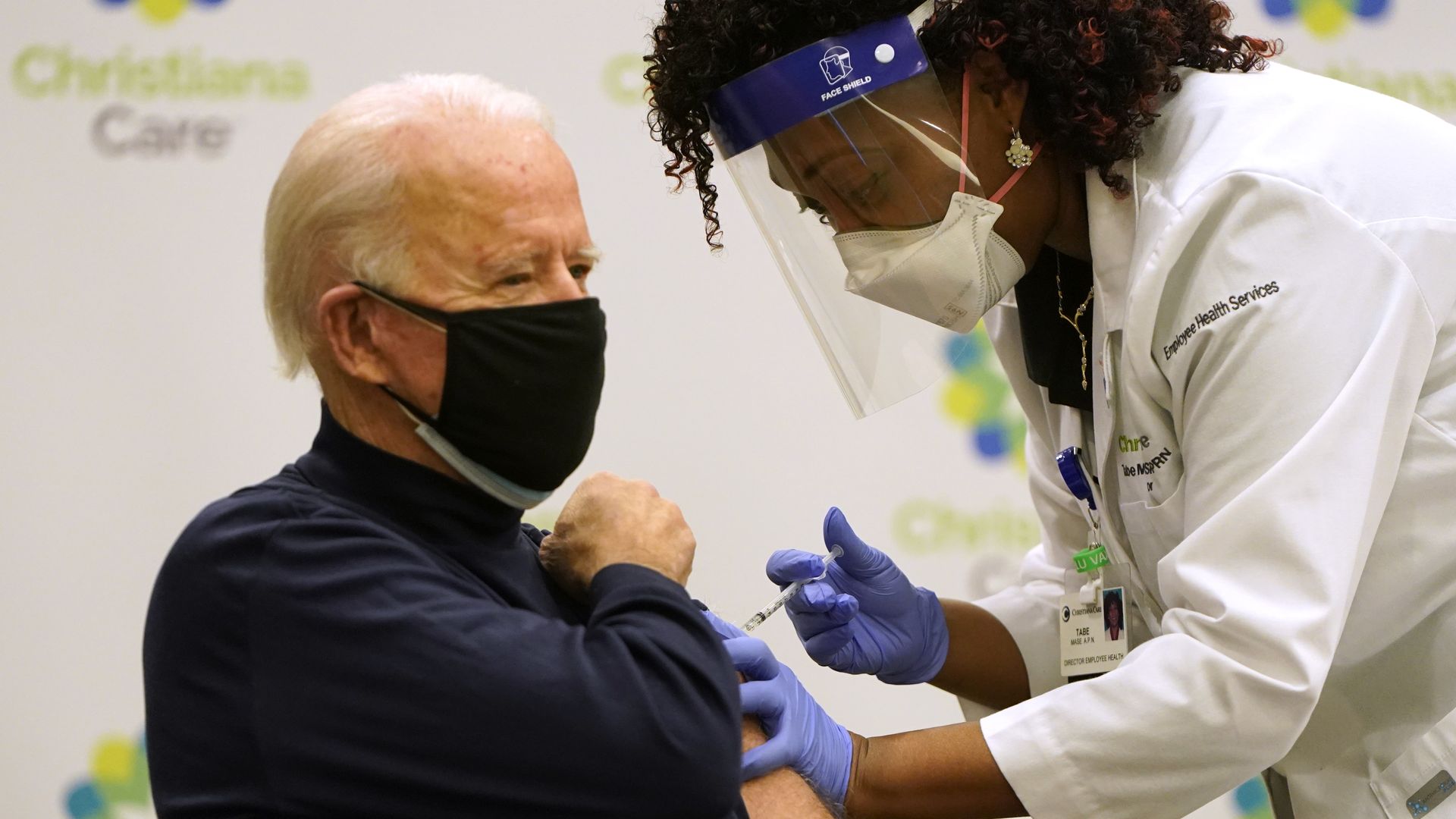
President-elect Joe Biden plans to release nearly all available coronavirus vaccine doses when he takes office, CNN reports.
Why it matters: Releasing nearly all doses would allow more people to get vaccinated with at least one dose. At the moment, the Trump administration is withholding half of U.S. vaccine production to ensure recipients receive their second dose, which is required by both the Moderna and Pfizer shots to ensure 95% efficacy.
The U.K. reported 1,325 new coronavirus deaths on Thursday, marking its highest daily death toll yet.
Why it matters: The massive spike in deaths is in part fueled by a highly transmissible COVID-19 variant that's spreading rapidly throughout the United Kingdom and threatening to overwhelm hospital systems.
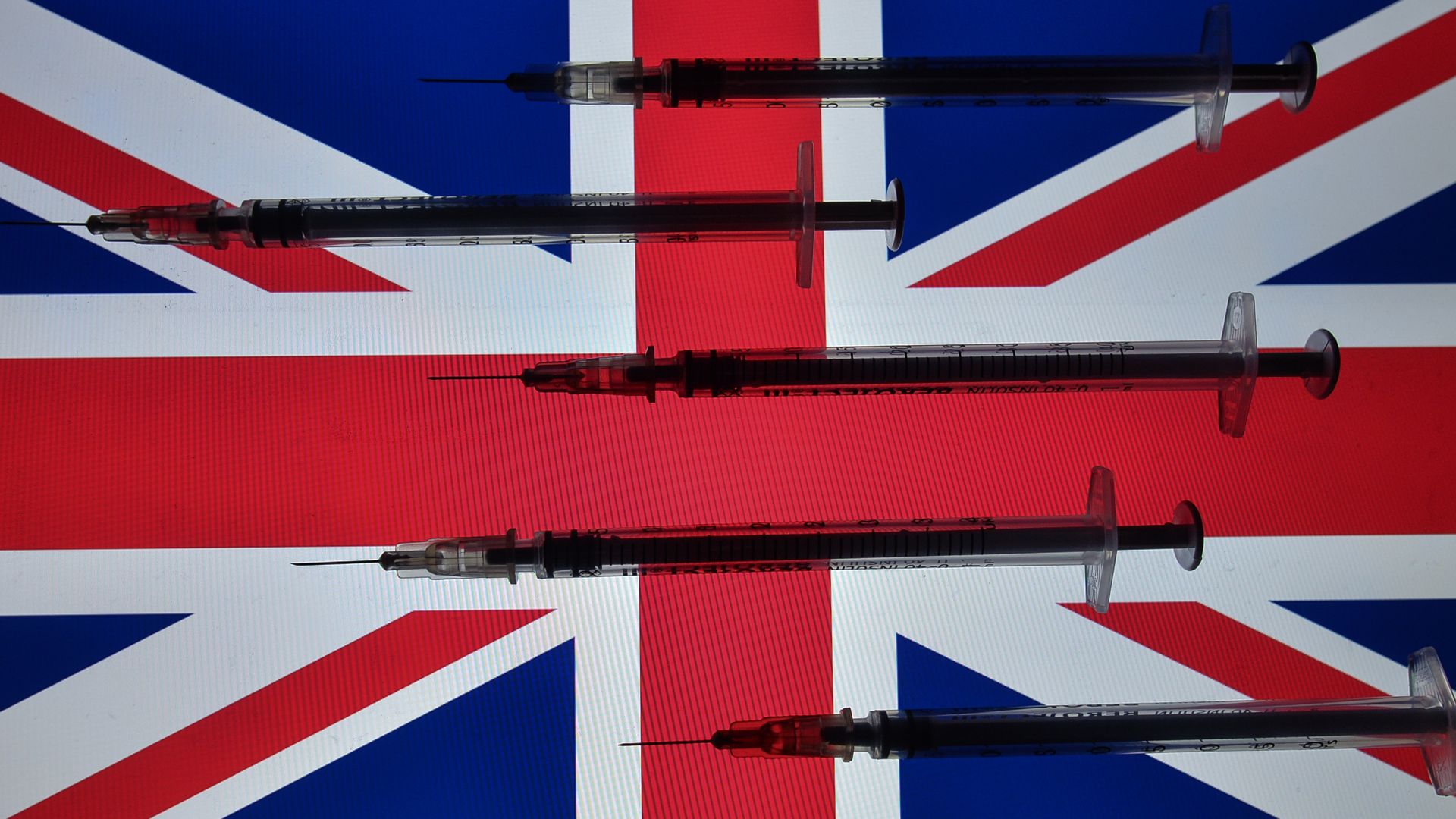
U.K. health regulators on Friday approved Moderna's coronavirus vaccine for emergency use, making it the third vaccine to gain approval in the country.
Why it matters: The U.K. is the first country to have three approved vaccines — from Pfizer, Oxford-AstraZeneca and now Moderna — a milestone that comes as a new and highly infectious variant of the coronavirus continues to spread like wildfire.
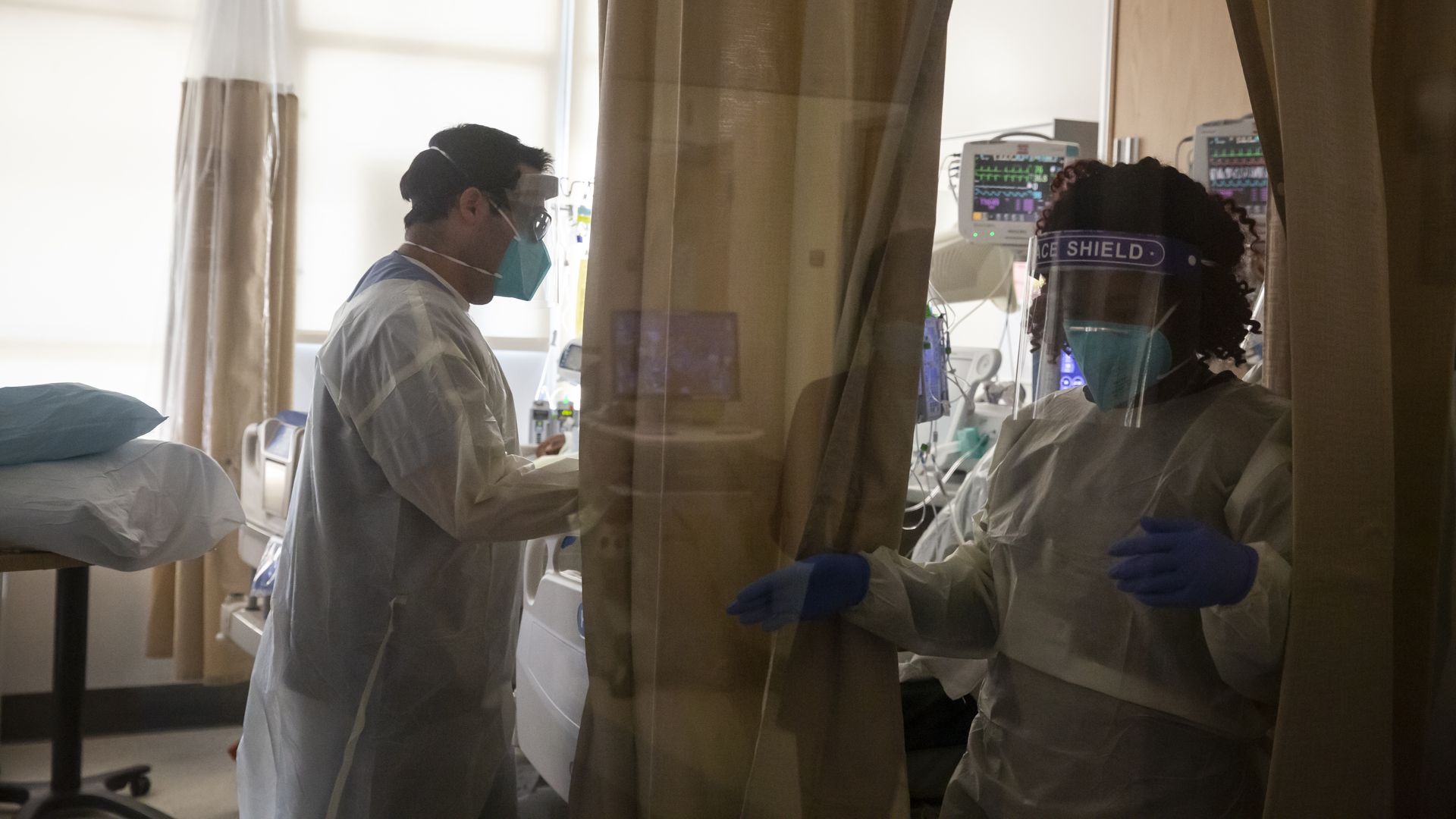
The U.S. reported more than 4,000 new coronavirus-related deaths on Thursday, according to the COVID Tracking Project.
Why it matters: It is the first time the U.S. topped 4,000 new deaths in a single day, a record that comes as hospitals nationwide continue to be overwhelmed by an influx of COVID-19 patients.
Some political leaders and public health experts are rethinking strict prioritization for coronavirus vaccines, suggesting that it might make more sense to simply try to administer as many doses as possible as quickly as possible.
Why it matters: Especially while supplies are still limited, there's an inherent tension between trying to focus first on the people most at risk from the virus — including those most likely to spread it — and getting shots into arms at maximum speed.
Serbia joined Argentina, Belarus and Russia this week to be among the first countries to approve and administer Russia's Sputnik V vaccine.
The big picture: Russia has blazed its own course in the vaccine race, relying entirely on a single, state-funded vaccine that was given emergency authorization before much data was available about its effectiveness.