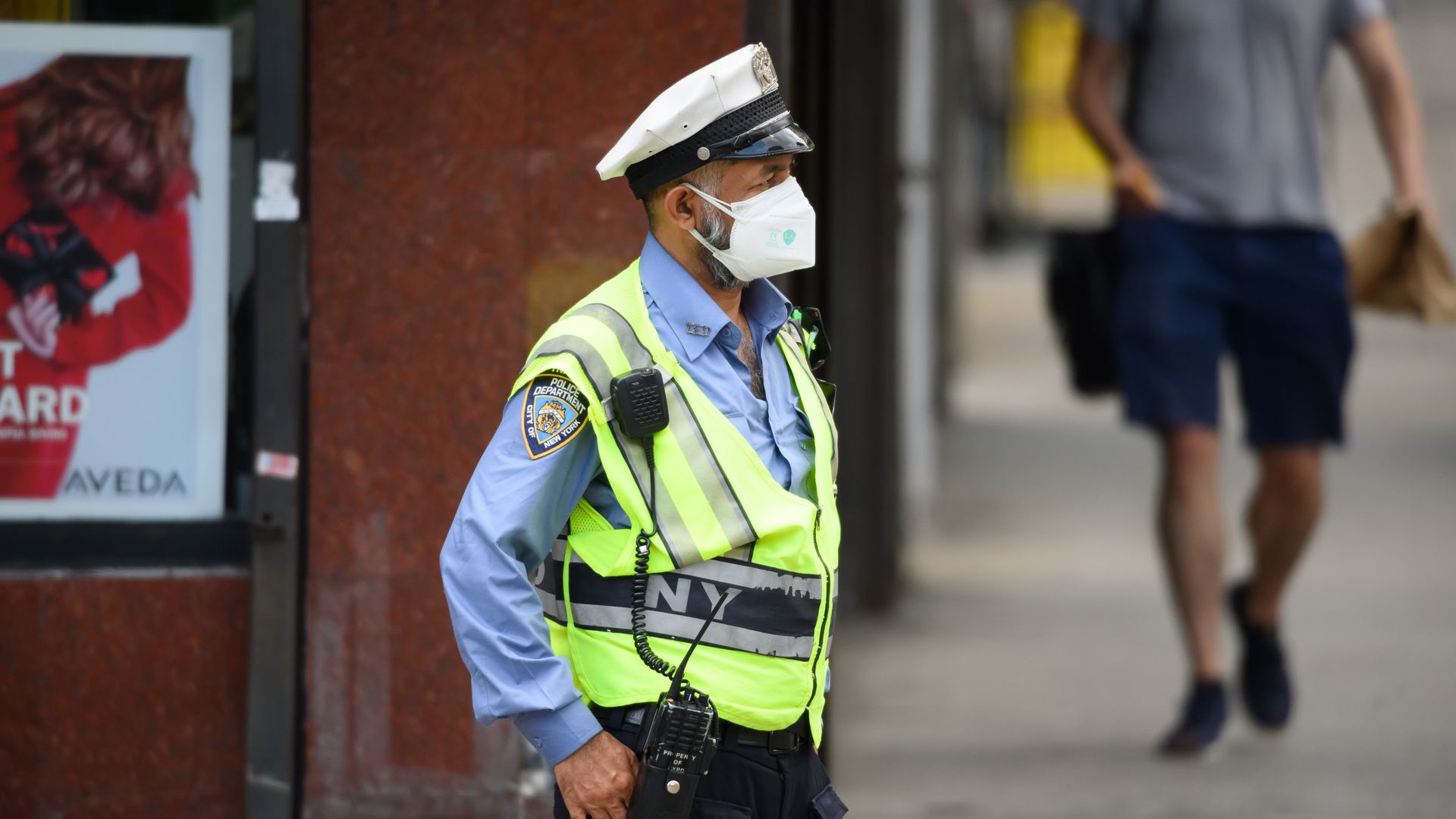
Coronavirus infections contracted in the line of duty are the leading cause of death among police officers so far in 2020, resulting in at least 100 fatalities, the Washington Post reports.
America's failures in handling the coronavirus pandemic bode ill for our ability to deal with climate change and otherthreats that loom on the horizon.
Why it matters: America's ongoing struggles with the coronavirus have caused tremendous human and economic pain. But what should worry us for future disasters that could be far worse is the way the pandemic has exposed deep political divisions and a disinformation ecosystem that muddies even the hardest facts.
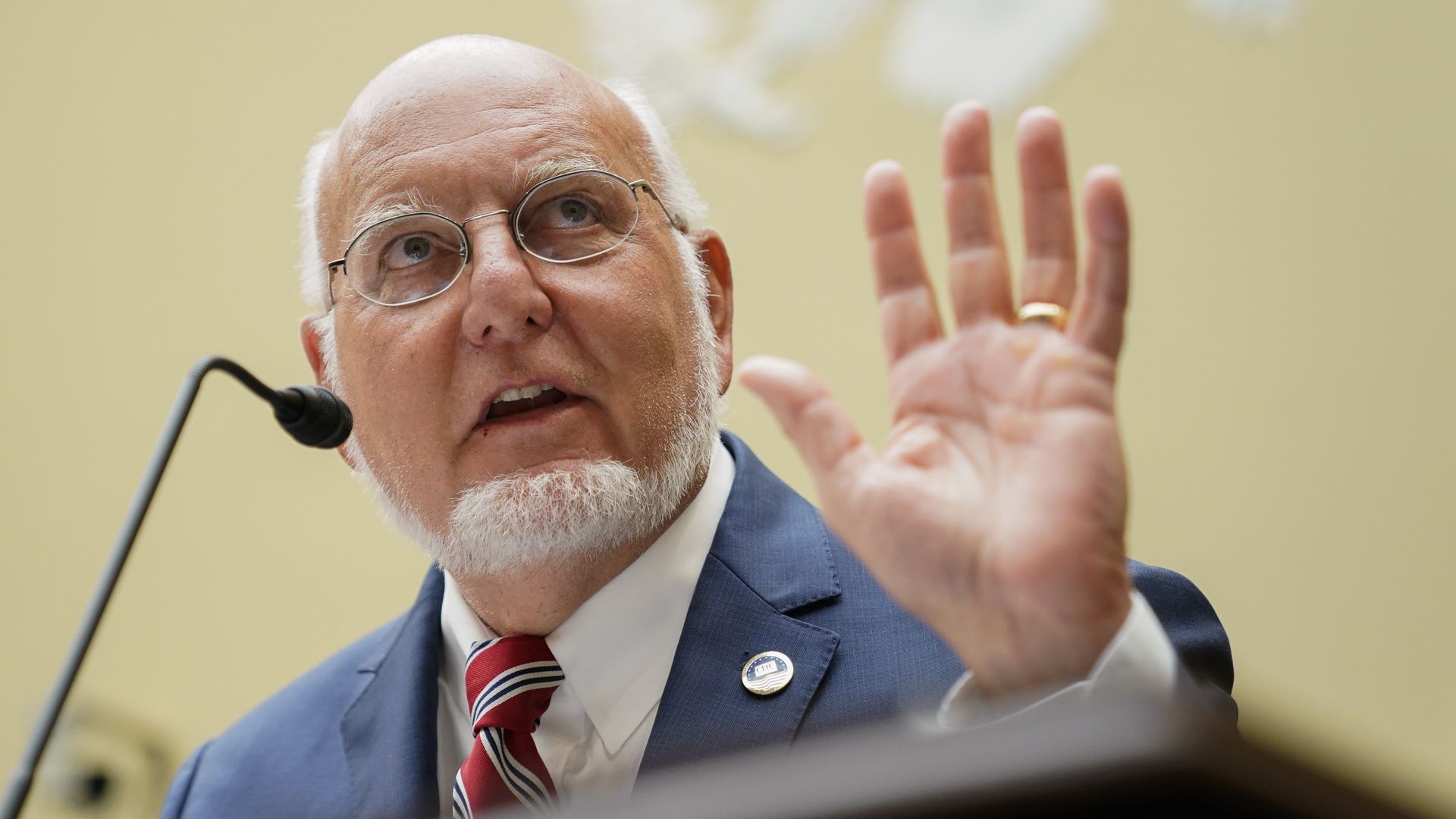
The Centers for Disease Control and Prevention last week "urgently" requested governors to speed up their permit applications so vaccine distribution sites are operational by early November, McClatchy reports.
Why it matters: When a vaccine is ready, distribution is a major challenge the Trump administration is working to address. Supplies will be limited initially, and even if the most at-risk populations are given priority, that group still numbers in the tens of millions.
Federal Emergency Management Agency (FEMA) officials said Tuesday the agency is changing its policy on funding personal protective equipment, per a recording of a conference call obtained by NPR.
Why it matters: The new policy, effective Sept. 15., means that states will no longer be reimbursed for cloth face masks unless they're for emergency protective measures. This impacts schools, public housing, and courthouses, according to NPR.
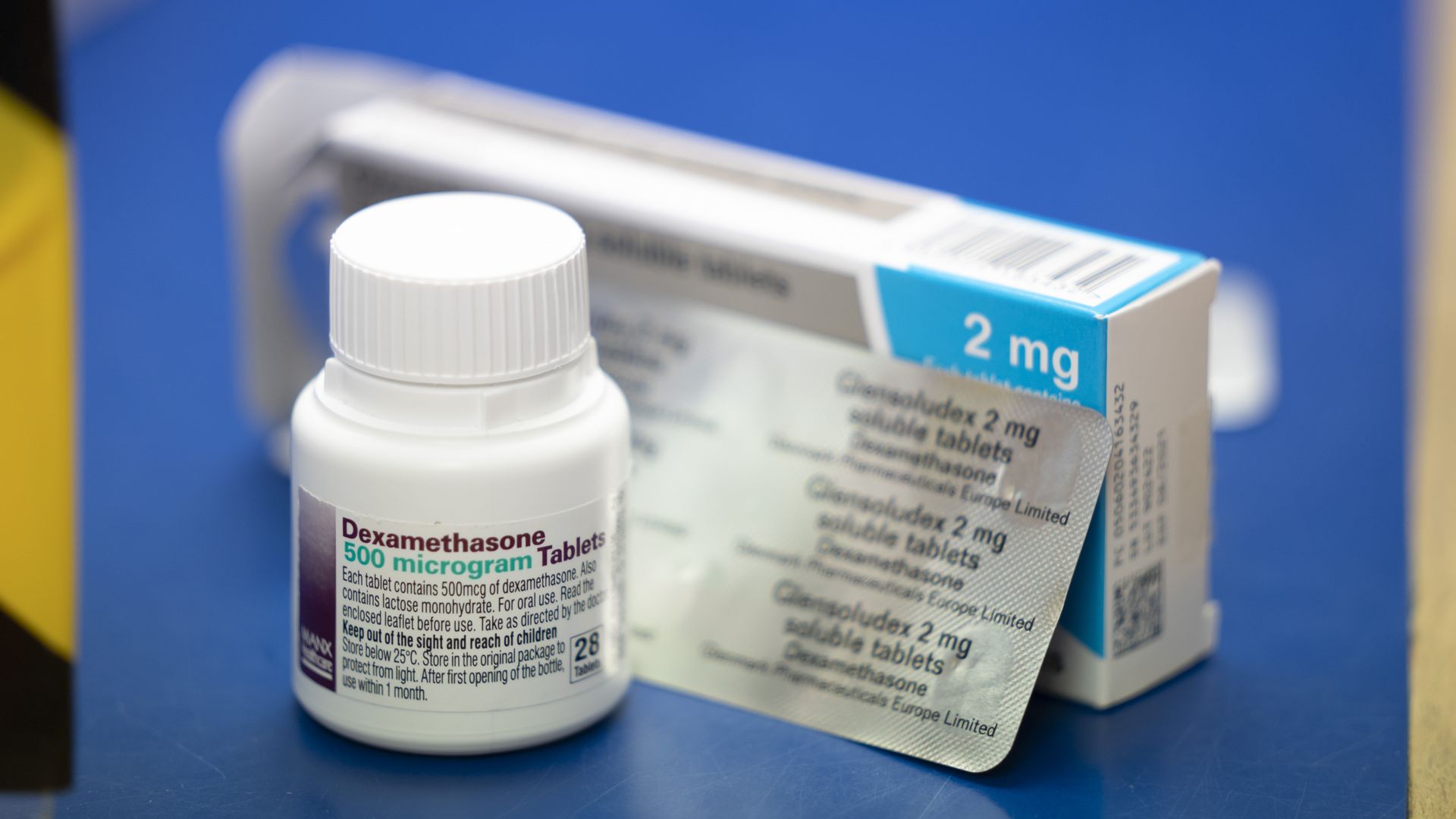
Data from seven studies with about 1,700 seriously ill COVID-19 patients found that corticosteroids reduce mortality by about one-third, according to analysis published Wednesday in JAMA.
Why it matters: Corticosteroids, which are anti-inflammatory drugs, could likely be a low-cost, first line of defense for critically ill coronavirus patients.
The number of Americans who worry about bankruptcy if they have a serious health issue has spiked over the last year and a half — particularly among men, people of color and young adults, according to a new survey from West Health and Gallup.
Between the lines: Health care costs were a huge issue even when the economy was good and we weren't in a global pandemic. Now, millions of people have gotten sick, lost their jobs, lost their health insurance, or all three.
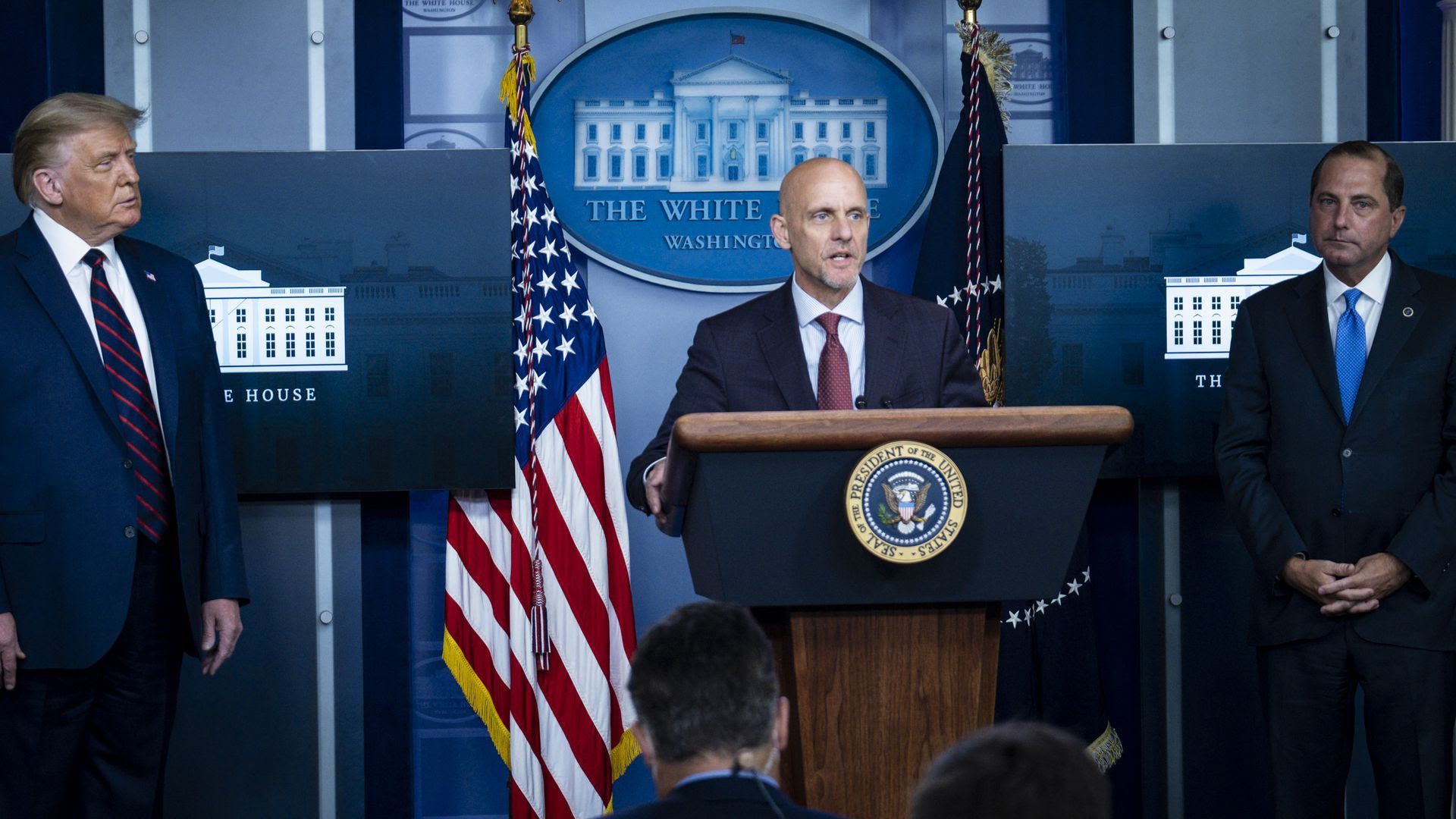
The National Institutes of Health on Tuesday released a statement undercutting the Food and Drug Administration's emergency authorization of convalescent plasma as a coronavirus treatment — an escalation of an extraordinary public disagreement between federal agencies.
Why it matters: Thankfully, the main question surrounding the treatment is whether it works, not whether it's safe. But this feud could erode public trust in any future coronavirus treatments and vaccines, potentially for good reason.
California's state legislature approved a measure this week that would allow it to become the first state to develop its own line of generic drugs, including insulin, to tackle rising pharmaceutical prices.
Why it matters: If passed, the motion would put California in direct competition with major generic and brand-name drug manufacturers.
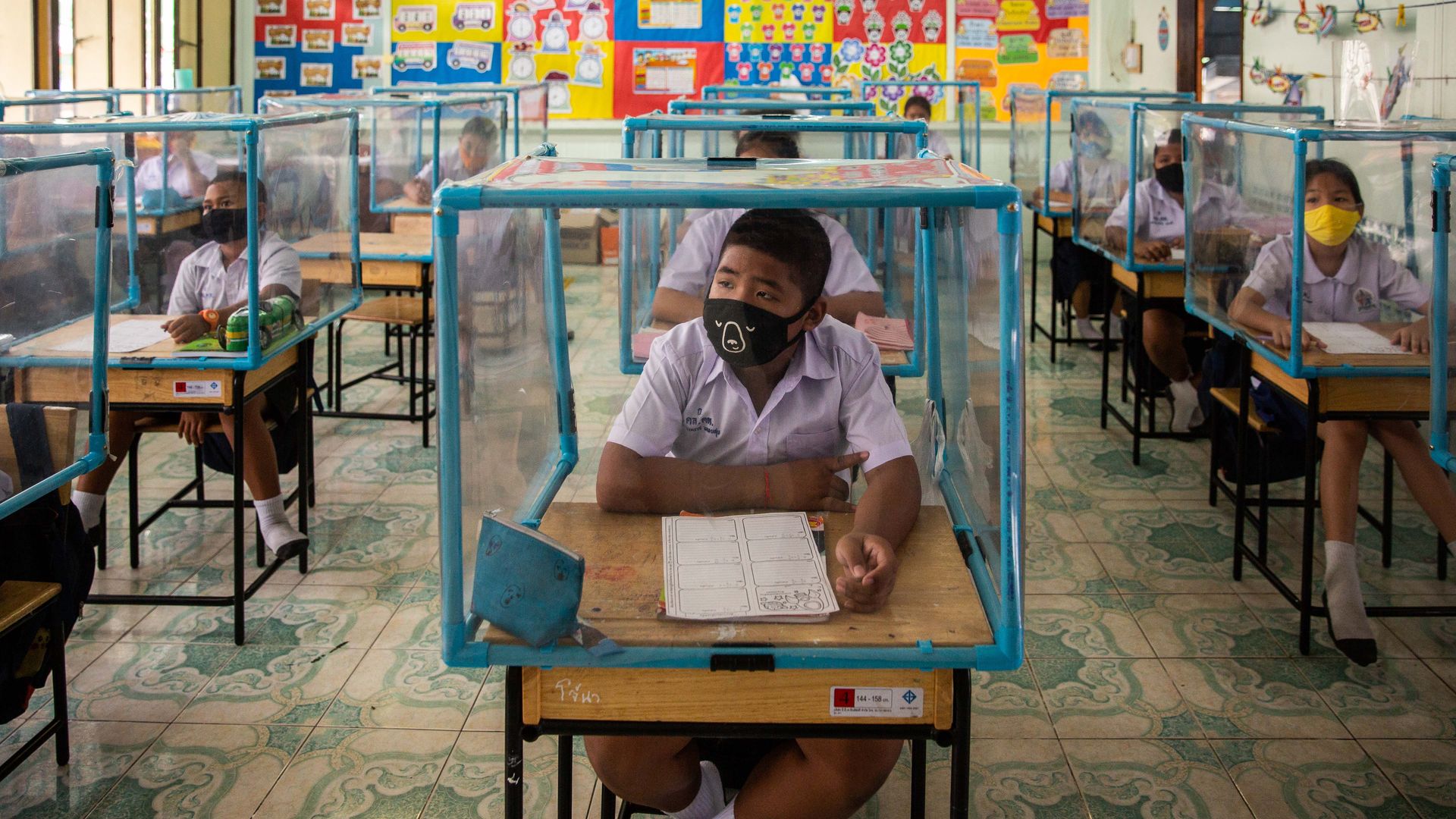
Thailand on Wednesday marked 100 days with no detected local coronavirus cases, per the health ministry.
Why it matters: The Southeast Asian country joins a small club of places "like Taiwan where the pathogen has been virtually eliminated," Bloomberg notes. Thailand was the first country outside China to report a COVID-19 case.