America's bungled political and social response to the coronavirus exists side-by-side with a record-breaking push to create a vaccine with U.S. companies and scientists at the center.
Why it matters: America's two-sided response serves as an X-ray of the country itself — still capable of world-beating feats at the high end, but increasingly struggling with what should be the simple business of governing itself.
"Superforecasters" have shown an uncanny knack for accurately predicting major events, including the course of the coronavirus pandemic.
Why it matters: The fact that we need to take action now to change the future course of the pandemic underscores the need for accurate predictions. Adopting the techniques of superforecasters could help us better anticipate the curves of this crisis.
Democrats and the Trump administration remain "miles apart" on negotiations over a coronavirus stimulus deal, House Speaker Nancy Pelosi (D-Calif.) said on Wednesday.
The latest: Around 3 p.m., Pelosi and Senate Minority Leader Chuck Schumer (D-N.Y.) issued a statement saying that Treasury Secretary Steven Mnuchin had initiated a phone call and made clear that the White House is "not budging from their position concerning the size and scope of a legislative package."
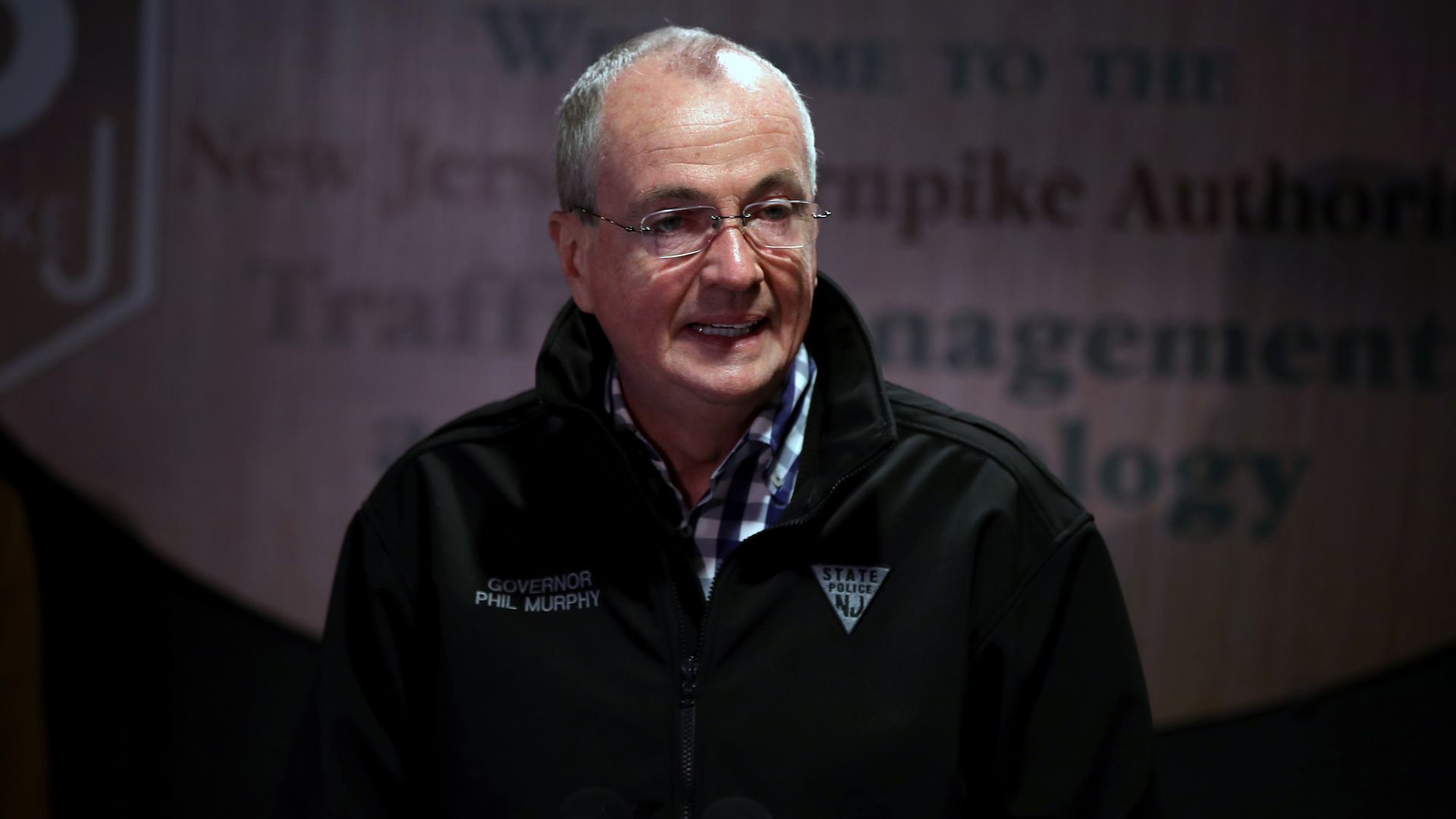
The big picture: New York and New Jersey have now authorized school districts to begin reopening. Both states and Connecticut ordered travelers from 31 states to quarantine before crossing their state borders after they were able to manage the pandemic.
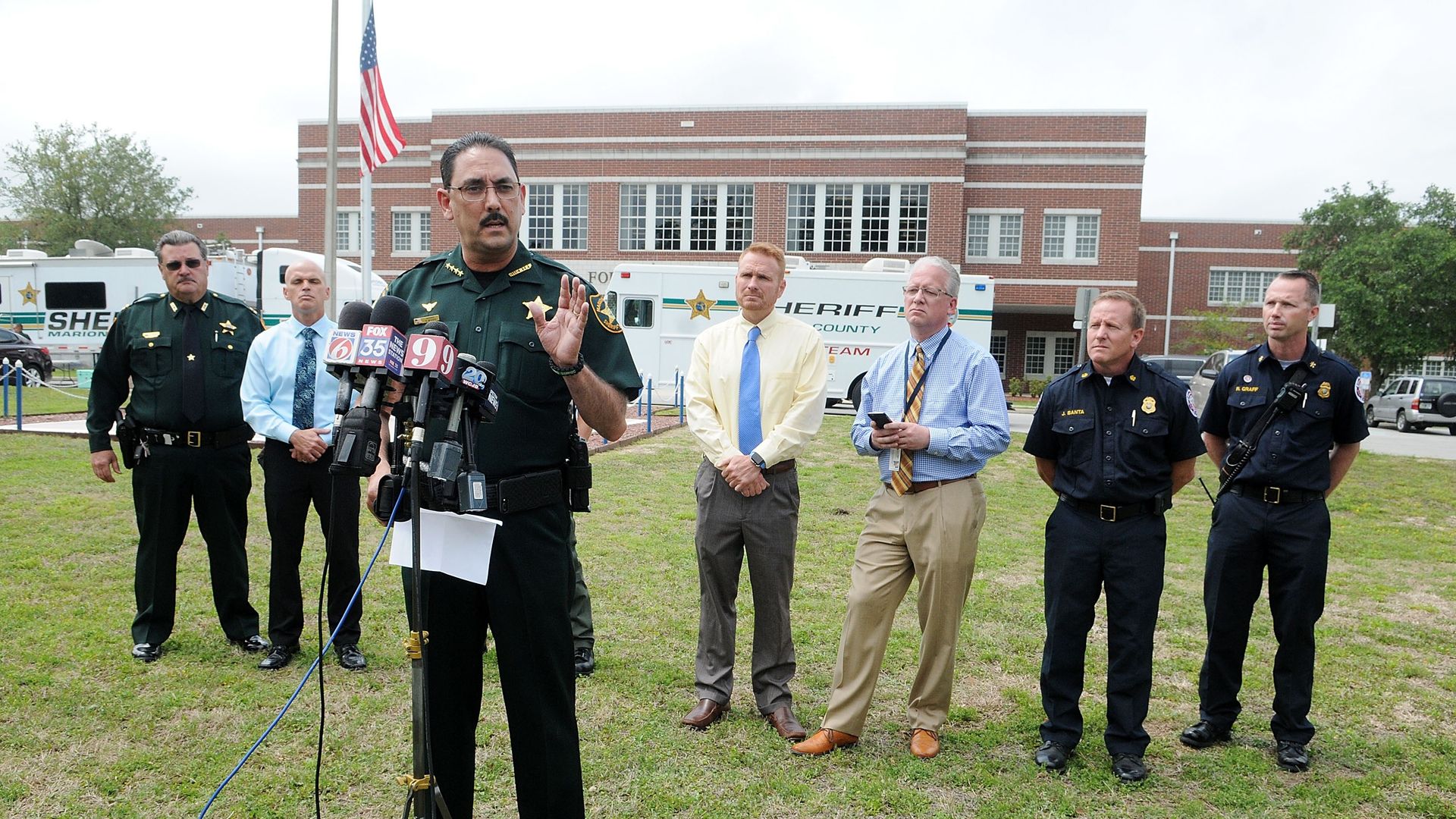
Sheriff Billy Woods of Marion County, Fla., prohibited his employees from wearing masks at work on Tuesday, disputing — in spite of scientific evidence — that they help curb the spread of coronavirus, the Ocala Star-Banner reports.
Why it matters:Many large police departments only suggest officers wear masks, and some have faced public scrutiny for tenuous or nonexistent mask policies. But Woods is among the first law enforcement officials to outright ban masks for his department, according to the Washington Post.
America's confidence in the public school system rose by 12 points this year to 41% — its highest point since 2004, according to a Gallup poll released Wednesday.
Why it matters: "Double-digit increases in confidence for any institution are exceedingly rare," Gallup notes. The jump comes as teachers, administrators and parents are still figuring out how to safely get kids back to school in the midst of a global pandemic, as the U.S. reports the most coronavirus infections and fatalities in the world.
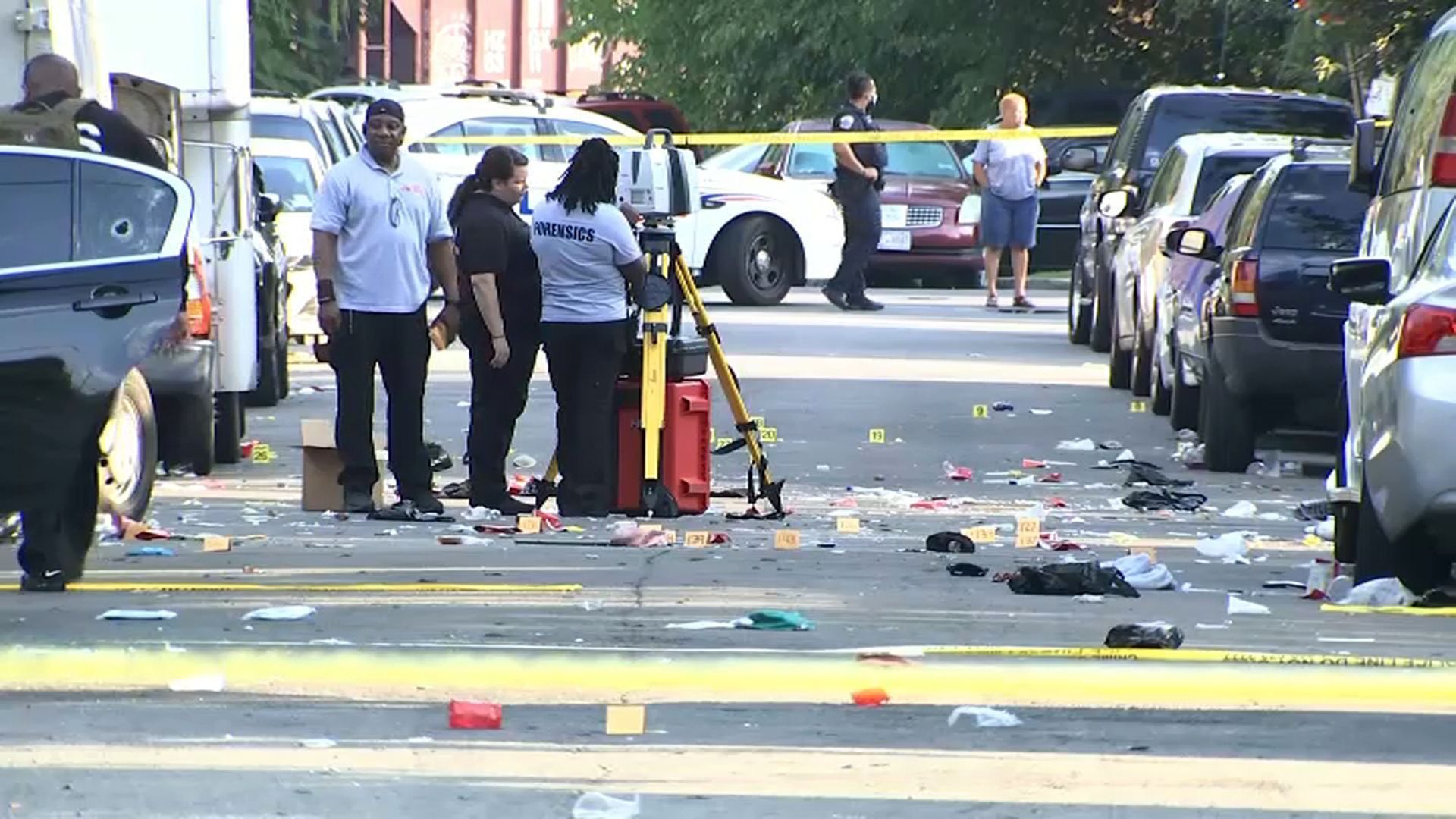
Major cities saw a spike in murders this summer, even as overall crime rates remained at a generational low, according to The New York Times.
Where it stands: The average murder rate across 20 major cities averaged 37% higher at the end of June than at the end of May, the Times reports, citing University of Missouri-St. Louis criminologist Richard Rosenfeld. It increased by 6% over the same period last year.
The 10 highest-selling drugs in the U.S. last year gave away more than $23 billion in rebates to insurance intermediaries, but still netted $50 billion in sales.
The big picture: The U.S. drug pricing system is filled with confusing numbers, and many entities profit off the flow of drugs, but pharmaceutical companies retain a vast majority of the proceeds.
A month after the Trump administration changed how hospital data is reported, the public release of this data "has slowed to a crawl," the Wall Street Journal reports.
The big picture: This is the latest example of how the world's wealthiest country just can't get it together.
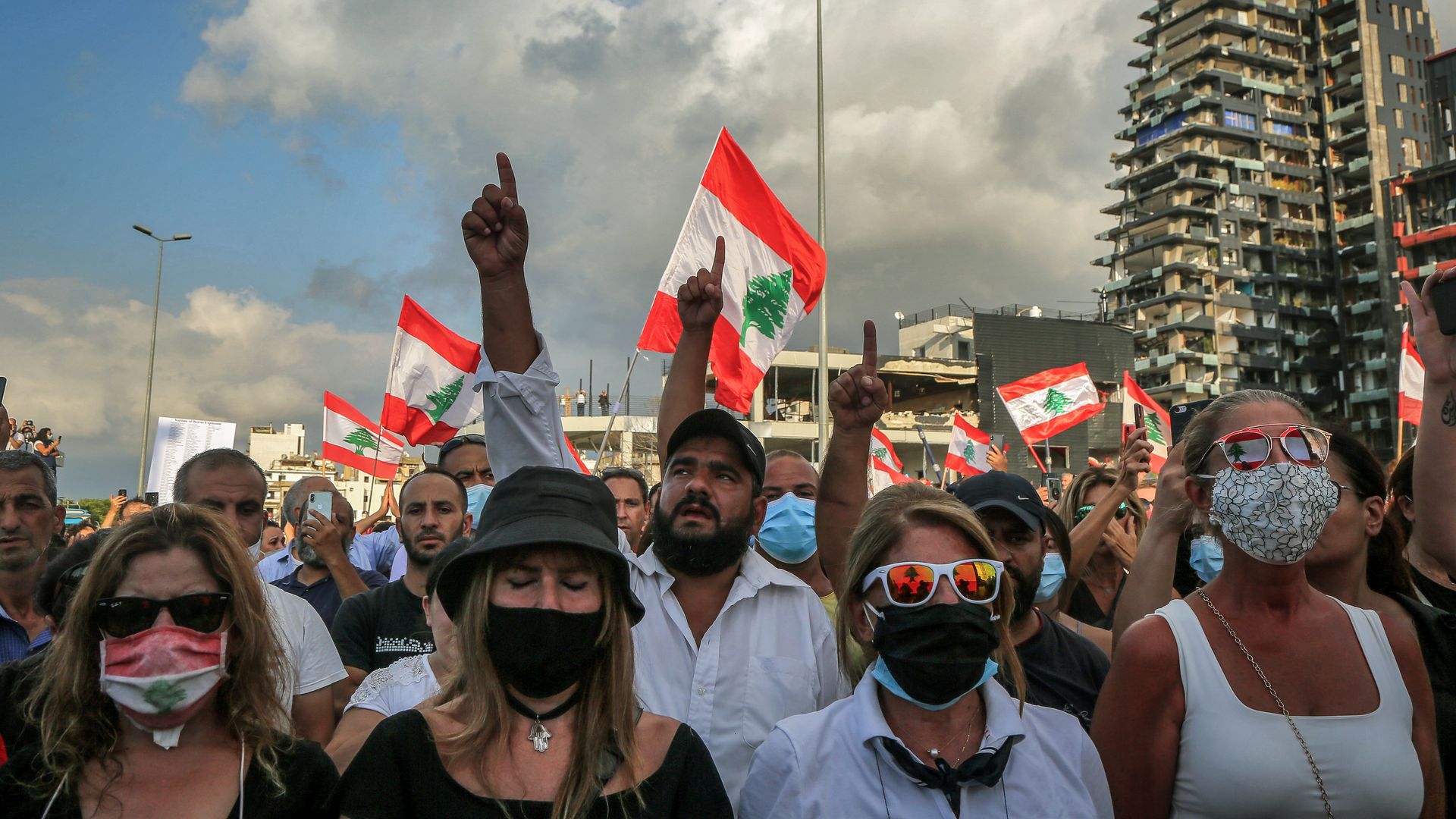
Lebanon reported on Tuesday seven deaths from COVID-19 and a record 309 new cases, taking the total number of infections to over 7,100.
Why it matters: World Organization official Tarik Jarasevic told a UN briefing in Geneva Tuesday that the displacement of some 300,000 people from the deadly explosion in Beirut's port could lead to a surge in cases. A UN report warns the emergency "has caused many COVID-19 precautionary measures to be relaxed, raising the prospects of even higher transmission rates and a large caseload in coming weeks," Reuters notes.
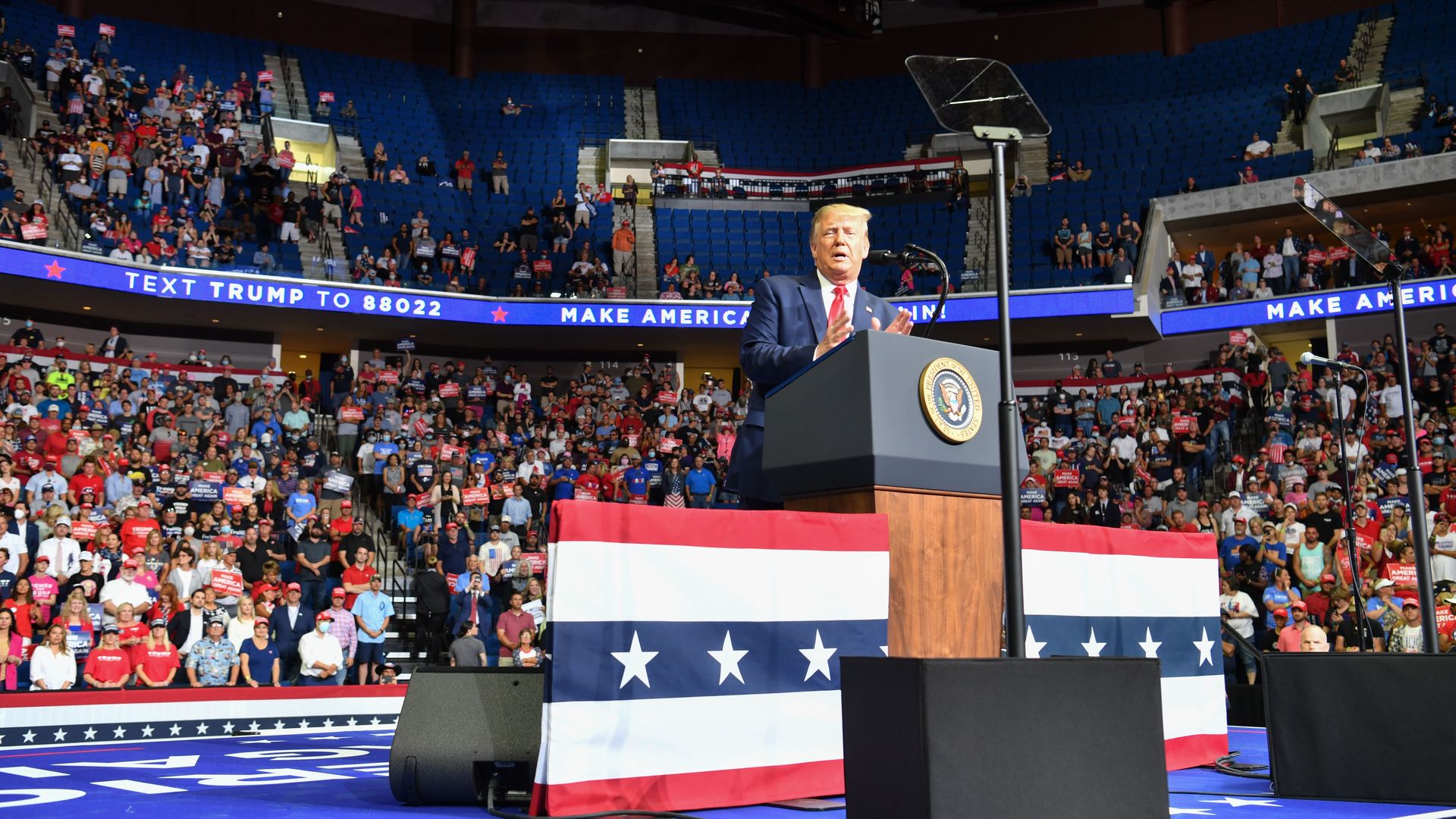
President Trump said during an interview with conservative radio host Hugh Hewitt Tuesday he'd love to hold campaign rallies, but he "can't because of the covid. ... you can't have people sitting next to each other."
Why it matters: Trump is known for electrifying crowds at rallies and connecting with loyal supporters on a huge scale. But Trump stressed to Hewitt and in a separate radio interview earlier Tuesday that it wouldn't work while social distancing is required to prevent the spread of COVID-19. "You can’t have empty seats," Trump told with Fox News Radio.
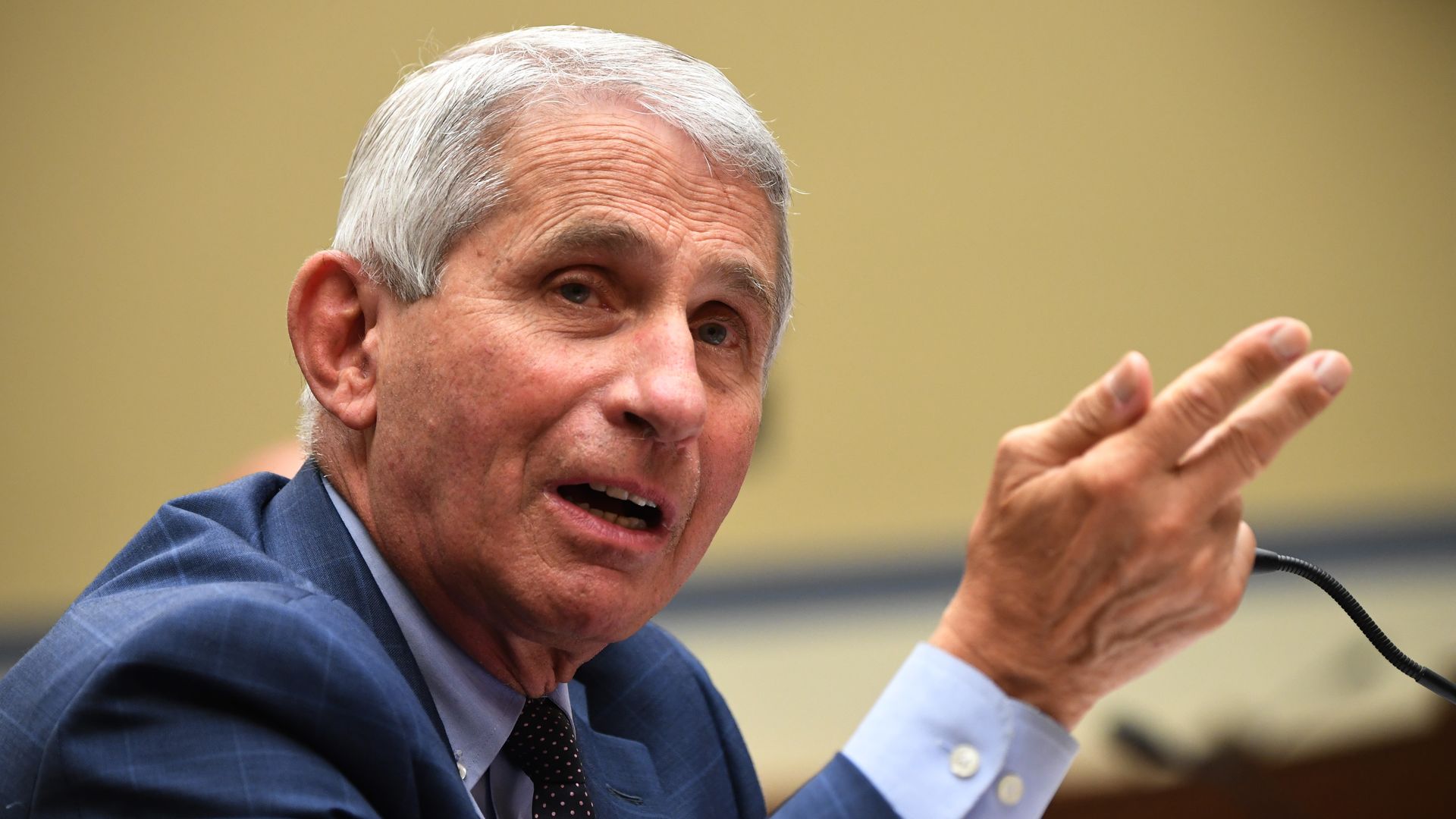
NIAID director Anthony Fauci cast doubt during a National Geographic discussion due to air this week on the effectiveness of Russia's registered coronavirus vaccine touted by President Vladimir Putin on Tuesday.
Why it matters: "Having a vaccine ... and proving that a vaccine is safe and effective are two different things," Fauci told told ABC News' Deborah Roberts in the discussion, expected to air on Thursday. His comments add to the weight of skepticism from scientists around the world on the Russia vaccine. There is no published scientific to support support Putin's claims.