Price hikes on 7 prominent drugs — all of them above the rate of medical inflation, none supported by clinical evidence — cost Americans more than $5 billion over the last two years, according to a new report from the Institute for Clinical and Economic Review.
Why it matters: Drugmakers weren't hiking prices because their medications were safer or more effective than when they were approved. They did it because they could.
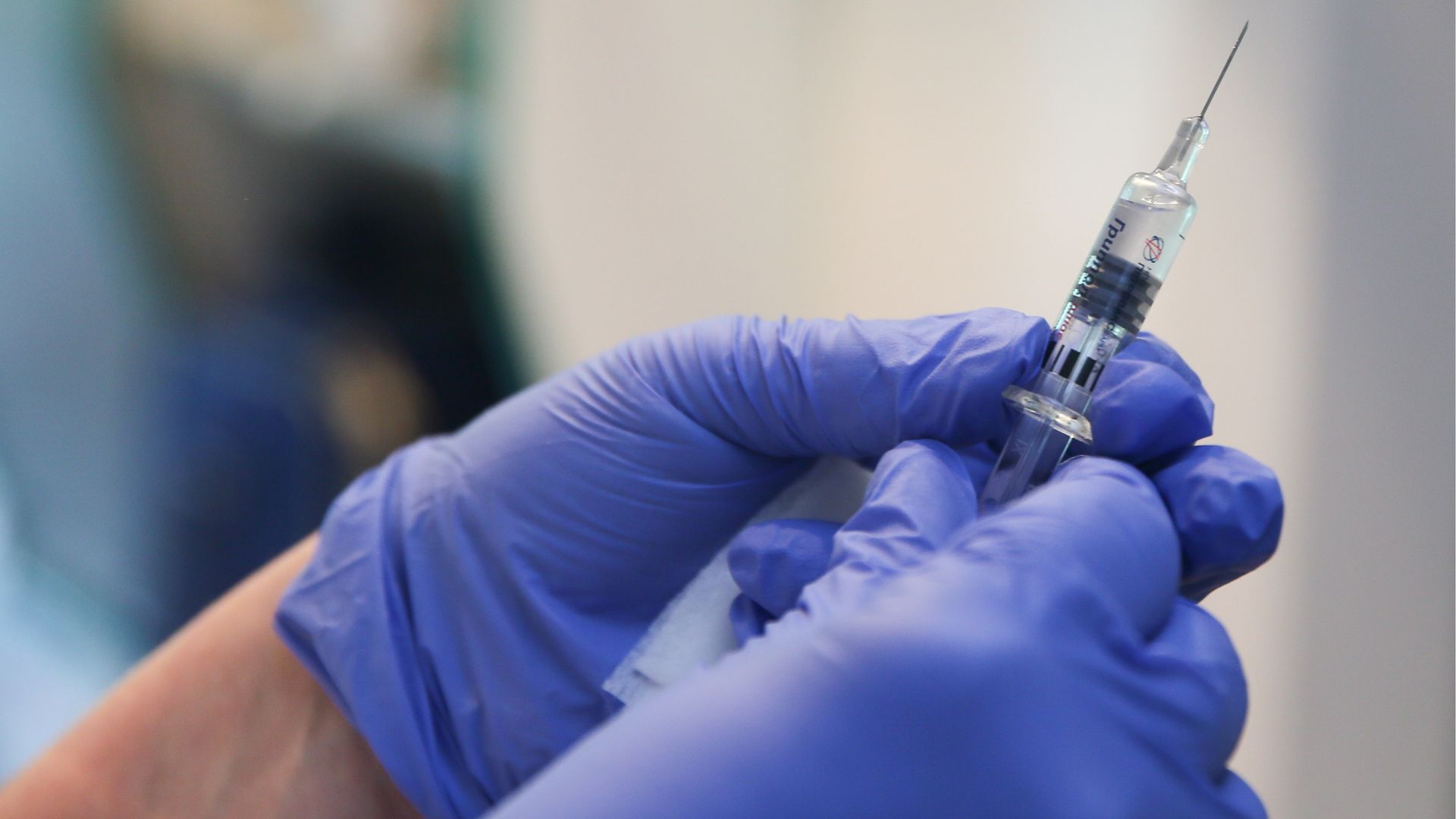
A majority — 65% — of pregnant women in the U.S. said they were unvaccinated for influenza and whooping cough, according to a Vital Signs report released on Tuesday by the Centers for Disease Control and Prevention.
Why it matters: Only 9% of women in the U.S. ages 15–44 become pregnant each year. But pregnant women accounted for at least 34% of influenza-related hospitalizations each season between 2010 and 2018. Newborns who contract influenza or whooping cough are at a high risk of hospitalization and death, as they are too young to be vaccinated.
Kroger and Walgreens announced they will stop selling e-cigarettes amid rising deaths and illnesses linked to vaping, becoming the latest retailers to do so after Walmart and Rite Aid stopped sales earlier this year.
Why it matters: Despite the bad news for vaping, Juul maker Altria's stock rose on Monday as investors continued to bet its recently launched Iquos product will succeed where electronic cigarettes have failed.
Pete Buttigieg released Tuesday his plan to reduce prescription drug prices, which includes many of the liberal proposals that have become the new Democratic normal.
Between the lines: This plan puts Buttigieg somewhere in the leftward middle of the top-tier candidates on drug prices. The field — and the party as a whole — is much more aggressive on the subject than Democrats have been in the past.
A quarter of total U.S. health care spending — between $760 and $935 billion every year — is waste, according to a new JAMA study lead by William Shrank, who is Humana's chief medical officer.
Why it matters: We all pay for this waste through our premiums, out-of-pocket spending and taxes, and every dollar of it ends up in someone else's pocket. Meanwhile, the health care industry is thriving.
A New York University study has identified a pattern of lung cancer in mice exposed to the same amount of e-cigarette vapor as someone who's been using e-cigs for approximately three to six years.
The big picture: As vaping deaths and illnesses rise, the medical community and health regulators are increasingly concerned about the unknown effects of e-cigarette use. While e-cigs were originally meant to help cigarette users ween off smoking as a whole, vaping has dramatically increased in popularity in recent years, especially among young people.