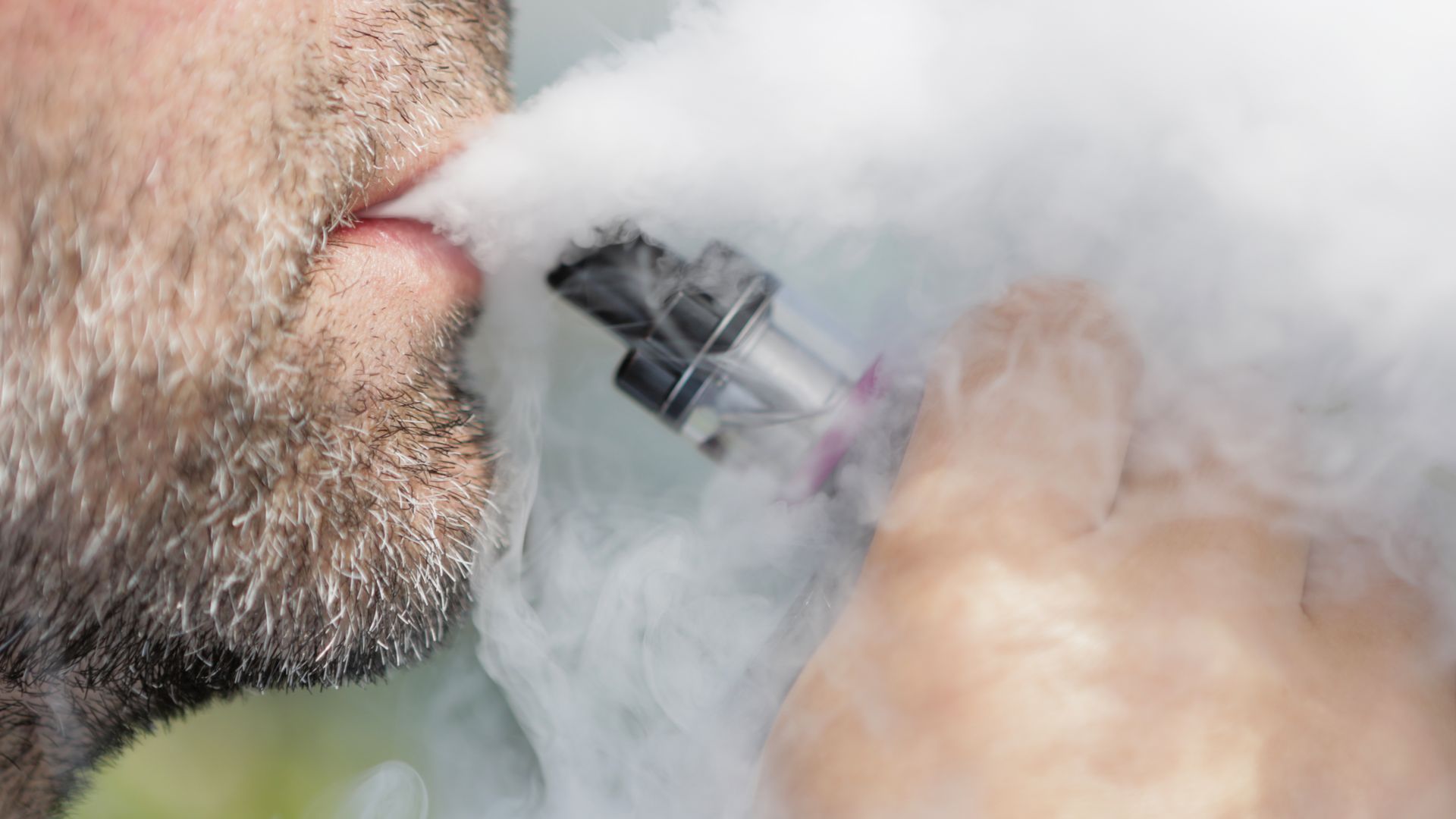
At least 298 people in the U.S. have been hospitalized due to a lung-related illness possibly linked to vaping, NBC reports.
What's happening: The CDC and FDA said they were investigating 193 cases of the illness last week, alongside state health departments, after an adult in Illinois died. Investigators have not identified a specific product or compound that is linked to all confirmed cases, according to Acting Deputy Director for Non-Infectious Diseases at the CDC, Ileana Arias.
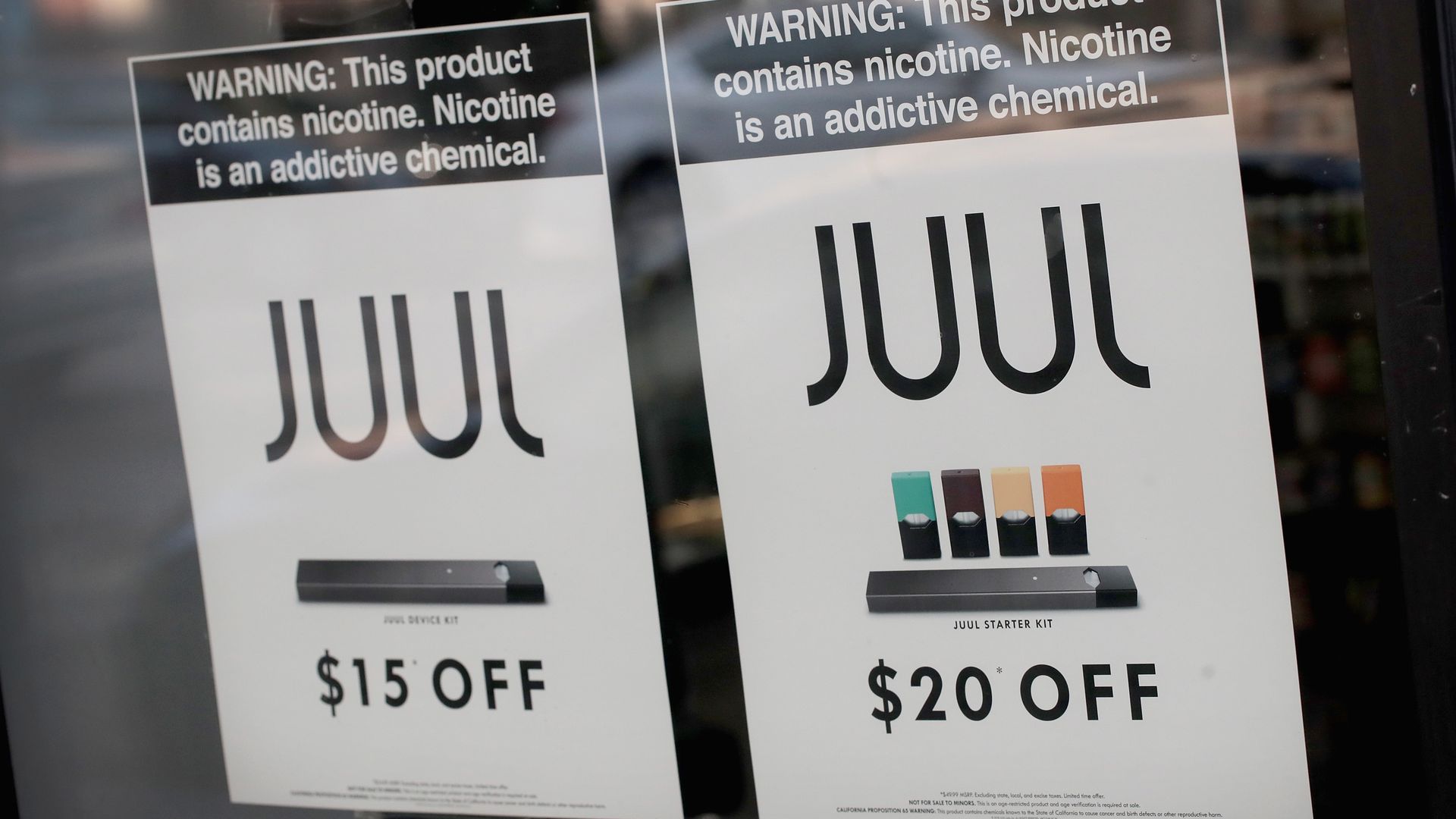
Juul is offering retailers $100 million in incentives to "install a new electronic age-verification system" that the vaping giant hopes will restrict illegal sales to minors, reports the Wall Street Journal.
Why it matters: This is Juul's latest attempt to fight the allegations that the company has helped fuel the teen vaping epidemic.
Pinterest said yesterday that it will start showing only information from health organizations — like the World Health Organization, the Centers for Disease Control and Prevention, the American Academy of Pediatrics and the WHO-established Vaccine Safety Net — when people search for vaccine information, AP reports.
Why it matters: Vaccine misinformation has spread via social media, and experts worry that it's dissuading parents from vaccinating their children. The implications are clear: The measles outbreak recently broke a 27-year record.
Sen. Bernie Sanders, with a series of new policy plans, has put into full, detailed view how he would reorder or referee almost every part of American life.
Why it matters: A new Quinnipiac Poll shows Sanders leads Trump, 53% to 39%. So yes, America might elect a socialist. Meanwhile, he's pulling the 2020 field closer to his views.
As opioid manufacturers sort through their share of lawsuits in the U.S., those companies are fueling the rise of India's painkiller market, the Guardian reports with Kaiser Health News.
The big picture: Indians have in the past viewed pain as something to be suffered through, but that mindset is changing, and the result is eerily similar to the early stages of what Americans now consider a crisis.
Ending surprise medical bills inspires bipartisan kumbaya in a way nearly unheard of these days, and yet a brutal lobbying and public relations blitz by doctor and hospital groups is threatening to kill the entire effort.
Driving the news: Provider-backed groups are spending millions of dollars to sway lawmakers and the public opinion against Congress's efforts to ban surprise billing, according to a handful of recent reports.