As opioid manufacturers sort through their share of lawsuits in the U.S., those companies are fueling the rise of India's painkiller market, the Guardian reports with Kaiser Health News.
The big picture: Indians have in the past viewed pain as something to be suffered through, but that mindset is changing, and the result is eerily similar to the early stages of what Americans now consider a crisis.
Ending surprise medical bills inspires bipartisan kumbaya in a way nearly unheard of these days, and yet a brutal lobbying and public relations blitz by doctor and hospital groups is threatening to kill the entire effort.
Driving the news: Provider-backed groups are spending millions of dollars to sway lawmakers and the public opinion against Congress's efforts to ban surprise billing, according to a handful of recent reports.
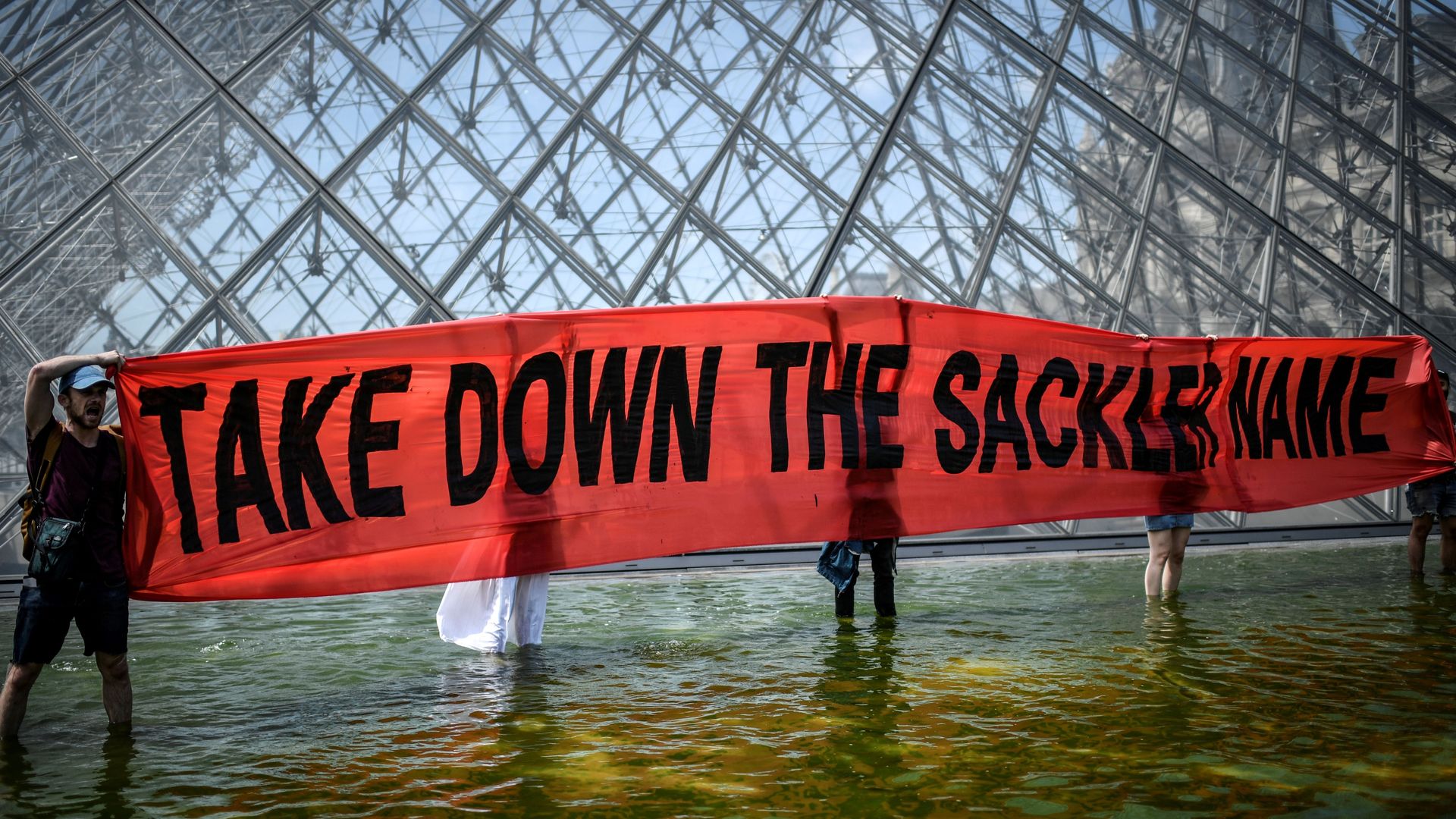
Purdue Pharma and its owners, the Sackler family, have proposed a settlement in the nationwide opioids lawsuit that would be worth $10 billion–$12 billion, NBC News reports.
Why it matters: Purdue is the focal point of this litigation, but the proposed settlement would amount to only a fraction of what the opioid epidemic has cost the U.S. — and only about a third of Purdue's OxyContin sales.
Philip Morris International and Altria are in talks for an all-stock merger, the former confirmed on Tuesday morning. The companies cautioned that there's no guarantee a deal would be struck.
Why it matters: This would result in a mega-tobacco company, reuniting PMI and Altria more than a decade after they split. While Altria has focused on the U.S. market, PMI has been mostly selling overseas. Both have made moves into e-cigarettes.
Dan talks with Axios health-care business reporter Bob Herman how Johnson & Johnson became the first drug maker to be held liable in an opioids case and how it could set the stage for the first federal opioids trial this fall in Ohio.
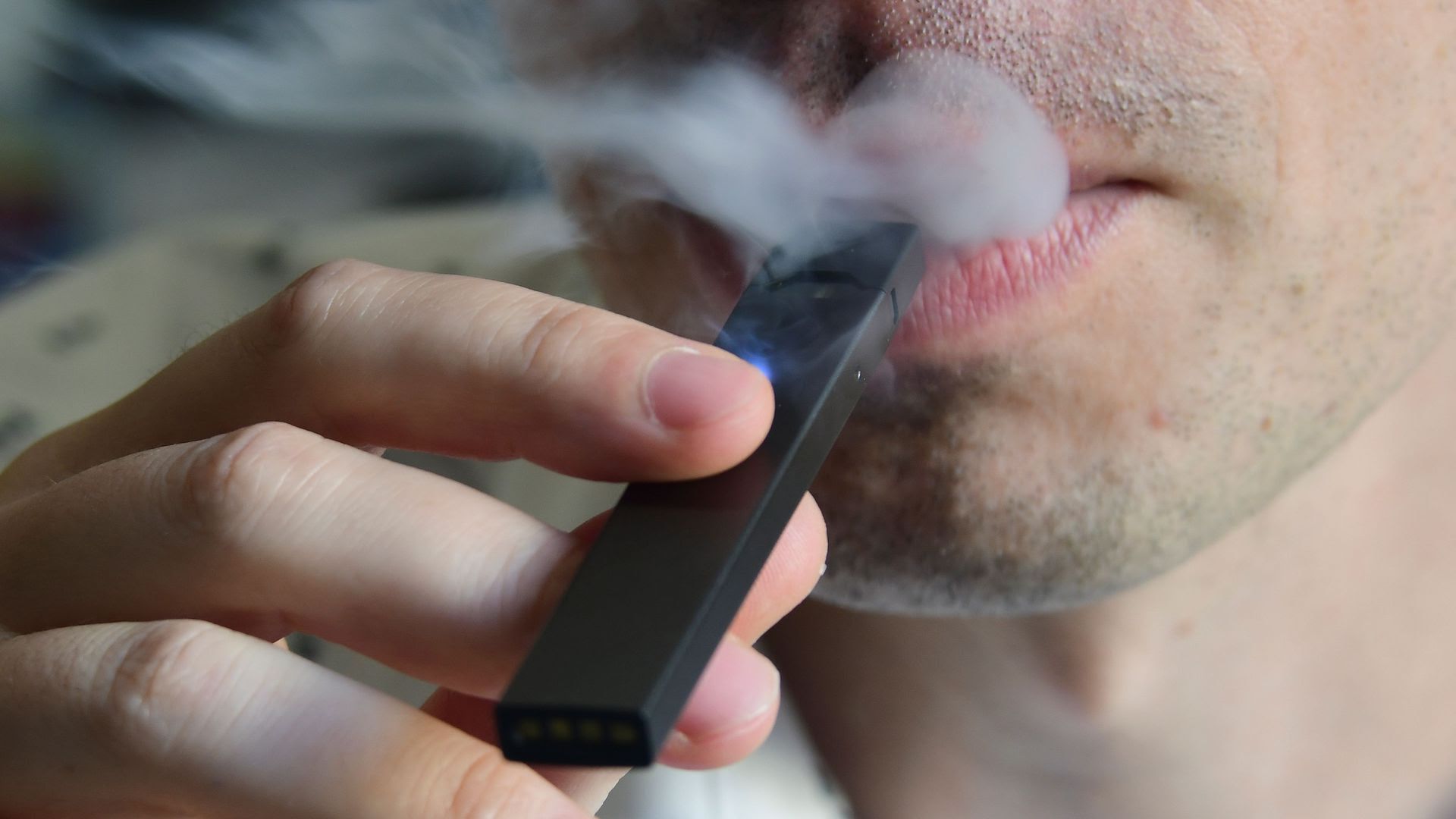
Counterfeit Juul pods are lining the shelves of retail stores following the company's decision last fall to stop selling fruity flavors in stores, CNBC reports.
Why it matters: These fake Juul pods — which look real — may present health concerns. They are also a public relations problem for Juul, which is trying to appear cooperative with the effort to crack down on teen vaping.
The annual cost of multiple sclerosis treatments in Medicare Part D increased more than 400% between 2006 and 2016, according to a new analysis in JAMA Neurology.
By the numbers: Annual costs increased from a mean of $18,660 to $75,847, and patients' out-of-pocket costs increased by more than 700%. There were only 4 self-administered MS therapies before 2009; 7 more have entered the market since then.
Johnson & Johnson has officially been found liable in Oklahoma for deceptive and false marketing of opioids — the first major instance of legal accountability for the opioid epidemic.
Yes, but: If Oklahoma's $572 million judgment is a sign of things to come, states may only be looking at short-term relief — and drug companies may only incur short-term annoyances, rather than crippling penalties.