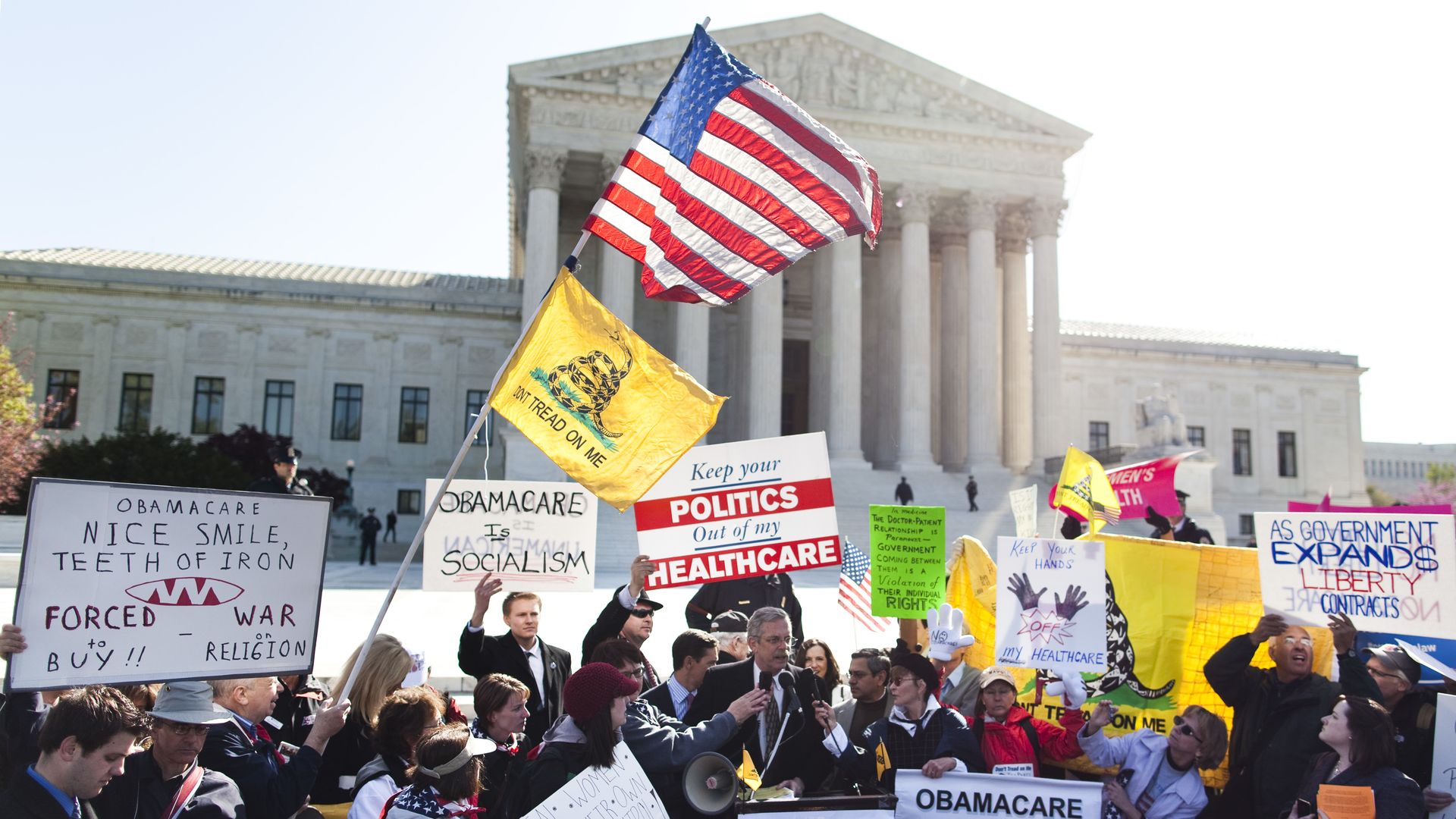
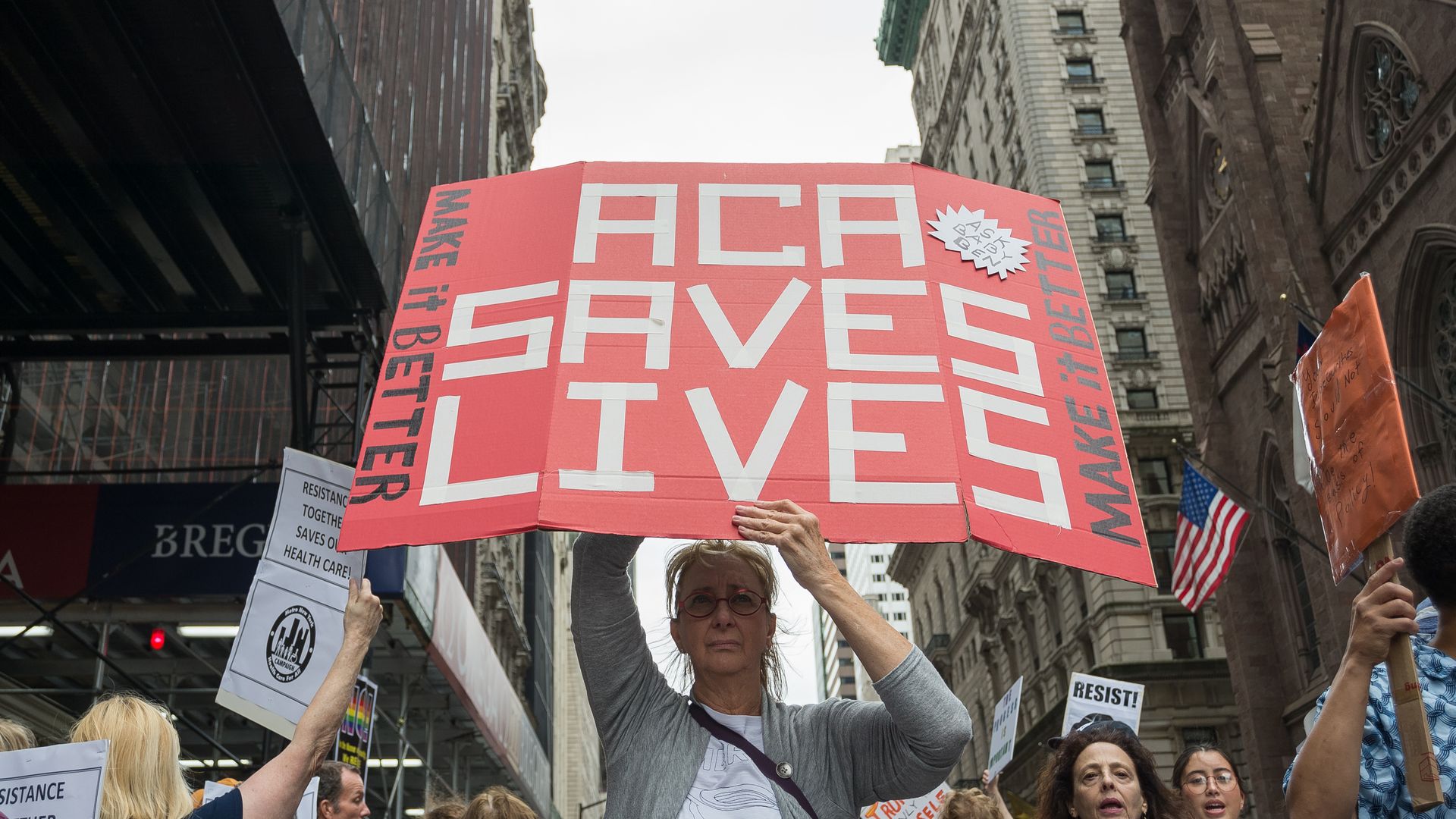
A federal appeals court seemed likely on Tuesday to strike down what remains of the Affordable Care Act's individual mandate, but sent more mixed signals about its willingness to throw out the rest of the health care law along with it.
Why it matters: If a ruling striking down ACA comes to pass — like the one a lower court handed down last year — it would throw some 20 million people off their coverage, create ripple effects through almost every facet of the health care system and ignite an enormous political firestorm.
Intense effort is underway to understand and prevent acute flaccid myelitis (AFM) by the Centers for Disease Control and Prevention, as the agency pushes doctors to report symptoms early, per its new Vital Signs report.
Why it matters: Doctors continue to seek the cause of the serious neurologic syndrome after the largest recorded outbreak in 2018 — 233 patients in 41 states reported symptoms that often included limb weakness or paralysis. The CDC has expressed frustration in determining the source of the illness, as some but not all patients show evidence of enteroviruses, which are spread through the nervous system, in their bodies.
Doctors — theoretically, the best-informed patients out there — don't receive significantly more high-value care than non-doctors, according to a new National Bureau of Economic Research paper.
Why it matters: Many policies are designed based on the idea that if people have more information, they'll be better health care consumers.
Republican attorneys general and the Trump administration will make their case before the 5th Circuit Court of Appeals Tuesday for striking down the entire Affordable Care Act.
Why it matters: If all of this ends with the Affordable Care Act being struck down, it'll kick millions of people off their coverage, upend the health care system and force the political debate about health care back into 2010-level intensity.
A federal judge blocked the Trump administration Monday from implementing a new rule that would require pharmaceutical firms to include the wholesale prices of their drugs in TV advertising, Reuters reports.
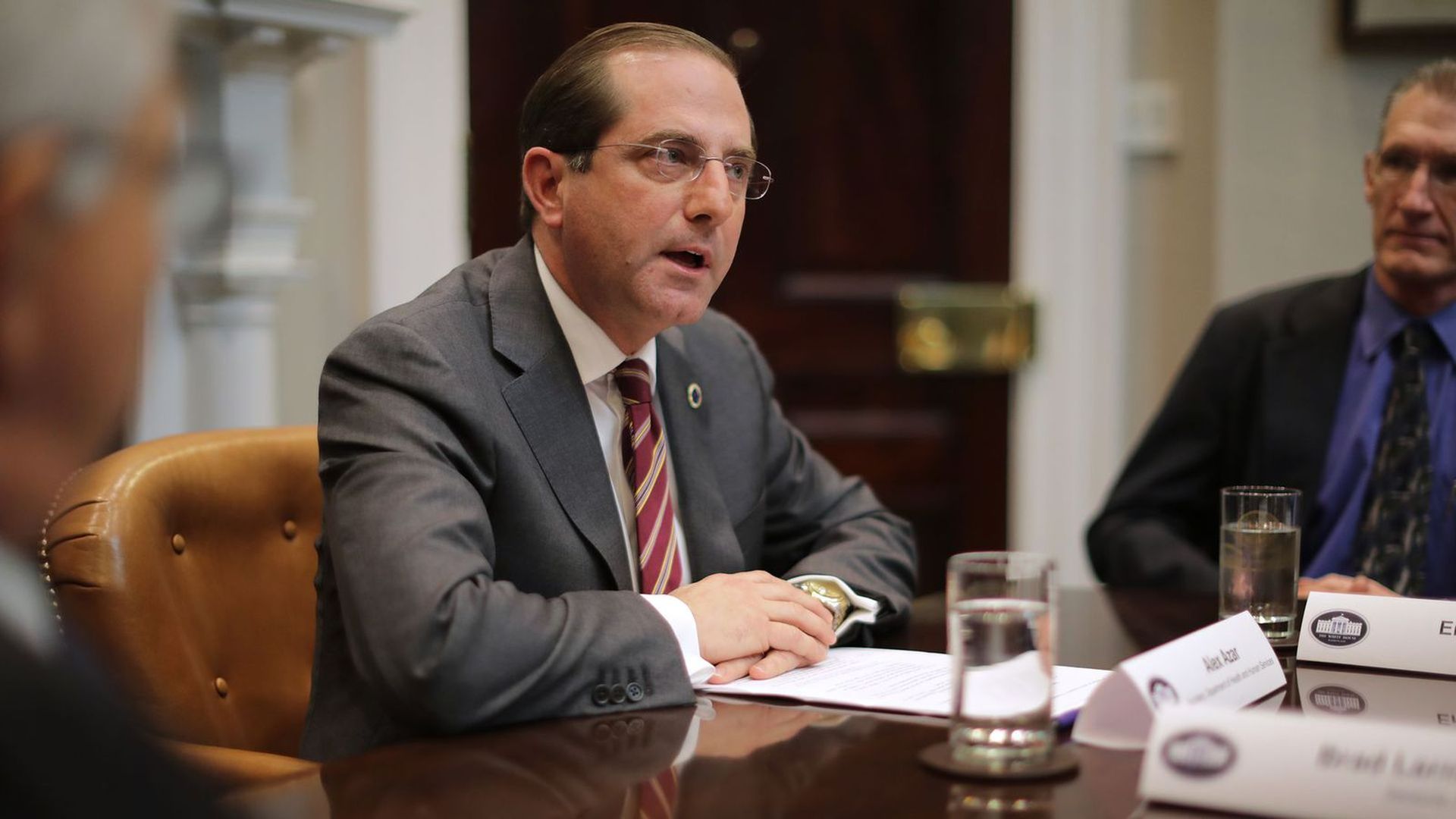
The big picture: The Department of Health and Human Services (HHS) Secretary Alex Azar announced the new rule in May and it was due to take effect on Tuesday. But U.S. District Judge Amit Mehta in Washington, D.C., sided with drugmakers Merck & Co, Eli Lilly and Co and Amgen to halt the HHS rule.
A growing number of insurers and health systems are offering tools that give doctors drug pricing information in real time, but the uptake has been slow, NPR reports with Kaiser Health News.
Between the lines: The pricing tool, which shows how much patients will pay out of pocket for a given drug, aims to help them avoid sticker shock once they go to fill their prescriptions.
Germany — the European country whose health care system is most similar to the U.S. system — seems to have found a way to regulate prescription drug prices without curbing its citizens' access to new, effective medicines.
Why it matters: While German-style drug pricing would be highly disruptive to the U.S. health system, the country's use of private insurers and its resistance to outright price-setting provides an illuminating case study.