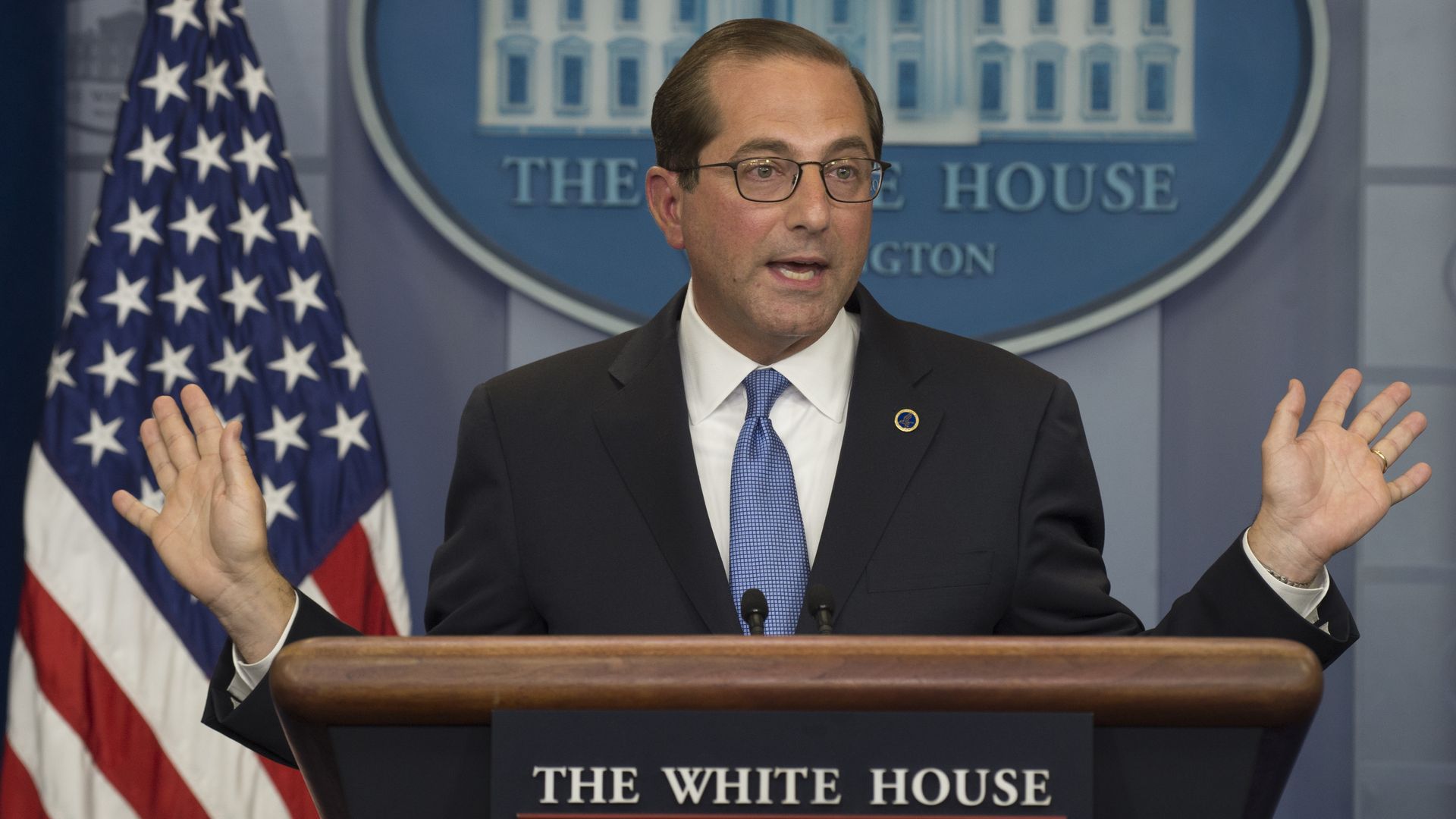
A big part of the Trump administration's plan to lower drug prices is now dead, White House spokesman Judd Deere confirmed to Axios.
Why it matters: The administration is backing away from an effort to change the way money flows through federal health care programs — one of the most sweeping elements of its drug-pricing blueprint. That's bad news for pharma, and the move will put pressure on other parts of the administration's plan, which is also bad news for pharma.
Sales of Remicade, Johnson & Johnson's blockbuster drug that treats autoimmune and inflammatory diseases, are declining. But the drug still controls more than 90% of the market and commands a high U.S. price tag even though cheaper versions have existed for almost 3 years.
The bottom line: Biosimilar competition for Remicade "is essentially a failed market," Bernstein pharmaceutical analyst Ronny Gal wrote in a note to investors on Tuesday.
Almost a quarter of traditional Medicare spending, or $114 billion, goes toward patients who have kidney disease. A large chunk of that, $35 billion, is spent on patients whose kidneys have failed and require dialysis or a transplant, according to the latest federal data.
Why it matters: Kidney disease diagnoses are growing, especially among older adults. Because treating it requires a lot of discomfort and money, the Trump administration is pushing for policies that will encourage more people to get dialysis treatment at home instead of in clinics, Politico reports.
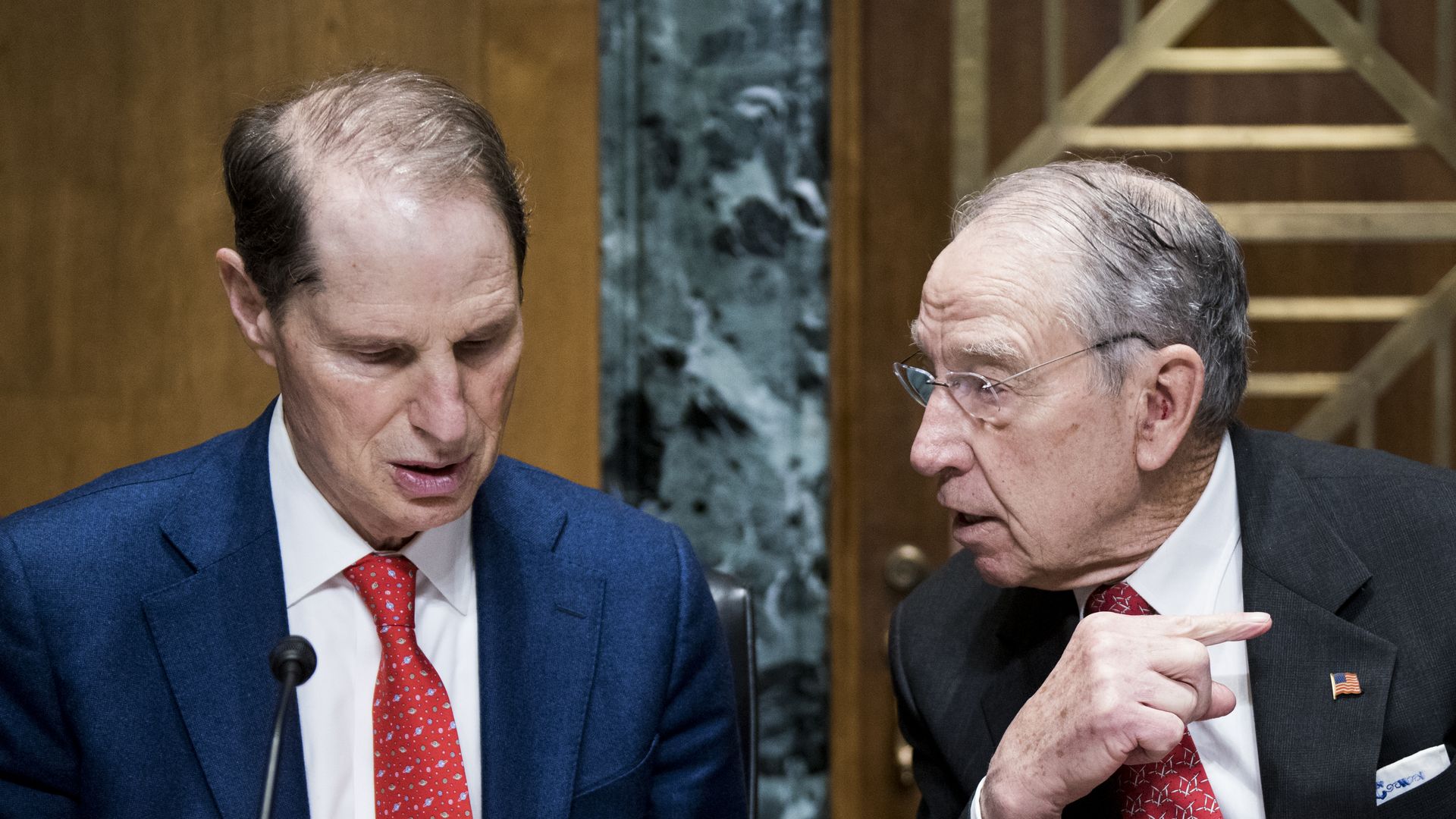
A group of senators is considering a plan to limit how much drug companies can raise their prices in Medicare's prescription drug benefit, among other changes.
The big picture: Some of the proposals would majorly restructure the way Medicare pays for drugs and are sure to draw massive industry pushback — if lawmakers can even agree to them.