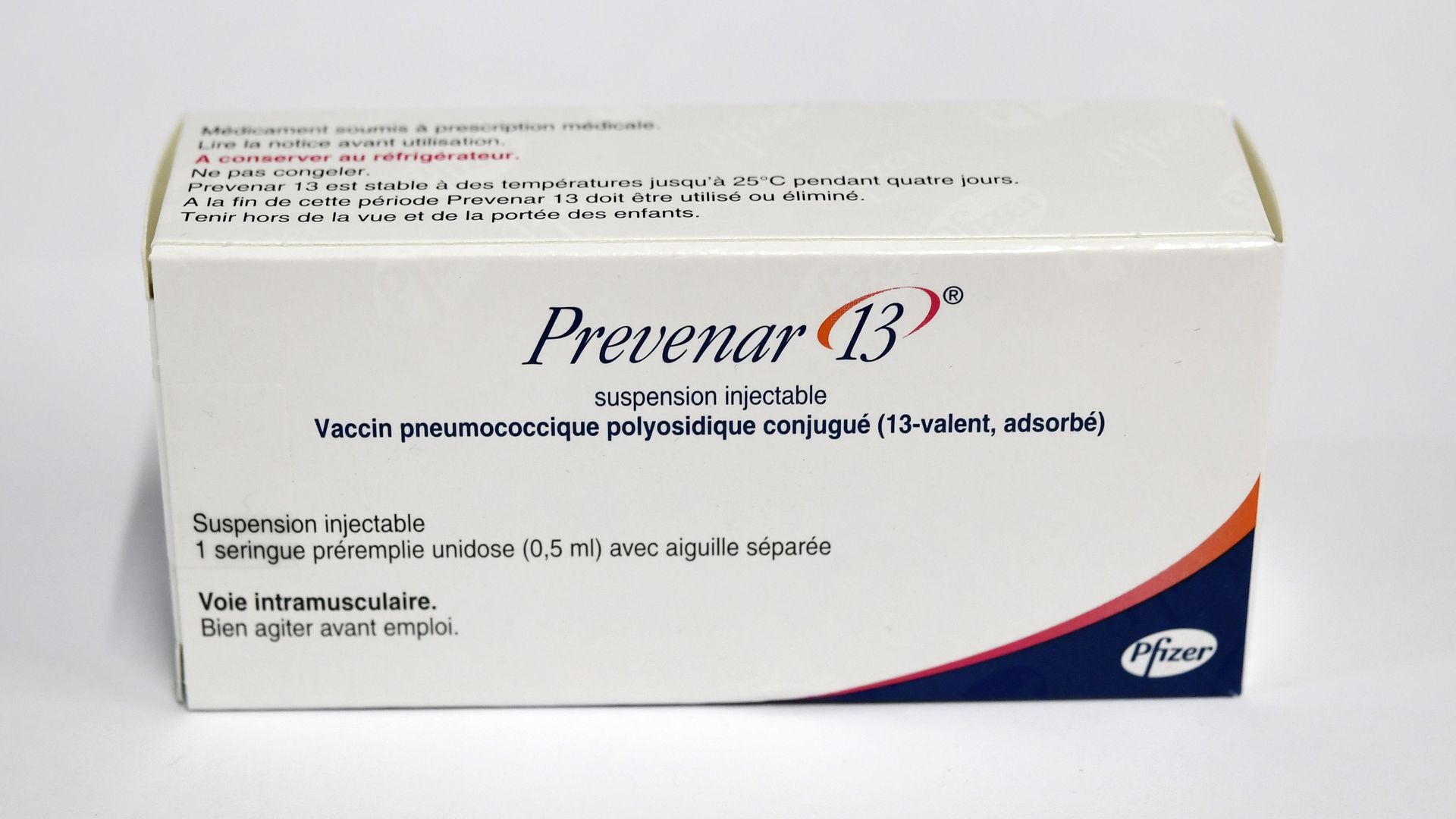
In a narrow 8-6 vote today, a federal vaccine advisory panel shot down its 2014 recommendation that all adults 65 and older get a pneumococcal vaccine called Prevnar 13. Instead, the panel said seniors should get the vaccine based on conversations with their clinicians.
Why it matters: Seniors can still get the shot, but the vaccine won't be universally recommended — to the dismay of the vaccine makers. Pfizer sells Prevnar 13, and the drug company's stock shot down 2% once investors learned of the vote.
For the first time in decades, the number of overdose deaths in the U.S. may finally be falling, the Wall Street Journal reports, citing provisional government data.
Why it matters: That would be a strong and promising sign that the current addiction epidemic — fueled by prescription opioids, heroin and illegal fentanyl — has at least stopped getting worse.
The pharmaceutical industry has already shelled out more than $200 billion for acquisitions during the first half of 2019, capped off yesterday by AbbVie's $63 billion buyout offer for Allergan.
The big picture: This year's deal-making has already surpassed 2017 and 2018, as drug companies plan for patent losses and jockey for lucrative assets that are advancing in clinical trials, including gene therapies.
San Francisco banned e-cigarettes on Tuesday, citing a "growing health epidemic of youth vaping."
The big picture: San Francisco is now the first major U.S. city to ban e-cigarettes, NBC reports. Juul, which is headquartered in San Francisco, tried to crack down on youth vaping in 2018, but this didn't prevent the FDA from stepping in to start to address the problem.
AbbVie is acquiring Allergan for $63 billion in cash and stock, in a deal valued at about $80 billion after factoring in Allergan's debt. The company is banking that Allergan's Botox, along with other beauty and eye drugs, will ease the transition as AbbVie's Humira loses U.S. patent protection in 2023.
Why it matters: A combined AbbVie and Allergan — both of which have engaged in controversialpatenttactics to protect the moats around their blockbuster drugs — would be one of the largest companies in the rapidly consolidating pharmaceutical industry.
Why it matters: Self-funded employers, or those that directly pay for their workers’ medical claims, usually buy "stop-loss" coverage to insure themselves from unpredictably costly diagnoses. And cancer has been the highest-cost condition for stop-loss claims every year since 2013.
The cost of specialty drugs has skyrocketed over the last decade, with the cost of 61 widely used drugs almost tripling between 2006 and 2017, according to a new AARP report.
By the numbers: The average annual cost of a specialty drug in 2017 was almost $20,000 more than the median U.S. household income.
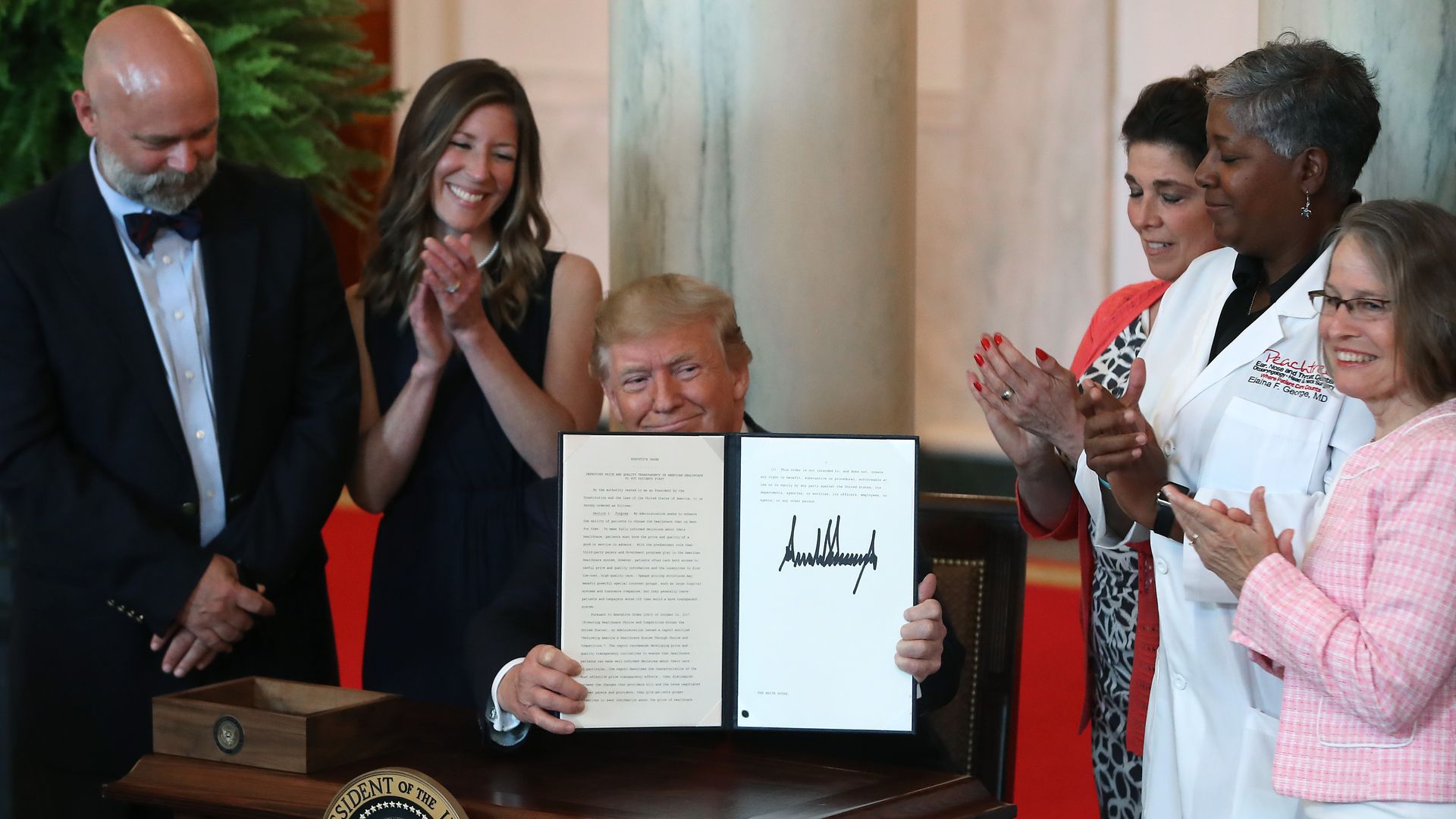
The most important detail to watch in the regulations for President Trump's executive order on price transparency for hospitals: will they require that insurers give consumers information on out of pocket costs in a timely and usable way?
Why it matters: That kind of timely information will be needed in the regulations — which have yet to be written — so consumers can shop based on the costs they will actually pay.
Industry groups came out with guns blazing yesterday against President Trump's executive order on price transparency for hospitals. And plenty of experts are skeptical that it will bring prices down.
What's next: Industry will have ample opportunity to kill or weaken the new rules while the administration fills in the details through the regulatory process.







/2019/06/24/1561416426387.gif?w=3840)