The World Health Organization — still reeling over the loss of one of its doctors killed in a violent attack in the Democratic Republic of the Congo a week ago — and other experts indicate that the Ebola outbreak will likely continue spreading until the region can be made secure enough to implement the necessary steps.
Why it matters: The deadly contagious virus can only be halted by tracking down people who may have been in contact with infected patients and taking steps to quarantine and vaccinate them, experts say. But the violence wracking that region — causing DRC doctors and nurses to threaten strike and WHO to stop some of its activities — puts those efforts at risk.
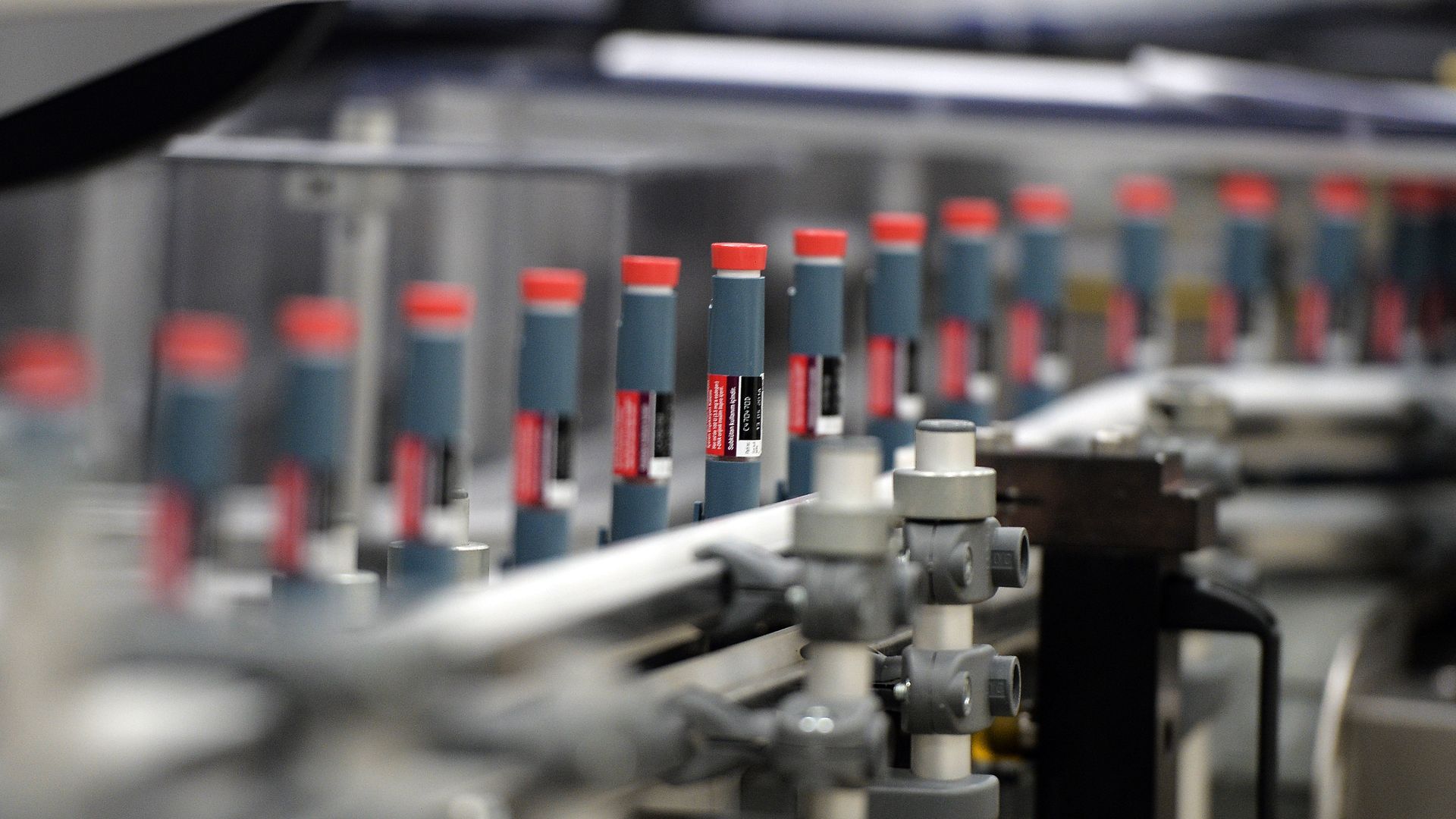
Eli Lilly's new "authorized generic" of its pricey Humalog insulin, called Lispro, is excluded from the 2019 national list of covered drugs from pharmacy benefit manager Express Scripts.
The big picture: So much for all the fanfare when Eli Lilly unveiled the insulin last month. Lispro's price doesn't change net spending on the insulin, even though it is cheaper for people paying cash out of pocket, and PBMs have little incentive to cover the drug if a rebate doesn't exist or is tiny.
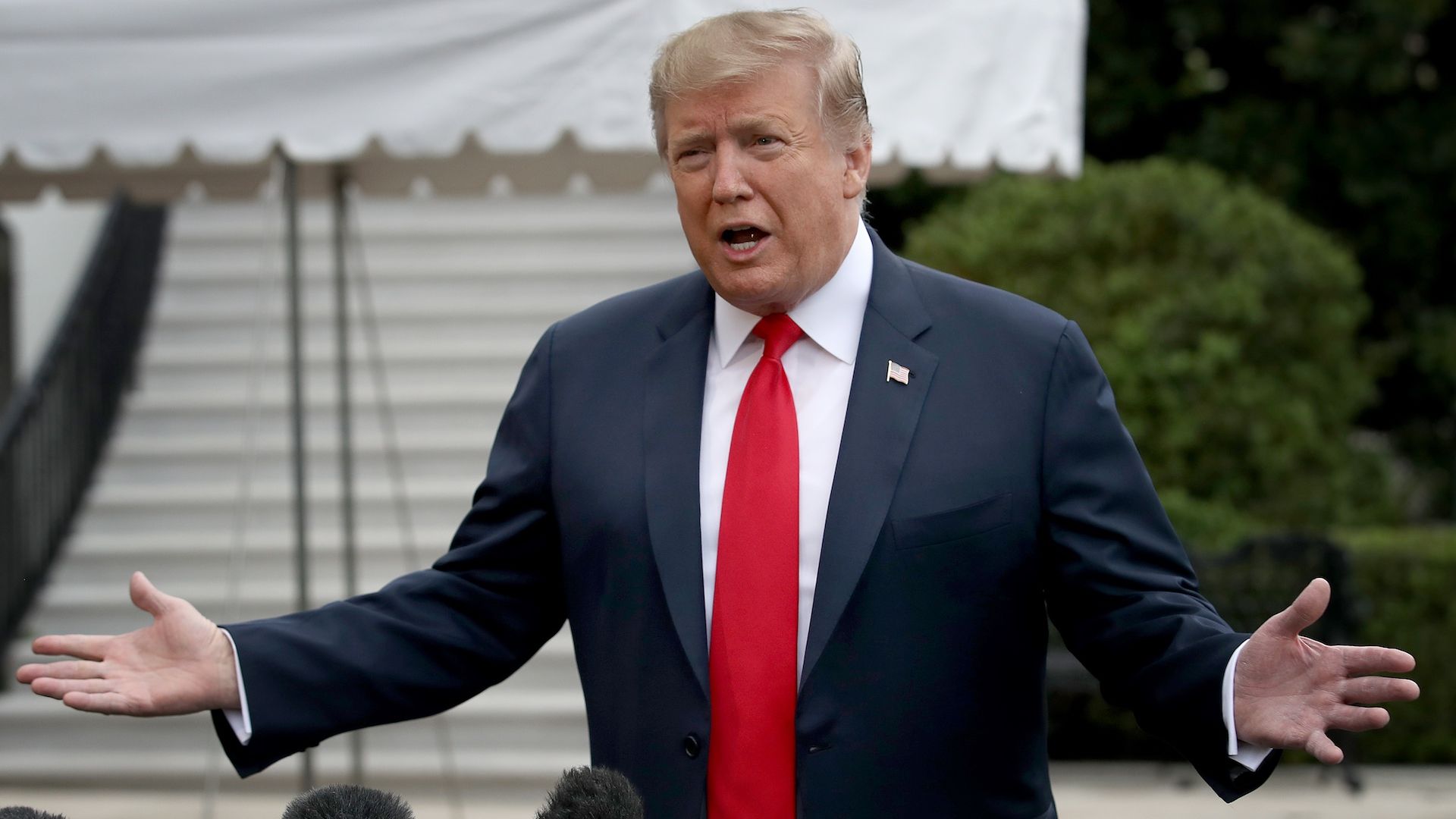
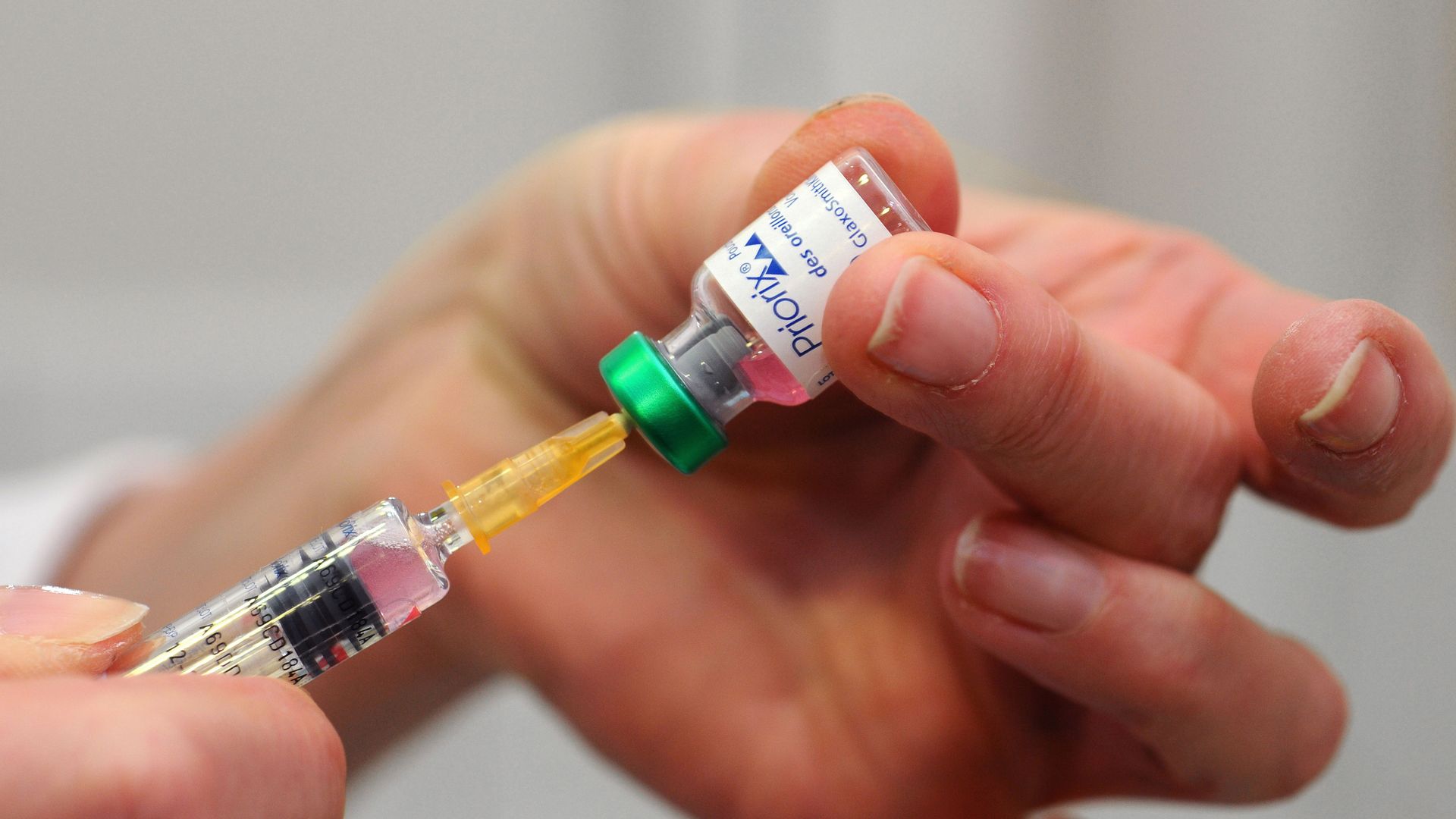
President Trump on Friday spoke for the first time on the record about measles outbreaks that have taken place across 22 states so far this year, instructing parents to vaccinate their children against the highly contagious and occasionally deadly virus.
What he said: "They have to get the shots. The vaccinations are so important, this is really going around now. They have to get the shots."
Astellas Pharma is paying $100 million and Amgen is paying almost $25 million to the Department of Justice to settle allegations that they funneled donations to charities, which in return covered patients' copays for those companies' drugs.
The bottom line: The settlements are small potatoes for both drugmakers.
Hospitals in South Carolina are allowed to siphon off millions of dollars a year from their poorest patients' tax refunds, to recoup those patients' medical debt, according to a a wild story by the Post and Courier.
How it works: The state Department of Revenue does the work, collecting a cut for themselves, resulting in health organizations taking at least $92.9 million via more than 172,000 seizures in 2017. A lobbying group is also involved, and also takes a chunk of money for itself, resulting in another fee tacked onto patients' debt.
Pharmaceutical companies can often begin raking in huge profits before they've proven that a new drug will work. And some of them don't work.
The big picture: The FDA is increasingly allowing drugmakers to start selling their products based on preliminary evidence, wrapping up their clinical trials after they’re already on the market. Some of those trials don’t pan out — but drugmakers are still charging sky-high prices in the interim.
After 2 college students were diagnosed with measles, UCLA and Cal State L.A. have quarantined more than 200 students and staff who have either not been vaccinated or were unable to show proof of vaccinations, per the Los Angeles Times.
Details: County health workers reached out to about 500 people who came into contact with the infected students, and roughly 79 of those individuals have not shown vaccination records at UCLA, the LA Times reports. At Cal State L.A., more than 150 library employees have failed to provide vaccination records. Already, there are 38 confirmed cases of measles in California this year.