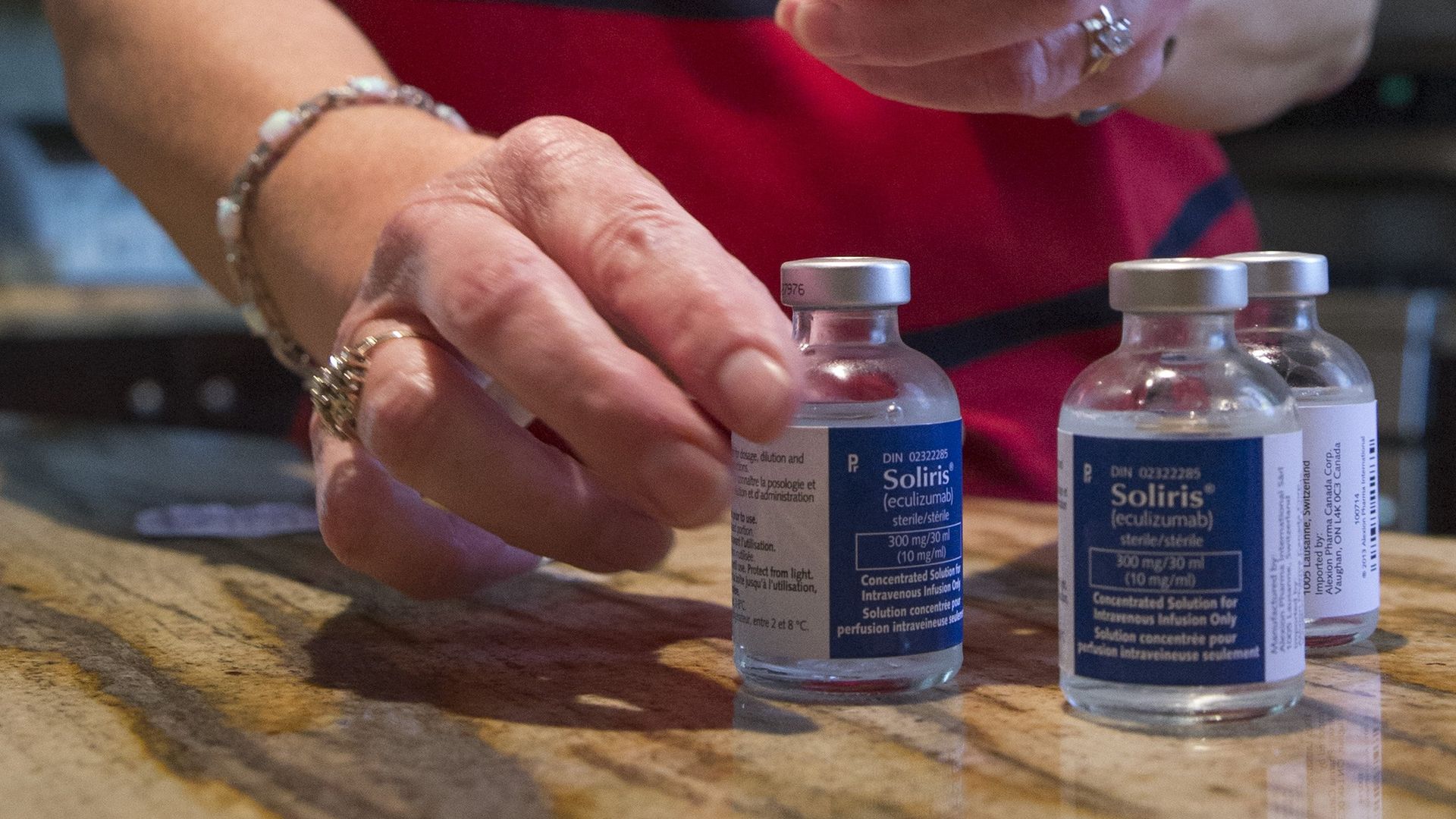
Jazz Pharmaceuticals, Lundbeck and Alexion Pharmaceuticals are paying a combined $122.6 million to the federal government to settle allegations that they funded outside charities that covered patients' copays for the specific drugs they sell.
Why it matters: It's illegal for pharmaceutical companies to directly or indirectly pay for patients' medications, because the payments are "masking the high prices those companies charge for their drugs,” U.S. Attorney Andrew Lelling said in a statement. Yet, copay kickback allegations continue to pop up.
Most large U.S. cities have a shortage of affordable housing, and that has a ripple effect on low-income families' health, Curbed reports, citing a new study that adds to the growing focus on social determinants of health.
Details: "Half of renters surveyed delayed health care because they couldn't afford it, and 100 percent of medical professionals surveyed said they had dealt with patients in the past who expressed concerns and anxiety about affordable housing."
Yes, but: It probably should not be the sun around which all health policy must orbit. And the fact that Washington has thrust it into that role, for almost a decade, has diverted attention and political energy from the very important issue of what health care costs.
Conventional wisdom says health insurers nudge patients toward generic drugs whenever they can, saving everyone money in the process. That's not always true.
How it works: Mylan recently launched a generic version of the popular Advair inhaler at a 70% discount. But Express Scripts, which manages pharmacy benefits for 100 million people, is telling pharmacies to dispense the more expensive Advair brand because it won't cover Mylan's generic.
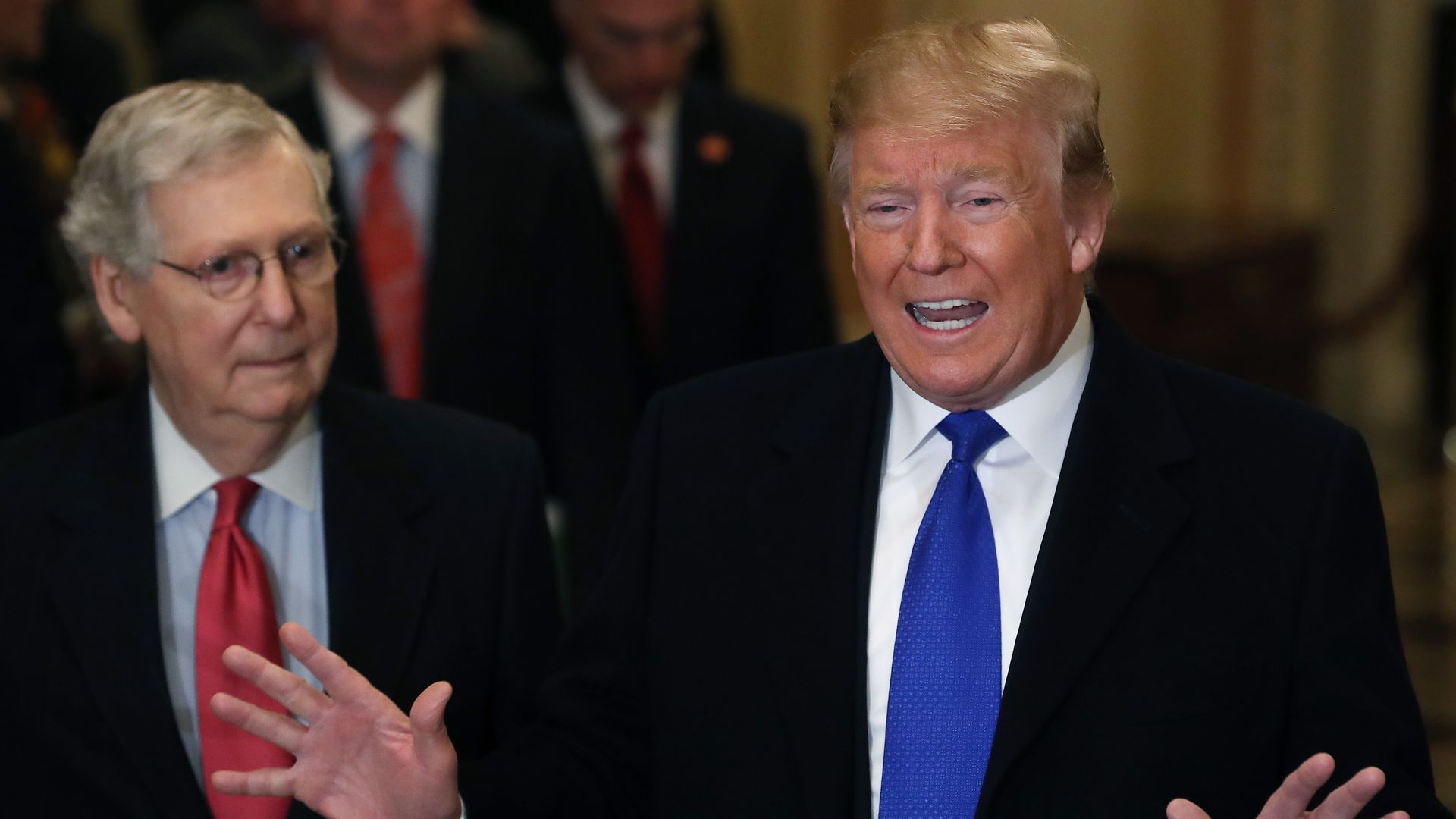
GOP leaders are trying their best to put a lid on President Trump's talk of a new and wonderful health care plan that would define the Republican Party for 2020.
Driving the news: "Not any longer," Senate Majority Leader Mitch McConnell said yesterday when asked whether he and Trump differ on health care.
John Bardis, a former HHS assistant secretary under the Trump administration, said in a speech Tuesday that employers need to take a tougher stand on health care costs.
Why it matters: If employers take Bardis' advice, hospitals and drug companies are in big trouble.
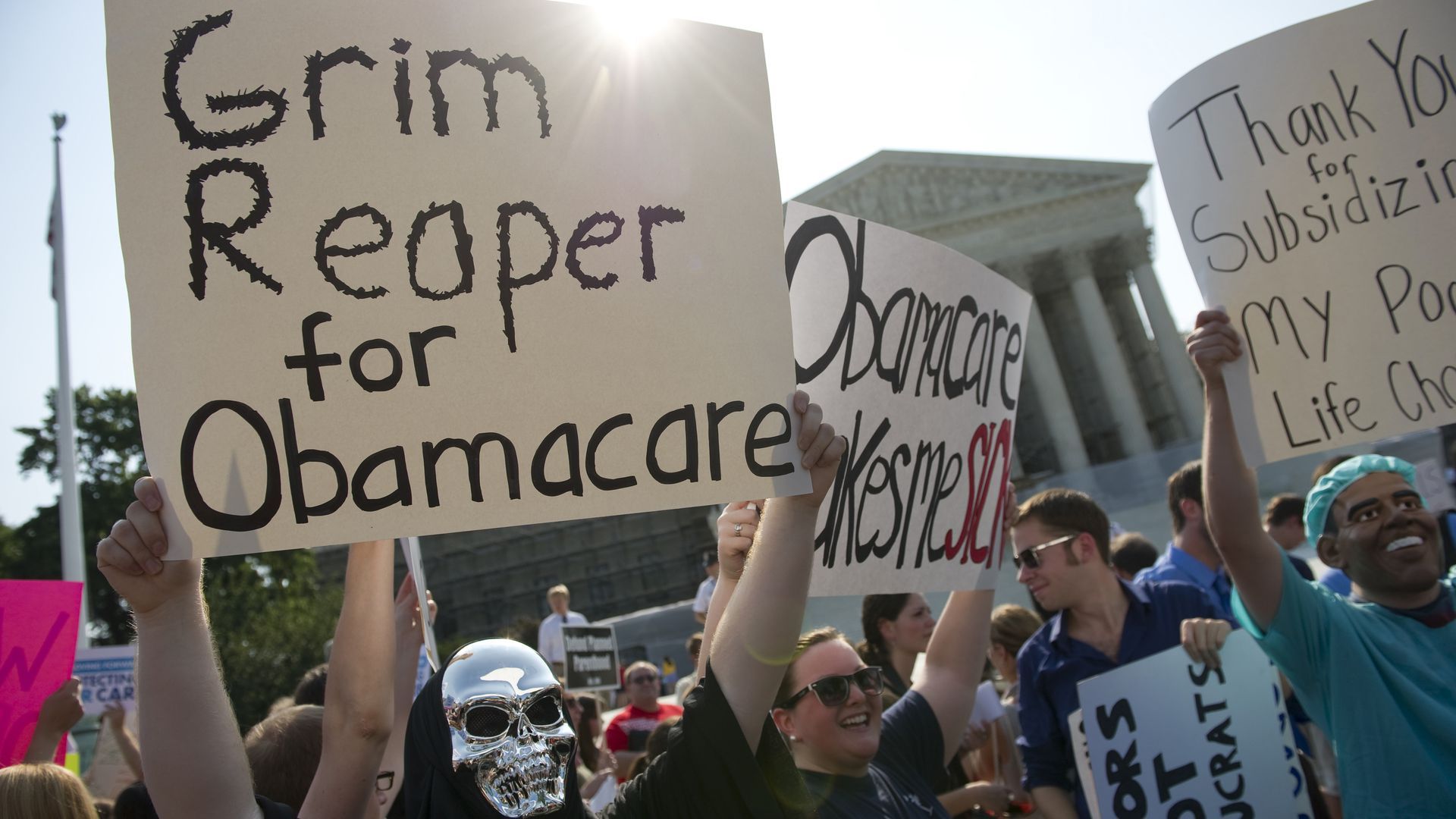
The only plausible explanation for President Trump's renewed effort through the courts to do away with the Affordable Care Act, other than muscle memory, is a desire to play to his base despite widely reported misgivings in his own administration and among Republicans in Congress.
Reality check: But the Republican base has more complicated views about the ACA than the activists who show up at rallies and cheer when the president talks about repealing the law. The polling is clear: Republicans don't like the ACA, but just like everyone else, they like its benefits and will not want to lose them.
AbbVie is facing a growing class-action lawsuit in which unions and municipalities say they have overpaid for the blockbuster drug Humira as a result of AbbVie's "anticompetitive conduct" to keep cheaper alternatives at bay.
The big picture: This has snowballed into a big case, with a lot on the line — both financially and as a referendum on the accusations that pharmaceutical companies manipulate the patent system to preserve monopoly prices for their prized drugs.