The Trump administration says it will try to soften the blow for industry as it prepares to overhaul part of the drug-pricing system — a potential acknowledgement that its plan may happen on time.
Driving the news: Trump has proposed eliminating drug-pricing rebates in Medicare Part D, beginning in 2020. But Medicare and Medicaid administrator Seema Verma said in a memo today that insurers and pharmacy benefit managers can assume rebates will still exist as they design their 2020 plans.
Employers are the linchpin of the U.S. health care system. But they don't always act like it.
The big picture: Employers play a minor role in the political debate over health care costs, but they have a lot on the line — and a lot more political muscle than they're choosing to flex. An increasingly bipartisan cadre of policy experts is trying to tell them that staying on the sidelines is both counterproductive and unsustainable.
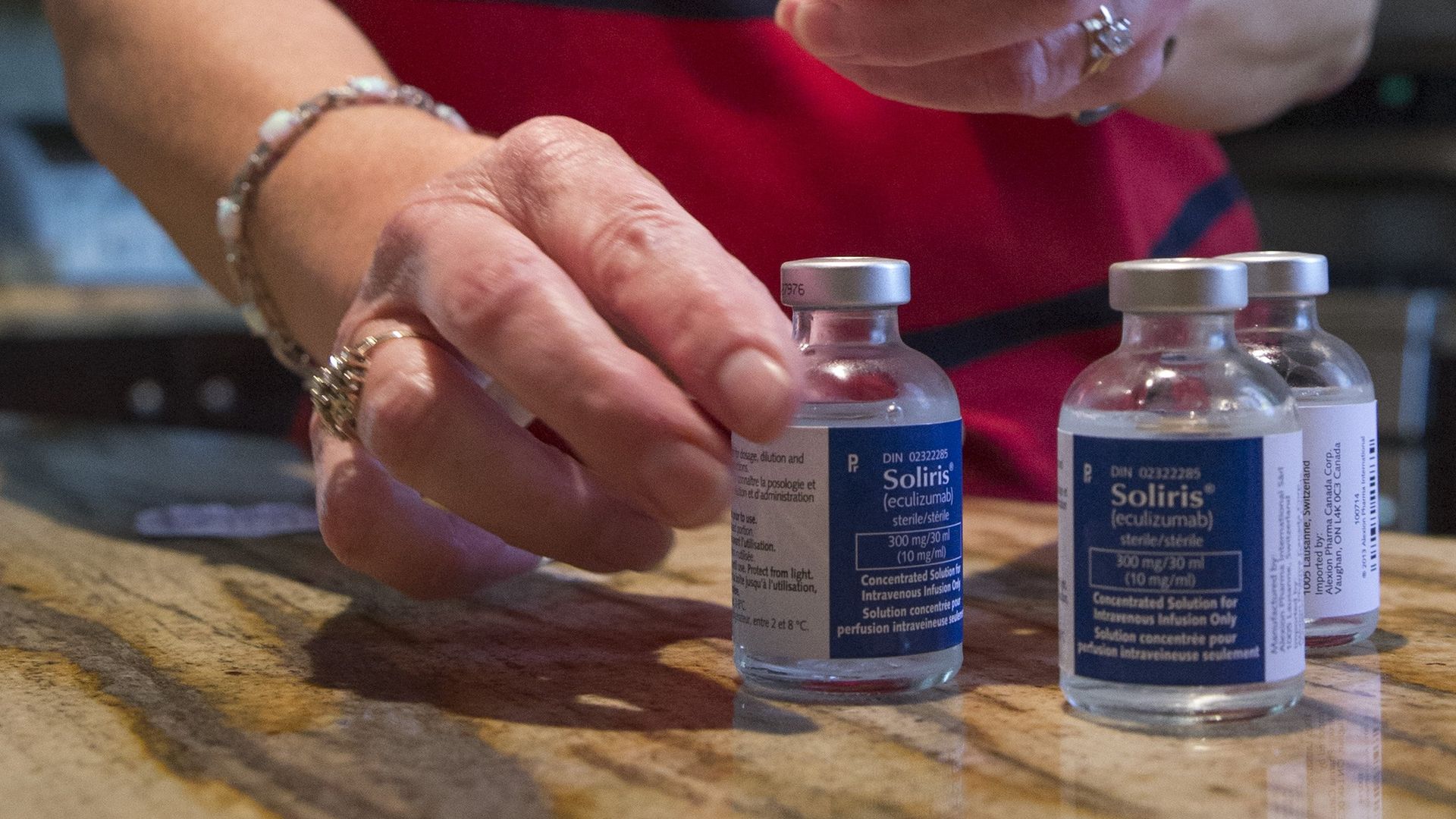
Jazz Pharmaceuticals, Lundbeck and Alexion Pharmaceuticals are paying a combined $122.6 million to the federal government to settle allegations that they funded outside charities that covered patients' copays for the specific drugs they sell.
Why it matters: It's illegal for pharmaceutical companies to directly or indirectly pay for patients' medications, because the payments are "masking the high prices those companies charge for their drugs,” U.S. Attorney Andrew Lelling said in a statement. Yet, copay kickback allegations continue to pop up.
Most large U.S. cities have a shortage of affordable housing, and that has a ripple effect on low-income families' health, Curbed reports, citing a new study that adds to the growing focus on social determinants of health.
Details: "Half of renters surveyed delayed health care because they couldn't afford it, and 100 percent of medical professionals surveyed said they had dealt with patients in the past who expressed concerns and anxiety about affordable housing."
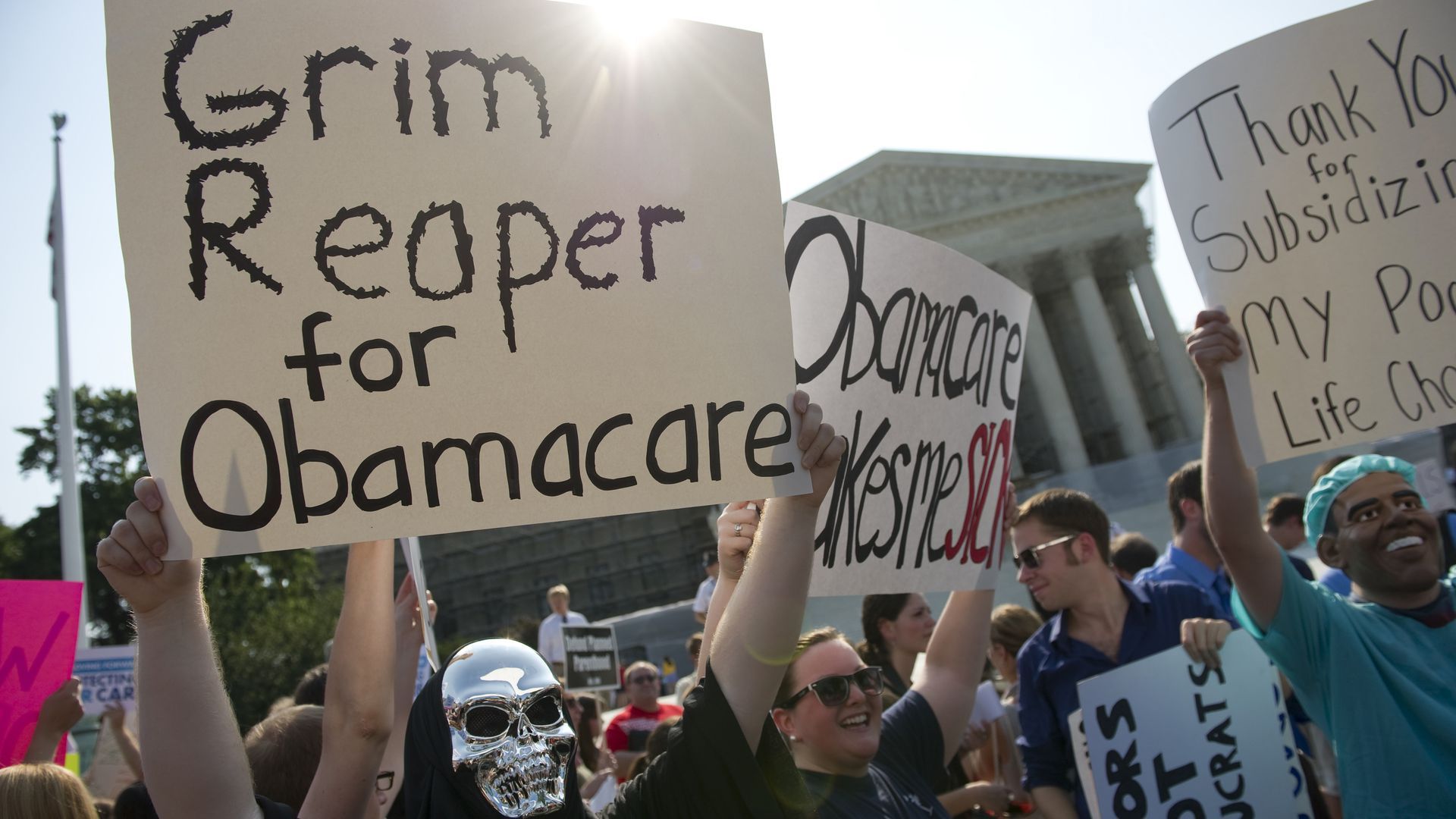
Yes, but: It probably should not be the sun around which all health policy must orbit. And the fact that Washington has thrust it into that role, for almost a decade, has diverted attention and political energy from the very important issue of what health care costs.
Conventional wisdom says health insurers nudge patients toward generic drugs whenever they can, saving everyone money in the process. That's not always true.
How it works: Mylan recently launched a generic version of the popular Advair inhaler at a 70% discount. But Express Scripts, which manages pharmacy benefits for 100 million people, is telling pharmacies to dispense the more expensive Advair brand because it won't cover Mylan's generic.