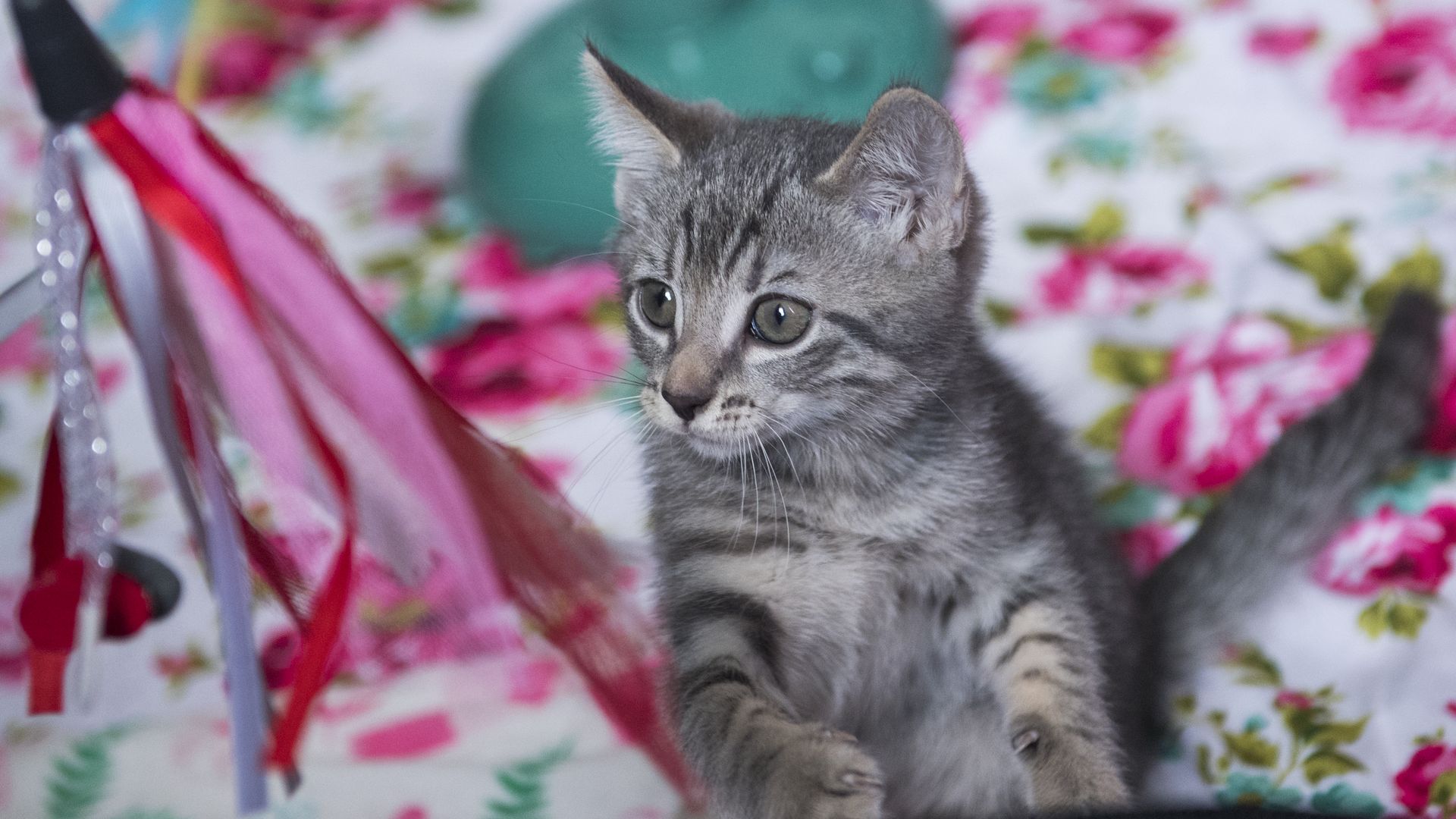
The Agriculture Department said Tuesday that the agency will cease its controversial practice of infecting kittens with the Toxoplasma gondii parasite for laboratory research to combat foodborne illness.
The backdrop: Bipartisan legislation was introduced in Congress last month to end the agency's practice.The department’s Agricultural Research Service has been using this practice to study the parasite it says is the leading cause of death from foodborne illness in the U.S. NBC News reported that since 1982, the agency had also been feeding cats with dog and cat remains obtained from "Asian meat markets." The USDA said it hasn’t infected any kittens in its facilities since last September, and the cats that were never infected will be available for adoption.
Americans' expectations about our health care system are a cascade of pessimism, according to new survey data from West Health and Gallup.
By the numbers: 76% expect health care costs to increase over the next couple of years, and 77% said they're concerned that rising health costs "will result in significant and lasting damage" to the U.S. economy. 69% said they're "not at all confident" Washington will be able to do anything about it.
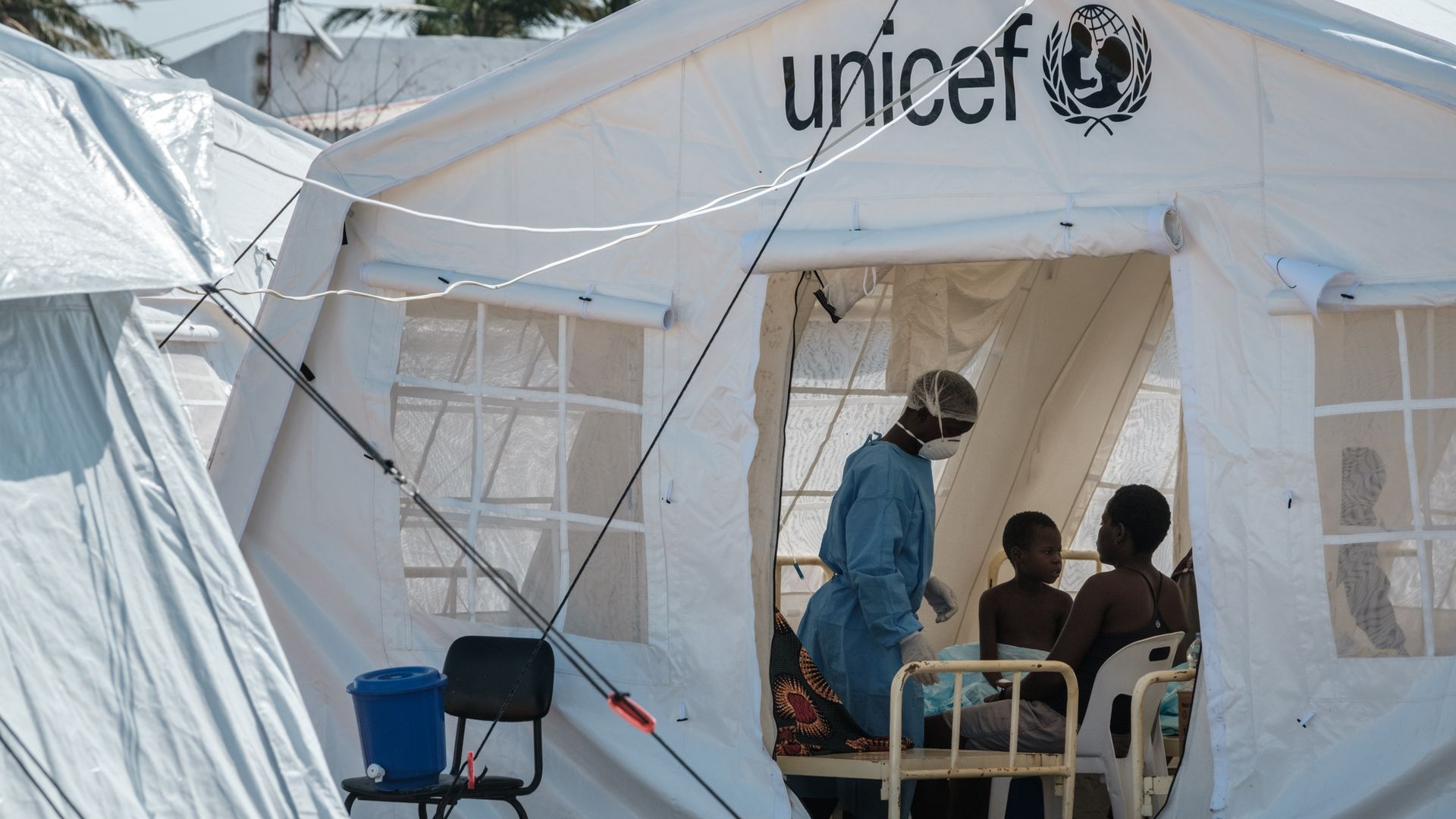
Cholera has returned in the aftermath of the deadly Cyclone Idai that devastated large swaths of southern Africa on March 15.
Why it matters: Catastrophic events have the potential to reverse health, education and income gains in countries like Mozambique and Malawi, which are among the poorest in the world. Approximately half the population in both countries live below the official poverty lines, and many lack access to safe water and toilets.
The financial burden of insurance premiums is growing, especially in sparsely populated states in the South, West and Northeast, according to a new analysis by the Leonard David Institute of Health Economics and United States of Care.
The big picture: Premiums are eating up an increasingly big share of workers' paychecks. And this analysis doesn't include out-of-pocket spending, which is rising even faster.
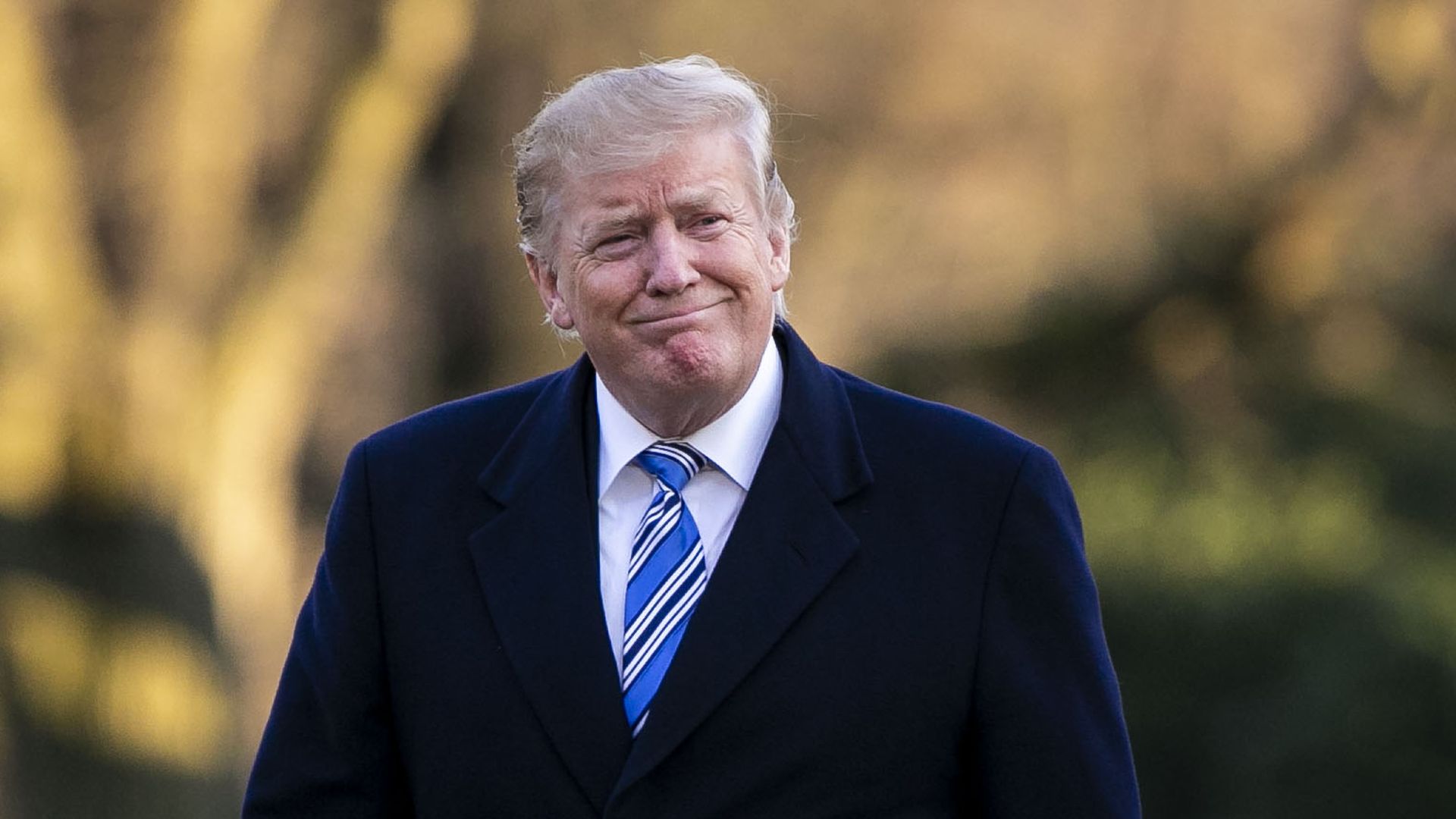
President Trump said in a series of tweets Monday night Republicans were developing a "really great" replacement for the Affordable Care Act, but it would not happen until after the 2020 elections.
Vote will be taken right after the Election when Republicans hold the Senate & win … back the House.”
As the 2020 campaign ramps up, Democrats may be able to rally their base by talking about universal coverage and making health care a right through Medicare-for-all. Republicans may be able to motivate their core voters by branding progressive Democratic ideas as socialism.
The catch: But it’s the candidates who can connect their plans and messages to voters’ worries about out of pocket costs who will reach beyond the activists in their base. And the candidates aren’t speaking to that much, at least so far.
Health care companies reported larger profits in the final quarter of 2018, compared with the same period in 2017, and the Republican tax overhaul helped pad their bottom lines, according to an Axios analysis of financial documents.
The intrigue: Like other industries, many health care companies took sizable charges in the final quarter of 2017 as they repatriated overseas cash. Now, firms are feasting on lower tax rates — and in some cases, are getting federal tax refunds.
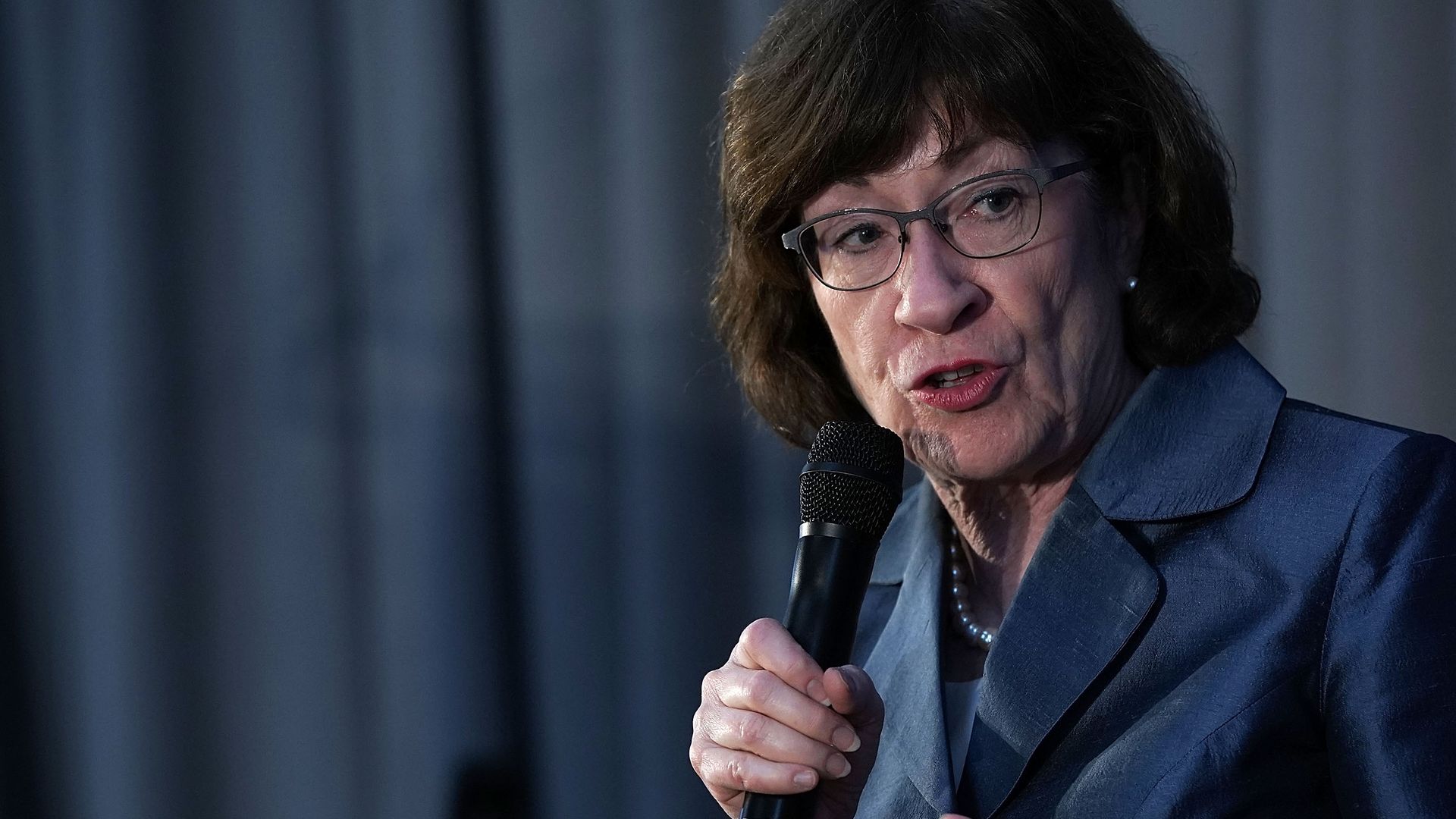
Sen. Susan Collins (R-Maine) sent a letter to Attorney General Bill Barr Monday urging him to reconsider the Justice Department's decision to strike down the Affordable Care Act and defend the remainder of the ACA.
What she's saying: "Rather than seeking to have the courts invalidate the ACA, the proper route for the administration to pursue would be to propose changes to the ACA or to once again seek its repeal. The administration should not attempt to use the courts to bypass Congress," Collins said in her letter.