Authorities in Rockland County — a Manhattan suburb — announced a state of emergency on Tuesday, prohibiting unvaccinated children from countywide public spaces for 30 days as the state faces more than 180 confirmed measles cases, the Washington Post reports.
Details: The ban extends to venues that include churches, schools and retail locations.Parents and guardians in violation of the ban will be held culpable and tried with a misdemeanor with up to 6 months of jail time or a fine of $500. Rockland County attempted a similar course of action last year by prohibiting unvaccinated children from attending schools with vaccination rates lower than 95%.
The Ebola outbreak in the Democratic Republic of the Congo reports more than 1,000 confirmed and probable cases, and experts warn this could continue for the long haul unless the community starts trusting public health workers and participates in identifying contacts of infected people.
Why it matters: The outbreak cannot be stemmed until each contact of an infected person is vaccinated and monitored until they are declared free of the deadly infection — something the World Health Organization has been characterized as challenging. Some worry that the haemorrhagic disease could become endemic in the area, although most say it hasn't reached that point yet.
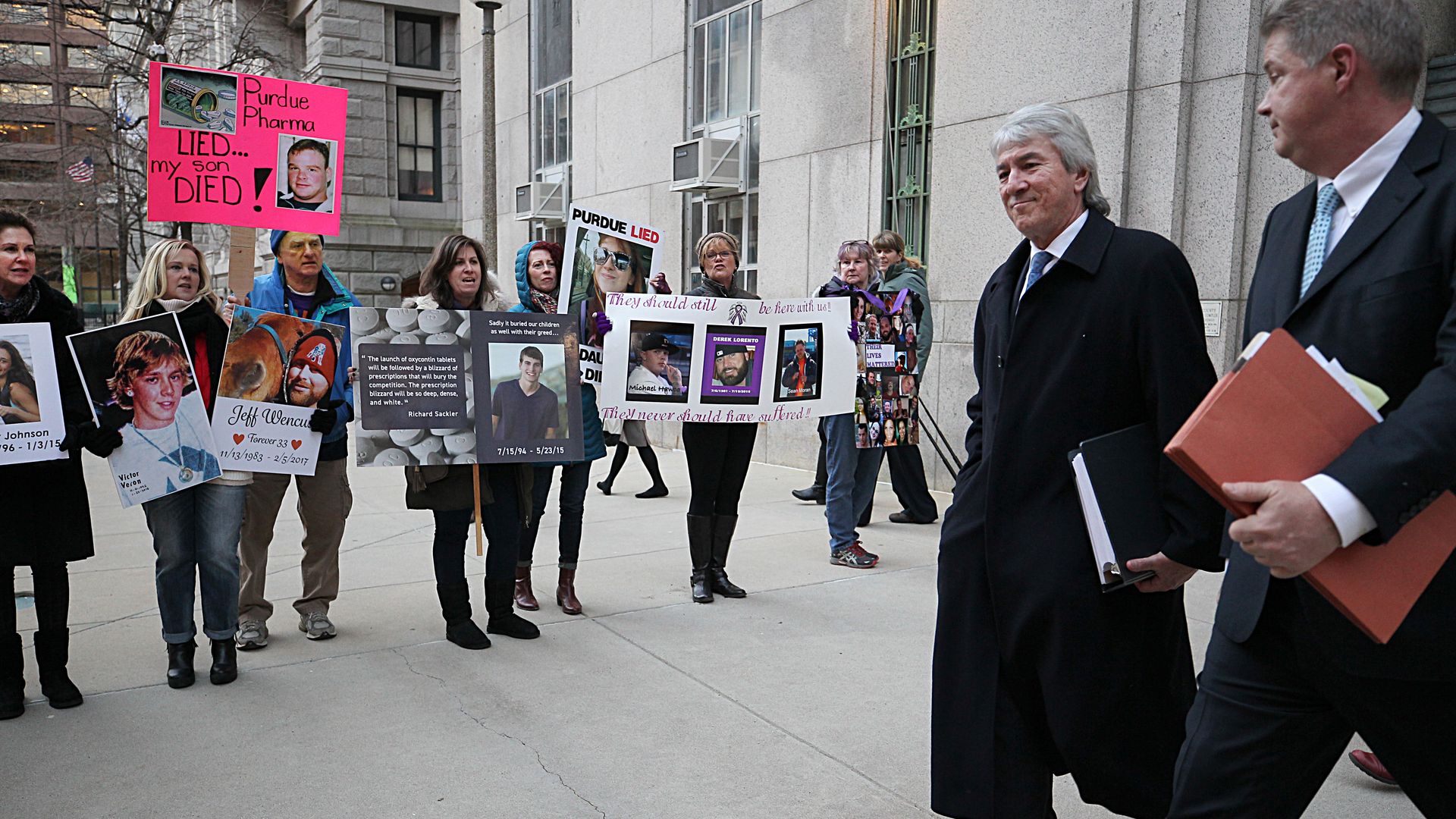
Purdue Pharma, the producer of OxyContin, settled a lawsuit on Tuesday brought by the state of Oklahoma alleging that the company made billions of dollars while fueling the country's opioid crisis, reports Bloomberg.
The big picture: Purdue was set to go to trial in Oklahoma in May, along with fellow opioid manufacturers Johnson & Johnson and Teva. The settlement only covers the claims against Purdue, which agreed to pay $270 million with the help of its owners, the Sackler family, per the Wall Street Journal.The outcome of the Oklahoma case was largely viewed as a bellwether for a much larger, consolidated national opioids lawsuit underway in Ohio.
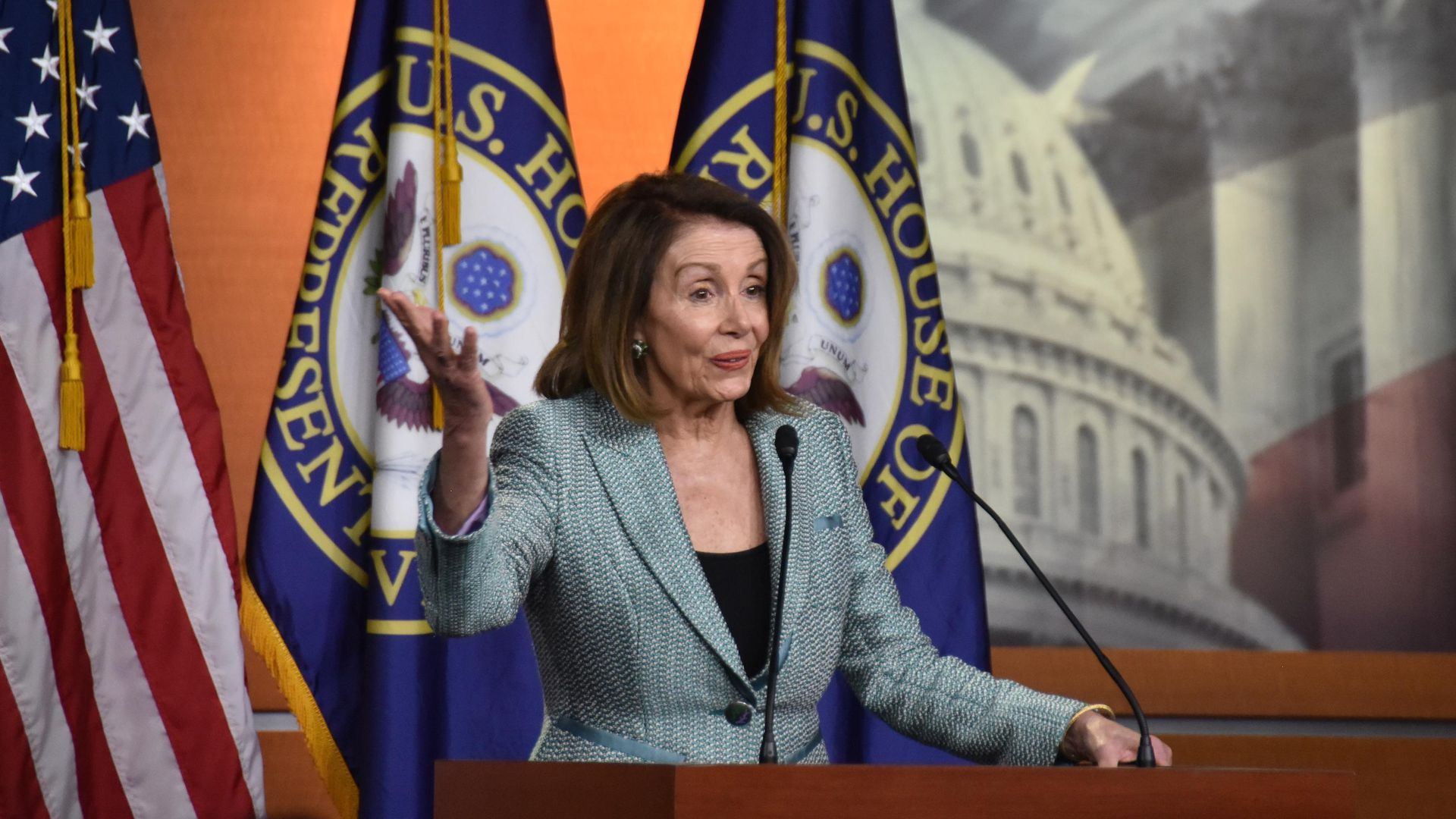
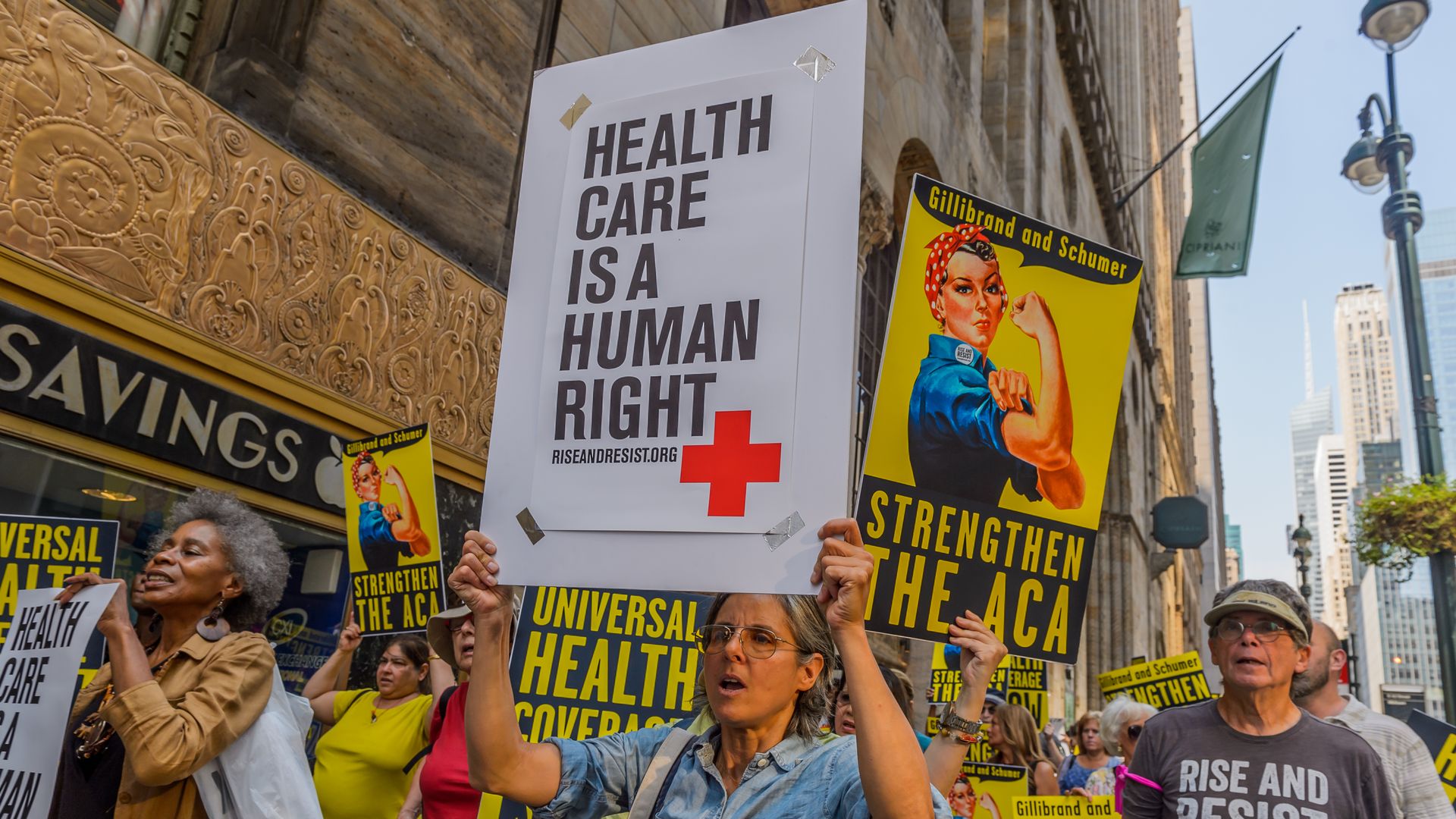
Even before news broke Monday night that the Justice Department wants the courts to strike down the entire Affordable Care Act, a press conference to introduce a package of bills that would incrementally expand on the Affordable Care Act was already on House Democrats' Tuesday agenda.
My thought bubble: One press conference on one day is no big deal, but we've already watched Democrats build a narrative and a campaign message around health care — including this exact lawsuit. There's no reason to believe they can't do it again, especially with even more on the line in court.
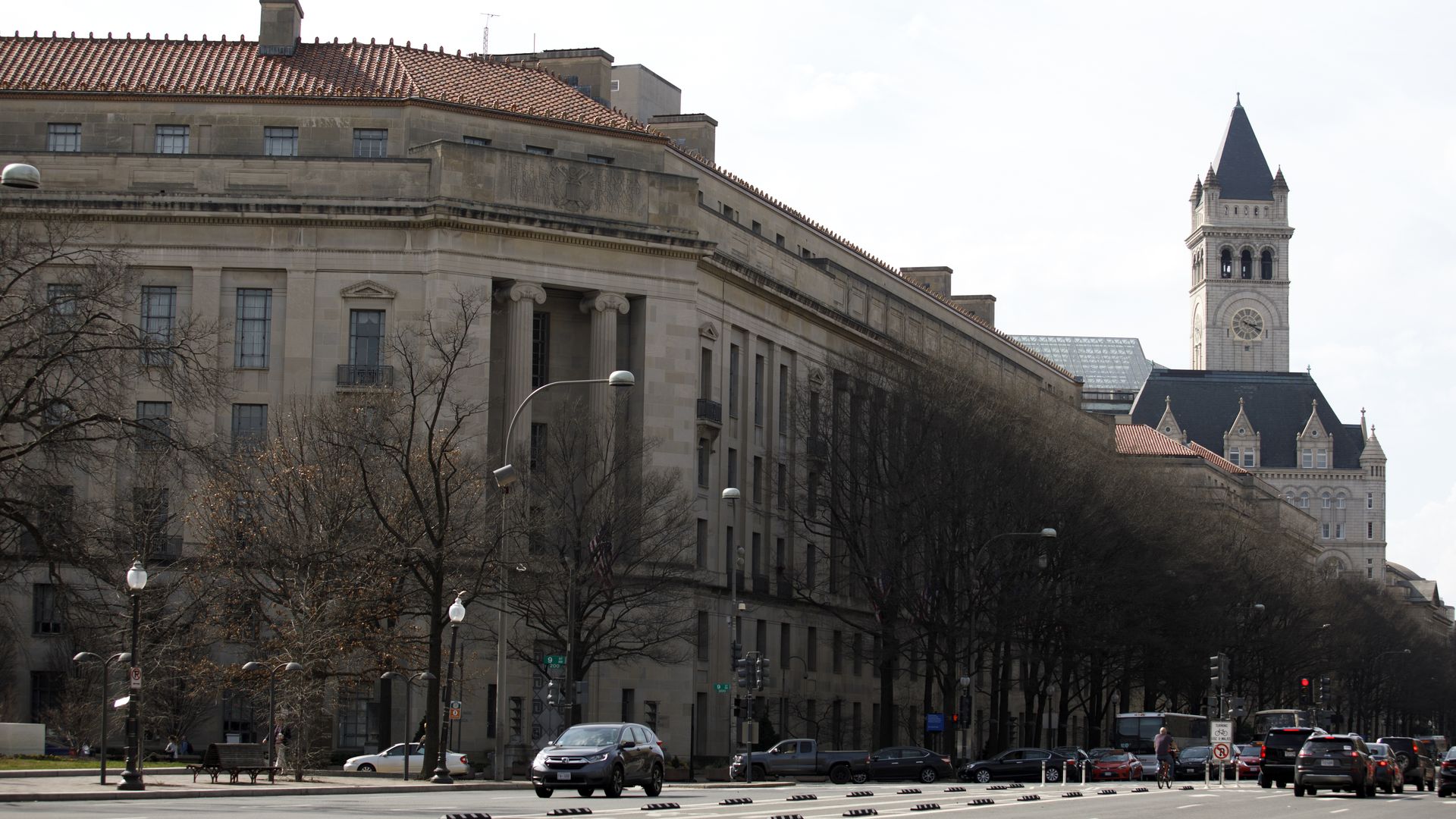
In a stunning escalation, the Justice Department wants the courts to strike down the entire Affordable Care Act — not just its protections for people with pre-existing conditions.
Why it matters: It raises both the real-world and political stakes in a lawsuit where both were already very high. If DOJ ultimately gets its way here, the ripple effects would be cataclysmic. The ACA's insurance exchanges would go away. So would its Medicaid expansion. Millions would lose their coverage.
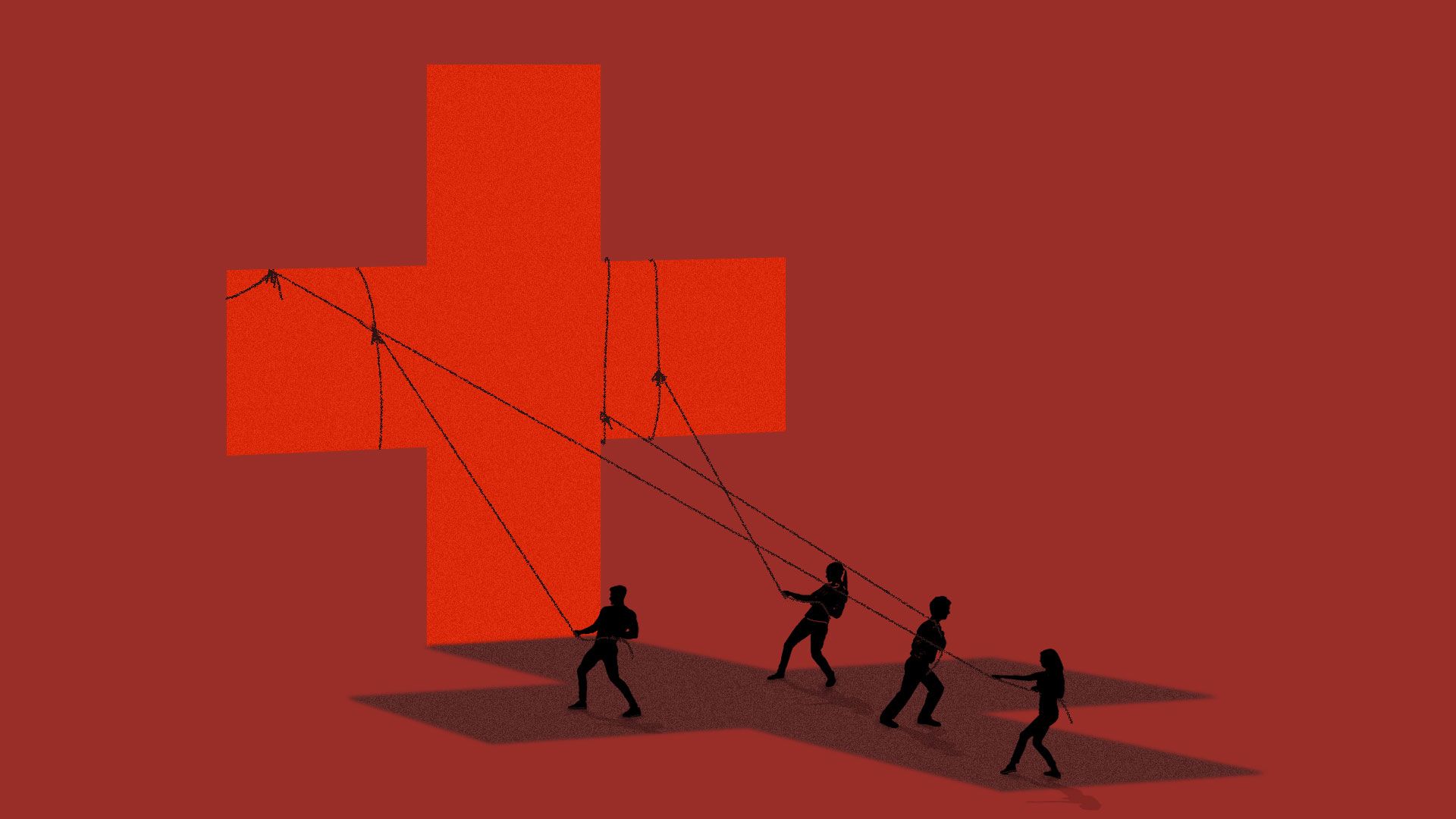
When we talk about the cost and complexity of the U.S. health care system, we usually don’t account for the time, money and labor donated by friends and family members — sometimes even strangers. But those unofficial supports are a large and growing part of American health care.
Why it matters: Americans raise hundreds of millions of dollars per yer in donations to help with medical bills, and the care patients get from family and friends is worth billions. Caregivers bear a financial and emotional burden that the formal system depends on, but does not acknowledge or accommodate.
In the 1950s, 400–500 Americans died every year from measles and another 100 from chicken pox. In the last major outbreak of rubella — in 1964–'65 — some 11,000 pregnant American women lost their babies and 2,100 newborns died.
The 1960s vaccine revolution all but wiped out these diseases by 2000. But now they are back — in the U.S. and around the world.
The Justice Department now says the courts should strike down the entire Affordable Care Act — not just its protections for pre-existing conditions. The department signaled its new, broader position in a legal filing Monday, part of a lawsuit challenging the law's individual insurance mandate.
Why it matters: A ruling striking down the entire ACA would upend major parts of the health care system. Millions of people would lose their health care coverage, and a host of seemingly unrelated policies — including new experiments in how Medicare pays for care and an entire class of prescription drugs — would also go out the window.