The FDA has sent a warning letter to McKesson, alleging the drug distributor broke federal law by not responding to notifications from pharmacies that drugs were tampered with while in McKesson's possession — including instances where oxycodone pills were stolen and replaced with "illegitimate" medications. FDA commissioner Scott Gottlieb said the alleged violations were "simply unacceptable."
Why it matters: Drug wholesalers like McKesson face a lot of legal liability for their role in the opioid epidemic, and now the FDA is threatening legal action if the companies don't prove they are rectifying their oversight of painkiller shipments. McKesson said it has been in touch with the FDA and is "in the process of providing additional procedural detail and documentation."
Workers who get health care coverage through their jobs are bearing the brunt of rising health care costs. And that’s mainly because health care prices keep going up, not because we’re using more health care services.
The big picture: Per-person spending is growing faster for private insurance than it is for Medicare or Medicaid, according to a new analysis from the Robert Wood Johnson Foundation and the Urban Institute.
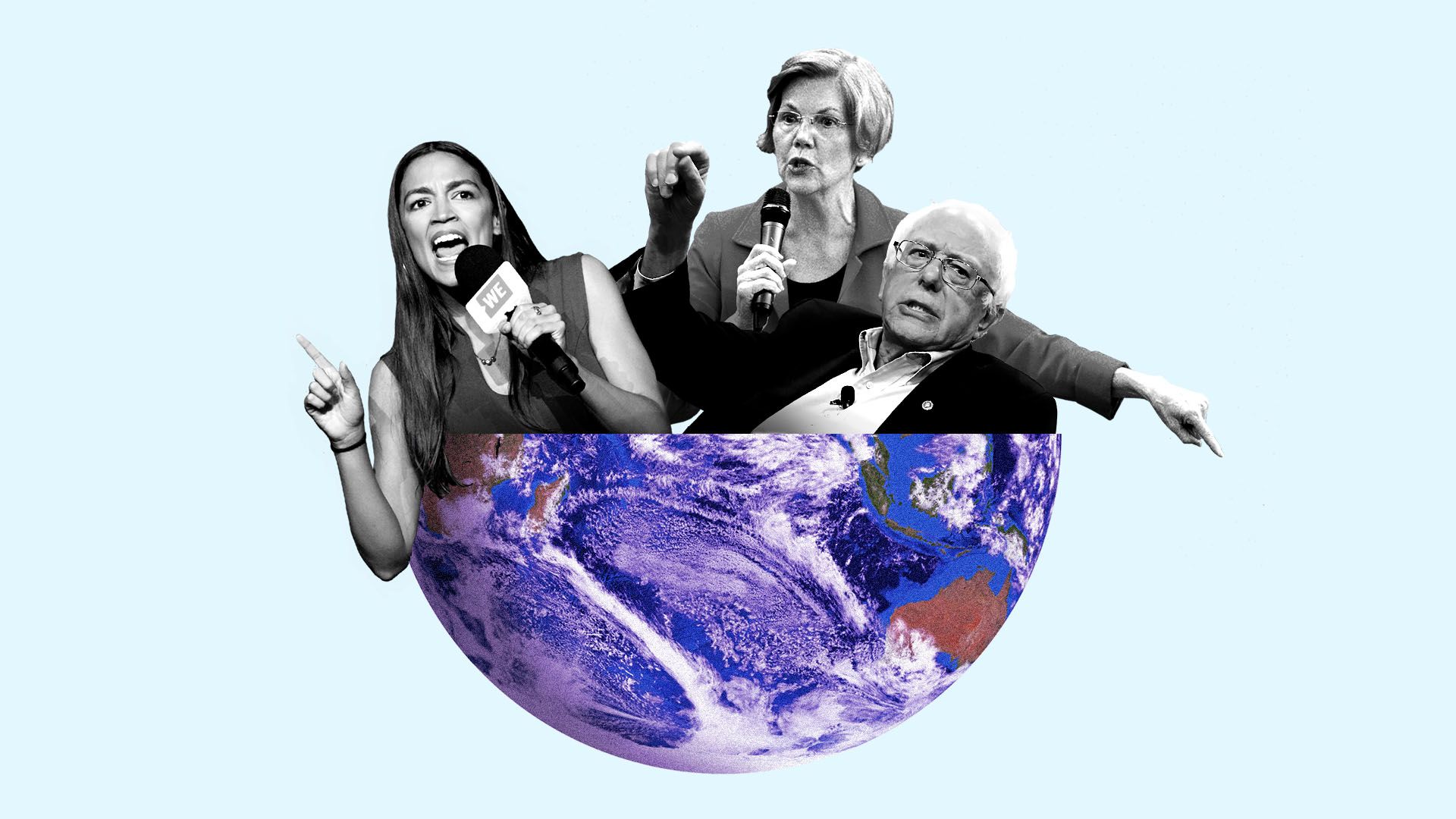
Democrats' shift to the left with big ideas like Medicare for All, along with the rise of progressives like Rep. Alexandria Ocasio-Cortez (D-N.Y.), is changing the balance of power in the party’s unofficial policy establishment.
Why it matters: Think tanks, policy analysts and advocacy groups are vitally important — they help shape the party’s policy platforms and channel the base's enthusiasm. And a new set of players are gaining power in that world just as Democrats seize the reins in the House and wade into a policy-heavy primary for 2020.
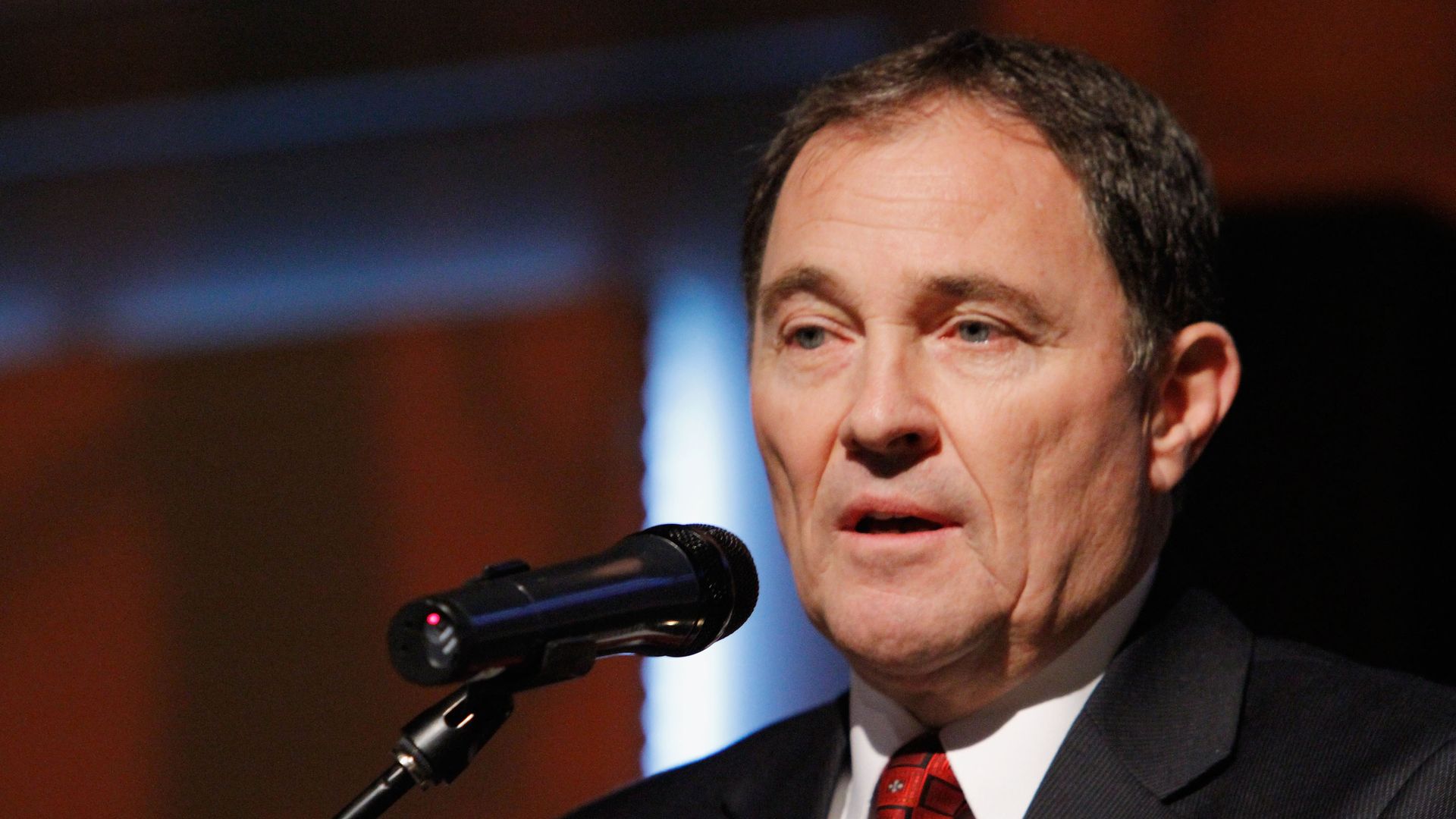
Utah Republican Gov. Gary Herbert on Monday signed legislation into law to limit the expansion of the state’s Medicaid program, after voters in the deep-red state approved a ballot measure in November to extend coverage under the Affordable Care Act to about 150,000 additional low-income people starting April 1.
Why it matter: Under the GOP-controlled legislature’s plan, Utah would only provide coverage to about 80,000 people and ask the Trump administration for a waiver to permit the "partial expansion" of Medicaid. But the White House, which has repeatedly voiced opposition against efforts to expand Medicaid, had signaled its opposition to Republicans' scale-down version last year. The government has never approved a partial expansion before, and if it does not grant Utah the waiver, the new law would automatically repeal the entire expansion voters approved.
New federalproposals are hoping to tear down barriers among hospitals, doctors, insurers, health IT companies and patients that prevent the free, secure exchange of patient records and data.
Why it matters: It's 2019. And yet patients still can't easily obtain all of their medical information, and doctors still can't always receive or share important patient data with other clinicians.
Public health officials on Monday said there's a growing epidemic of tobacco products currently used by children — 4.9 million high school and middle school kids used tobacco products in 2018 up from 3.6 million in 2017 — mainly due to a growth in e-cigarette usage.
What's new: For the fifth year in a row, e-cigs were the most popular product amongst high school students, but in 2018 it reached unprecedented epidemic levels, with the addition of another 1.5 million kids, said Anne Schuchat, principal deputy director of the Centers for Disease Control and Prevention.
The debate around prescription drug prices — including the Trump administration's proposal tying some Medicare drug prices to what other countries pay — raises an important question: How do other countries decide what to pay for drugs?
Why it matters: A recent World Health Organization report on cancer drugs, which found that cancer drugs' high cost is largely unjustified by development costs, detailed a handful of methods other countries use.