Scientists are testing new strategies to build better treatments for people with antibiotic-resistant staph infections. One aims to boost the power of current antibiotics and another uses a new biologic to disable the bacteria's toxins that incapacitate the immune system.
Why it matters: Calling antibiotic resistance "perhaps the biggest health challenge of our time," Athena Kourtis, an associate director for data activities at the Centers for Disease Control and Prevention, tells Axios:
"Innovative approaches like these are very much needed in order to successfully prevent and treat infections with antibiotic-resistant bacteria."
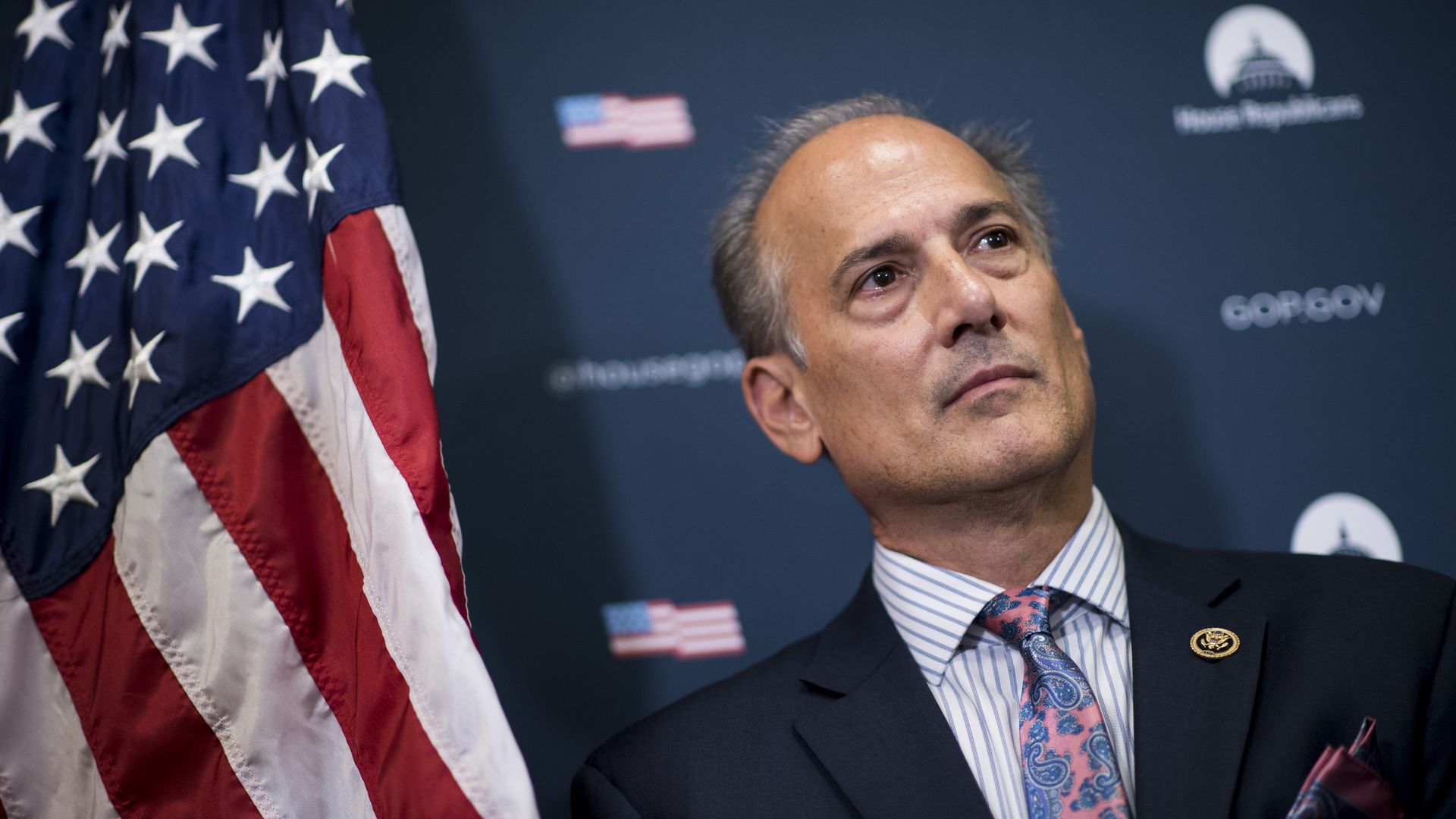
Rep. Tom Marino (R-Penn.), who was elected to a fifth term in November in a heavily Republican district, said Thursday that he is resigning from Congress next week to take a position in the private sector.
The backdrop: Marino was first elected in 2010 after defeating a Democratic incumbent. He was one of the first House Republicans to endorse Donald Trump, and was later nominated by the president to head the Office of National Drug Control Policy. Marino ultimately removed his name from consideration, however, following reports that he steered a bill through Congress that significantly weakened the government's ability to crack down on the opioid epidemic.
People are bullish about the role big tech can play in health care. In a PwC survey, majorities said they’re at least somewhat confident tech companies will be able to: improve patient satisfaction, reduce costs, simplify health care, and make personal health care information more accessible to patients
Yes, but: It hasn’t happened yet. The most significant progress so far would be on that last front, making personal health data more accessible — that’s where Apple is focusing a lot of its health care energy, and the early reviews are generally pretty positive. But even that is still in its early stages.
Crowd-funding sites like GoFundMe have become a critical part of the health care system — and GoFundMe’s CEO recognizes that that’s a bad thing.
By the numbers: GoFundMe sees more than 250,000 campaigns each year related to medical expenses. They account for about a third of the roughly $5 billion people donate through the site, according to Kaiser Health News.
Global health funds play a key role in improving the world's health — with the deaths of children under 5 dropping by more than 50% over the past couple decades when investment strengthened, Melinda and Bill Gates told a press conference Wednesday.
Why it matters: Activities from 4 major global funds, which have received almost $10 billion from the Bill and Melinda Gates Foundation since 1999, have proven to offer "enormous" benefits, they said.
Roughly a third of the $5 billion in cash GoFundMe has helped people raise since it started in 2010 has gone toward medical bills and expenses — the most of any category on the crowdfunding site.
What they're saying: "The [health care] system is terrible," GoFundMe CEO Rob Solomon told Kaiser Health News. "We shouldn't be the solution to a complex set of systemic problems."
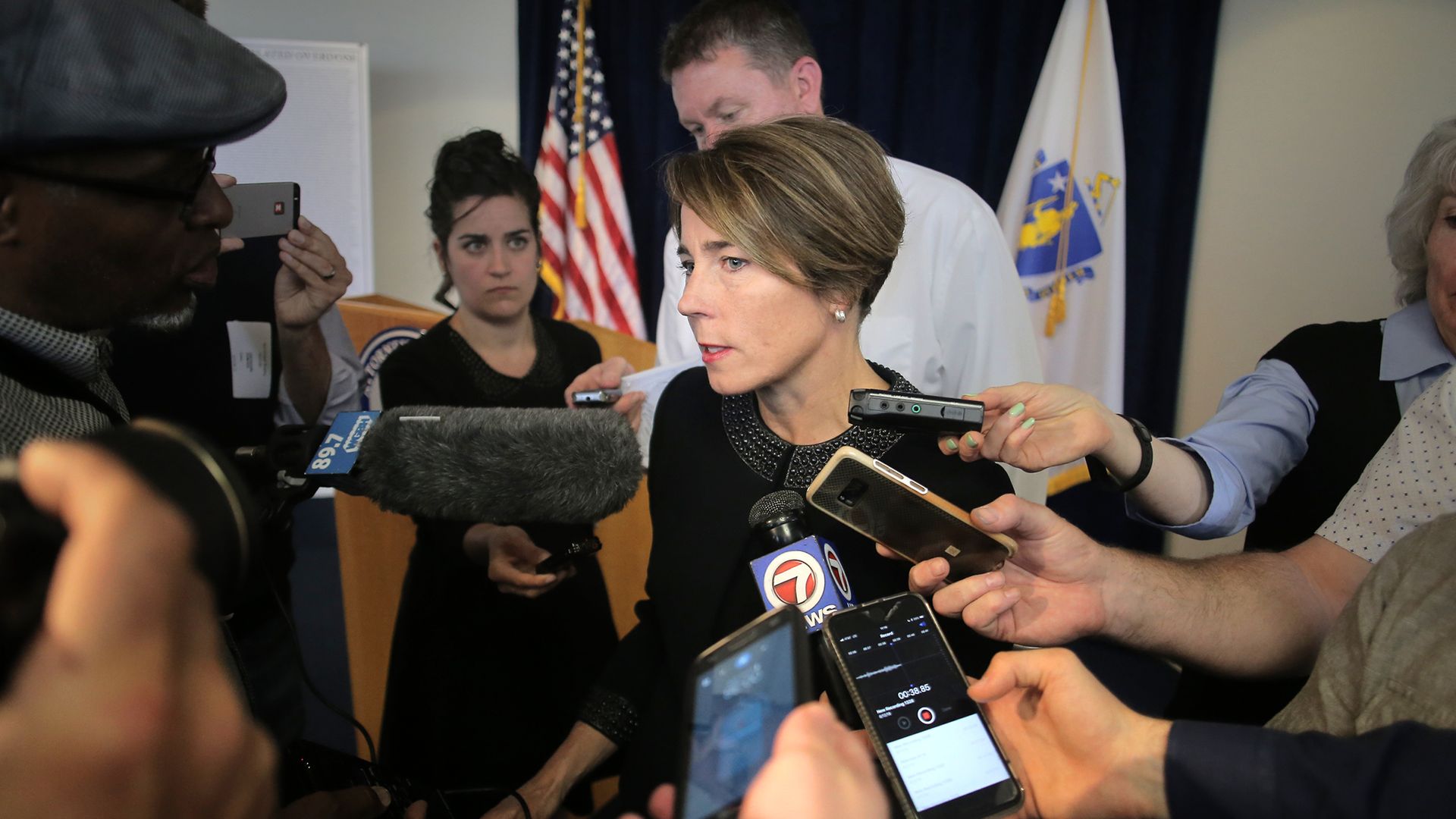
The manufacturers of OxyContin not only engaged in a high-pressure, no-holds-barred marketing barrage, but also sought to shift the blame to the people who became addicted to their highly addictive drug, according to a new filing from Massachusetts Attorney General Maura Healey.
Driving the news: The document adds new details to the emerging public image of Purdue Pharma and its former president, Richard Sackler.
As blue states roll out ambitious plans to expand public health care coverage, they’ll have to walk a fine line to keep the health care industry — with its lobbying and advocacy muscle — on board.
The big picture: Industry groups like doctors and hospitals generally support efforts to cover the uninsured, even through public plans that aren’t very lucrative. But once policymakers start trying to use those programs to cut prices throughout the health care system, industry can become a powerful enemy.
/2019/01/16/1547656864857.gif?w=3840)