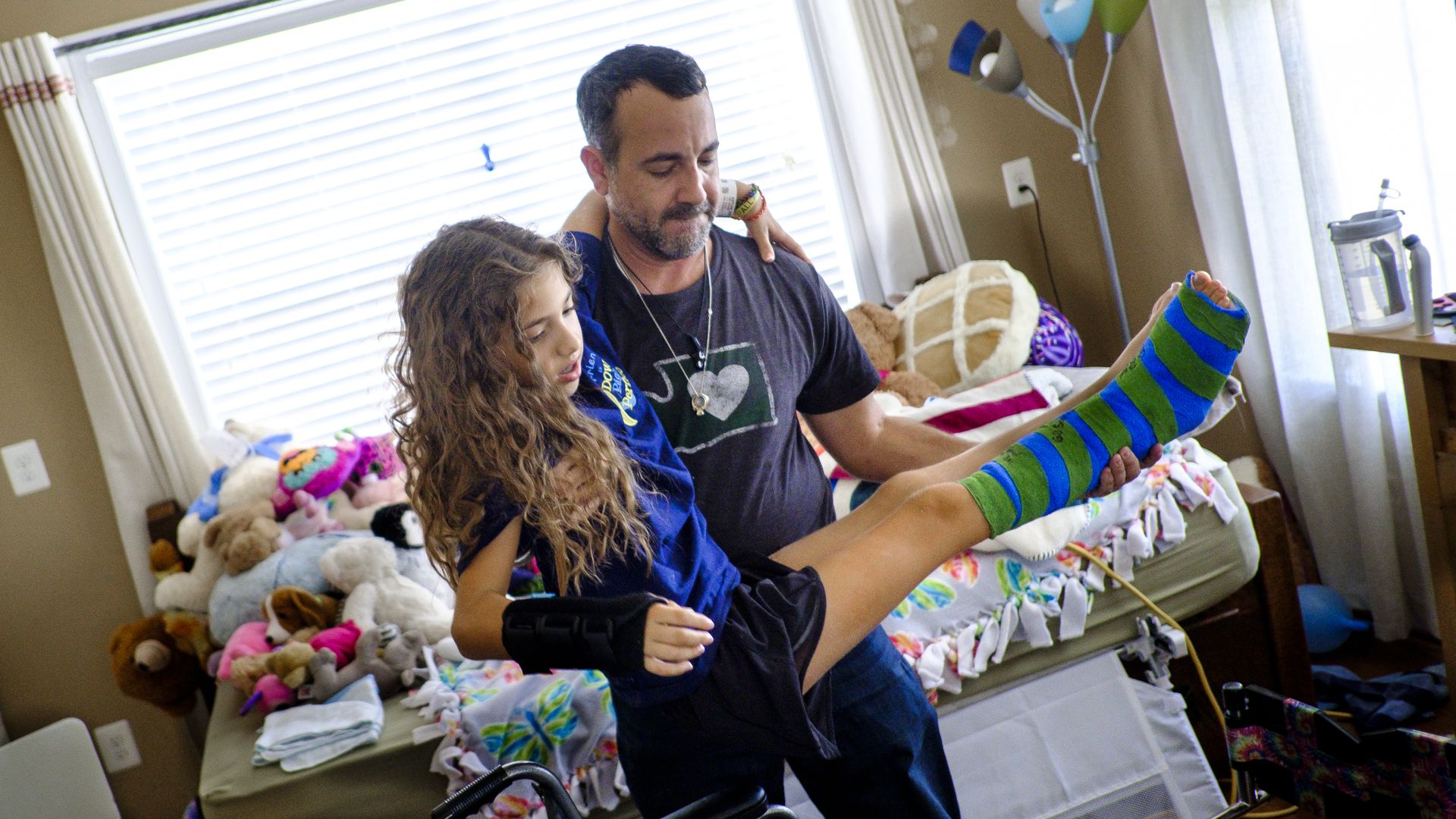
Roughly a third of the $5 billion in cash GoFundMe has helped people raise since it started in 2010 has gone toward medical bills and expenses — the most of any category on the crowdfunding site.
What they're saying: "The [health care] system is terrible," GoFundMe CEO Rob Solomon told Kaiser Health News. "We shouldn't be the solution to a complex set of systemic problems."
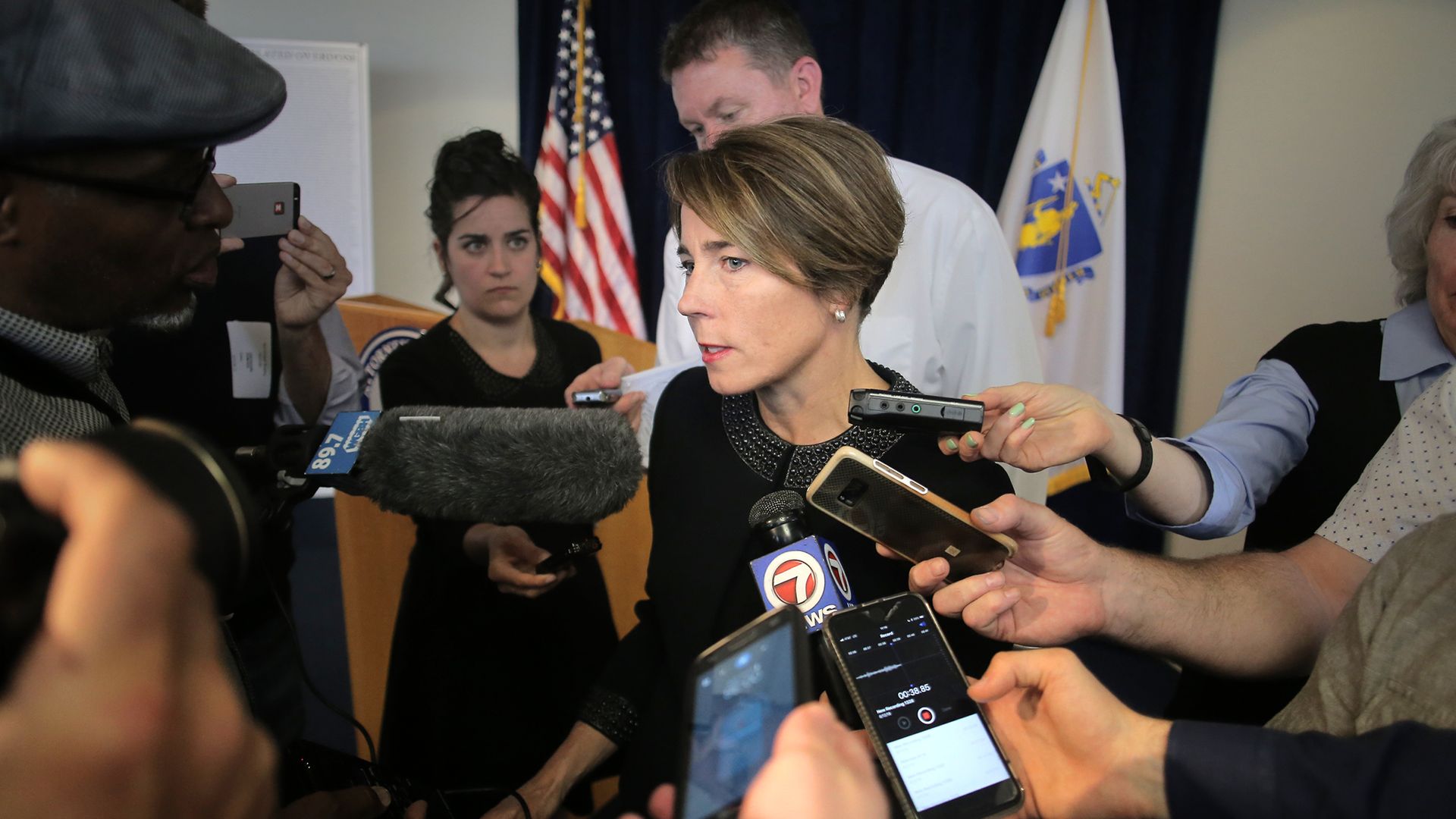
The manufacturers of OxyContin not only engaged in a high-pressure, no-holds-barred marketing barrage, but also sought to shift the blame to the people who became addicted to their highly addictive drug, according to a new filing from Massachusetts Attorney General Maura Healey.
Driving the news: The document adds new details to the emerging public image of Purdue Pharma and its former president, Richard Sackler.
As blue states roll out ambitious plans to expand public health care coverage, they’ll have to walk a fine line to keep the health care industry — with its lobbying and advocacy muscle — on board.
The big picture: Industry groups like doctors and hospitals generally support efforts to cover the uninsured, even through public plans that aren’t very lucrative. But once policymakers start trying to use those programs to cut prices throughout the health care system, industry can become a powerful enemy.
The world's 2nd-largest Ebola outbreak on record in the Democratic Republic of the Congo is showing no signs of slowing after at least 5 months, with the number of cases soaring past 600 and the death toll eclipsing 400 on Jan. 14.
Why it matters: The outbreak of the deadly virus, which causes fever, headaches, diarrhea and bleeding, has been exacerbated by insecurity in eastern Congo. The World Health Organization and nongovernmental organizations responding to the outbreak have never had to combat Ebola in such a threatening environment before, and some treatment centers have been destroyed.
Democrats on the House Oversight Committee have kicked off an investigation into prescription drug prices, sending letters yesterday to 12 drug companies seeking information about the pricing of almost 20 specific products.
What's happening: The list includes some of the best-selling drugs in the world — Humira, Embrel and Revlimid — as well as insulin, whose staggering price hikes have stoked particular rage.
Medicare would have saved an average of nearly $12 billion per year if it had the Department of Veterans Affairs' ability to negotiate directly with pharmaceutical companies, according to researchers writing in the journal JAMA Internal Medicine. And that's just for 50 drugs.
Yes, but: Those savings would also require Medicare to say "no" to covering some drugs — a shift from the current policy, in which Medicare pays for almost all FDA-approved medications.