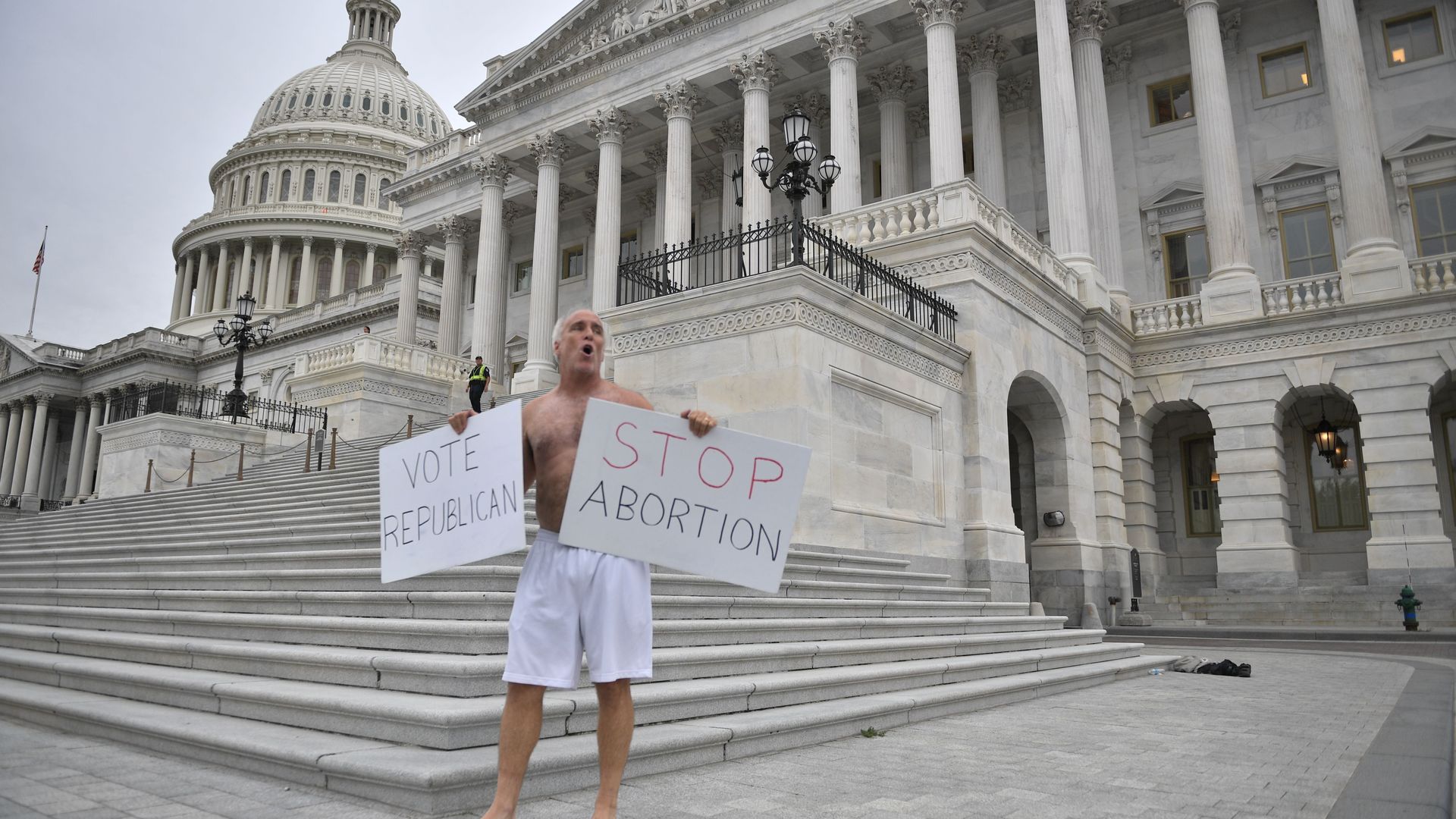
Abortion rates among U.S. women in all age groups dropped sharply to a decade low from 2006 to 2015, the Centers for Disease Control and Prevention announced Wednesday.
By the numbers: Rates among teens between 15 and 19 years old decreased 54%, per Reuters. In 2015, the abortion rate was 11.8 abortions per 1,000 women 15–44 years old, down 26% from 2006. The report also showed that nearly 90% of abortions performed in 2015 were within a woman’s first 13 weeks of pregnancy.
Sen. Bernie Sanders and Rep. Ro Khanna announced yesterday that they're planning to introduce a bill aiming to align what the U.S. pays for prescription drugs with what other major countries pay — a very similar approach to the one the Trump administration recently laid out.
The big picture: The bill would affect what people who are privately insured or uninsured pay for their drugs, while the administration's version is limited to Medicare Part B. Sanders has long supported a drug pricing system — in fact, a whole health care system — much more akin to Europe’s.
The Trump administration last night re-approved Kentucky's proposal to add work requirements to its Medicaid program, with few changes from the original plan — even though that plan was struck down in court.
What's happened: Kentucky's initial proposal won federal approval in January. It required Medicaid recipients in the commonwealth to perform at least 80 hours of "community engagement" — work, job training or community service — per month.
Americans don’t trust Republicans or President Trump to bring down drug prices, according to our latest Axios/SurveyMonkey poll. But what stands out isn't just that they don't do well — it's that they come in third, behind the Democrats and "neither."
By the numbers: Asked who they trust the most on the issue, the top three vote-getters were: Democrats (35%), neither party (30%), and then Trump and the Republicans (27%). That's fueled by Democrats and Republicans voting for their team while independents are deeply cynical about both parties.
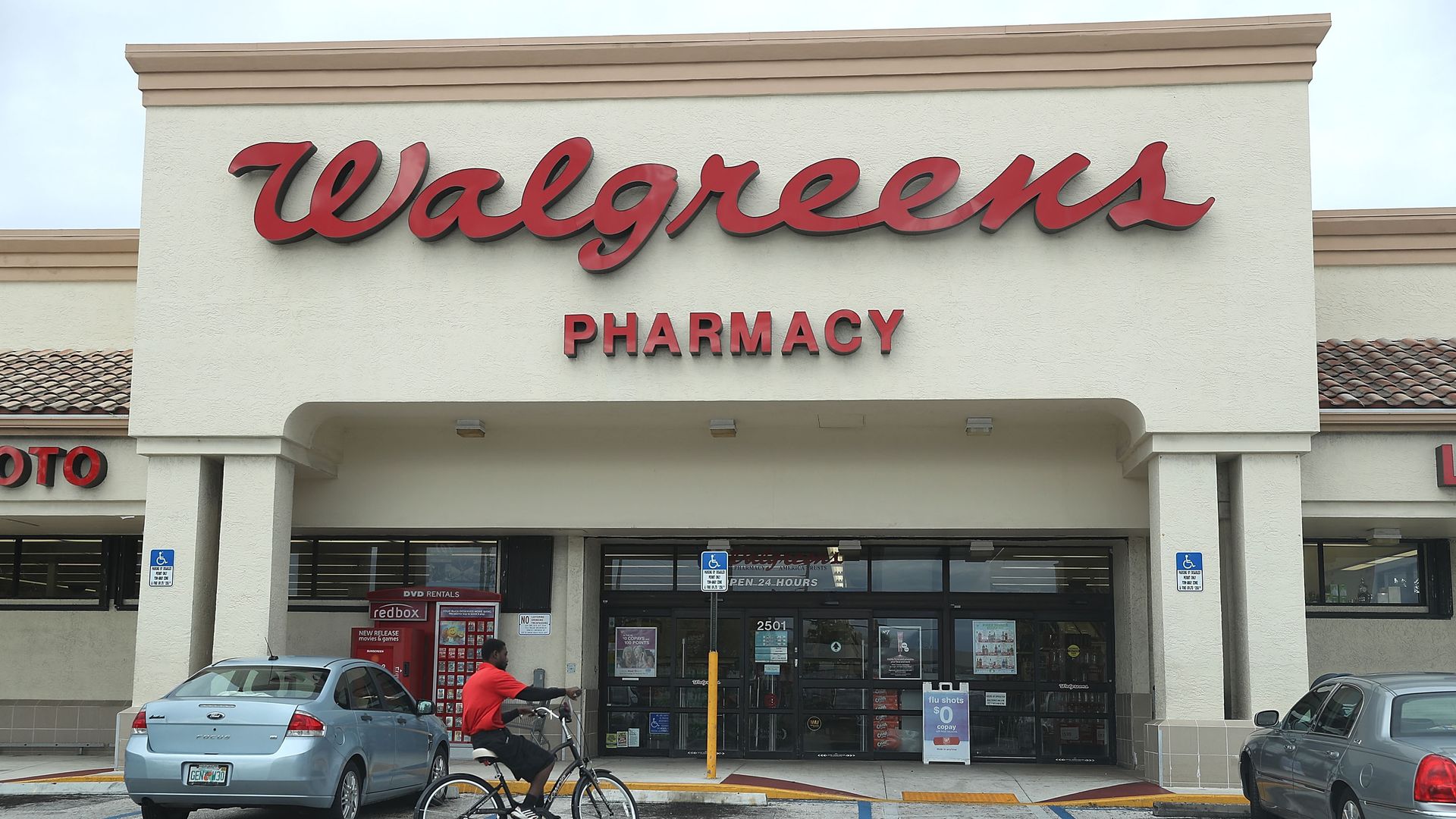
Pharmacy chain Walgreens Boots Alliance and health insurance company Humana are discussing a potential deal in which each company would acquire ownership stakes in the other, the Wall Street Journal reports.
Why it matters: It appears that talks of a Walmart-Humana deal have cooled. But like other large health care industry deals, a Walgreens-Humana equity partnership would fight off threats from companies like Amazon to own more health care purchases, and threats from the aging baby boomer generation.
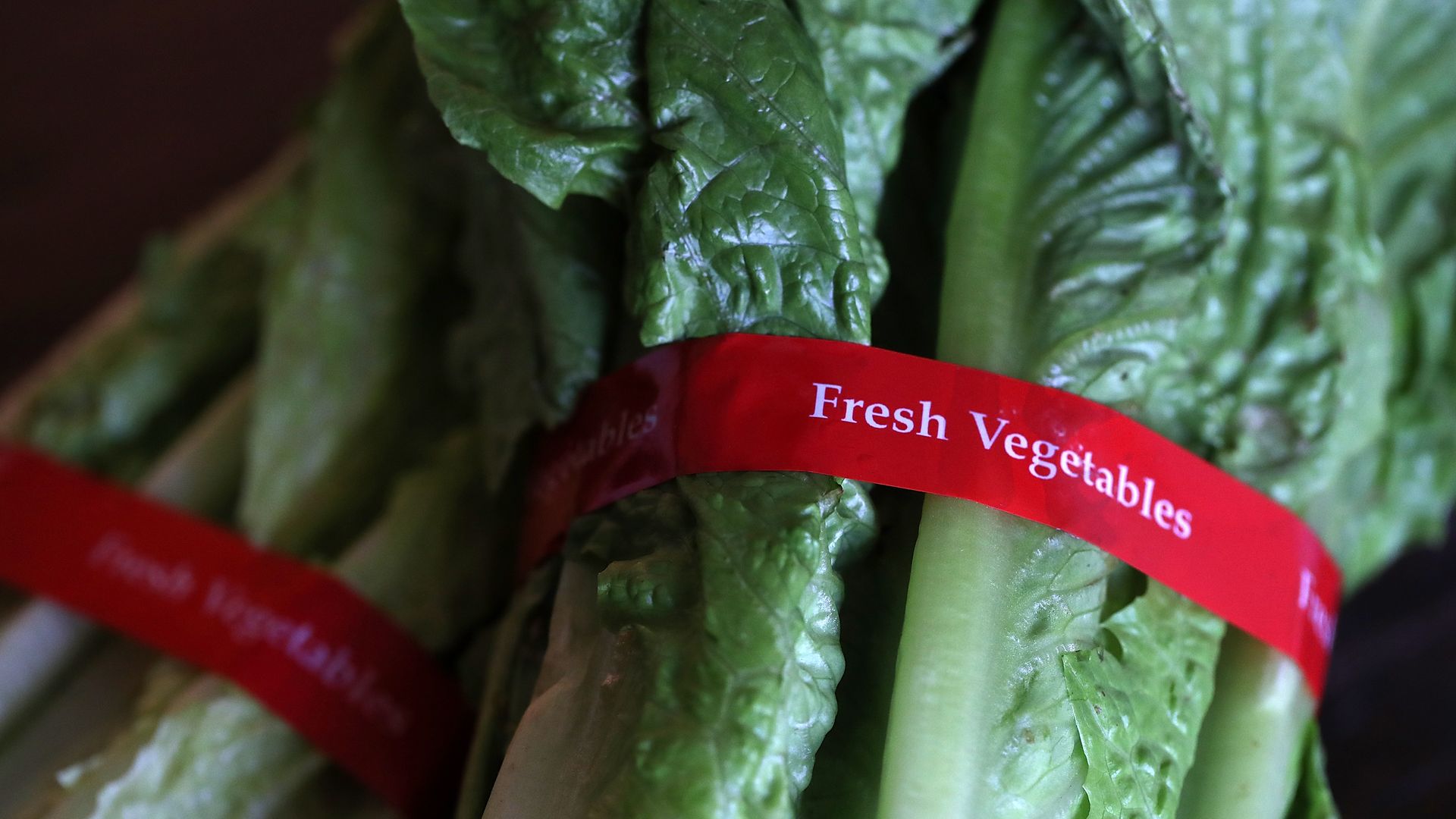
The Centers for Disease Control and Prevention (CDC) issued a broad Food Safety Alert Tuesday advising people, restaurants and stores to throw out any form of romaine lettuce due to reports of a new outbreak of a dangerous strain of E. coli bacteria.
What's new: There have been 32 cases reported in 11 states so far, with 11 hospitalizations and no deaths, the CDC says. While it's the same virulent strain of the E. coli 157:H7 that caused an outbreak that ended on June 28 (also connected to romaine lettuce), this one has a different DNA footprint, the CDC says. The current outbreak genetically matches one alerted in two provinces of Canada today as well.
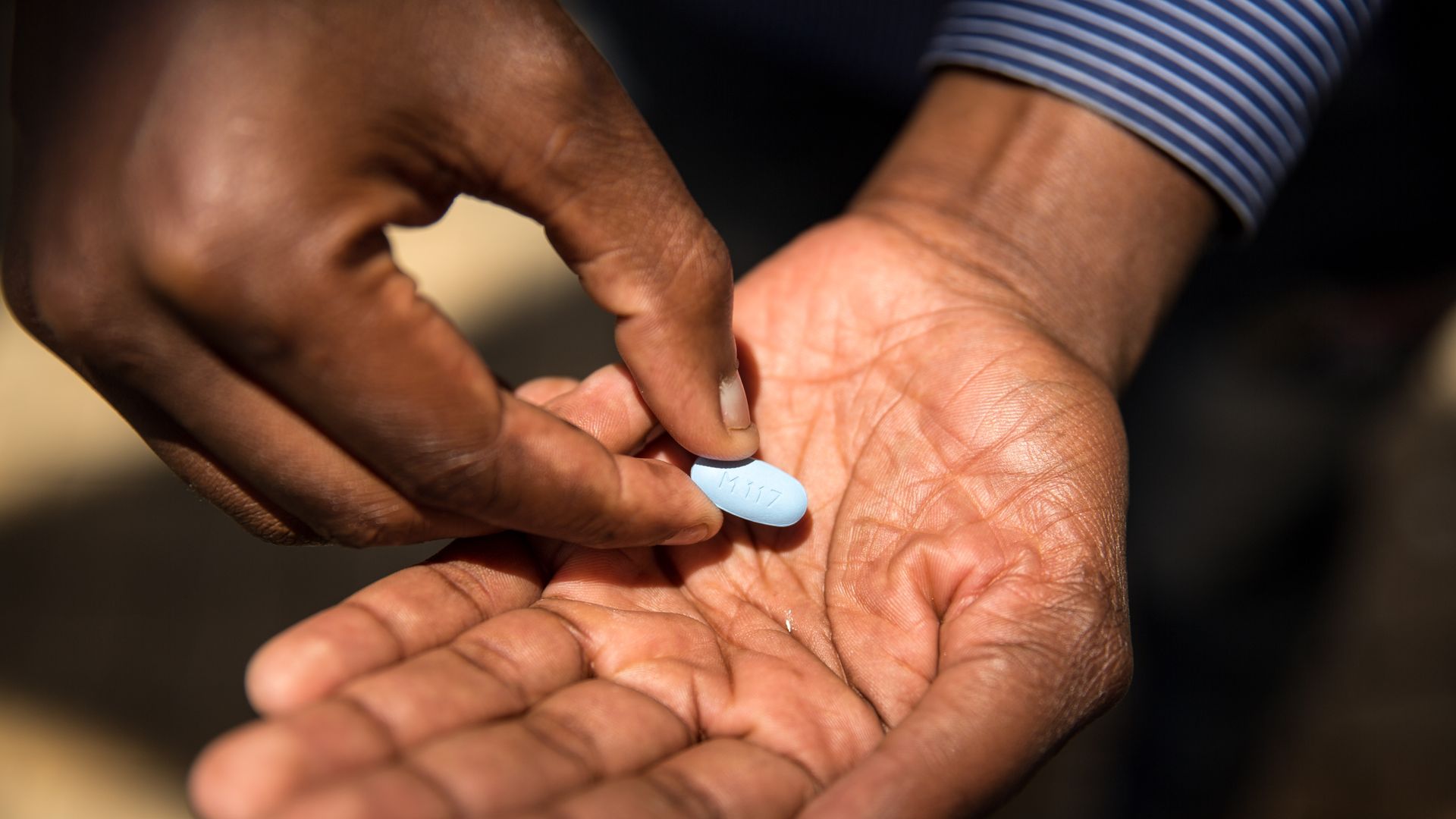
A government panel issued draft recommendations Tuesday stating that anyone at high risk of contracting the HIV virus should receive a daily prophylactic pill, called PrEP, that's been shown to reduce HIV transmission via sex by up to 90% and via drug needles by up to 70%.
Why it matters: Around 1.1 million Americans live with the HIV infection, including about 15% who are unaware they have it. The Centers for Disease Control and Prevention estimates that there were roughly 1.1 million Americans at high risk who were eligible for PrEP in 2015, but found that only 38,879 used the highly effective medicine.
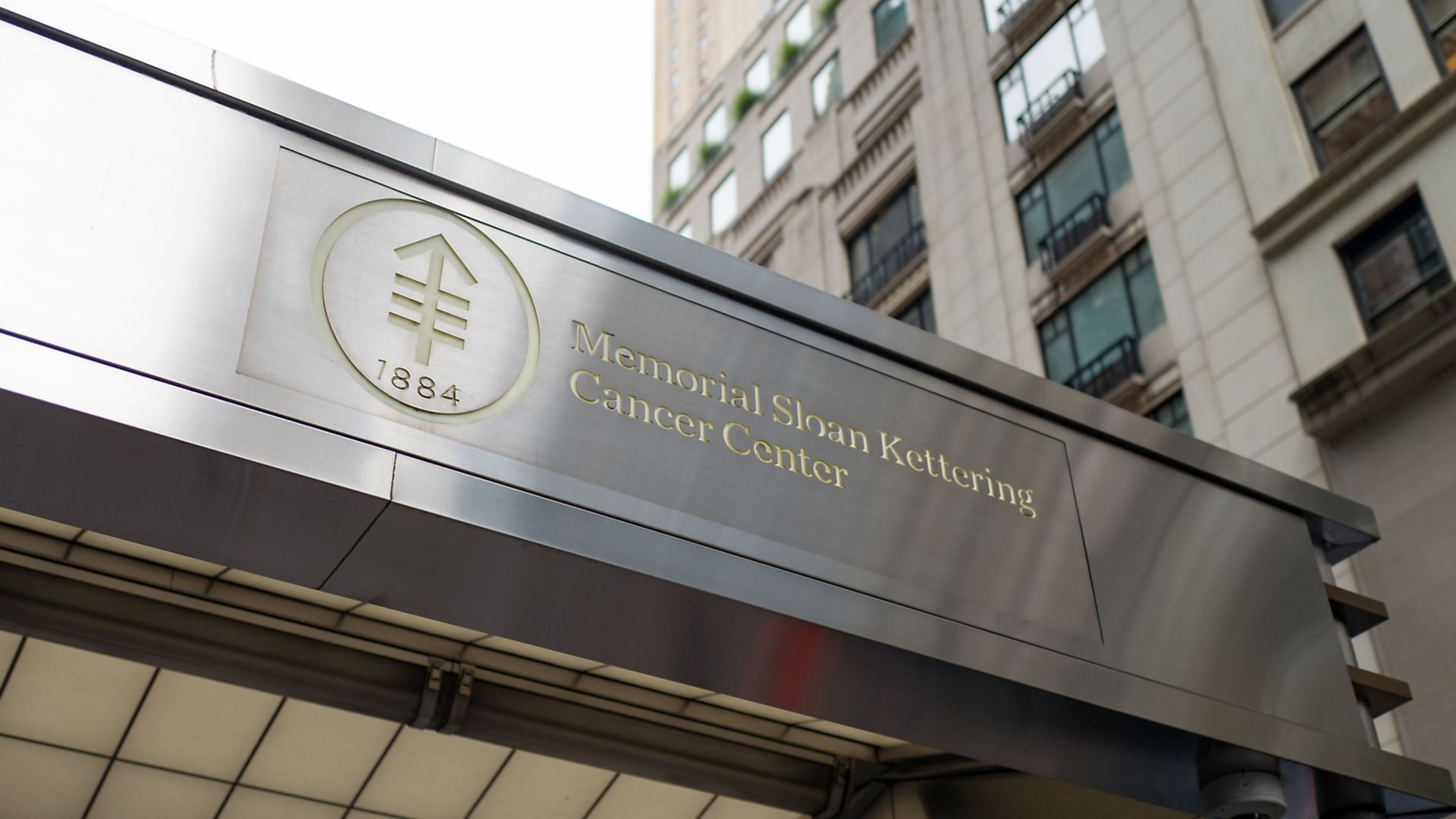
The amount Memorial Sloan Kettering Cancer Center spent on pharmaceuticals in the first nine months of this year jumped 28% from the same time last year — hitting a total of $655 million, according to new financial documents. That was a big reason why the New York City cancer hospital’s surplus fell.
The bottom line: A spokesperson for MSK said the higher drug spending was mostly a result of the hospital’s patients using more drugs — more people got chemotherapy treatments, and new outpatient centers meant new drug expenses. MSK is somewhat of an outlier. But other major hospital systems like Providence St. Joseph Health, Hackensack Meridian Health, Bon Secours Mercy Health and Vanderbilt University Medical Center recently have reported similar trends of drugs eating up more of their expenses.