The Democratic Republic of the Congo started using an experimental vaccine against the deadly Ebola virus yesterday after identifying it as the virulent Zaire strain. The latest outbreak has spread to a conflict region and is suspected of killing at least 36 people during its first week.
Why it matters: Testing and approving an Ebola vaccine is a priority for global health officials as further outbreaks are expected — and the U.S. hopes to get the Food and Drug Administration to consider approval for a vaccine in 18 months or so.
"As I said before in May [during prior DRC Ebola outbreak], 'It's not over yet, folks, because this is going to come back.'"
— Anthony Fauci, director, National Institute of Allergy and Infectious Diseases
The prevalence of opioid abuse among pregnant women more than quadrupled between 1999 and 2014 in the U.S., according to a new Centers for Disease Control report, with the highest rate of opioid use disorder in Vermont at almost 5% of pregnant women.
Why it matters: Not only does this highlight how devastating and far-reaching the opioid crisis has been, but opioid abuse is linked to serious health repercussions for both the mother and the child, including the death of the mother and still births. Studies have also suggested that opioid abuse could lead to developmental problems, according to Buzzfeed News.
CVS Health CEO Larry Merlo used his company’s second-quarter earnings call yesterday to shine some light on rebates, one of the most secretive components of the drug supply chain.
The big picture: Rebates are an important part of the drug pricing debate, and PBMs use them to their advantage. But the political focus on rebates also deflects attention away from pharmaceutical manufacturers — the companies that ultimately still dictate the high list prices of prescription drugs.
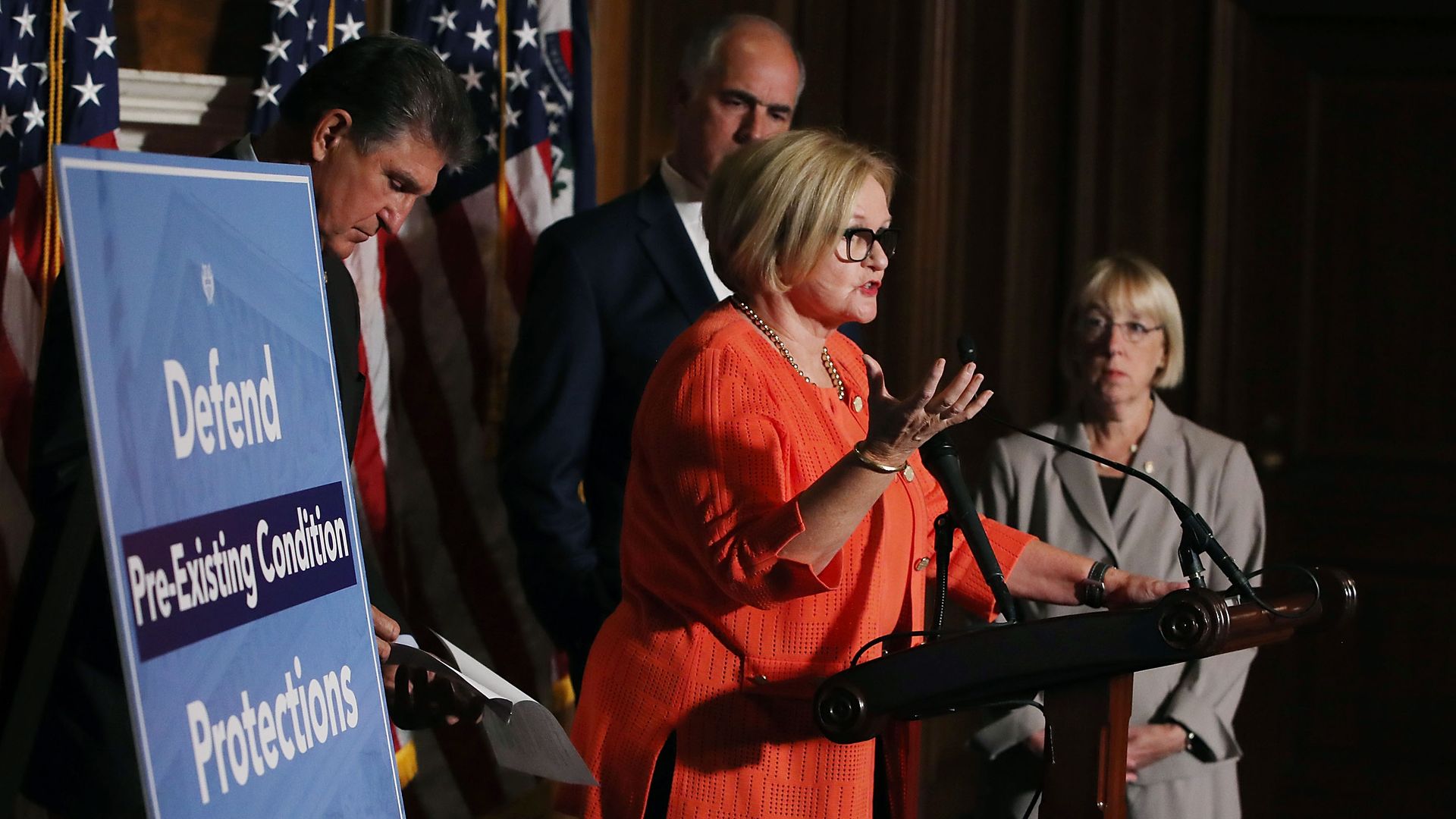
Last night's primaries didn't shake anything up on health care.
The bottom line: But they did reaffirm some things that we already knew. Any number of polls show that Democrats have an edge on health care and, most importantly for these midterms, that it will motivate Democratic turnout.
The Environmental Protection Agency's proposal to allow new uses for asbestos in manufacturing — even though the toxic chemical has been linked to lung cancer, mesothelioma and other diseases — has triggered concerns from disease advocacy groups, reports CBS News.
The details: Critics have lambasted the move, announced in June, saying the EPA failed to realize the dangers of the fibrous mineral. The nonprofit Environmental Working Group said the agency would "green light" the chemical industry to "continue business as usual, and by signaling that even the most dangerous chemicals are unlikely to be restricted or banned." The EPA, however, said companies would be prohibited from manufacturing, processing or importing for new uses of asbestos without its approval.