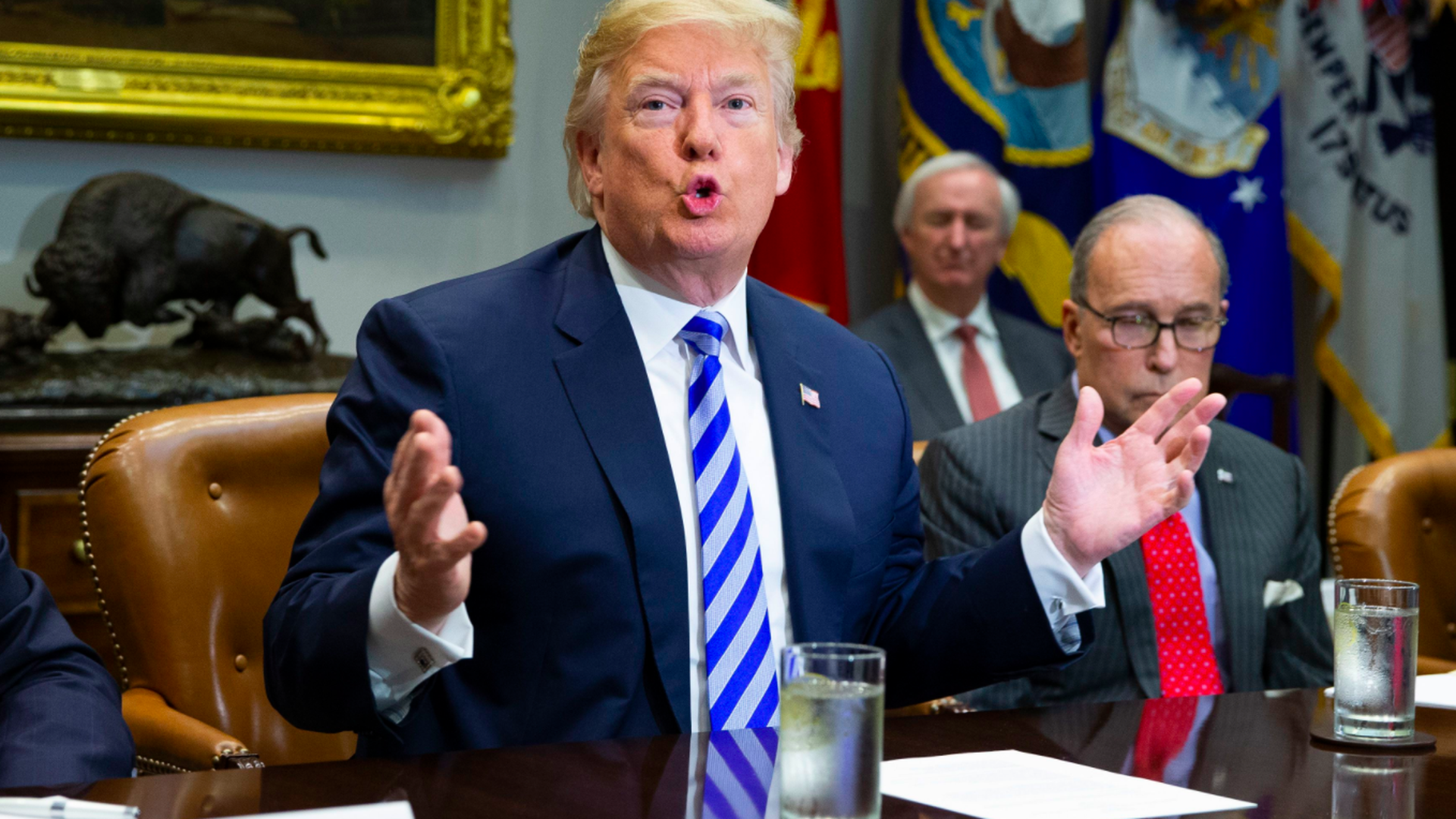
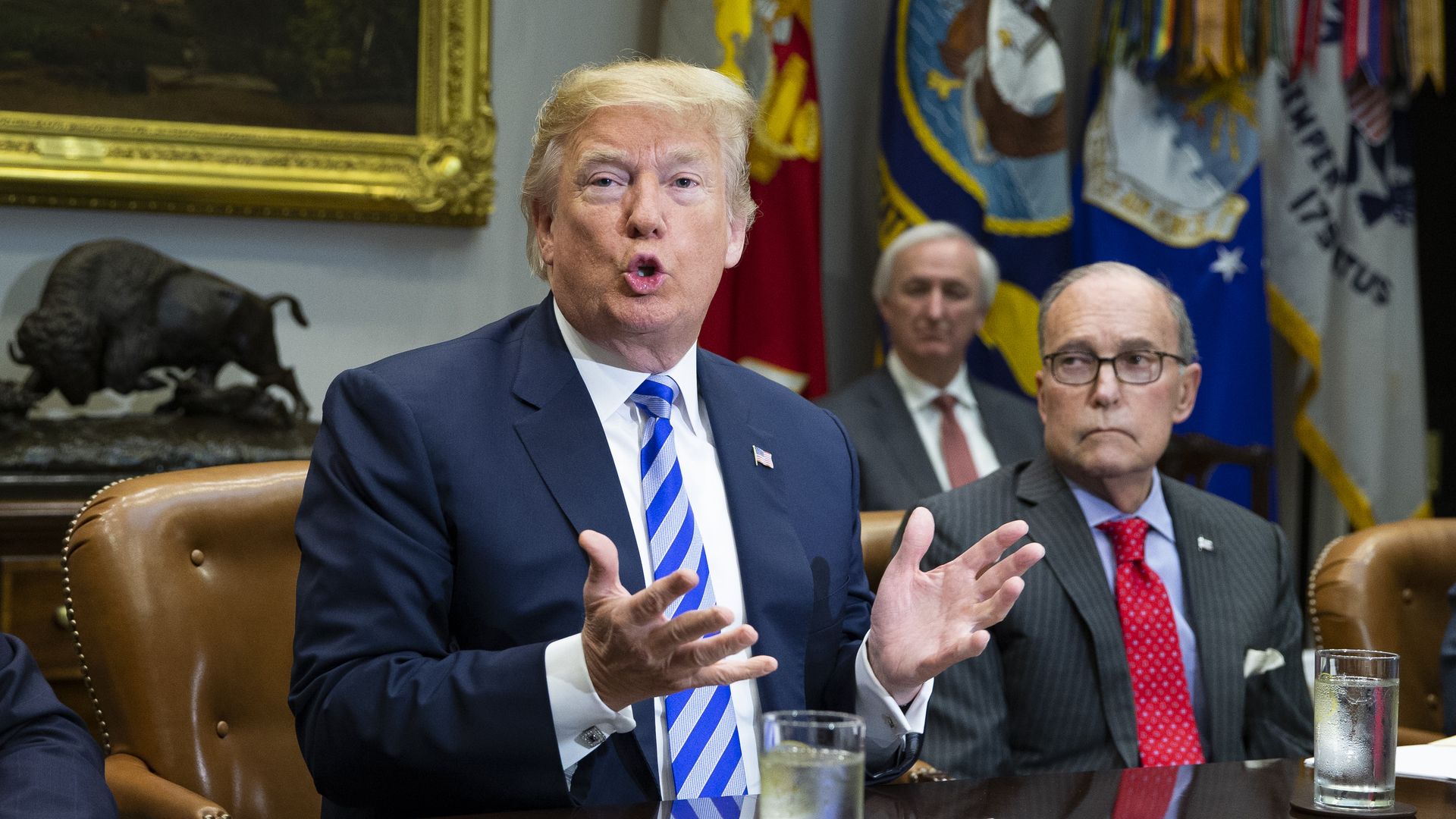
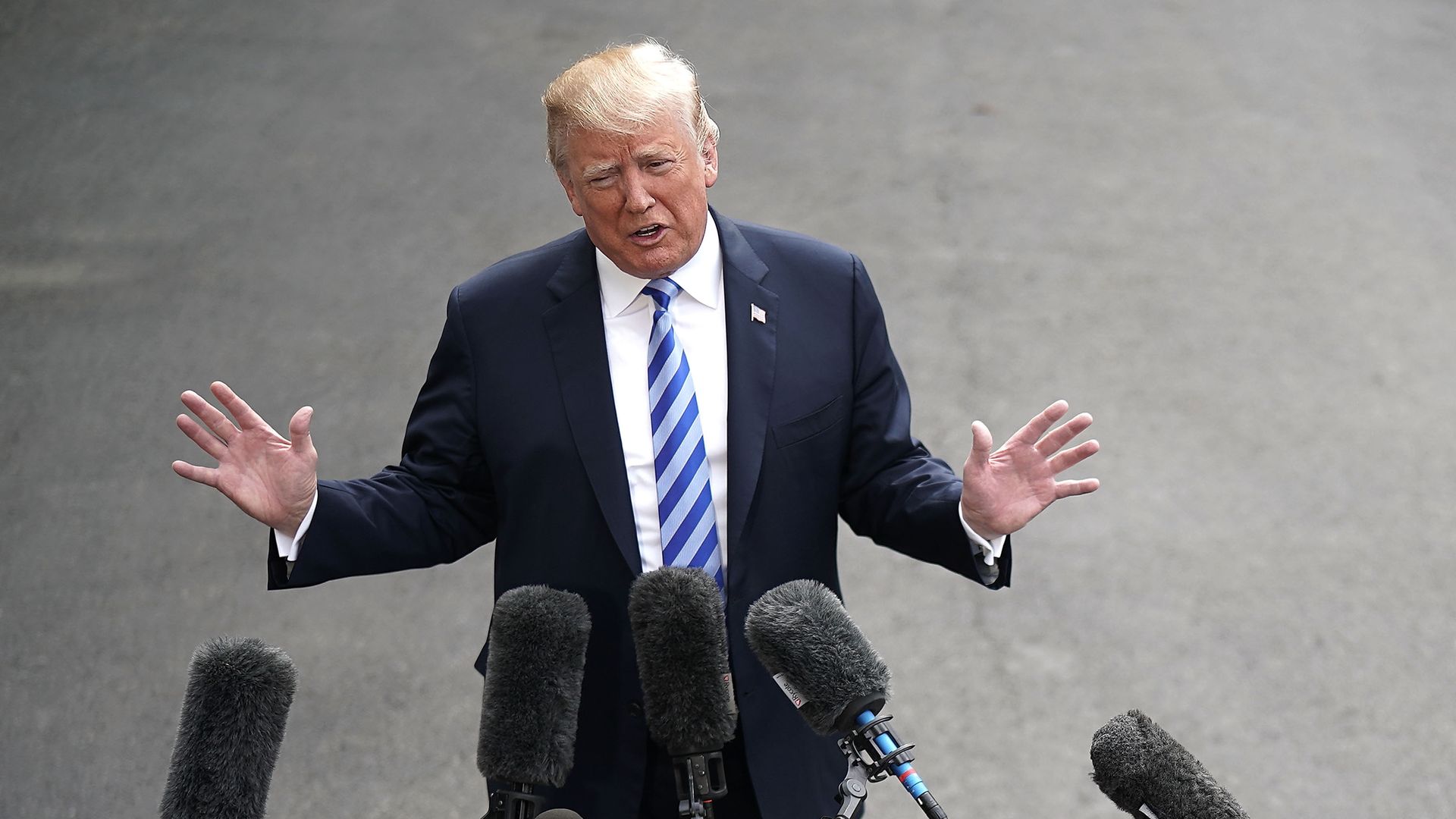
President Trump had some harsh words for the pharmaceutical industry and pharmacy benefit managers in his speech Friday, but investors bought stocks instead of the vague promises Trump and his administration made to bring down drug prices.
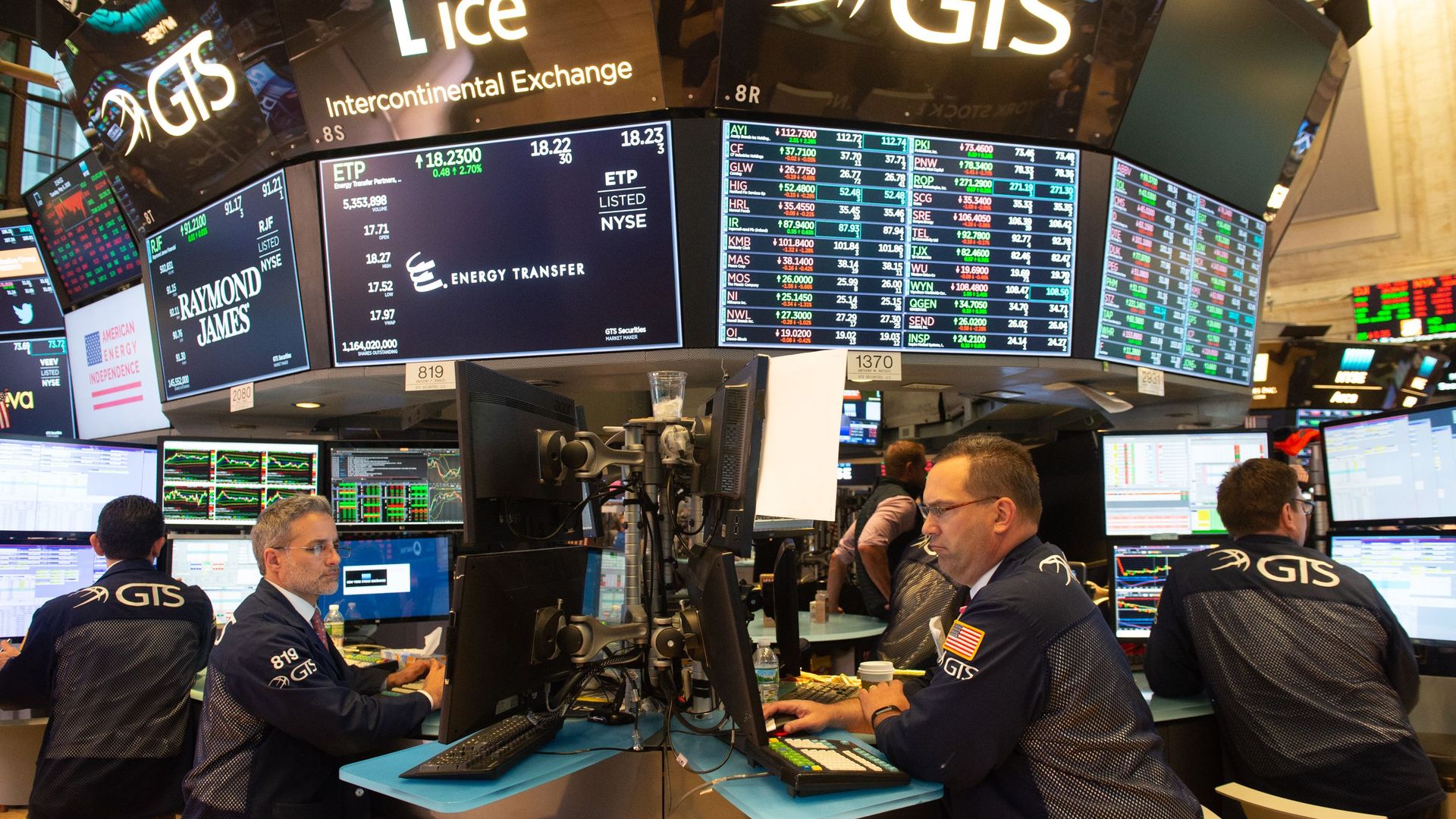
The bottom line: The major pharmaceutical and biotech indices, like the S&P and Nasdaq that include companies like Pfizer and Regeneron, all traded up Friday. The stock prices of Express Scripts and CVS, two leading PBMs, also went up, indicating the industry and investors don't anticipate a major shake-up.
The Trump administration's plan for lowering prescription drug costs does not include many new steps to bring down the actual price of drugs. Instead, it largely targets other parts of the health care system and re-emphasizes existing efforts to lower costs through more competition.
Key quote: “We are very much eliminating the middlemen," President Trump said in a Rose Garden speech unveiling the plan. And that's where most of its emphasis lies. It entertains the idea of new price disclosures and reshuffling some of the discounts that various middlemen negotiate off of drugs' sticker prices. But when it comes to reducing those sticker prices, Trump's plan leans heavily on more competition from generic drugs — an initiative that's already in progress at the FDA.
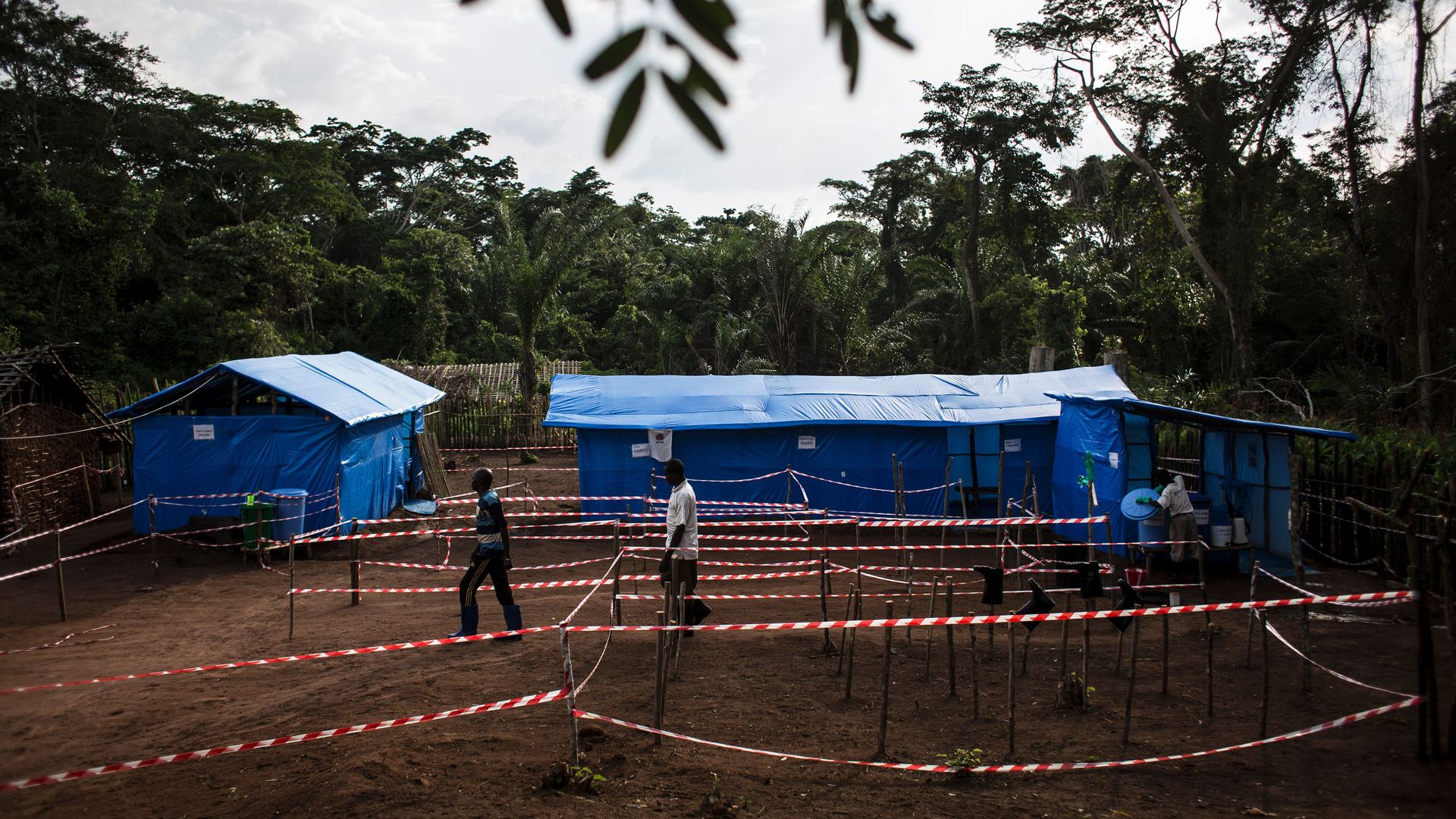
The World Health Organization is mobilizing to fight a growing outbreak of the Ebola virus in the Democratic Republic of the Congo (DRC) that health officials say will be particularly tough and costly to eradicate.
The toll: As of May 10, 32 people were suspected of having been infected with Ebola, which can cause high fever, fatigue, diarrhea, bleeding and bruising. At least eighteen people have died so far, including at least one health care worker, the WHO said.
Even though the Trump administration is playing up the president's prescription drug speech today, few people believe the rhetoric and policies will lead to substantial changes, and some of the bolder ideas may never come to pass.
What we're hearing: "The President's bark will be worse than his bite as he blames all parties within the drug supply distribution chain, including drug manufacturers, insurers, PBMs, distributors and hospitals, for high drug costs,” Andrea Harris of Height Capital Markets said in a note to investors.
There are two really big things to watch in President Trump's speech today about drug prices: how much of this plan can be enacted without Congress' help, and the extent to which it takes aim at the actual prices of prescription drugs, rather than trying to rearrange the way the system divvies up those costs.
What we're hearing: There's always room for a surprise with this administration, but so far, all signs point toward a relatively modest proposal.
One of the laws of health care baked into the heads of every policy analyst is that health care spending almost always rises much faster than GDP. Except it hasn’t really been doing that since 2010, and the gap between health spending and GDP growth is projected to continue to be small through 2026.
What we don't know: The cause. We don’t know why the gap has closed (experts disagree and emphasize different factors), and we don’t know if the narrowing is permanent or if the gap will widen again.