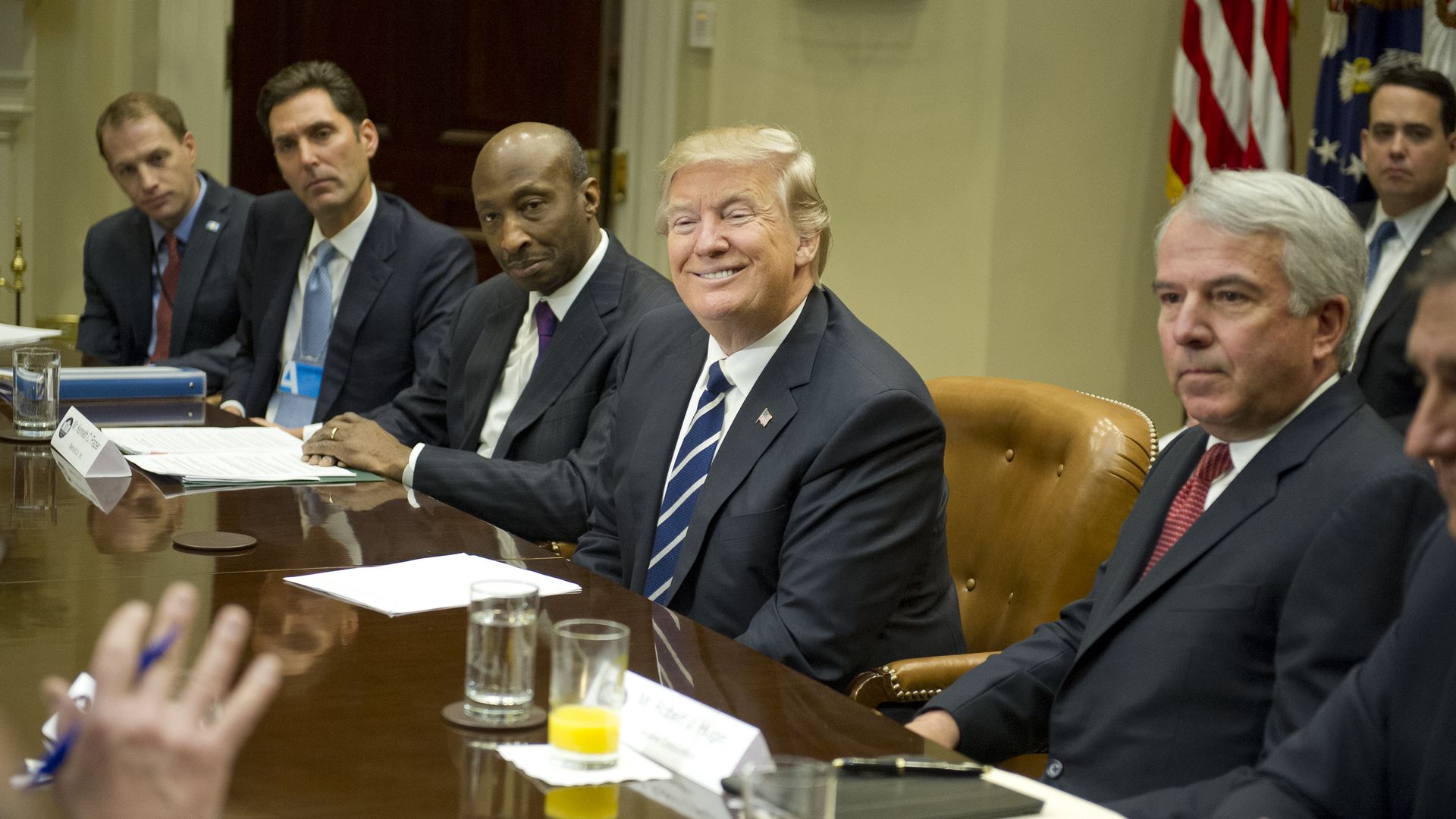
The White House's Office of Management and Budget is officially evaluating a proposal from the Health and Human Services Department that would "lower drug prices and reduce out-of-pocket costs," ahead of President Trump's speech about drug prices next week.
The big picture: HHS and OMB did not respond when asked what was included, but the proposal likely will include ideas from Trump's budget that won't really target the pricing practices of pharmaceutical manufacturers.
Lobbyists representing cancer hospitals are urging Medicare officials to create a new set of payments for new, expensive CAR-T treatments.
Looking ahead: Medicare is expected to release a big annual payment rule any day now, and there's a chance it could propose "add-on" payments for CAR-T therapies — a move that would cost the government millions of dollars while immediately broadening dying cancer patients' access to promising new treatments.
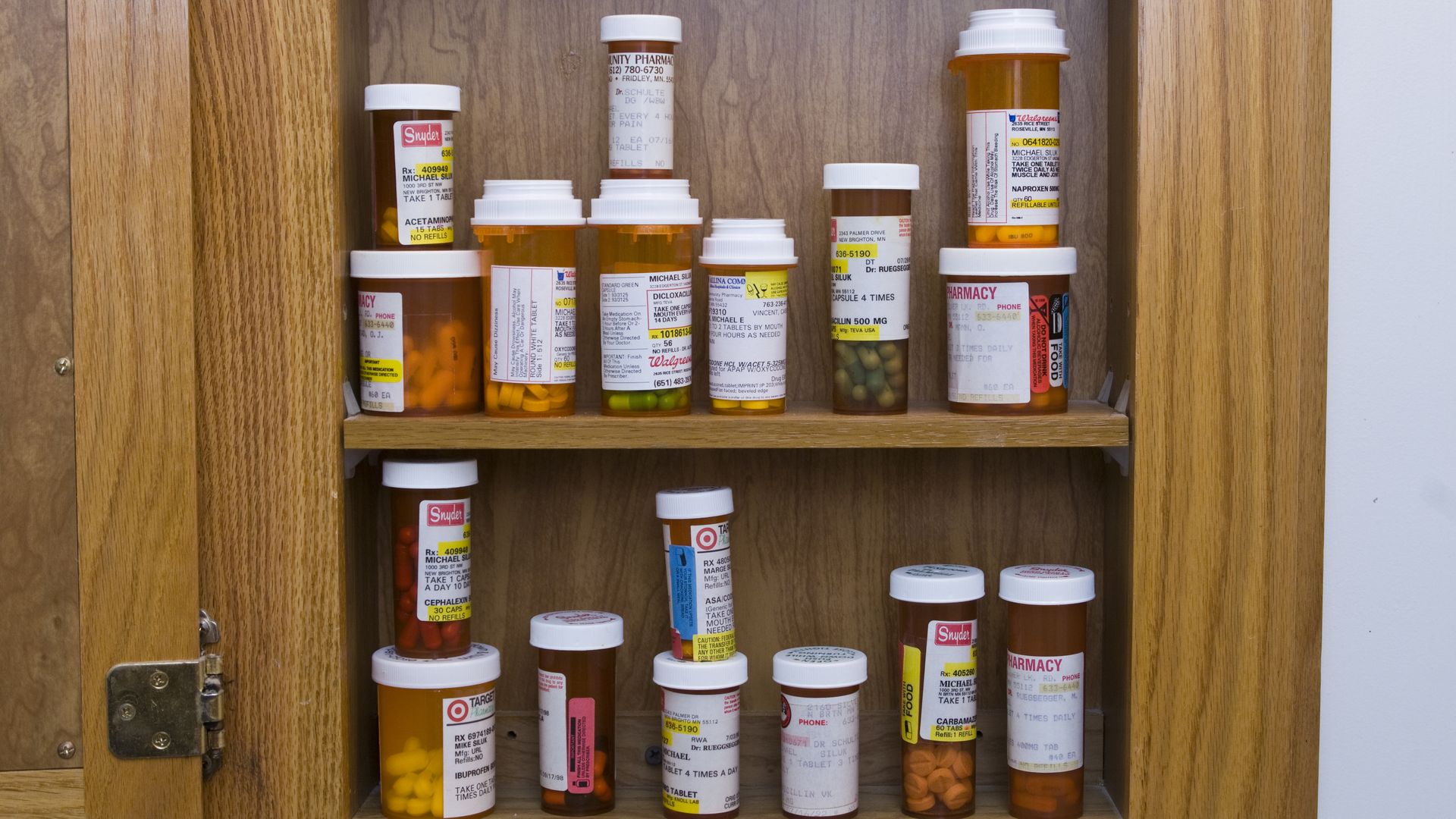
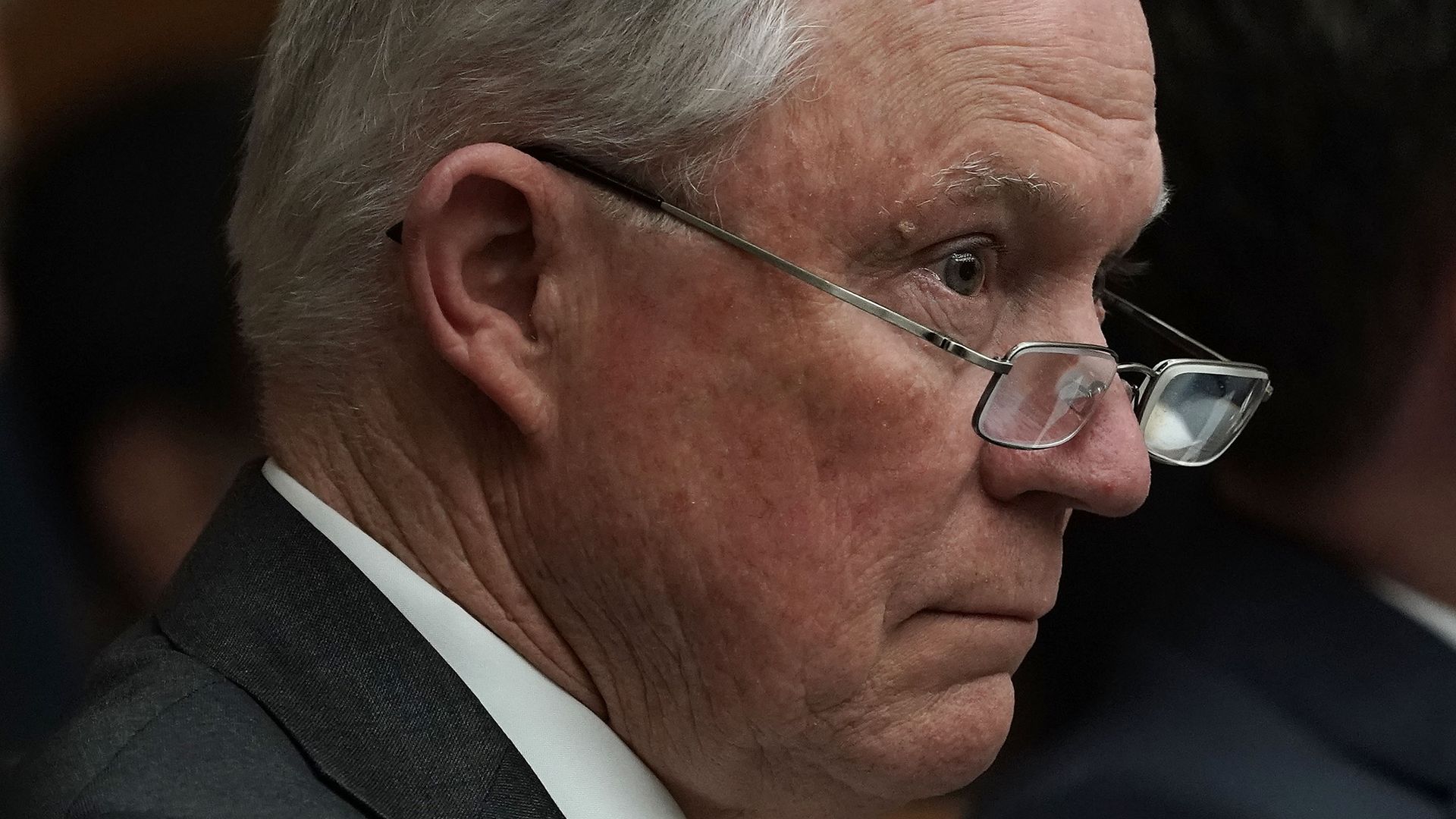
Attorney General Jeff Sessions announced Tuesday that the Drug Enforcement Administration can now cut back on the amount of opioids a drug manufacturer can produce if the DEA "believes that a company’s opioids are being diverted for misuse."
Why it matters: This comes after West Virginia sued the DEA in December over the drug quota rules, which were established based on the amount of drugs the manufacturers were expected to sell rather than the amount needed for medical reasons.
"Outcomes-based" or "value-based" contracts for prescription drugs, in which insurers pay for drugs based on how well they work, have not worked in Italy, the Wall Street Journal reports.
Why you'll hear about this again: The Trump administration plans to support more outcomes-based contracts, and the pharmaceutical industry likes the idea. But it likely won't work because "a monopolist isn't going to sign up for a contract that would get her anything less than the monopoly price," Amitabh Chandra, a Harvard economist, said on Twitter this month.
President Trump is scheduled to give a speech on drug prices next week, but few expect the policy proposals that will accompany it to pack a real punch to the pharmaceutical industry — unless the president goes off-script.
What they're saying: “We are hopeful the administration will embrace market-oriented policies that address patient affordability ... We would obviously be concerned if the administration pursued Medicare negotiation or importation which we think would take the system in the wrong direction," said Stephen Ubl, president and CEO of the Pharmaceutical Research and Manufacturers of America.