The number of new opioid prescriptions is falling while the number of new prescriptions for medication-assisted therapy to treat opioid addictions is slowly starting to rise, according to a new IQVIA paper.
Why it matters: We've barely scratched the surface when it comes to reversing the opioid epidemic, but both of these statistics are good news. They suggest that providers are cutting back on unnecessary opioid prescriptions, while more people addicted to opioids are on the path to recovery.
Health Care Service Corp., the parent company of Blue Cross Blue Shield insurers in five states, pulled in nearly $1.3 billion of profit in 2017 — which included large gains on its Affordable Care Act plans in the individual market. Crain's Chicago Business first reported the financials.
Why it matters: This builds on our previous reporting that many health insurance companies, like HCSC, fared quite well in 2017 despite the political wars in D.C.
Drug maker Shire has rejected three takeover bids from Takeda Pharmaceutical that valued Shire at more than $60 billion, according to multiplereports, and now Allergan appears to be entering the sweepstakes, per Reuters.
The bottom line: Acquiring Shire, a large and profitable firm that makes hyperactivity drugs Adderall and Vyvanseamong others, would easily catapult Takeda or Allegan into the ranks of the largest global drug manufacturers.
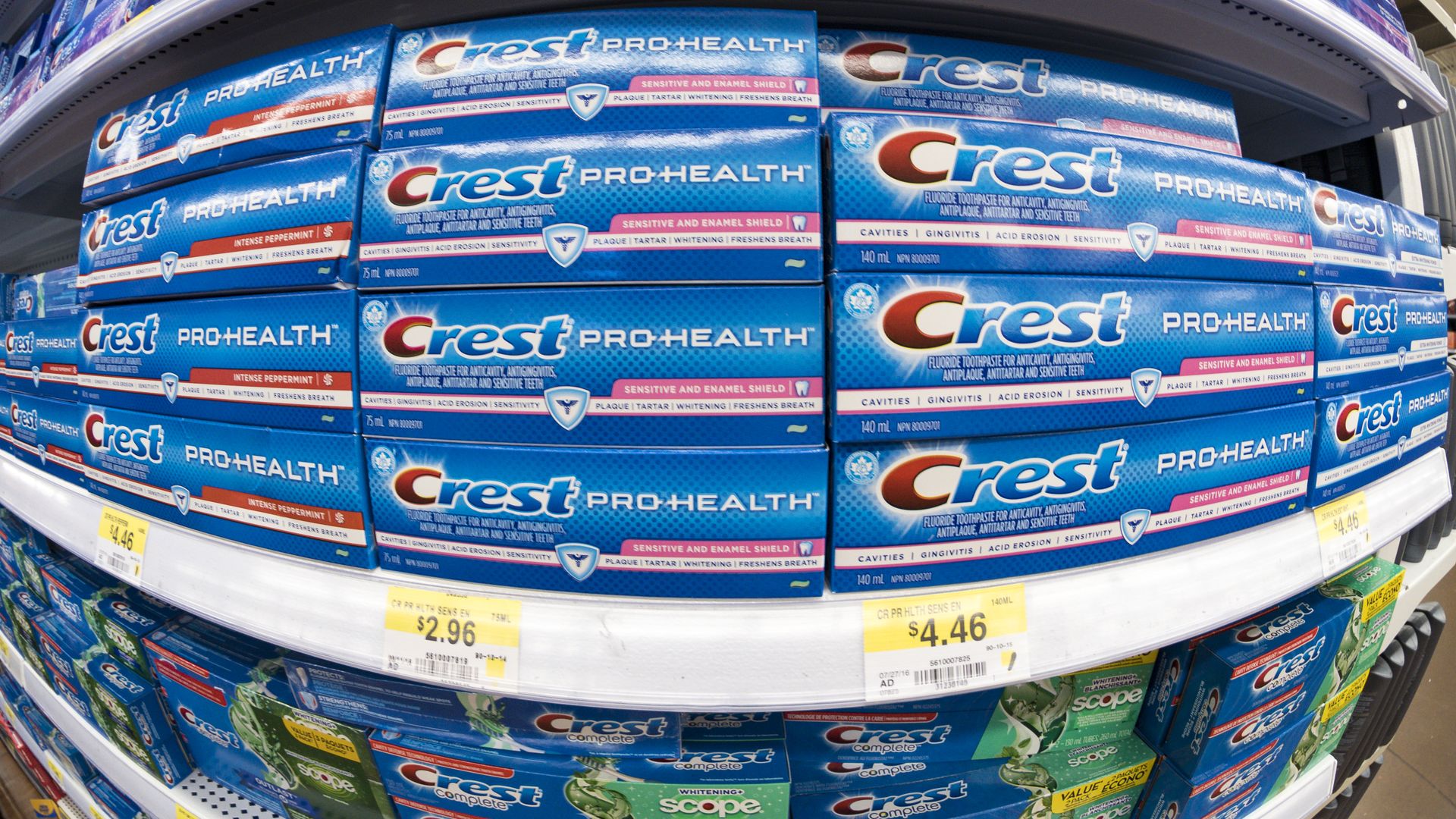
Procter & Gamble is acquiring the consumer health products division of German conglomerate Merck KGaA for $4.2 billion, its first major deal since activist investor Nelson Peltz won a seat on the company's board of directors. This adds to P&G's lineup of health products like Crest, Pepto-Bismol and Vicks.
Why it matters: P&G's buyout of Merck KGaA's consumer health business comes right after Novartis sold its own to GlaxoSmithKline. Meanwhile, Pfizer is still looking to unload its bigger over-the-counter division to a market that now excludes two large purchasers.
Republicans are planning to campaign aggressively on their repeal of the Affordable Care Act's individual mandate, despite the high likelihood that insurers will announce a big round of premium increases just weeks before Election Day. They're counting on the mandate's unpopularity to shield them from Democrats' claims of "sabotage."
Between the lines: Both parties are right: The individual mandate was the most unpopular feature of the ACA, and its repeal will surely contribute to significant premium hikes.