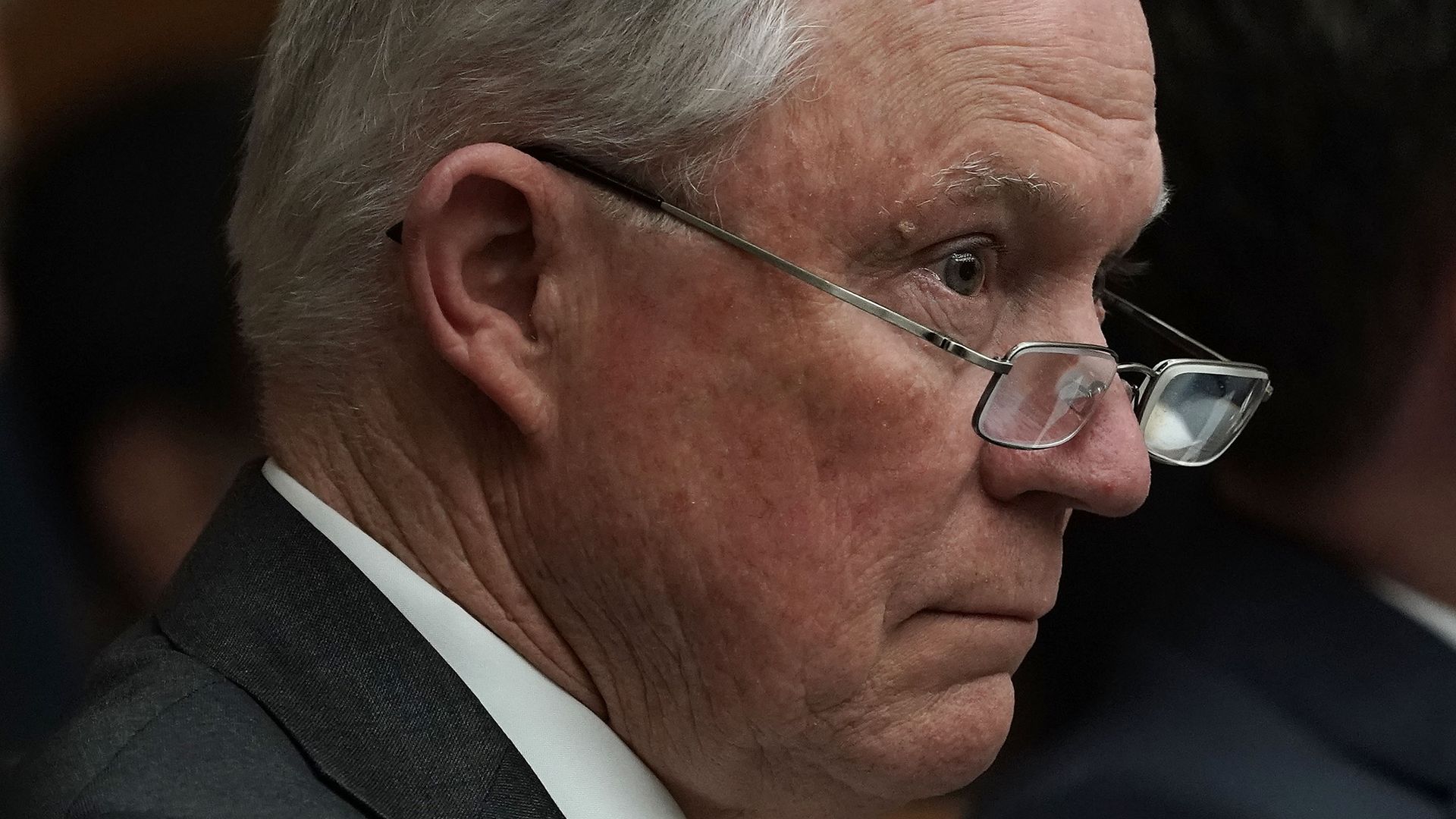
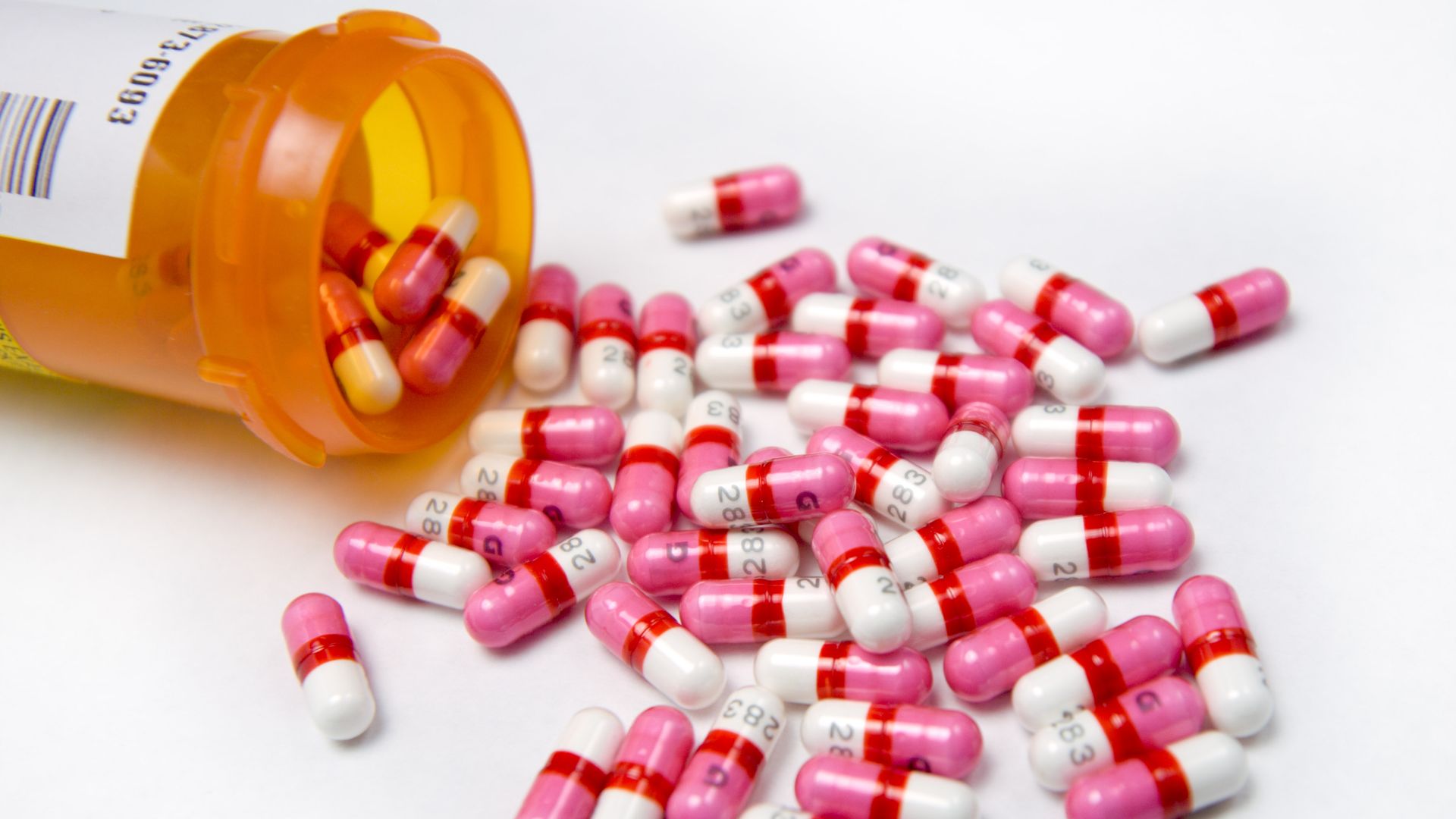
Attorney General Jeff Sessions announced Tuesday that the Drug Enforcement Administration can now cut back on the amount of opioids a drug manufacturer can produce if the DEA "believes that a company’s opioids are being diverted for misuse."
Why it matters: This comes after West Virginia sued the DEA in December over the drug quota rules, which were established based on the amount of drugs the manufacturers were expected to sell rather than the amount needed for medical reasons.
"Outcomes-based" or "value-based" contracts for prescription drugs, in which insurers pay for drugs based on how well they work, have not worked in Italy, the Wall Street Journal reports.
Why you'll hear about this again: The Trump administration plans to support more outcomes-based contracts, and the pharmaceutical industry likes the idea. But it likely won't work because "a monopolist isn't going to sign up for a contract that would get her anything less than the monopoly price," Amitabh Chandra, a Harvard economist, said on Twitter this month.
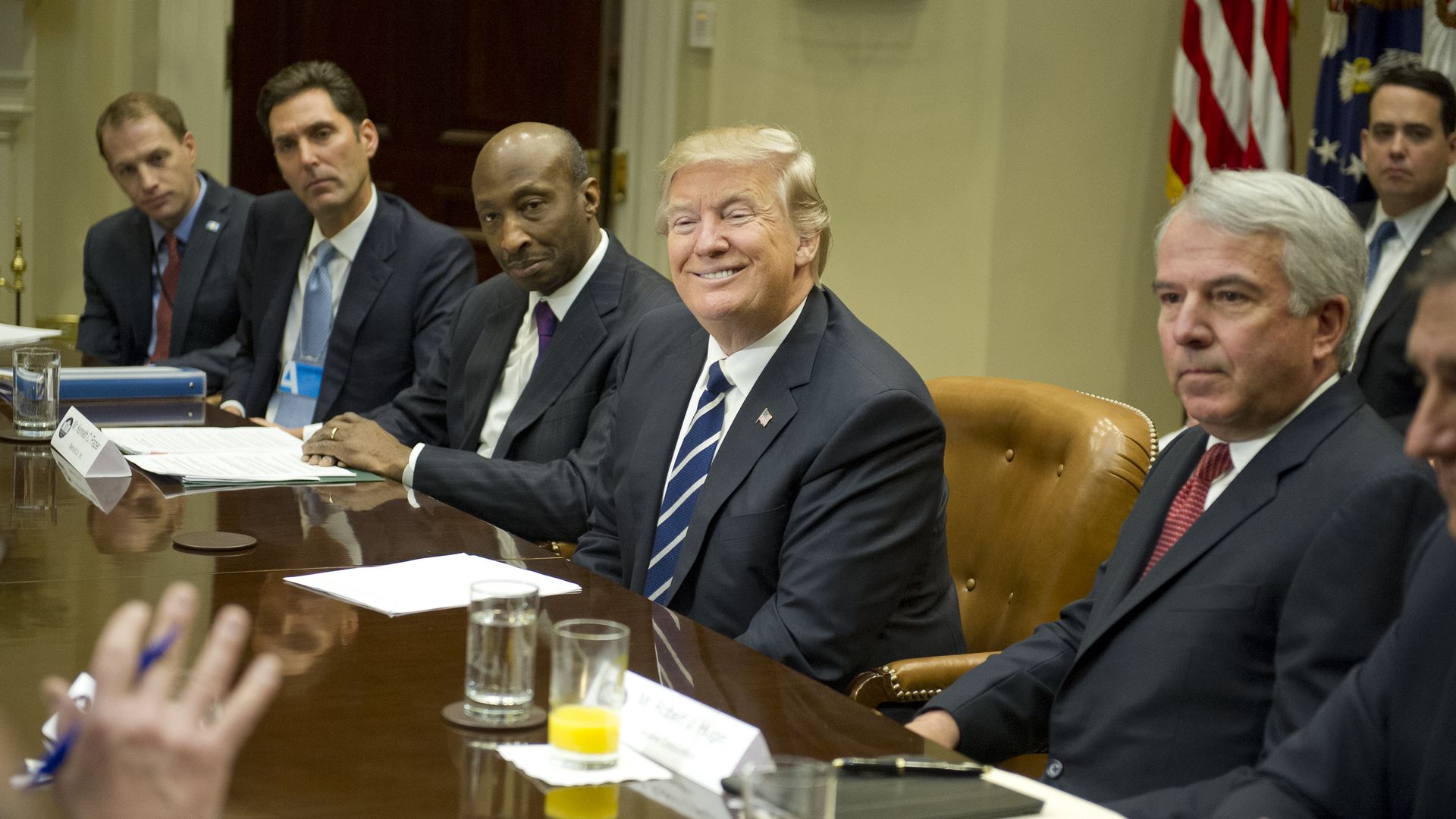
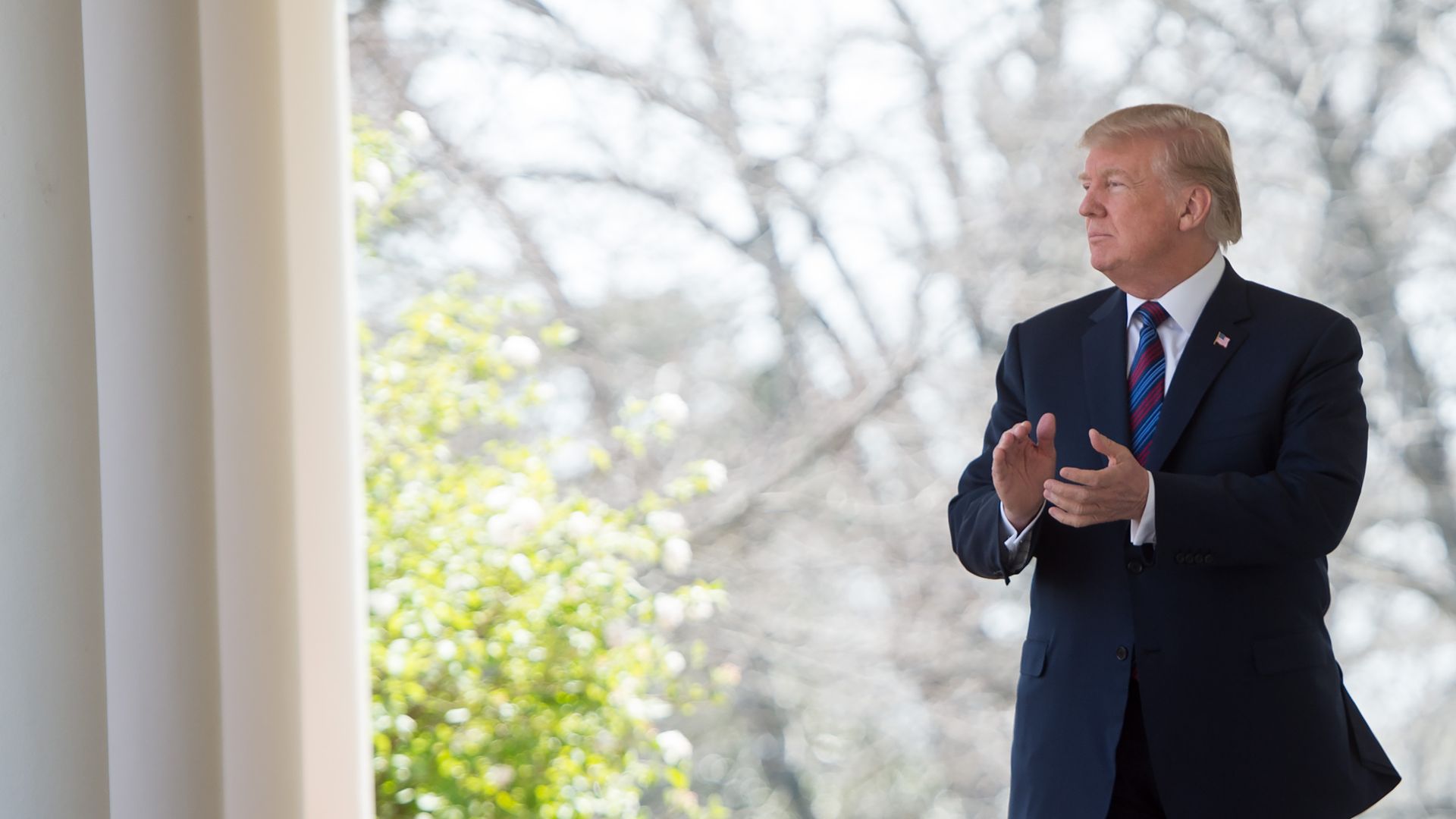
President Trump is scheduled to give a speech on drug prices next week, but few expect the policy proposals that will accompany it to pack a real punch to the pharmaceutical industry — unless the president goes off-script.
What they're saying: “We are hopeful the administration will embrace market-oriented policies that address patient affordability ... We would obviously be concerned if the administration pursued Medicare negotiation or importation which we think would take the system in the wrong direction," said Stephen Ubl, president and CEO of the Pharmaceutical Research and Manufacturers of America.
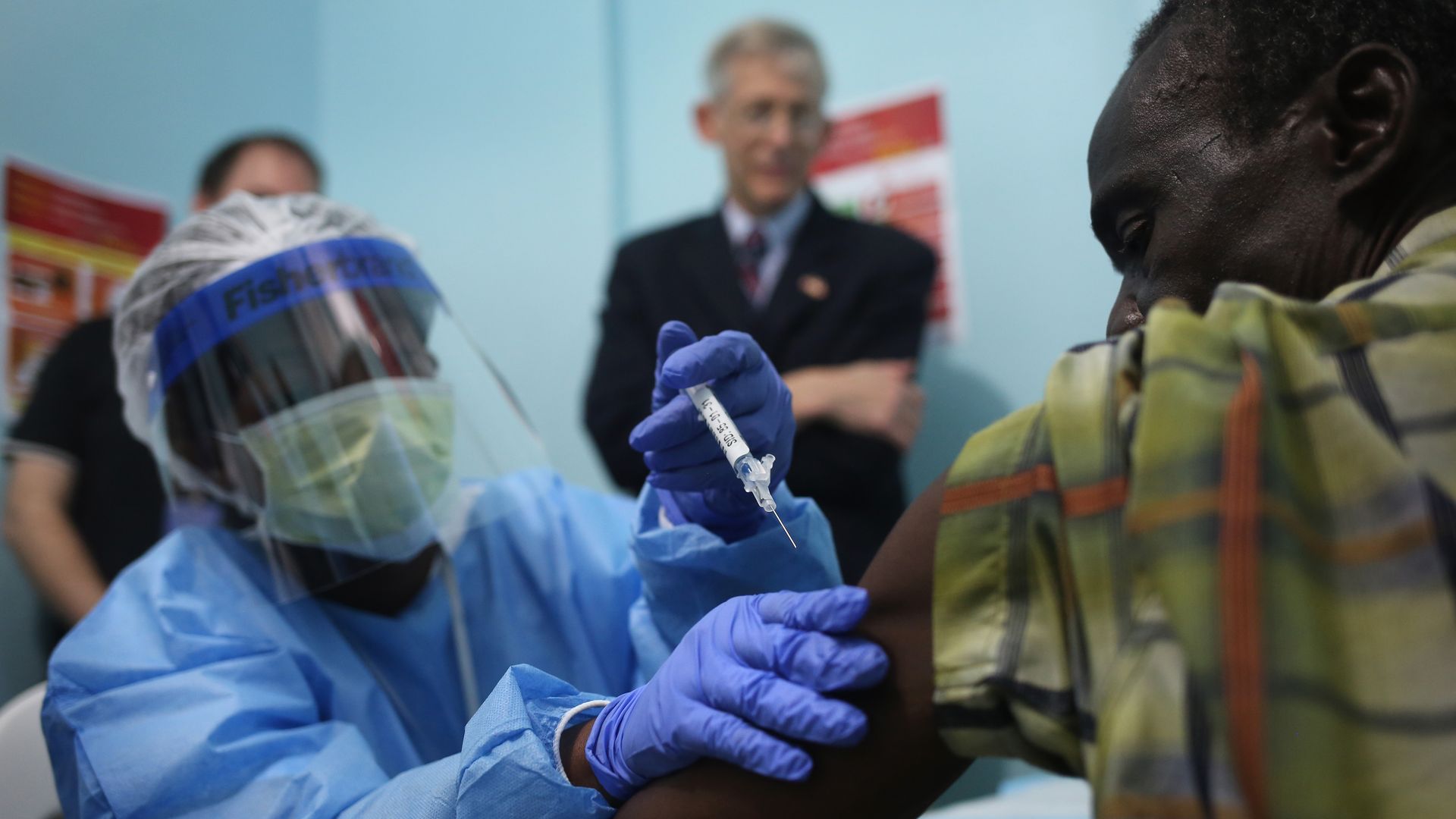
An Ebola vaccine made by Merck has protected a group of volunteers for two years — the longest it has been shown to protect against the disease, according to a study published in Lancet Infectious Diseases.
The context: "A fast-acting, long-lasting vaccine given in a single dose would be an effective tool for controlling dangerous Ebola outbreaks," STAT's Helen Branswell reports.
President Trump is set to give a speech on prescription drug prices on April 26, Axios has learned, though the date could change. The speech will coincide with a rollout of a request for information (RFI) from the Department of Health and Human Services on different drug price policy ideas, according to Deputy White House Press Secretary Hogan Gidley. Trump will also talk about drug price proposals included in the president's budget.
Why it matters: This was a major campaign issue for Trump — and the White House has been accused of not taking action on the issue. It's a concern for both Republicans and Democrats and action is likely to be popular with voters. However, it's worth noting that the request for information isn't a concrete policy change and it is unclear what will be in it.