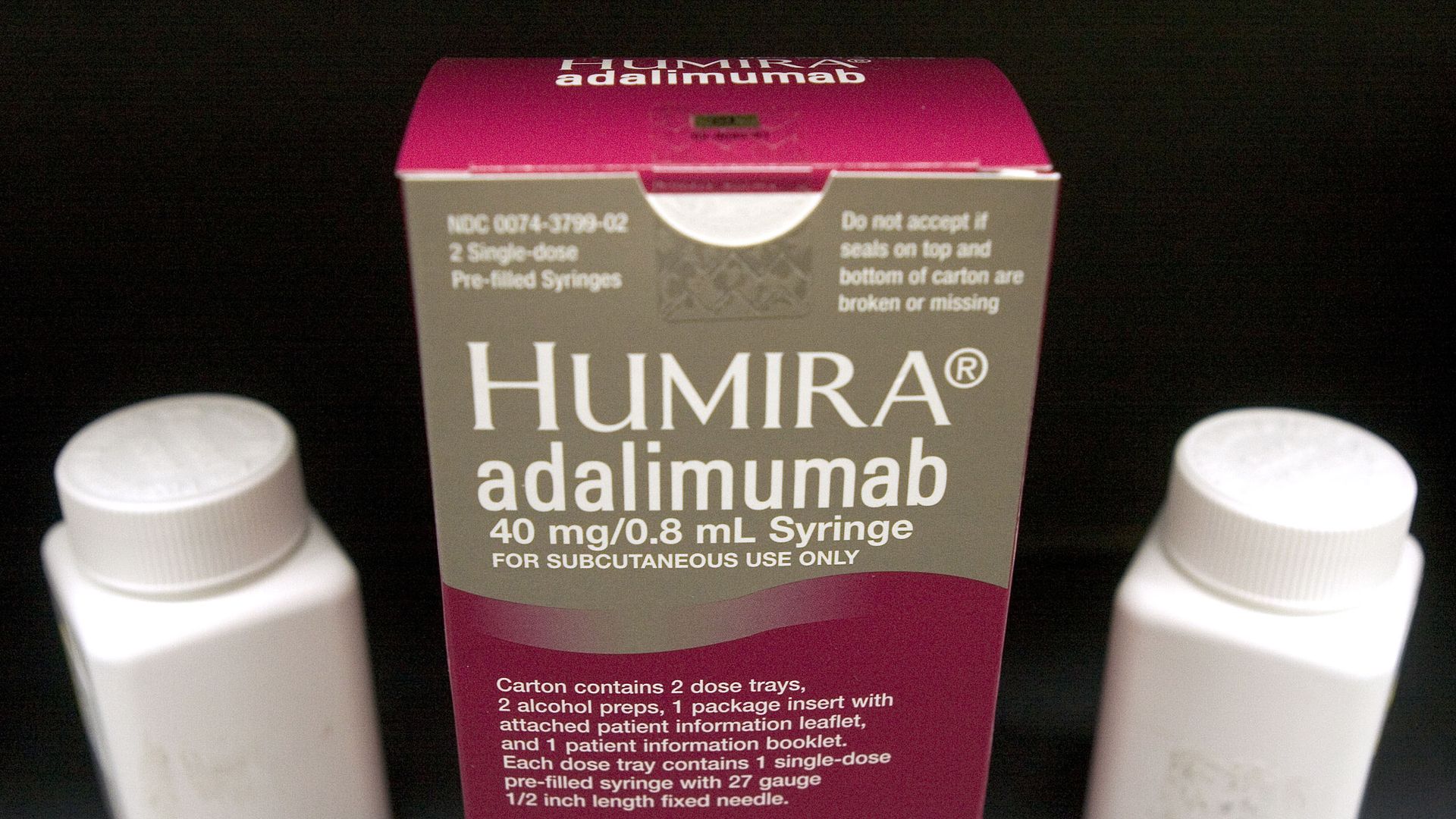
AbbVie said Thursday it reached a deal with biopharmaceutical firm Samsung Bioepis that prevents Samsung from selling its cheaper copy of AbbVie's blockbuster drug Humira in the U.S. until June 30, 2023. This settlement comes roughly six months after AbbVie inked a similar deal with Amgen.
Why it matters: These settlements guarantee AbbVie will have five more years of monopoly pricing in the U.S. for the top-selling drug in the world, even though biosimilar versions of Humira will be available in Europe this October. Humira has garnered huge profits, spurred in part by routine price hikes from AbbVie.
The bottom line: Overall death rates dropped between 1980 and 2014 for HIV/AIDS, tuberculosis and other infectious diseases. But from 2000 to 2014, deaths from diarrhea-related diseases increased in the U.S. That may be largely because of bacteria that has become resistant to antibiotics.
Some of the Affordable Care Act's biggest problems — rising premiums and lackluster competition among insurers — are most severe in rural areas. And those areas tend to be conservative, but there's little serious effort among Republicans to address these problems.
Why it matters: Rising premiums put health care further out of reach for middle-class people in these areas. At some point, they're going to want to hear workable solutions from their elected representatives.
FDA commissioner Scott Gottlieb said Wednesday that internet service providers and social media sites such as Google, Facebook and Twitter, should play an active role in clamping-down illegal online sales of opioid drugs.
The details: Gottlieb said the availability and online purchase options of the illicit drugs, including products laced with lethal doses of the painkiller fentanyl, "fuels the opioid crisis." The FDA commissioner plans to hold a summit "soon" with leaders of internet companies and other stakeholders. Spokespeople for Facebook and Twitter said both platforms have policies that prohibit buying and selling of illicit and pharmaceutical drugs. Other companies didn’t immediately respond to requests for comment.
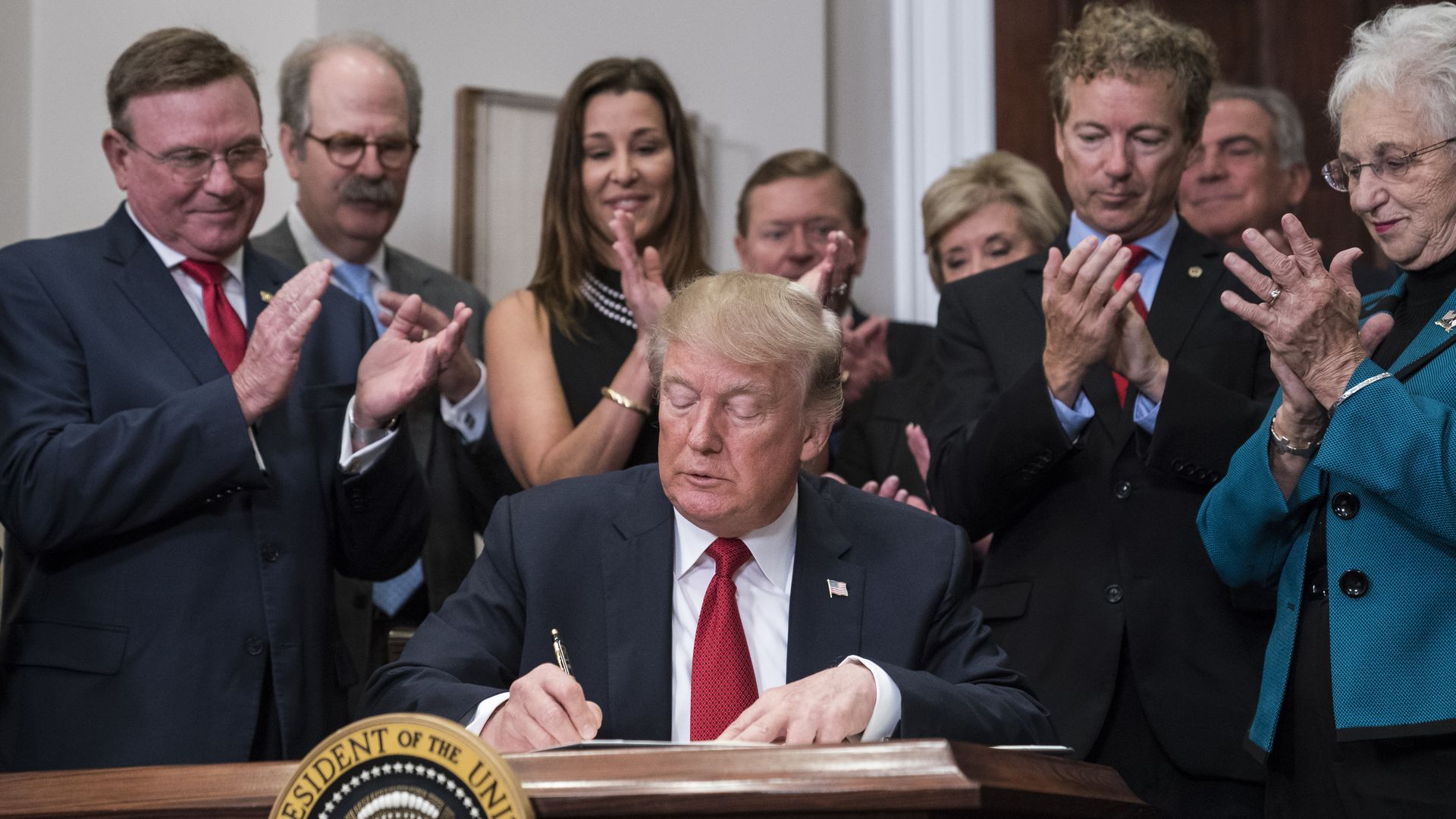
Insurers are afraid of a deteriorating market for individual coverage, fueled by the repeal of the Affordable Care Act’s individual mandate as well as regulatory changes from the Trump administration.
What to watch: Over the course of the spring, they’ll be deciding whether it makes sense to simply quit offering ACA coverage in some parts of the country. Rural areas will likely be the first to see insurers leave.
The Centers for Medicare & Medicaid Services released its final report yesterday on the Affordable Care Act’s most recent enrollment period, and at first blush, it might look like the Trump administration has barely changed anything. After all, about the same number of people signed up this year (11.8 million) as last year (12.2 million).
Yes, but: Look a little closer, and it’s clear that the ACA is working a lot differently.
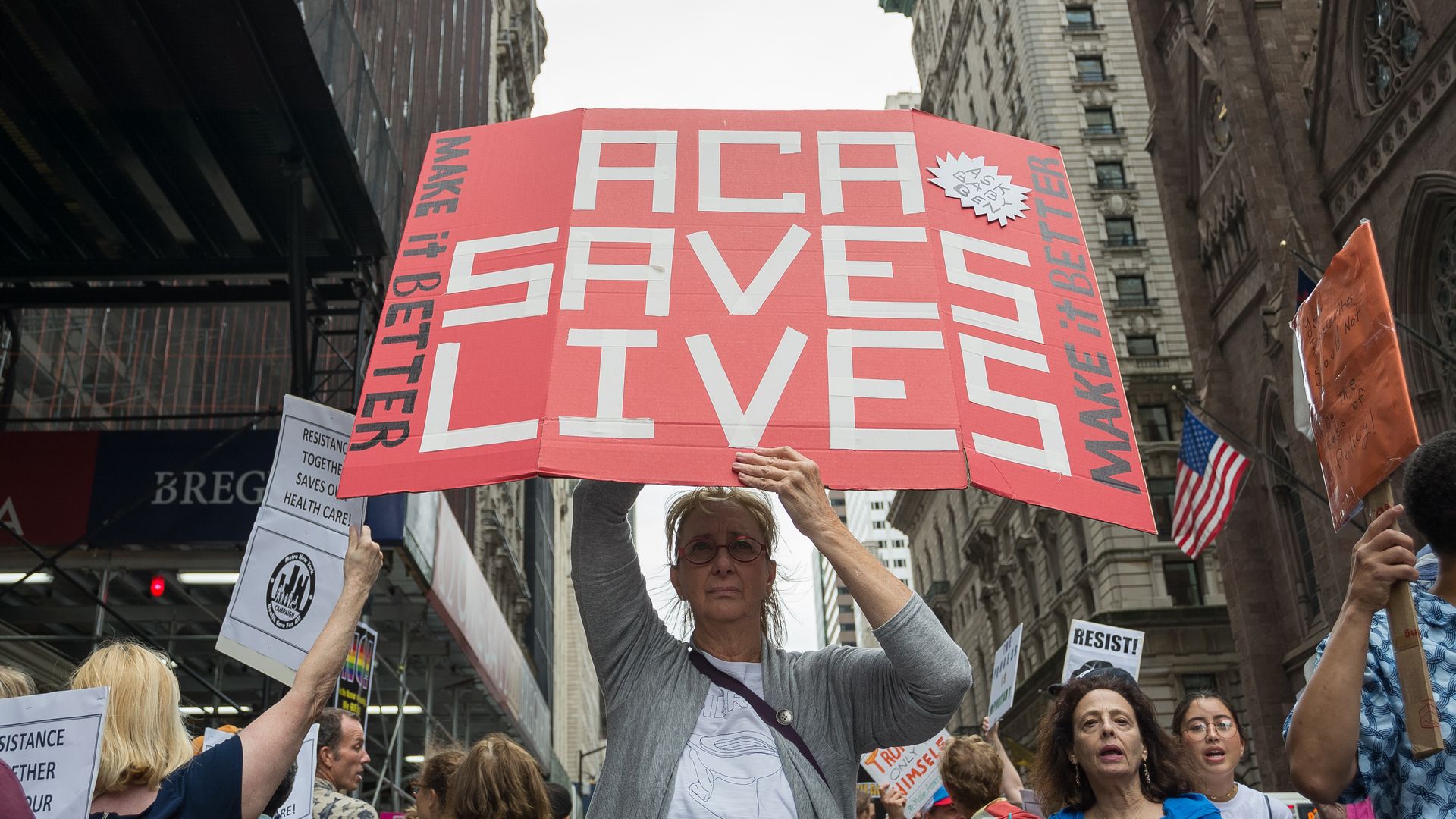
We are about to see a replay of the 2016 election fight over premium increases, but this time in reverse. Last time, it was the Republicans hammering Democrats for the rate hikes. This time, it will be Democrats accusing Republicans of driving up premiums by sabotaging the Affordable Care Act.
What to watch: It's going to be a balancing act for the Democrats. They can (and will) score political points by blaming Republicans for the coming premium increases, but another campaign debate about rising premiums could also undermine the ACA by focusing on its continuing problems.