Brenda Fitzgerald, Trump-appointed director of the Centers for Disease Control and Prevention, "bought shares in a tobacco company one month into her leadership of the agency," Politico reports.
Why it matters: The move seems to run counter to the CDC's mission of curbing smoking — as a leading cause of disease and death — in the United States, and raises ethical questions.
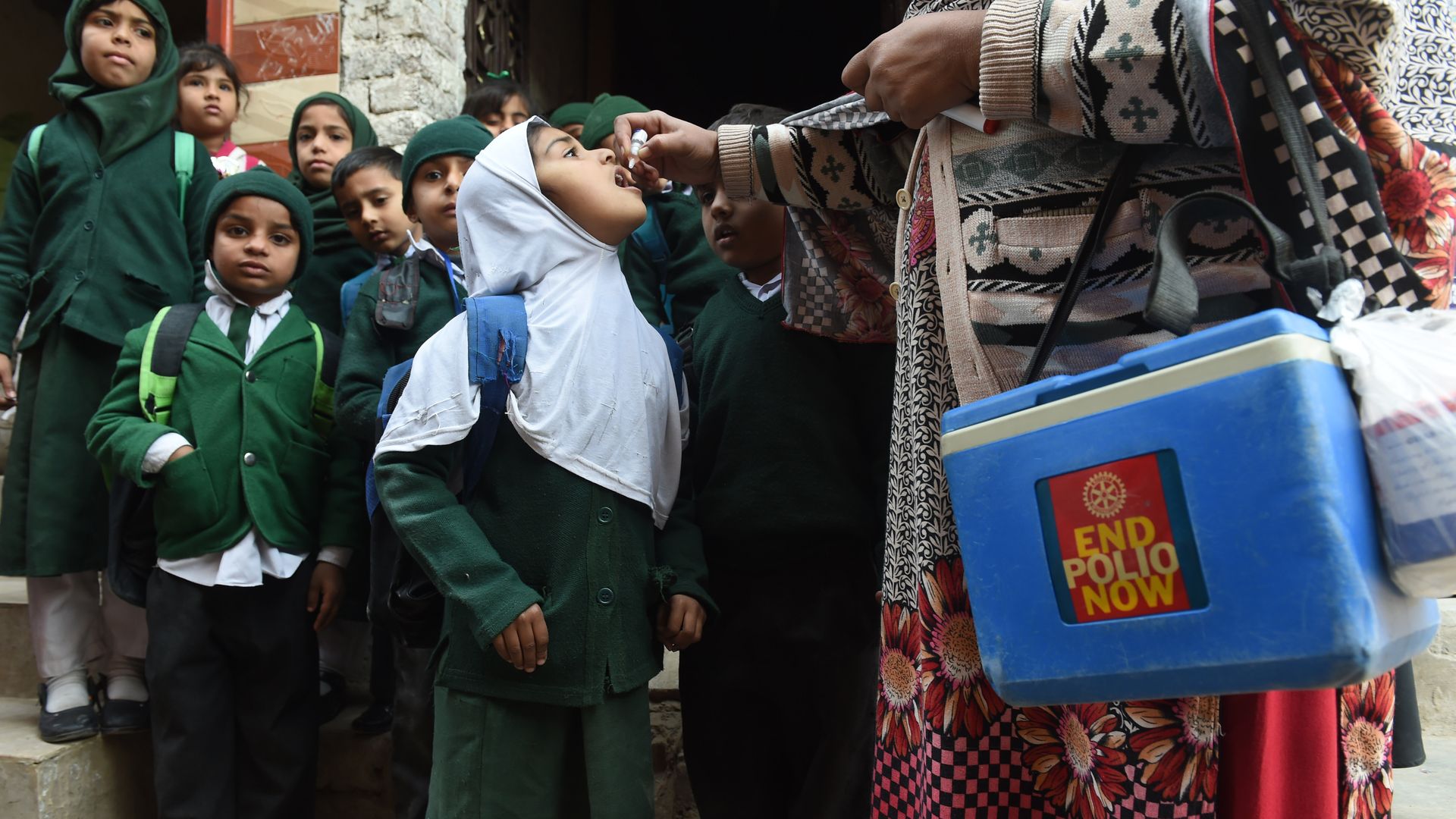
In recent years, polio cases were 73% more common in areas of Pakistan experiencing insecurity from conflict, and vaccination rates were about 5% lower during those periods, according to a new study.
Why it matters: Pakistan is one of only three countries that hasn't eradicated the virus, and insecurity is often cited as a reason.
"[B]ut the science to support this claim was surprisingly weak," study author Amol Verma from the University of Toronto tells Axios. "Our study provides strong scientific evidence that insecurity is an important obstacle to polio eradication in Pakistan, which is one of the last reservoirs of polio in the world."
On average, Medicare beneficiaries are spending about 41% of their Social Security income on out-of-pocket health care costs, according to new research from the Kaiser Family Foundation. And half of all Medicare beneficiaries spent roughly 14% of their total income — not just from Social Security — on health care.
Why it matters: Health care is eating up more and more of everyone’s income — but that’s an especially difficult burden for seniors, who often live on fixed incomes.
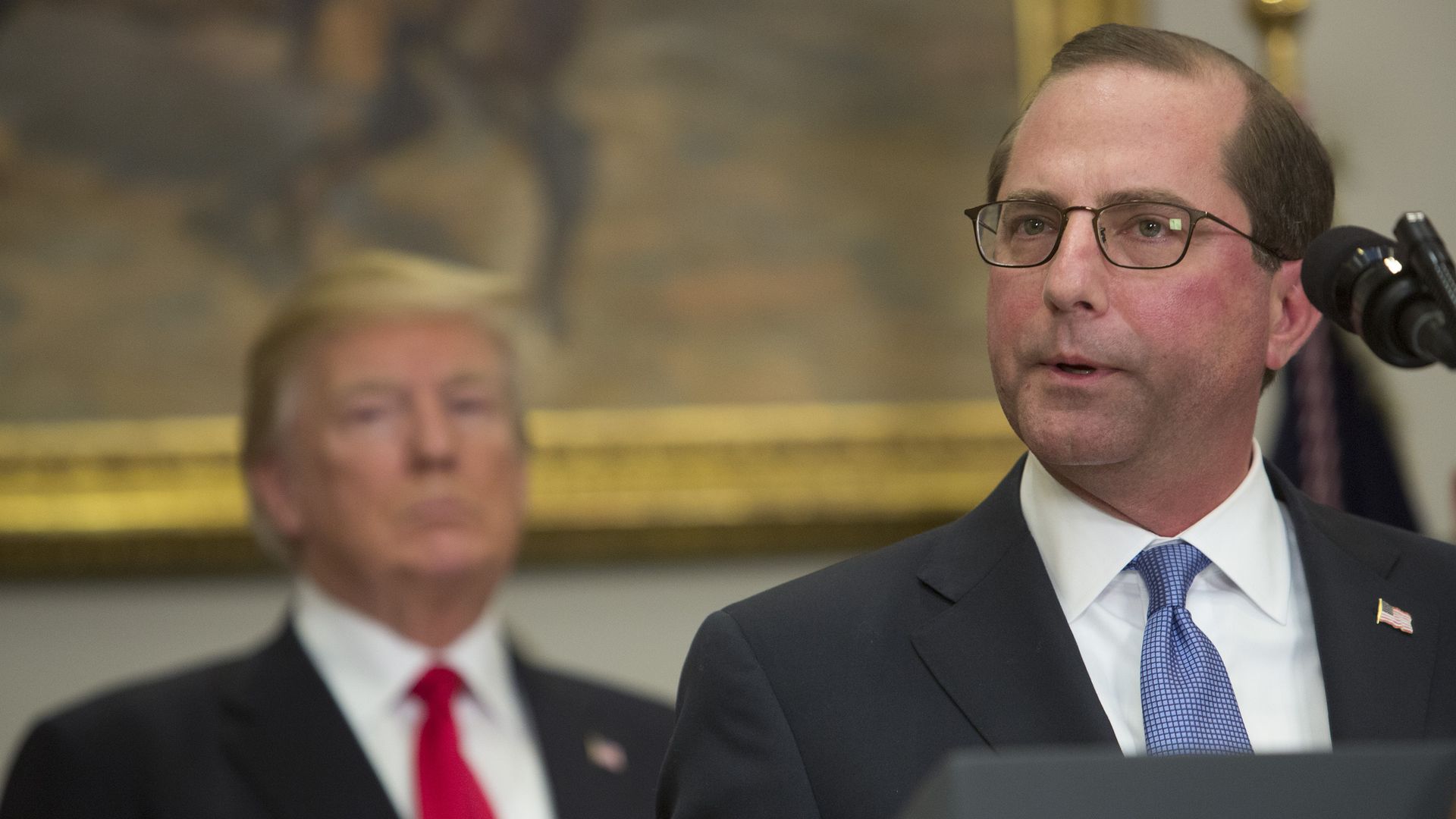
New Health and Human Services secretary Alex Azar is “going to get those prescription drug prices way down,” President Trump said today at Azar’s official swearing-in ceremony.
Reality check: Aside from the president himself, the Trump administration has shown little interest in using the federal government’s purchasing power to leverage lower prices for prescription drugs, and Azar has also said he opposes such an approach.
The United Nations estimates that over 13 million people in the Democratic Republic of the Congo are at risk of death due to a "mega-crisis" of political instability, armed conflict, hunger, and disease, per a report by John Zarocostas in The Lancet.
Why it matters: The U.N. Office of Humanitarian Affairs was only able to fund 47.8% of its $816.6 million appeal for the DRC last year — and this year the office estimates the country and its people will need $1.69 billion. It's unlikely the appeal will come close to being fully funded, given the focus on developing crises in Syria and Yemen.
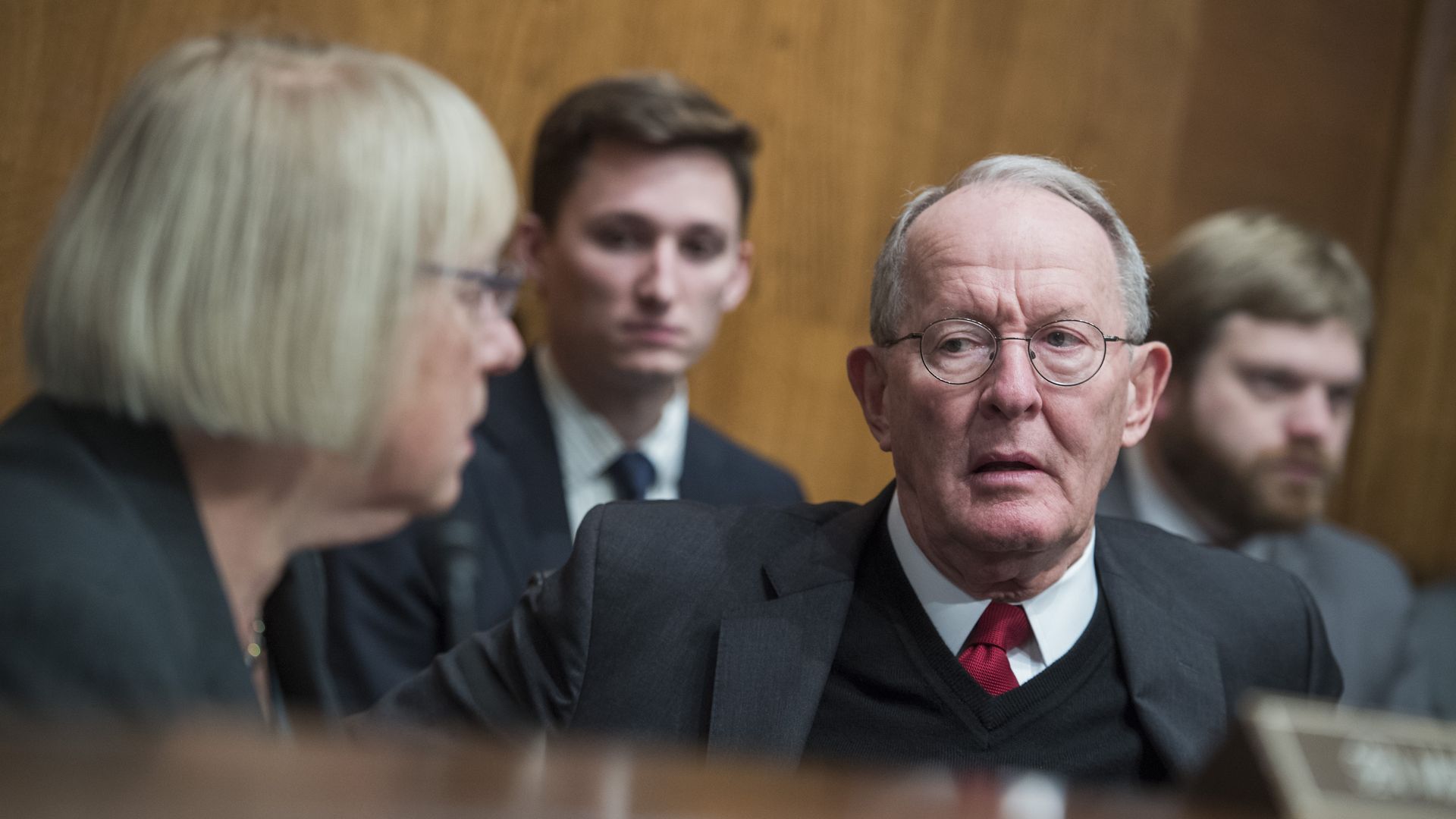
There would be more losers than winners if Congress funds the Affordable Care Act's cost-sharing subsidies, a weird twist resulting from how insurers responded to President Trump cutting off the payments last year.
Why this matters: The Senate is expected to vote on a bill, crafted last year by Sens. Lamar Alexander and Patty Murray, that would fund the subsidies — as almost every expert suggested back then. But now, passing the same bill would make coverage less affordable for more people than it would help.